Explanation
DIY termite treatment: Risks and limits
Understand the difference between a manageable outdoor termite finding and a possible infestation in your home, and learn where do-it-yourself treatment reaches its limits.
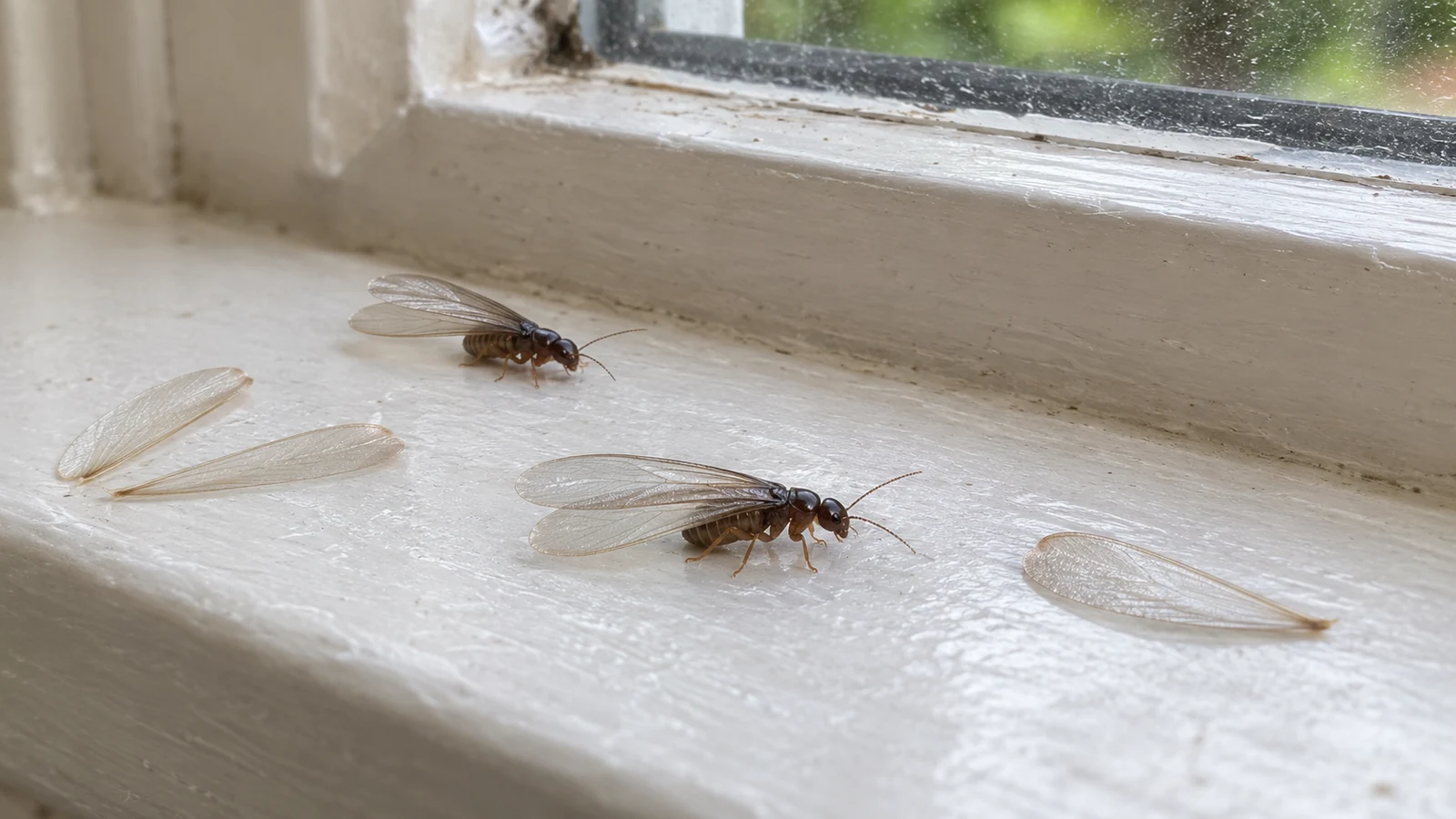
You find winged insects on a windowsill, or notice that a piece of wood beside your house is full of termites. Before spending money on treatment, you want to know whether this is something you can handle yourself.
The important distinction is between dealing with a localized finding and protecting a building from a hidden infestation. An isolated outdoor finding may call for little more than ordinary maintenance. An infestation in the house requires understanding where termites are feeding and how they are reaching the structure.
Quick Answer
You can reduce termite risk, remove isolated pieces of accessible, infested nonstructural wood, and document suspicious activity yourself. DIY products may kill exposed termites, but they are not a reliable substitute for structural termite control. Arrange a professional assessment if you suspect termites are feeding in the building.
Why killing visible termites is not enough
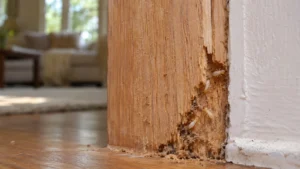
The termites you see may represent only a small part of an infestation. Subterranean termites can travel through soil and sheltered passages into a house, feeding in wood hidden behind walls or beneath floors. Killing workers at one accessible location can leave the rest of the colony unaffected.
Winged termites create a different problem. You might vacuum up a swarm and see no more insects the next day, even though the colony that produced them remains active. Swarming is a brief reproductive event, not a continuous display of how many termites are feeding in your house.
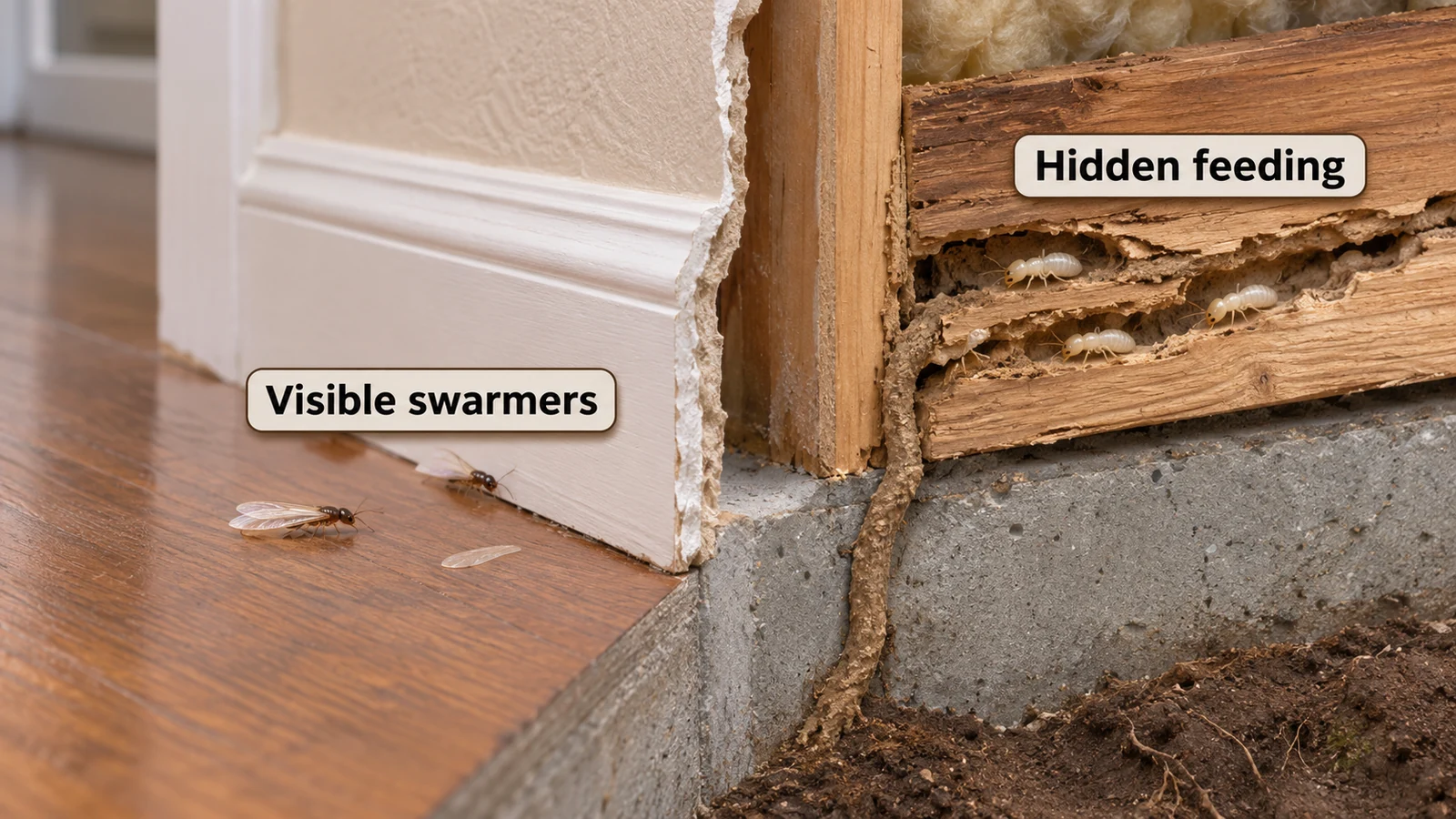
Consumer termite sprays illustrate the limits of treating what you can see. A product intended to kill exposed insects may do exactly that without reaching the feeding activity inside the wood. The fact that a product kills termites is different from a demonstrated ability to protect a structure.
Monitoring stakes have a different limitation. Termites must encounter the device for it to detect their presence. An untouched stake cannot rule out termite activity elsewhere around or beneath the house. Even an insecticidal bait system depends on appropriate placement, feeding, servicing and follow-up.
When a DIY response makes sense
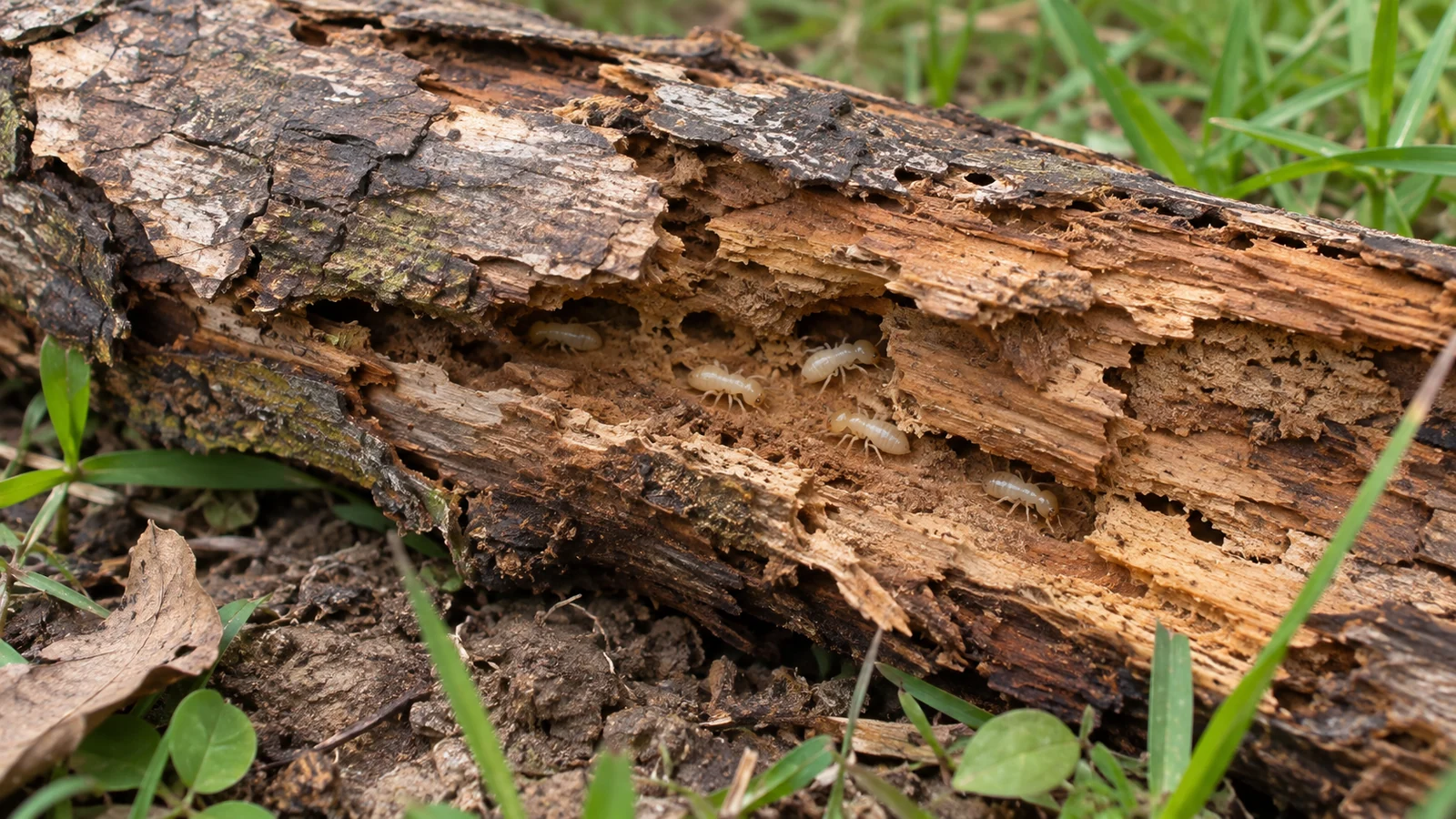
Finding termites in a rotting log well away from the house is not the same as finding them in a floor joist. Termites help break down dead wood outdoors. An isolated finding in the yard does not, by itself, justify a chemical treatment of the building.
If the infested material is loose, accessible and nonstructural, you can often remove it or arrange for its appropriate disposal. Keep infested wood out of the house and avoid moving it to another property. Do not spray firewood with insecticide; burning treated wood can release harmful fumes. Termites in firewood or debris immediately beside the foundation warrant a closer look at the building.
The type of termite changes the decision
Subterranean termites commonly use hidden connections between soil and structural wood. Discarding an infested board may leave other feeding sites or the colony itself untouched.
Drywood termites can live entirely within a wooden item, with no connection to the ground. Removal of a genuinely isolated, infested piece of nonstructural wood may address that particular infestation. The difficulty is establishing that the activity is confined to that piece. If there is evidence in built-in woodwork or framing, seek a professional assessment of its extent.
Dampwood termites favor wood with a high moisture content. Correcting a leak or another moisture source addresses a condition that supports them, but an existing infestation or deterioration in structural wood still needs evaluation.
Where consumer products fit
Some products are intended for limited termite-control uses by homeowners. Read the complete label to determine the permitted user, site and purpose. A label for killing termites on contact is not equivalent to one authorizing structural protection.
In the United States, registered pesticides must be used in accordance with their labeling. States can impose additional restrictions on sale and use. Check with your state pesticide regulatory agency if you are unsure whether a particular use is permitted. Leave work involving concealed structural activity, soil treatment around a building or specialized application equipment to a properly licensed pest management professional.
What you can safely do yourself
Your most useful contribution is to preserve evidence and improve accessible conditions while keeping the building’s treatment needs separate from ordinary maintenance.
If you suspect termite activity, you can:
- Photograph the insects, wings, pellets or other evidence in place. Keep an intact insect in a closed container for identification if it is easy to collect.
- Note where and when you found the evidence, particularly whether winged insects appeared to emerge from the building or were simply near an open door or window.
- Check existing termite inspection reports, treatment records and service agreements. Contact the current provider if the house is already covered.
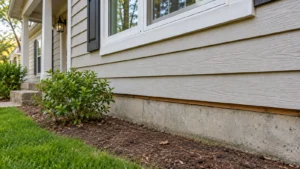
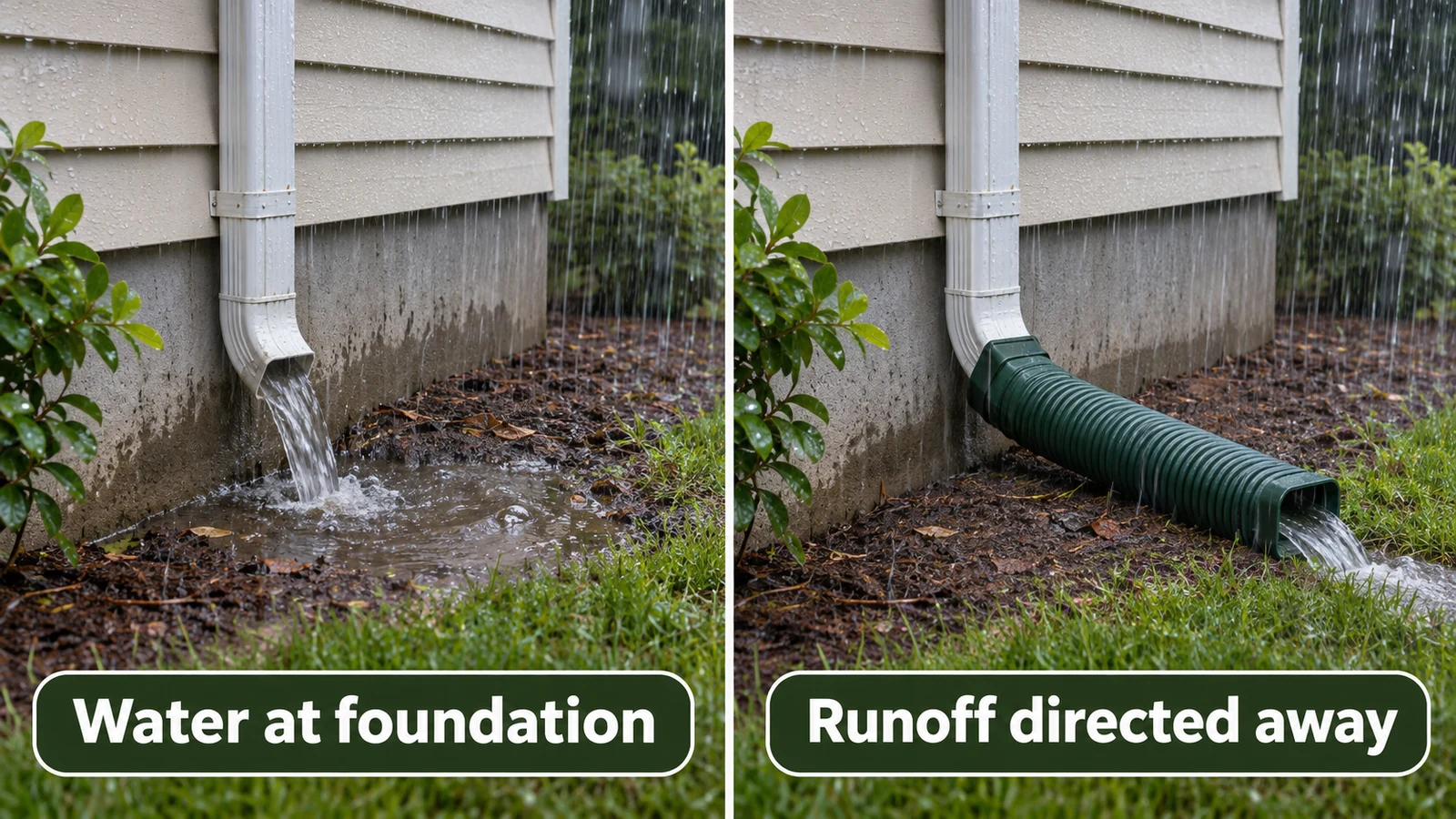
- Address accessible maintenance problems such as leaking plumbing, blocked gutters and runoff collecting beside the foundation. Move loose stored wood away from the house.
These measures can support an inspection and reduce conditions that favor termites. They do not require you to open a wall, enter a confined crawl space or disturb damaged building materials.
When to stop investigating on your own
If you find signs of termites in your house, such as mud tubes on the foundation, apparent termite damage or swarmers emerging from the building, arrange a professional termite inspection. Multiple indoor swarmers without an obvious source also warrant an inspection. Do not postpone it just because the insects have disappeared or an outdoor monitoring stake remains empty.
If a floor is sagging or a structural support appears badly deteriorated, keep people away from the affected area and have its safety evaluated by a qualified building professional. Controlling termites will not restore the strength of wood that has already been damaged.
What counts as evidence of successful control?
The disappearance of insects from a surface is only evidence of what happened at that surface. After treatment of a structural infestation, the meaningful checks depend on the termite type, treatment method and locations previously found to be active.
Ask the service provider what will be checked during follow-up, what would indicate continuing activity and what would require further investigation. Report fresh evidence rather than relying on a fixed number of days without sightings. Old damage can remain visible long after the insects responsible are gone.
What to Watch For
If you have already applied a pesticide, retain its label and tell the inspector where and when you used it. Do not add other chemicals in an attempt to compensate for an uncertain result.
Explore this topic further:
Termite treatment: Options, safety, and when to hire a professional