Explanation
Termite inspection: What happens and when should you book one?
Understand what a professional termite inspection covers, how to read its findings and limitations, and when an inspection is worth arranging.

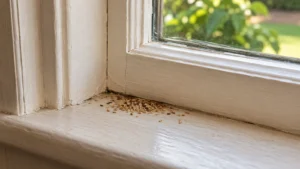
A narrow mud-colored line on the foundation or a handful of wings near a window can raise a practical question: is it time for a termite inspection? Before arranging a visit, it helps to know what an inspector can actually examine and what the result will tell you.
An inspection is a professional assessment of observable evidence, not a scan that sees through every wall or an automatic agreement to treat the house.
Quick Answer
A professional termite inspection checks accessible areas for termites, visible signs of activity or damage, and conditions that favor infestation. It usually covers relevant foundation areas and exposed wood, with crawlspaces, basements, or attics included where accessible and appropriate. Arrange one for credible evidence, unresolved concerns, or a property transaction that requires a report.
What happens during a termite inspection?
An inspector usually begins with the areas that prompted the call and any history you can provide. Outdoors, the examination may include the foundation perimeter, places where wood touches soil, exposed supports, and moisture-prone areas near utility entries.
Inside, accessible trim, framing, basements, crawlspaces, and attic spaces may be examined according to the home’s construction and safe access. The inspector looks for live termites, shelter tubes associated with subterranean termites, shed wings, visible wood changes, and other species-relevant evidence.

A flashlight and careful tapping or probing of exposed wood can help locate suspicious areas. A moisture meter may highlight damp conditions, but moisture alone is not a termite diagnosis. No single clue or inspection route fits every building and termite species.
If you have collected an insect or taken a clear picture, our guide to what termites look like can help you describe the sighting. The professional inspection itself should connect observed clues to specific locations in the building, rather than relying on an insect’s appearance alone.
At the end, expect the inspector to explain what was found, where it was found, and which areas could not be checked. Previous treatment documents, recurring moisture problems, and photographs of a finding may provide useful context, but the inspection still rests on the conditions observed during the visit.
What can the inspection report actually confirm?
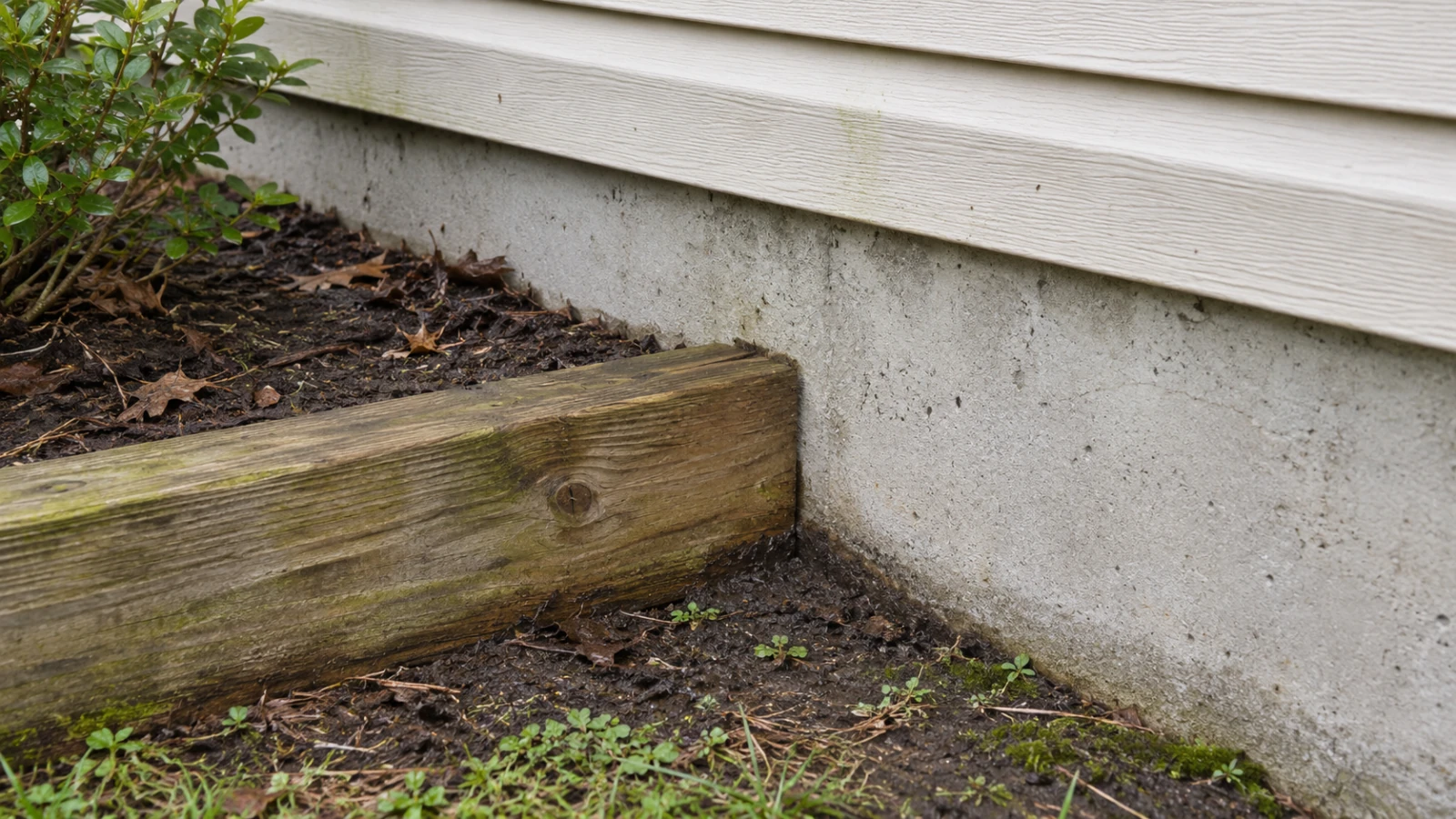
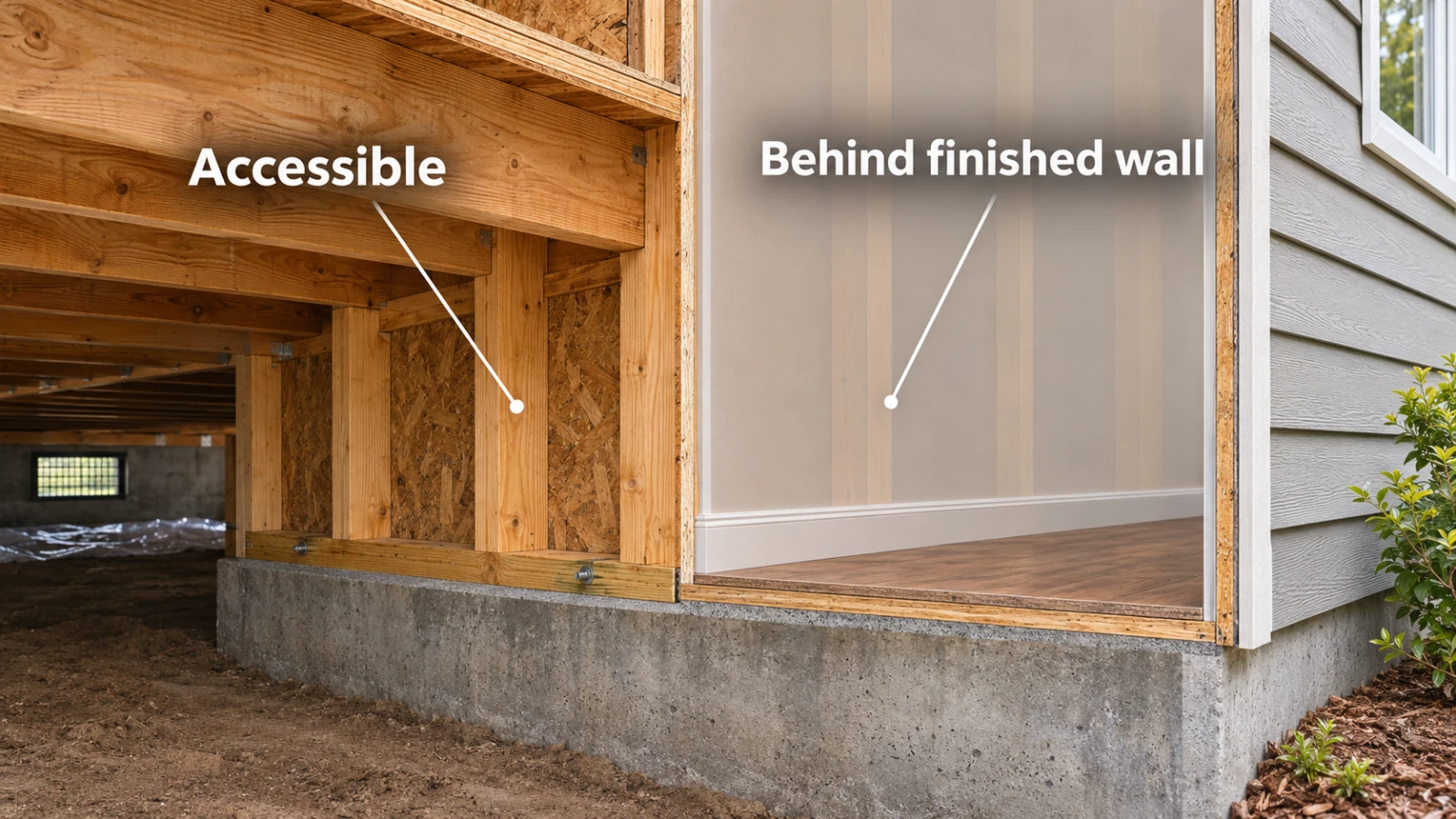
A finding of "no visible evidence" means no relevant evidence was seen in the accessible areas examined on that date. It is not a guarantee that the building contains no termites. Wall voids, covered framing, parts of an attic, or a blocked crawlspace can remain outside the inspection.
The report can also note wood touching soil or damp conditions that favor termites; those are risk factors, not proof of an infestation. Conversely, mud tubes, discarded wings, damaged wood, or drywood termite pellets are evidence worth recording even when no live insects are visible. The inspector should distinguish those observations from a claim about present activity, especially when older signs or treatment history complicate the picture.
Some inspectors use moisture meters, infrared equipment, or other tools to investigate suspected areas. These may point toward a hidden concern, but they cannot remove all the blind spots of an ordinary visual inspection. Opening finished walls or drilling into a structure is not normally part of a standard noninvasive visit; any such investigation needs a separately agreed scope.
If the concern began with a pile of sand-like grains beneath wood, the termite droppings identification guide explains what that particular clue may represent. A report should still identify the actual evidence and its location, not treat every pile of debris as confirmed termite activity.
Good to Know
A routine pest inspection and a wood-destroying insect report for a home purchase are not necessarily the same service. Lenders and state rules can affect the required form, inspector qualifications, and timing. Check what your transaction requires before arranging a visit; a general home inspection may not satisfy a separate termite-report requirement.
When is booking an inspection worthwhile?
Arrange a professional inspection promptly if you find live termites in the structure, repeated or newly noticed shelter tubes, an indoor swarm that appears to originate in the building, or unexplained wood damage accompanied by other termite clues. These findings merit a closer look even when the affected surface seems small.
One unidentified insect outdoors or an isolated patch of dust may call for a clear photograph and a basic identification check first. If the same evidence returns, the insects appear to be coming from the building, or you cannot explain changes in wood, an inspection becomes more useful than guessing or applying a product.
A visit may also be appropriate before a property purchase when the lender or transaction requires a report, or as a documented follow-up to a past infestation or existing service agreement. There is no single mandatory inspection schedule for every U.S. home. The property’s history, local termite pressure, building access, and any contract conditions affect the decision.
What you need afterward is a clear account of the evidence, its location, the areas excluded, and the reason for any recommended next step. A finding may justify monitoring, improved access, additional investigation, or a separate treatment assessment. It does not make treatment automatic.
What to Watch For
A termite inspector can record visible wood damage without determining whether a beam or floor is structurally safe. If the report raises concerns about framing strength or repair needs, have the relevant construction or structural professional assess that question separately.
The most useful report distinguishes these outcomes rather than treating every observation as an infestation:
| Report finding | What it tells you | Useful follow-up question |
|---|---|---|
| No visible evidence found | No relevant signs were observed in the areas inspected on that date | Which parts of the building were inaccessible or excluded? |
| Live termites or convincing recent evidence | Active termite involvement is a serious possibility that needs an appropriate response | Exactly where was the activity seen, and what further action is justified? |
| Old tubes, pellets, or visible wood changes | Evidence is present, but the age, cause, or current status may need clarification | What supports the interpretation, and are previous treatment records available? |
| Moisture, wood-to-soil contact, or limited access | A contributing condition or an inspection gap was noted, not necessarily termite activity | What condition or access limitation should be addressed next? |