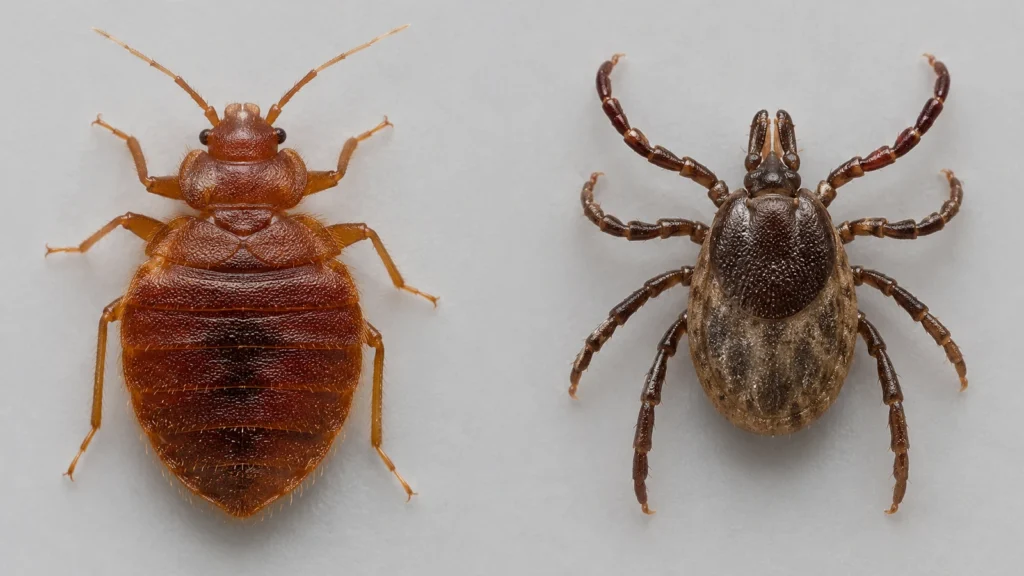
HOUSEHOLD PESTS
Identify the pest
in your home
Spot the signs, identify the pest, and find practical guidance on what to do next.
- Spot
- Identify
- Explore
- Act
WHAT PEST ARE YOU DEALING WITH?
Choose a pest to explore identification tips, signs of infestation, hiding places, treatment options, and prevention advice.

Cockroaches
Spot infestation signs and explore ways to control cockroaches.

Identify

Act

Prevent
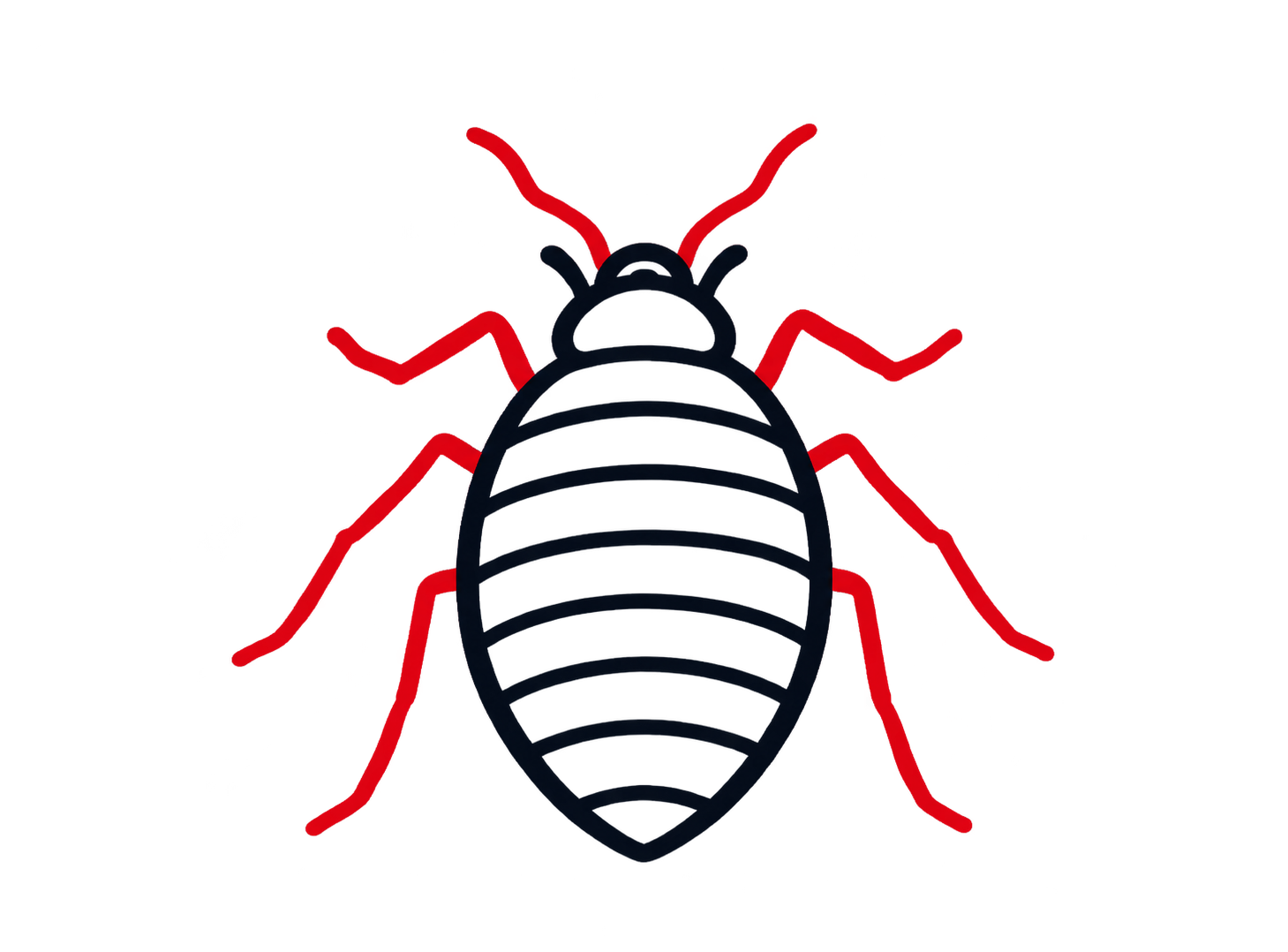
Bed Bugs
Spot bed bug signs, check hiding places, and explore treatment options.
Identify
Act
Prevent
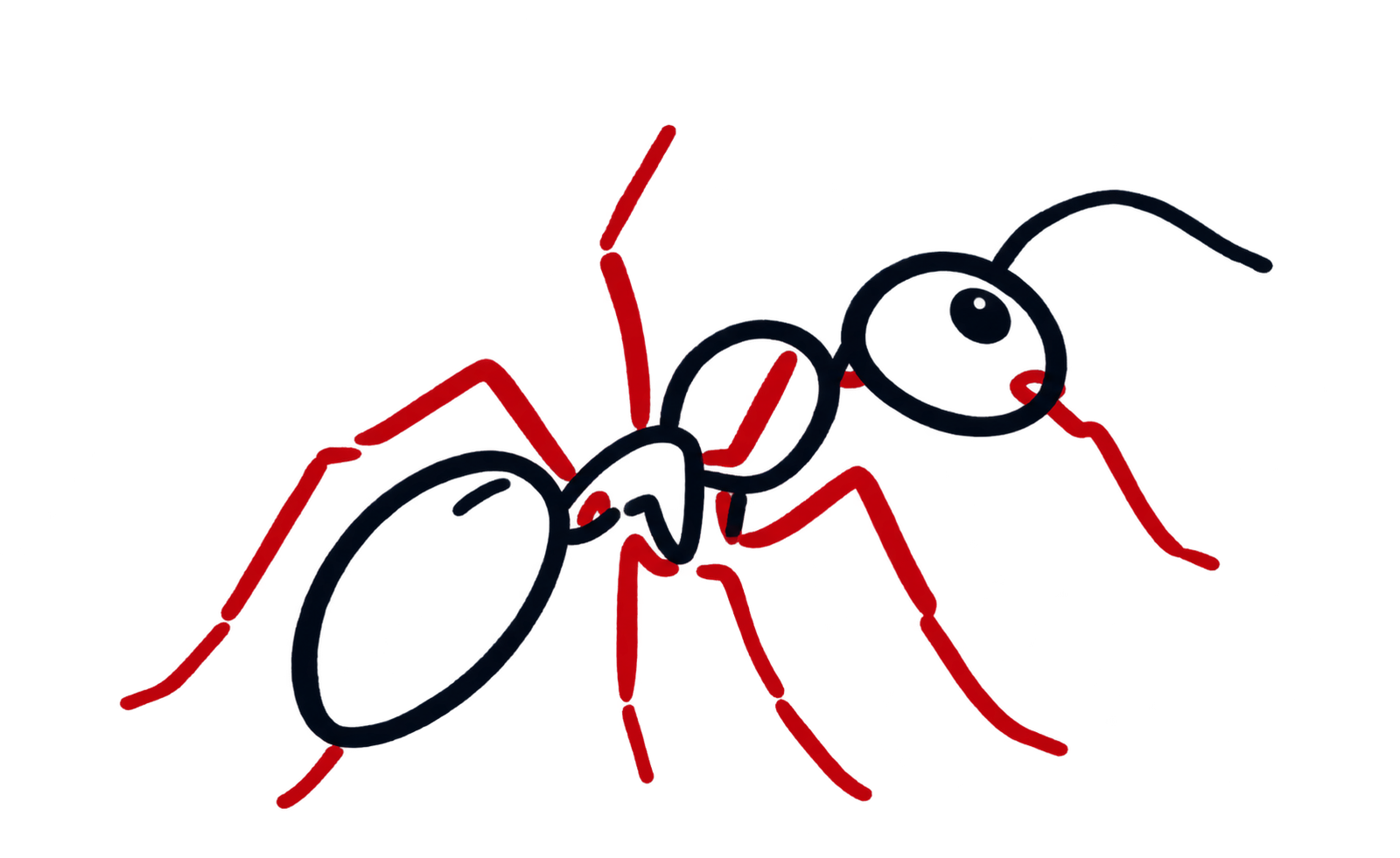
Ants
Trace ant trails, find entry points, and reduce activity.
Identify
Act
Prevent

Fleas
Check pets and your home for fleas, then explore control methods.
Identify
Act
Prevent

Moths
Spot pantry and clothes moths and learn what to do.
Identify
Act
Prevent

Flies & Gnats
Identify flies and gnats and find their breeding sites.
Identify
Act
Prevent

Termites
Spot termite signs and know when to request an inspection.
Identify
Act
Prevent

Wasps & Hornets
Recognize nests and learn how to stay safe.
Identify
Act
Prevent

Not sure what pest you’re dealing with?
Not sure which pest is in your home? Compare signs, bites, and hiding places to find the right guide.
FEATURED GUIDES

Wood roaches: identification, habitat, and indoor sightings
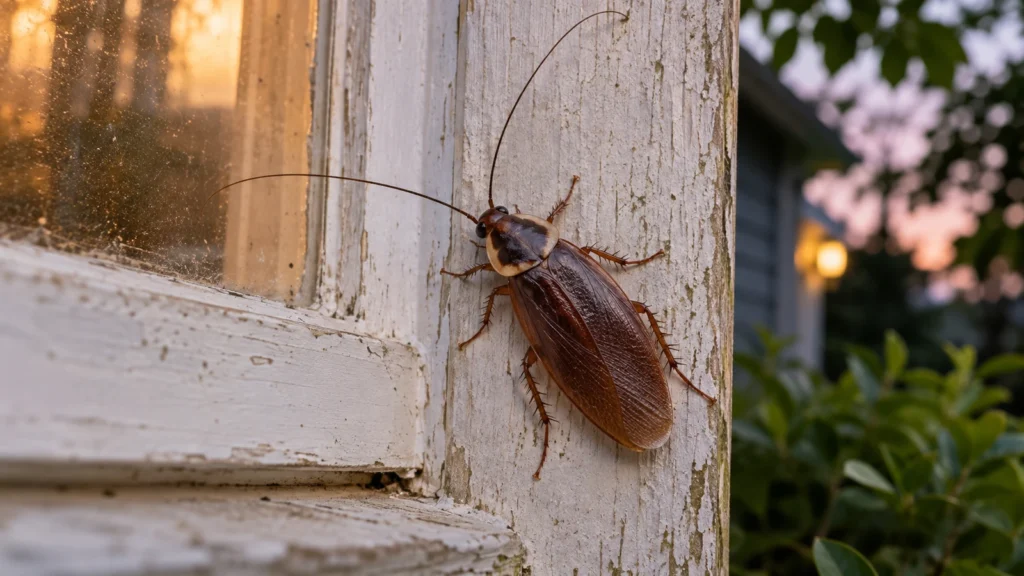
Wood Roach vs. Cockroach: Identification and Differences

White cockroach: why roaches turn white and what it means

Where do cockroaches come from? How they enter homes

Where do bed bugs hide? Room-by-room inspection

When is flea season? Regional patterns and indoor risk
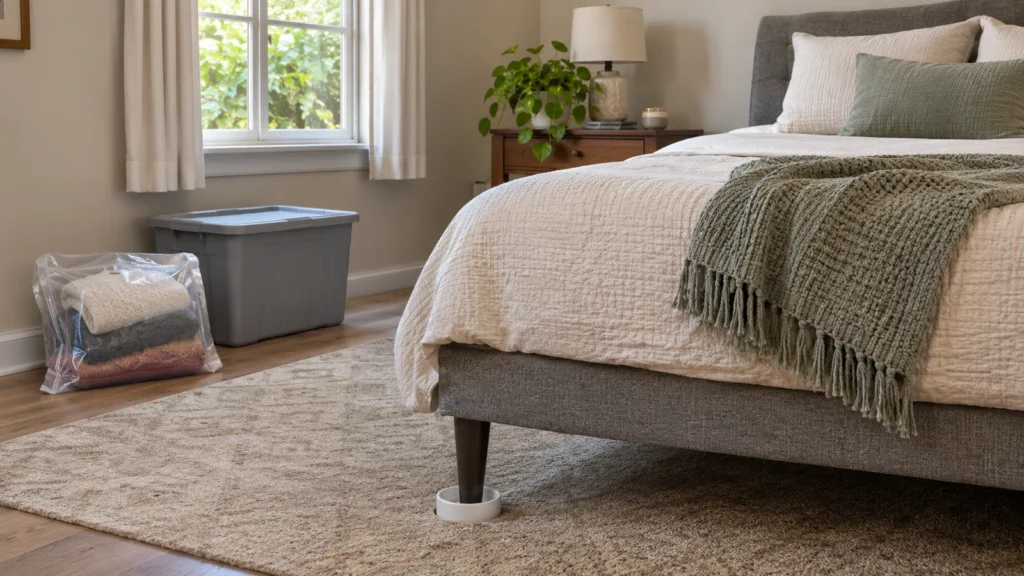
What to Do After Bed Bug Treatment: Care and Monitoring
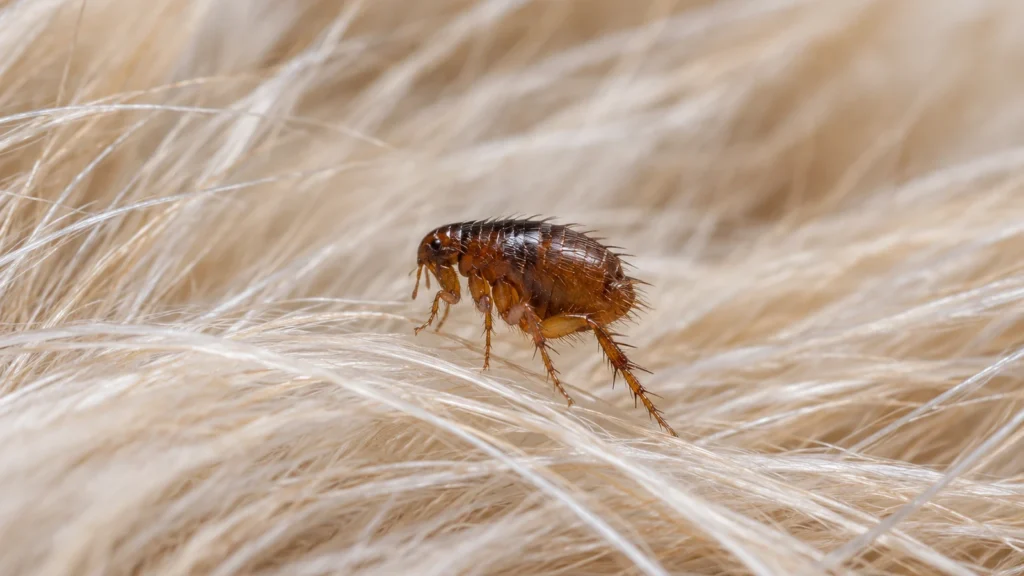
What do fleas look like? Size, color, and how to identify them

What do flea bites look like on humans?
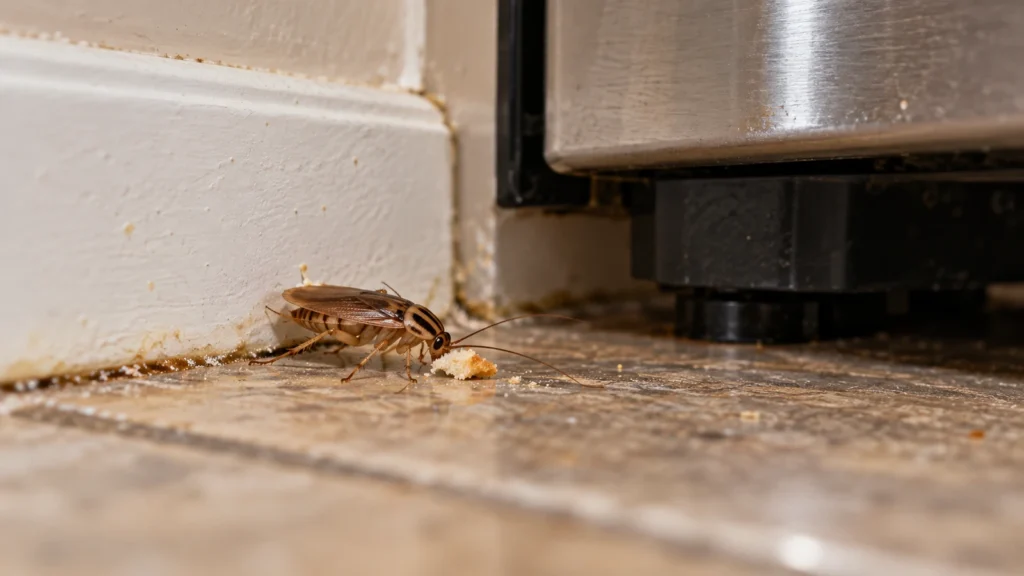
What do cockroaches eat? Food, water and survival

What do carpenter ants look like? Size, shape, and wings
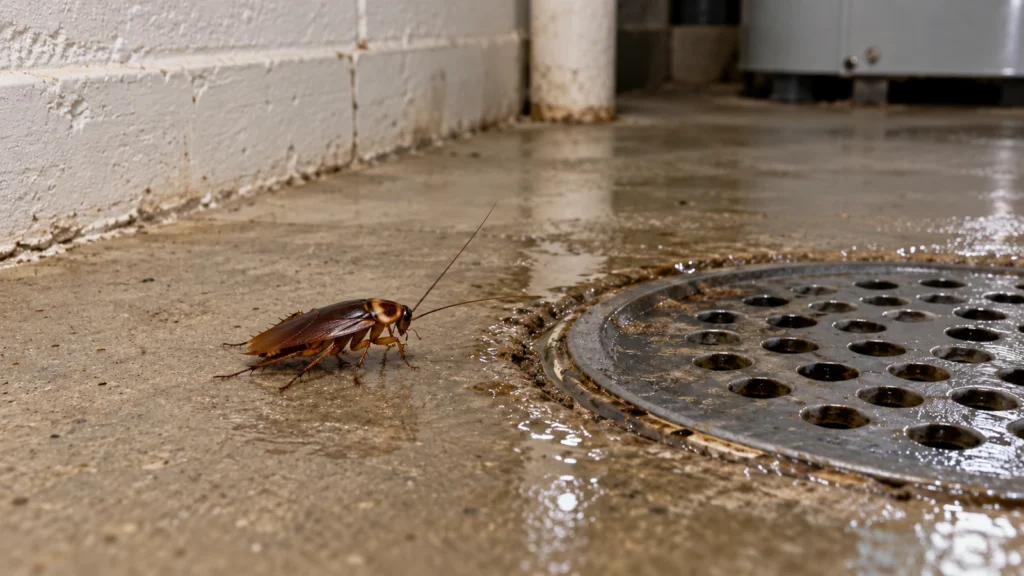
Water bug vs. cockroach: how to tell them apart

Types of cockroaches in the U.S.: identification guide

Types of Ants in the U.S.: Household Identification Guide

Tiny black bugs that jump: are they fleas?
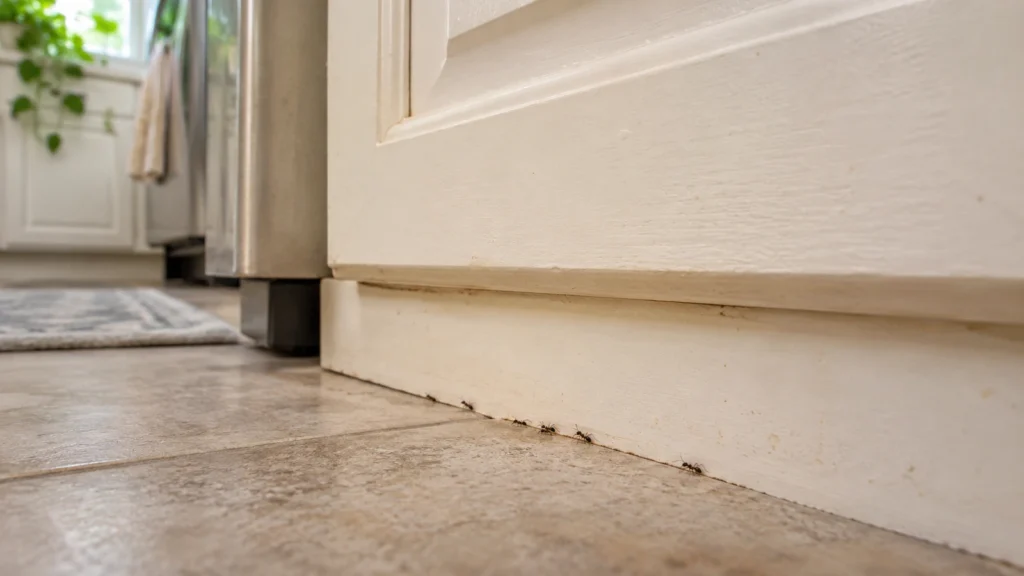
Tiny Ants in the House: Identification and First Checks