Identification
Tick or bed bug? How to identify the bug you found
Ticks and bed bugs may resemble small brown ovals, particularly after feeding. Compare body features and life stages, then use the specimen and nearby clues to choose the right next step.

You spot a small brown bug on your pillow. Maybe it came in on your clothes after a walk, or maybe it has been hiding near the bed. Finding it on the pillow won’t settle the question.
Before treating the room or dismissing it as a tick, look closely at the specimen. Its antennae, legs, body shape, and behavior tell you much more than an itchy mark or the place where you noticed it.
Spot the differences on the bug itself
An adult bed bug is a wingless insect with six legs, two antennae, and a broad, flattened abdomen marked by visible segments. Tick nymphs and adults have eight legs, no antennae, and a more compact body, with the legs attached toward the front. In a clear photo from above, these features are more useful than color.
Feeding changes the silhouette. A bed bug becomes thicker, darker, and more elongated after a blood meal. A female hard tick can swell dramatically as it feeds, sometimes looking like a rounded bead with legs clustered at one end. An unfed tick may also look flat, so thickness alone is not a reliable shortcut.

Identification in 30 Seconds
- Six legs, two antennae, and a visibly segmented abdomen: These features favor a bed bug.
- Eight legs and no antennae: This strongly favors a tick nymph or adult.
- Six legs but no antennae: It could be a larval tick. Leg count alone cannot settle this case.
- Firmly attached to skin: Treat it as a possible tick and remove it promptly rather than delaying for a perfect photo.
Size can mislead you, too. Adult bed bugs are commonly around 1/4 inch long (roughly 5 to 7 mm), while newly hatched nymphs may be close to 1/16 inch (about 1.5 mm). Tick size varies substantially with species, life stage, and feeding. Both animals crawl, and neither jumps or flies, so movement speed is rarely a useful distinction.
How to check a specimen or photograph
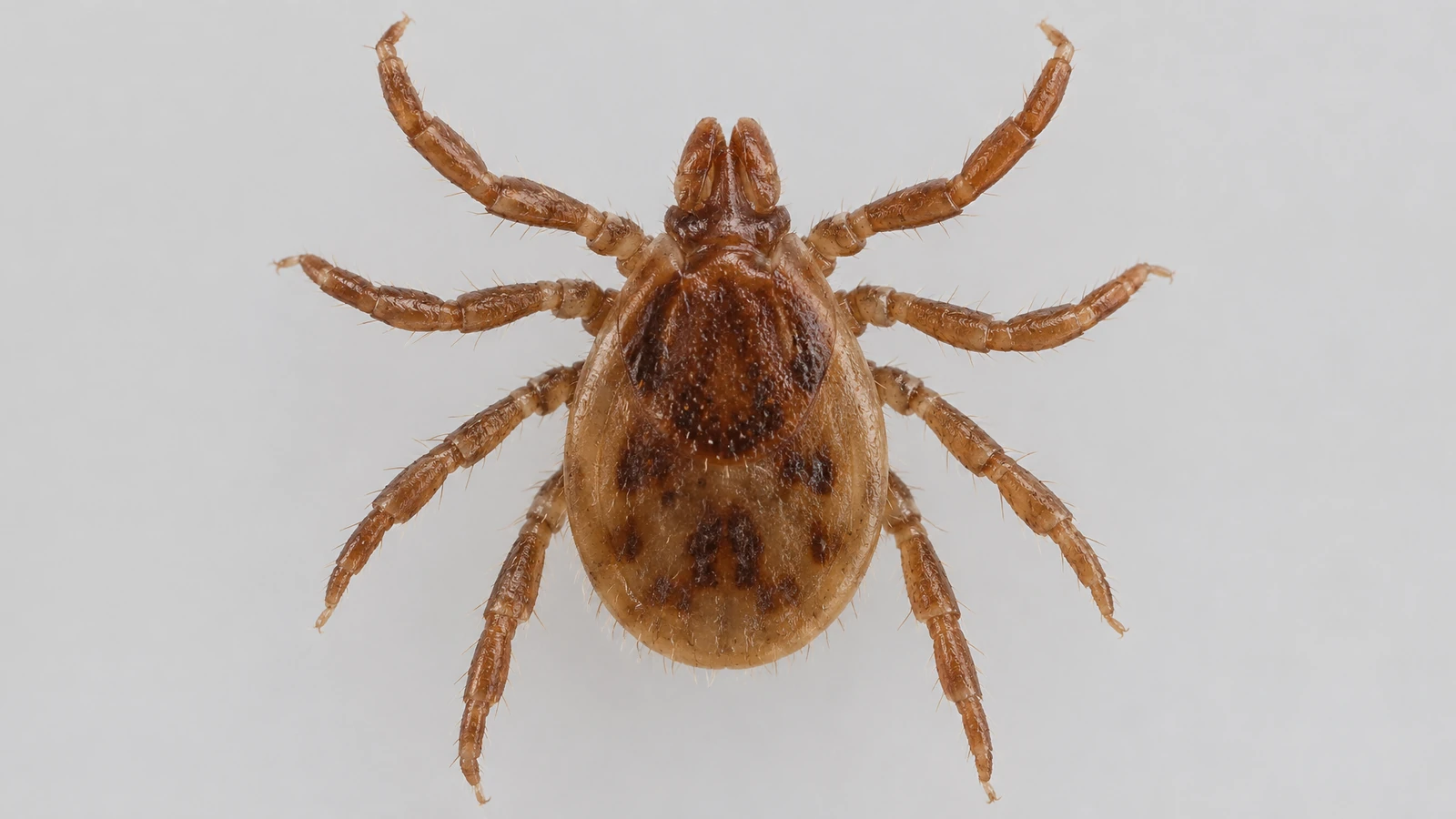
If the bug is loose, try to contain it intact in a small clear container rather than crushing it. Take a sharp photograph from directly above in good light. Include a ruler or another familiar object for scale if you can keep the specimen in focus. A second view showing the head and legs can be especially helpful.
Enlarge the image enough to examine the antennae and where the legs attach. Don’t simply count the dark tips sticking out from the body: folded legs can be hidden, and a larval tick genuinely has only six. If the photo remains unclear, preserving the specimen is often more useful than repeatedly enlarging a blurry image.
Next, consider where the bug was found. A tick can arrive on clothing or a pet and end up on a bed. Bed bugs generally stay close to protected resting places between blood meals. Neither location alone identifies the animal.
Check the immediate context:
- Attached to skin: Look for a firm attachment rather than an insect merely crawling on the surface. Remove a possible attached tick promptly, then identify it.
- On a mattress or bed frame: Examine seams, piping, and accessible headboard joints for dark fecal spotting, shed skins, or additional live insects.
- After outdoor activity or around a pet: Check clothing, skin, and the animal’s coat for other ticks, particularly after time in grass, brush, or wooded areas.
- Features that fit neither animal: Don’t force a choice. Compare the specimen with other bugs that look like bed bugs.
A photo taken after the bug was crushed may conceal precisely the features needed for identification. If an intact specimen is available, keep it sealed for closer examination.
Identification Mistakes
- Calling it a bed bug solely because you found it on the sheets.
- Ruling out ticks because you can see only six legs, without considering a larval tick or hidden legs.
- Using itchy welts, red spots, or their arrangement to identify the animal.
Key Clue
On a sharp specimen photo, the combination of visible antennae and leg attachment points is more informative than a swollen abdomen or a reddish-brown color.
What to Watch For
If a suspected tick is attached to your skin, do not postpone removal while trying to photograph or identify it. Remove it promptly, then examine or preserve the specimen afterward.
What the surrounding evidence can tell you
A tick that was firmly attached to skin provides a very different clue from a bug crawling across a blanket. Hard ticks can remain attached while feeding for hours or days. Bed bugs normally feed for minutes, then retreat to a hiding place.
For a possible bed bug, look for evidence around the sleeping area. Dark, ink-like fecal marks in mattress seams or bed-frame cracks, shed skins, and additional identifiable insects all strengthen the case for local bed bug activity. One isolated stain or a vaguely similar insect is less informative.
Finding a tick on bedding after hiking doesn’t automatically point to a bed bug problem. Likewise, spotting a brown oval insect near a dog doesn’t establish that it is a tick. Start with the specimen’s features, then use the setting to decide where to inspect.
Bite marks are a poor way to make this distinction. Skin reactions vary widely, and bites from different arthropods can resemble one another. Some people have little visible reaction at all. The actual specimen and physical evidence are the better basis for identification.
Use this comparison to weigh the features you can observe.
| Feature | Bed bug | Tick |
|---|---|---|
| Legs | Six legs in nymphs and adults | Eight in nymphs and adults; six in larvae |
| Antennae | Two visible antennae | No antennae |
| Body shape | Broad, flattened, with visible abdominal segments when unfed | Compact oval body, often with legs grouped toward the front |
| After feeding | Becomes plumper, longer, and darker | A feeding female hard tick can become dramatically swollen |
| Size | Adult commonly around 1/4 inch; young nymphs much smaller | Highly variable by species, stage, and feeding condition |
| Feeding behavior | Usually feeds briefly and leaves the host | Hard ticks can remain attached for extended feeding |
| Movement | Crawls; does not fly or jump | Crawls; does not fly or jump |
| Typical associated clues | Mattress seams, fecal marks, shed skins, and nearby hiding places | Outdoor exposure, pets, and attachment to skin; some ticks can also infest buildings |

How much does one finding establish?
An identifiable specimen can answer which animal you found. It doesn’t automatically tell you how many others are present. One confirmed bed bug deserves a focused check of the sleeping area, but it cannot establish the extent of an infestation by itself.
A single tick brought indoors after outdoor activity is different from finding ticks repeatedly around a dog’s resting area. Record where and when the specimens appear. Repeated sightings, additional catches, and supporting physical evidence help determine whether you are dealing with an isolated arrival or an ongoing problem.

If the specimen is clearly a bed bug and you also find fresh spotting or shed skins near the bed, there is stronger reason to suspect nearby activity. If identification remains uncertain, keep the specimen or clear photographs and ask a local Cooperative Extension office or qualified pest professional for help before choosing a treatment.
Good to Know
Most ticks people encounter indoors arrived from outside, often on clothing or animals. The brown dog tick is an important exception: it can complete its life cycle inside homes and kennels. Repeated ticks around dog bedding, baseboards, or walls warrant investigation as a possible indoor tick problem, rather than being mistaken for bed bugs.
Learn more: