How-To
How to get rid of bed bugs: a practical treatment plan
Confirmed bed bugs at home? Follow a practical sequence for preparing affected areas, combining suitable treatments, tracking results, and deciding when professional help is needed.
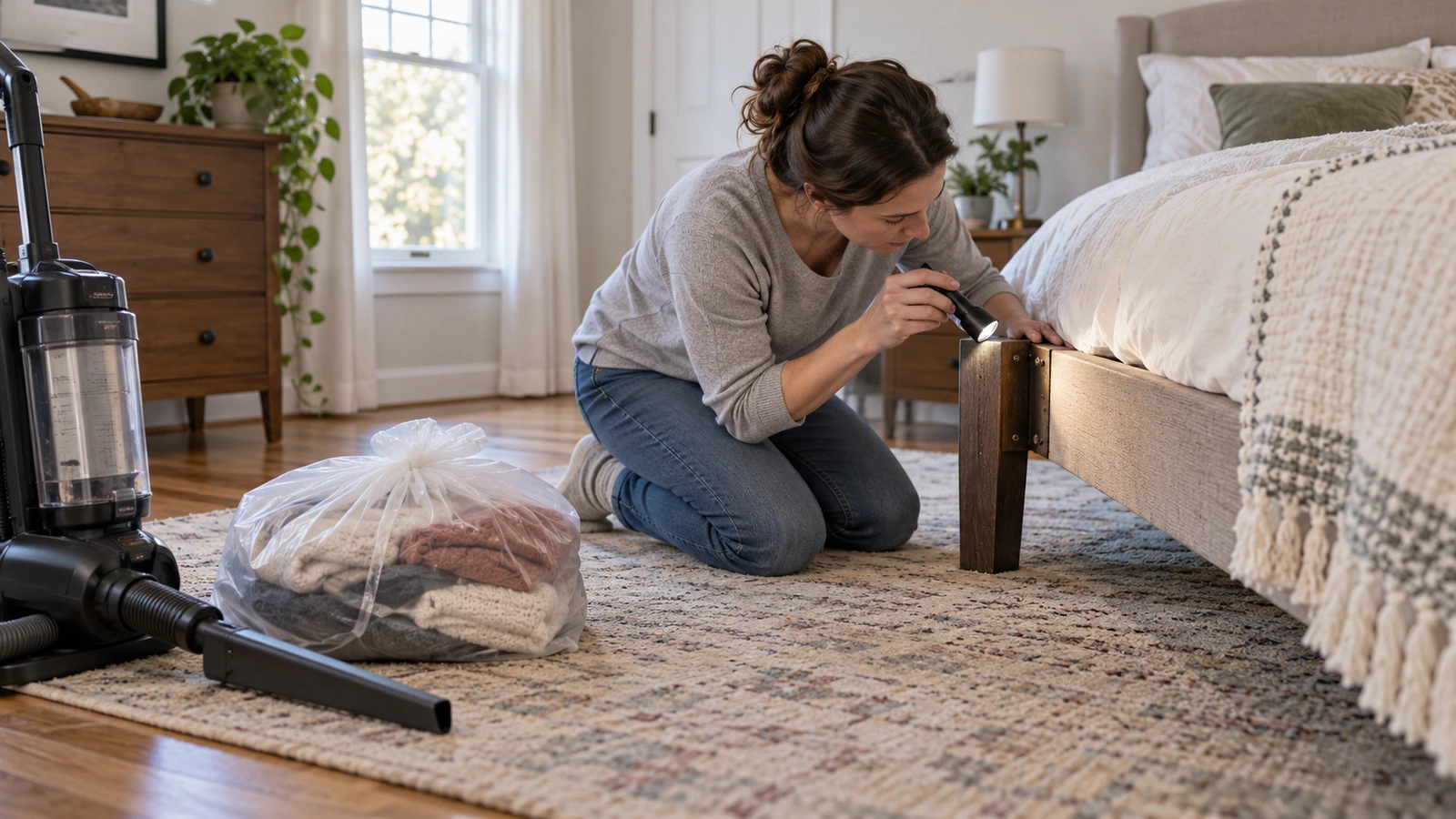
Once you’ve confirmed bed bugs, doing everything at once can backfire. Stripping the bed, carrying loose laundry across the house, throwing out furniture, and spraying every seam may feel decisive, but the order matters.
A workable treatment plan keeps potentially infested items contained, combines methods suited to different surfaces, and checks what happens after the first round. You can handle several parts yourself. The size and location of the problem will help determine when professional treatment makes more sense.
- Time Required: Multiple sessions, followed by ongoing monitoring. The total depends on the affected areas and treatment methods.
- Difficulty: Moderate to demanding, particularly when several rooms or upholstered items are involved.
- Equipment: Flashlight, vacuum with a crevice attachment, sealable bags, access to a clothes dryer for suitable items, and bed bug monitors or interceptors.
Prepare the Rooms Without Spreading Bed Bugs
Start by identifying where bed bugs have actually been found. Check the bed frame, headboard, mattress seams, nearby furniture, and any sofa or other area where people regularly rest. Note confirmed sightings and fresh evidence so you can distinguish affected areas from rooms that simply haven’t been checked yet.
You don’t need to empty the entire home into the hallway. Instead, prepare a manageable work area and a clear route for items that need treatment. If a new insect looks different from the bed bugs already identified, revisit the bed bug identification and signs overview before extending treatment on that basis.
Before starting:
- Record confirmed locations and check nearby sleeping or resting areas.
- Set aside sealable bags for potentially infested belongings and separate containers for items that have been treated.
- Gather the equipment you need before moving bedding, furniture, or clothing.
- Keep untreated belongings in their affected area until they can be safely contained or handled.
- If a pest-control company is involved, request its preparation instructions before moving furniture or emptying closets.
In an apartment building, notify building management about confirmed activity. Coordinated inspection or treatment may be necessary when bed bugs can move between units. Specific responsibilities depend on local rules and building arrangements.
Before You Start
Never attempt to heat an entire room with space heaters, propane heaters, a fireplace, or an elevated thermostat. Do not use rubbing alcohol, gasoline, or homemade chemical mixtures to kill bed bugs. If you use a pesticide, choose a product registered or otherwise legally permitted for its intended use, confirm that its label lists bed bugs and the intended application site, and follow every direction for application, exposure, children, and pets. Never apply pesticides to your skin.
Treat Bed Bugs in a Sequence You Can Maintain
Treating bed bugs works better as a coordinated series of tasks than as a single product choice. Begin with accessible places where activity is confirmed, using suitable tools without scattering potentially infested belongings around the home.
Physical removal, dryer heat, encasements, monitors, targeted products, and professional services have different functions. Keep track of which locations and items you have treated so unfinished areas don’t get mixed up with completed work.
Step 1: Contain Belongings Before Moving Them
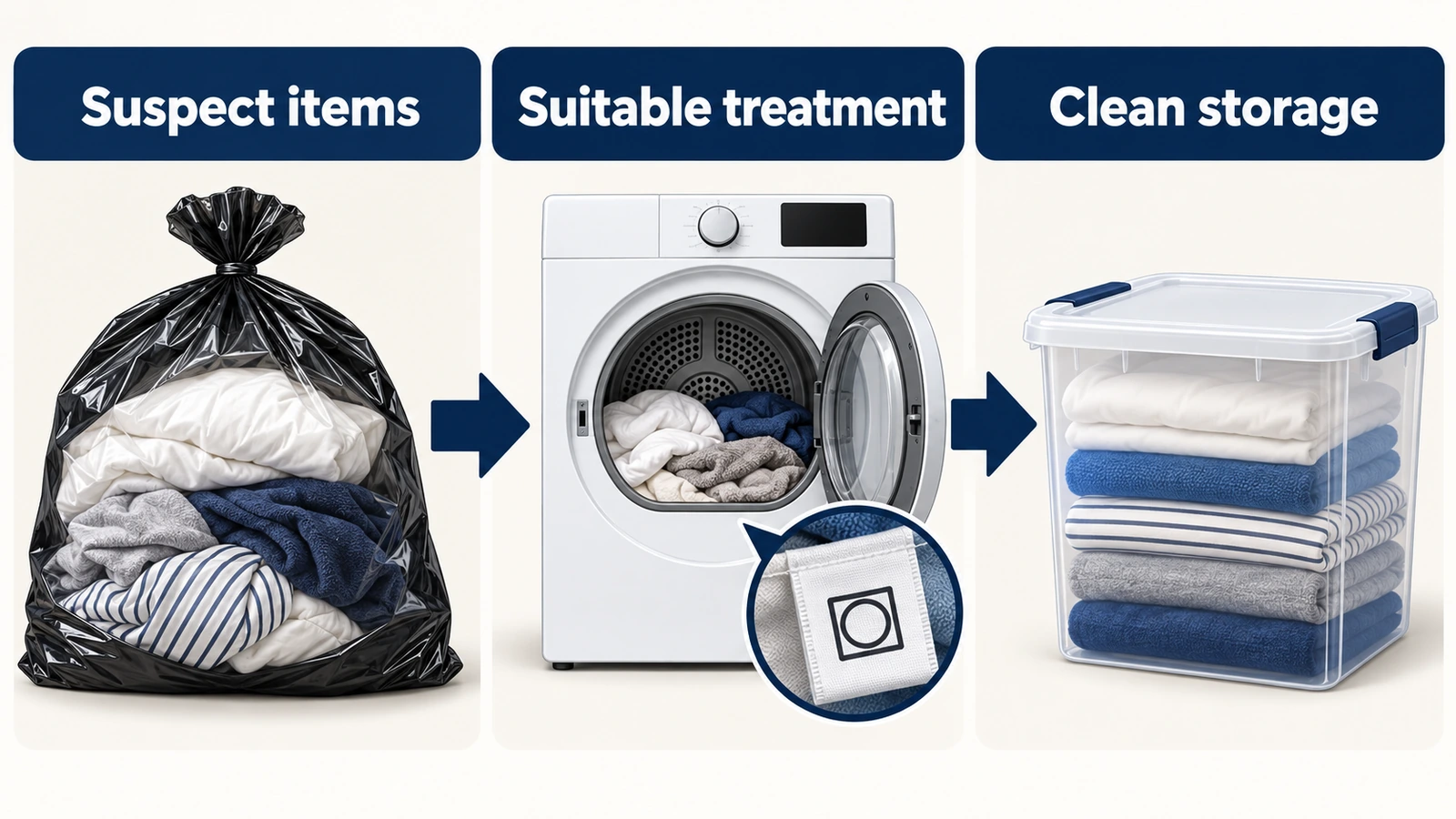
Place suspect bedding, clothing, and other movable fabrics in sealed bags before carrying them to the laundry area. Don’t shake bedding or carry uncovered laundry through other rooms. Label or otherwise distinguish bags that still contain untreated items.
Keep treated belongings separate from suspect belongings. A clean garment placed back into an infested hamper or opened bag may become exposed again. Work through manageable batches instead of moving everything at once.
Step 2: Vacuum Accessible Bugs and Hiding Areas
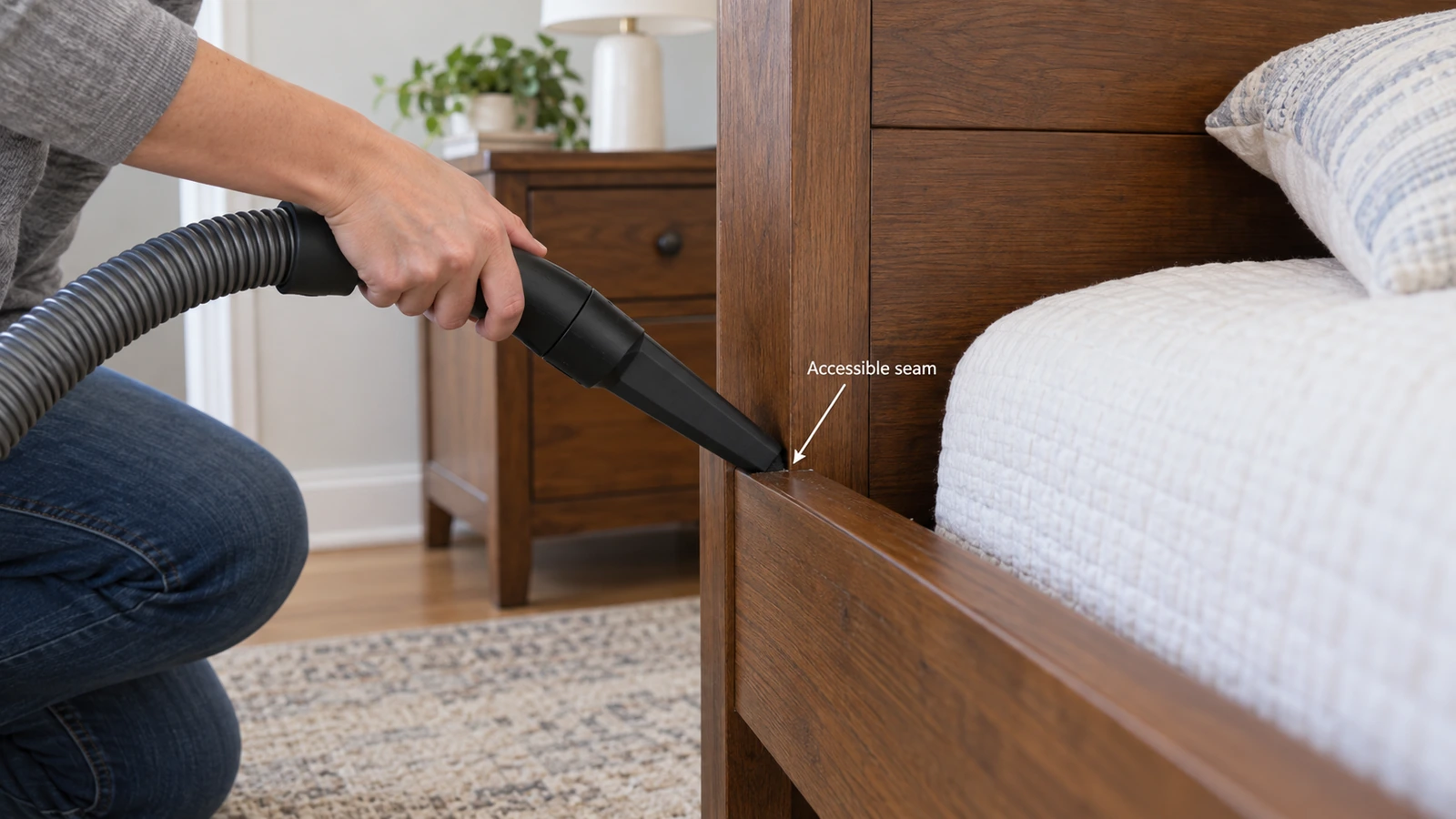
Use a vacuum with a crevice attachment around accessible mattress edges, bed frames, headboards, baseboards, and upholstered furniture where activity has been found. Pay particular attention to joints, folds, and sheltered edges rather than only the open floor.
Vacuuming physically removes many exposed bugs and some debris, but hidden insects and eggs may remain. Immediately contain the collected material in a sealed plastic bag and dispose of it in an outdoor trash container. Follow the vacuum manufacturer’s instructions for handling its bag or canister.
Keep vacuum tools away from unsafe electrical areas, and avoid disassembling fixtures or heavy furniture beyond what you can handle safely.
Step 3: Use Dryer Heat for Compatible Bedding and Clothing
For dryer-safe clothes, sheets, and similar fabrics, a household dryer on high heat for 30 minutes can kill bed bugs and their eggs. Make sure the load can tumble properly, and follow the item’s care instructions. Washing alone is not a reliable substitute for adequate heat exposure.
Move suspect laundry in sealed bags. After heat treatment, place the items in fresh, clean bags or containers until you can return them without exposing them to untreated belongings.
Delicate fabrics, shoes, bags, and other items may need a different approach. For the handling and treatment of individual garments, see checking and treating clothing exposed to bed bugs.
Step 4: Make the Bed Easier to Protect and Monitor
After checking and addressing accessible activity on the bed, consider a properly fitted, bed-bug-proof zippered encasement for the mattress and, when appropriate, the box spring. An intact encasement can trap bugs already inside and reduce hiding places, but it won’t eliminate bugs in the frame or elsewhere in the room.
Keep the bed away from the wall when practical, prevent bedding from touching the floor, and consider interceptors under suitable bed legs. Check that the bed and its supports are compatible with the monitoring devices.
Choose an encasement designed to remain closed and resist tears. The guide to bed bug mattress encasements explains the important differences between covers.
If your usual sleeping area is safe to use, avoid switching casually to an untreated sofa or another bedroom. That move can complicate monitoring and introduce bed bugs to another resting area.
Step 5: Address Remaining Hiding Spots With Suitable Methods
After removing accessible bugs and managing movable items, reassess the areas where bed bugs may still be sheltering. Bed frames, upholstered seams, furniture joints, and protected cracks often require more than ordinary surface cleaning.
Steam can be useful on certain suitable surfaces when equipment instructions, temperature, and application technique are appropriate. It is not suitable for every material or electrical area. A qualified technician may be preferable for complicated furniture or inaccessible sites.
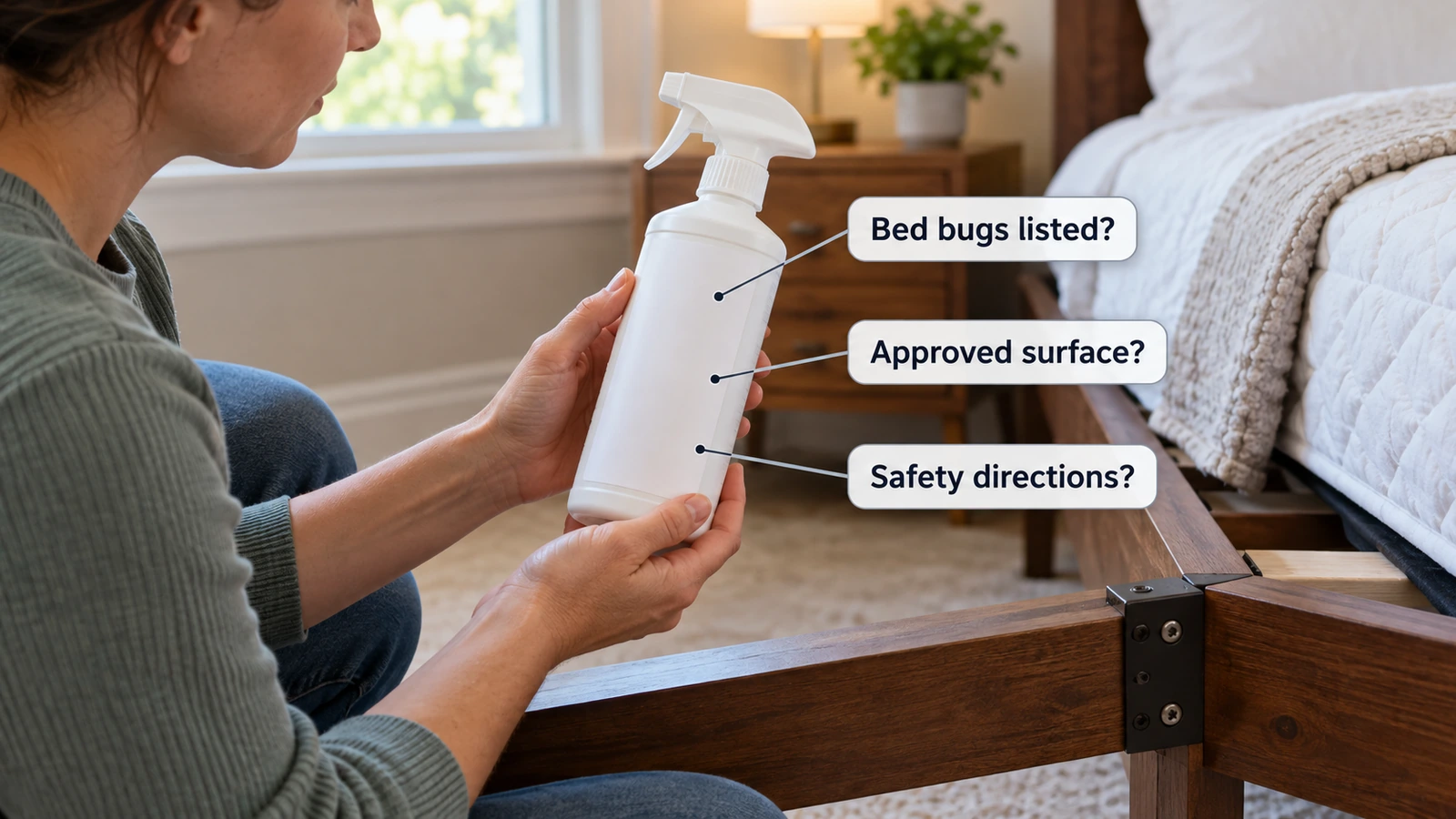
Where chemical treatment is needed, use an appropriately registered product labeled for bed bugs and the exact location being treated. Follow the label’s preparation, application, re-entry, and retreatment restrictions. Don’t assume that a product approved for one furniture surface can be applied to bedding or every other surface. The guide to bed bug sprays covers selection and limitations in more detail.
Professional whole-room heat treatment is a separate option, requiring controlled equipment and preparation. It should not be imitated with household heaters. See professional heat treatment for bed bugs for its preparation and follow-up considerations.
Step 6: Cover Every Confirmed Activity Area
If bed bugs have been found on a bedroom mattress and a living room sofa, addressing only the mattress leaves part of the problem untouched. Use your location notes to make sure each confirmed area has an appropriate plan.
Check nearby resting areas when the evidence warrants it, but don’t treat every object indiscriminately. The purpose is to reach known or plausible harborages with compatible methods while avoiding unnecessary chemical exposure or disruption.
In multiunit housing, coordinate with management or the pest-control provider when activity may involve adjoining units. Keep a record of the affected areas, the measures used, and any instructions for returning items or entering treated spaces.
Mistakes That Can Undermine Treatment
Many setbacks happen between individual tasks. Treated and untreated belongings get mixed, another resting area is overlooked, or someone starts applying a product to surfaces its label does not permit.
When using a pesticide, read the complete label rather than relying on the product name or general advertising. Pay attention to the surfaces allowed, any protective equipment, and when occupants or pets may return. For steam treatments, follow the equipment instructions and avoid heat-sensitive materials and electrical components.
Other mistakes worth avoiding include:
- Carrying loose bedding or furniture into a room that was previously unaffected.
- Returning heat-treated clothing to the same uncleaned hamper or bag.
- Moving to another sleeping area without considering the risk of spreading activity.
- Throwing away a mattress that could be treated or encased, especially without safely containing it for disposal.
- Relying on bug bombs, indiscriminate spraying, or a single cleaned surface instead of a coordinated plan.
Removing furniture is not automatically necessary. If something genuinely cannot be treated or safely retained, arrange responsible disposal so other people don’t unknowingly bring an infested item home.
How to Tell Whether Treatment Is Working
Check the same locations after the initial work and compare what you find with your earlier notes. Look for confirmed live bugs, new fecal spotting, and captures in properly placed interceptors or other bed bug monitors. Record dates and locations so changes are easier to interpret.
A reduction in fresh evidence across repeated checks is encouraging. A single bite-free night, however, is a poor measure of success because reactions vary between people and can be delayed. Likewise, one empty monitor may have missed bugs elsewhere.
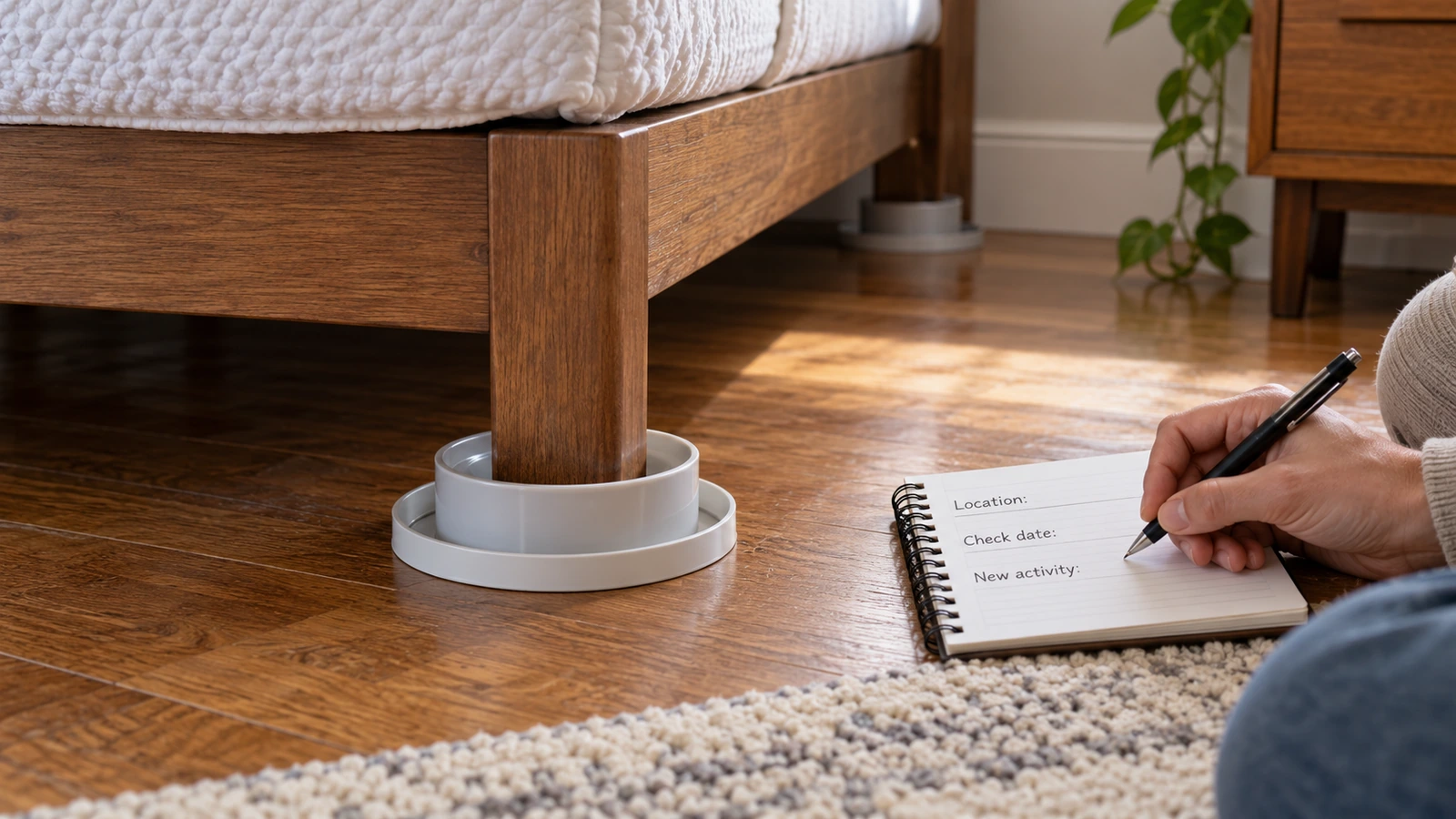
If you find a live bed bug after treatment, record where and when it appeared. Surviving insects, newly hatched nymphs, missed hiding places, and movement from another area can produce different patterns. Use the new evidence to decide which location needs reassessment rather than immediately repeating every treatment.
Keep monitoring methods and locations reasonably consistent so the observations remain comparable. Follow any inspection or retreatment instructions specified by a product label or pest-control provider.
What to Change if Bed Bugs Keep Appearing
When activity continues, identify what is still being missed before buying another product or repeating the same application. Recheck the headboard, bed frame, nearby upholstered furniture, belongings that were returned to the room, and any adjacent resting areas supported by the evidence.
If one area seems quiet while another develops fresh signs, review how items have moved between them. If treatment was carried out professionally, send the provider dated photographs and a clear record of new findings.
Pesticides have application and retreatment limits. Do not increase doses or repeat treatments more frequently than the label allows. Some surviving activity may require an additional treatment at an appropriate time; persistent failure may also indicate missed harborages or a method that does not fit the situation.
When Should You Call a Professional?
Consider a qualified, appropriately licensed pest-control professional when confirmed bed bugs are present in multiple rooms, important hiding areas cannot be accessed safely, or coordinated home measures have not brought activity under control.
Professional help also makes sense when heat treatment or specialized equipment is required, when occupants cannot safely manage the work, or when a multiunit building needs coordinated assessment.
Ask what areas the provider plans to inspect and treat, what residents must prepare, which methods will be used, when it is safe to re-enter, and how follow-up findings should be reported. A clear return-visit plan is more useful than a promise of instant elimination.
Use the problems below to decide what needs attention before your next treatment step.
| What is happening | What may explain it | What to do next |
|---|---|---|
| Live bed bugs are still found near the bed | Surviving bugs, hatching eggs, or untreated nearby harborages | Record the location, recheck the frame and surrounding sites, and follow the appropriate retreatment instructions |
| Bugs appear on previously treated clothing | Clean items were exposed again during storage or handling | Review bagging and storage, then reassess the affected items |
| New activity appears in another room | The affected area may be broader, or belongings may have carried bugs | Document the new location and extend the assessment; coordinate with building management when relevant |
| Repeated spraying produces little improvement | Hidden sites, unsuitable application, or reduced pesticide effectiveness may be involved | Review the actual treatment method and label; consider professional reassessment rather than increasing exposure |
| Bites continue but no bugs are found | Skin reactions may be delayed or unrelated, or monitoring may be missing activity | Check monitor placement and look for fresh physical evidence before changing treatment |
Follow Through After the First Treatment
Keep treated fabrics separate from items that still need attention. Maintain suitable encasements and monitoring devices according to their instructions, and make sure everyone sharing the home knows which belongings have been cleared and which have not.
If a professional treated the home, coordinate post-treatment follow-up with their written plan. Report new evidence between visits, especially if it appears in an area that had become quiet. Continue comparing observations rather than assuming that the first treatment, or one quiet night afterward, marks the end of the problem.
Explore this topic further: