Comparison
Bed bug mattress encasements: how to choose the right cover
A proper bed bug mattress encasement can contain insects already in a mattress and simplify inspections, but the fit, fabric, and zipper determine whether it performs that job. Compare the options before buying.
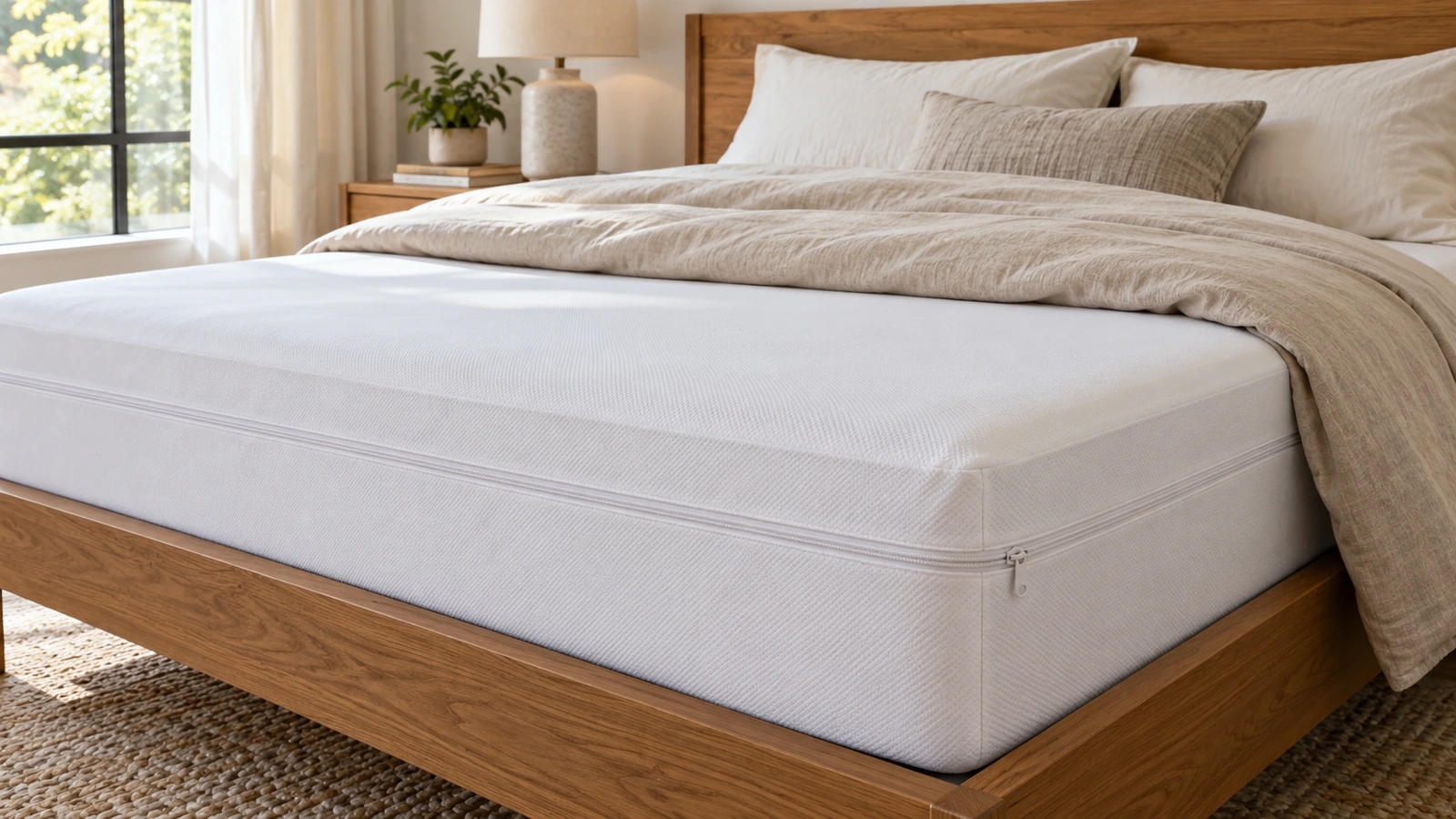
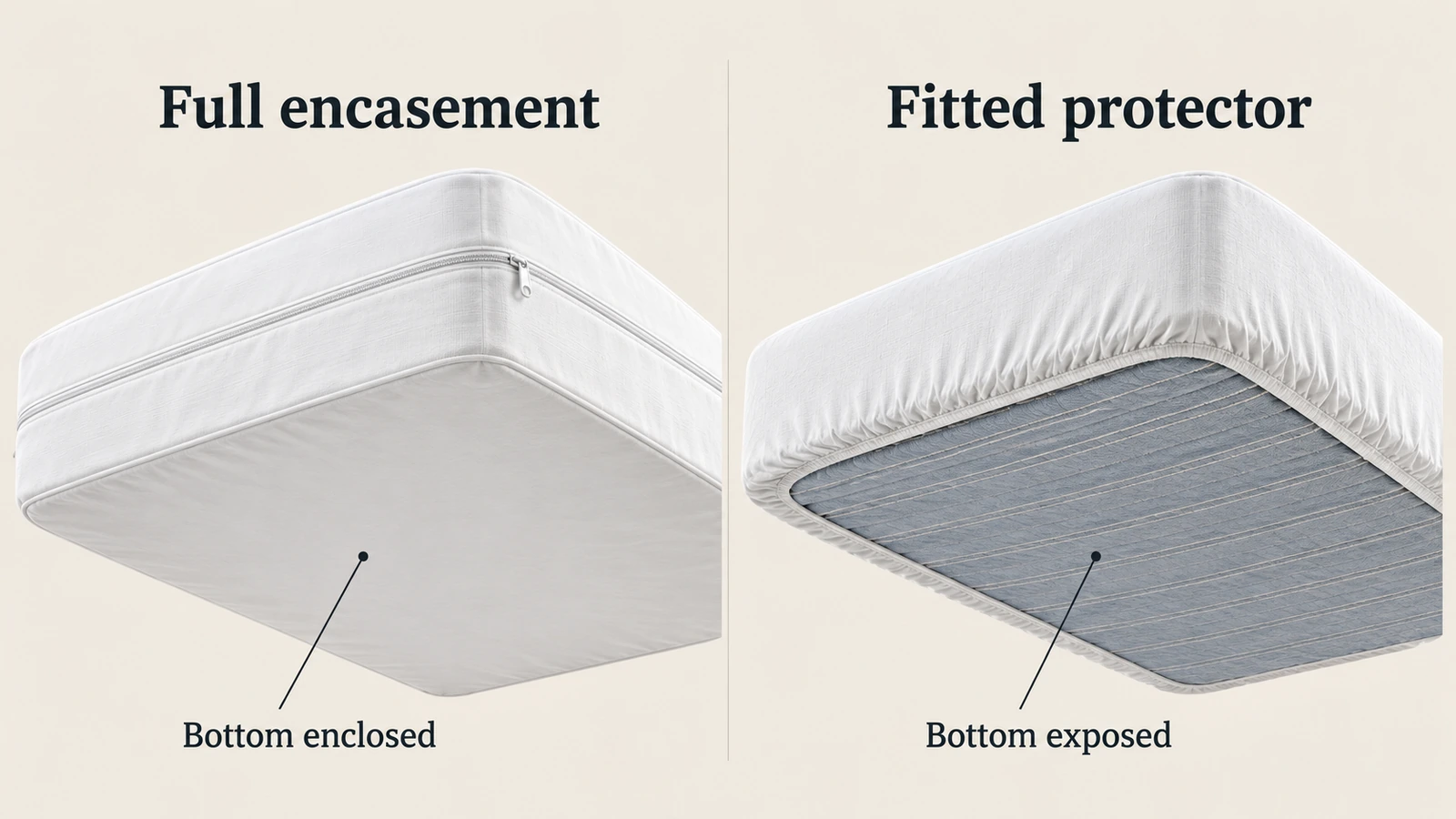
Shopping for a “bed bug cover” can bring up products that look nearly identical but do very different jobs. A fitted waterproof protector covers the sleeping surface; a properly sealed mattress encasement surrounds the entire mattress and can trap bed bugs already inside.
The right choice depends on more than a label. If bed bugs are not yet confirmed, inspect the mattress for bed bug signs before treating a cover as the solution. If they are present, the goal is to choose a barrier that fits, stays sealed, and supports the rest of your control efforts.
What to Check Before You Choose an Encasement
The zipper is the first place to look. A suitable encasement must close completely, including at the zipper’s end-stop, without leaving a gap large enough for a bed bug to pass through. Look for a protective closure design and manufacturer information about testing the fabric, seams, and zipper. A “bed bug-proof” marketing claim without a description of what was tested is less convincing than a documented exclusion or penetration test.
Fit is just as important. Measure the bare mattress’s width, length, and depth in inches, not just its advertised size. U.S. labels such as Twin, Twin XL, Queen, King, and California King refer to different dimensions, and depth ranges vary by product. For example, a 12-inch-deep mattress needs a cover whose stated depth range includes 12 inches. A cover that is stretched too tightly may tear; one that hangs loosely can create folds where insects hide.

Beyond the seal and measurements, compare these everyday features:
- Fabric durability: Look for tear-resistant construction that tolerates normal movement and contact with the bed frame. Stretchable fabric may be easier to fit and less prone to ripping than stiff vinyl, although sharp corners can damage either.
- Color and inspectability: White or light-colored covers make dark fecal spotting and moving insects easier to notice. A smooth, well-fitted surface is also easier to check than loose folds.
- Comfort and care: Fabric feel, noise, breathability, and washability matter when a cover will stay on the bed for months. Waterproofing can be useful for spills, but it is not evidence of bed bug protection.
A higher price, an antimicrobial claim, or an extra waterproof layer does not compensate for an unreliable closure.
Here is how the main configurations compare by purpose rather than brand:
| Cover type | Best suited to | What it provides | Main buying check |
|---|---|---|---|
| Bed bug-specific six-sided mattress encasement | Containing bugs in a mattress or protecting a clean one | Full mattress enclosure when properly sealed | Bed bug testing, zipper end-stop, fit, and tear resistance |
| General six-sided allergy encasement | Allergy protection; bed bug use only if supported by product evidence | Full coverage, but bed bug exclusion may be unverified | Evidence for fabric, seam, and zipper protection |
| Fitted waterproof protector | Spills, stains, and a washable outer layer | Surface protection without full containment | Do not mistake it for a sealed encasement |
| Bed bug-specific box spring encasement | A bed with a separate box spring or upholstered foundation | Contains bugs in the foundation and reduces its hiding spaces | Correct foundation depth, zipper seal, and protection against abrasion |
What an Encasement Solves and What It Leaves Exposed
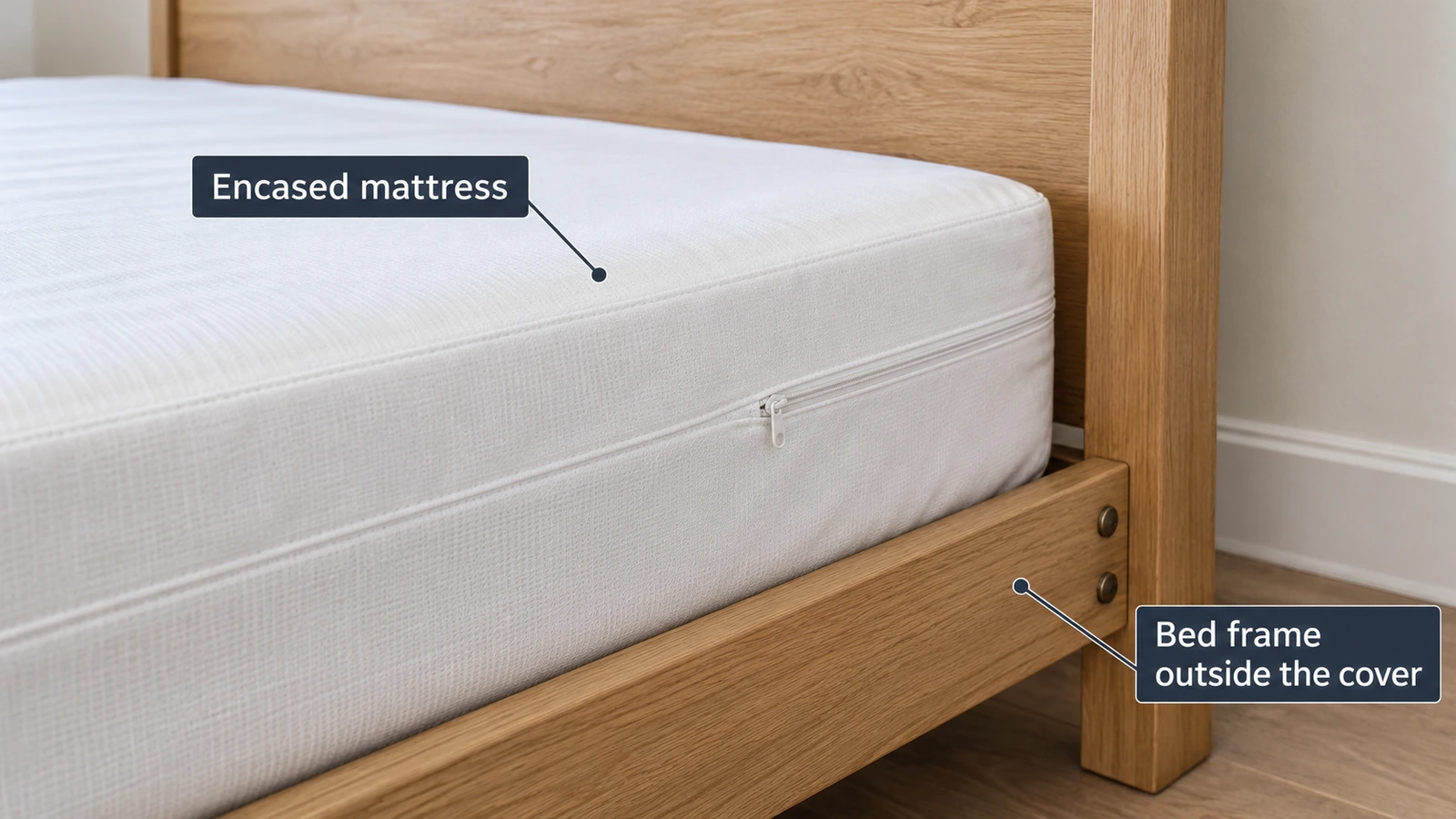
A properly sealed encasement traps bed bugs already inside the mattress or box spring, preventing them from leaving to feed. Over time, the enclosed insects die without access to a host. It also eliminates access to many of the original mattress seams, piping, and folds that are difficult to inspect.
That is a meaningful benefit, especially when a usable mattress would otherwise be discarded. But the cover acts on the item it encloses, not the whole bedroom. Bed bugs can still live in the bed frame, headboard, nearby furniture, and other hiding places. An encasement is one tool within a complete bed bug elimination plan, not a stand-alone room treatment.
There is also a durability trade-off. Once the cover is used for containment, opening it prematurely can release surviving insects. It needs to remain closed for an extended period, and its exposed surfaces and closure must be checked for damage. A washable fitted protector placed over the encasement can make routine bed maintenance easier without opening the containment layer.
An insecticide-treated cover is not necessary to obtain the physical containment benefit. Do not let a pesticide or antimicrobial claim distract from the more important questions of sealing, strength, and fit.
Choose the Seal First
For bed bug containment, prioritize a complete, documented barrier that fits your mattress and can remain intact. Extra comfort or waterproof features are secondary once those requirements are met.
What to Watch For
Finding a live bed bug on the outside of an intact encasement does not automatically indicate that trapped bugs escaped. The insect may have come from the frame or another hiding place. Inspect the surrounding bed area as well as the cover itself.
Which Encasement Makes Sense for Your Bed?
Match the cover to the situation
- You have confirmed bed bug activity and want to keep the mattress. Choose a bed bug-specific six-sided encasement with a reliable, documented seal. If you also have a box spring, assess it separately and use a properly sized box spring encasement when needed. The covers support control but do not replace work elsewhere in the room.
- You have a new mattress and no confirmed infestation. A quality encasement can reduce accessible hiding places and make future inspection easier. It is an optional protective measure, not a guarantee that bed bugs cannot enter your home.
- You have a thick pillow-top, split bed, or adjustable setup. Check the actual width, length, and depth of every mattress or foundation, plus the manufacturer’s compatibility instructions. A cover intended for a standard Queen or King may not fit a different length or extra-deep configuration properly.
If the budget is limited, avoid spending it on a fitted protector sold with vague pest-control language when the job requires containment. The priority is a cover that seals correctly, not the longest list of features.
The Useful Combination: Encasement and Monitoring
The encasement addresses the mattress itself by containing insects inside and reducing available hiding places. It cannot tell you whether bed bugs are still moving through the room.
Bed bug traps and interceptors serve a different purpose. Appropriate devices placed at the bed legs can help detect ongoing movement from elsewhere. Used together, enclosure and monitoring give you better information than either tool alone, while neither replaces the other control work an active infestation may require.
Mistakes That Can Undo a Good Encasement
Even a well-designed cover depends on correct installation and maintenance. Avoid these common problems:
- Sealing the bed without first checking accessible areas. Inspect and remove visible bed bugs and debris from the mattress and box spring as appropriate, and examine the frame for damage points that could puncture the cover. If professional treatment is planned, coordinate installation timing with the treatment instructions.
- Dragging or forcing the encased mattress into place. Having another person help lift it can prevent damage. Align the seams, avoid scraping the cover over sharp bed-frame edges, close the zipper completely, and secure its end closure exactly as the product directs.
- Removing the encasement like an ordinary washable sheet. When it is containing bed bugs, keep it sealed for at least one year. Wash the bedding and any separate outer protector instead. Inspect the installed cover regularly for wear, especially at the corners, seams, and zipper.
If you find a hole or damaged closure, follow the manufacturer’s repair or replacement instructions promptly. An opening that allows bed bugs through defeats the reason for using the encasement.
Explore this topic further: