How-To
What to do after bed bug treatment: a follow-up checklist
Use this after-treatment checklist to organize safe reentry, keep cleaned belongings separate, protect treated surfaces, and track evidence for your next inspection.

The treatment is finished, but your dresser is still empty, clean laundry is in bags, and you have found another bug near the bed. Should you unpack, vacuum, or call the technician?
The next steps depend on what was actually treated. Heat, residual insecticides, and combined treatments leave different cleaning and reentry requirements. The goal now is to protect the work already done, avoid moving bed bugs between areas, and collect useful evidence before the next inspection.
- Difficulty: Moderate; mainly sorting belongings, following cleaning restrictions, and checking for new activity.
- Equipment: Treatment instructions, sealable bags or bins, a flashlight or camera, and any interceptors already in use.
Check your treatment instructions before changing the room
Start with the instructions from the pest control provider. If you were given only a verbal explanation, ask for the details in writing. You need to know what happened in each room, not just that the home was treated.
Confirm these four points:
- Reentry: When can people and pets safely return, and which rooms or surfaces have additional restrictions?
- Cleaning: Where can you vacuum, mop, or wipe surfaces? Were residual sprays or insecticidal dusts applied?
- Belongings: Which clothing, furniture, and stored items were treated, excluded, or left for later inspection?
- Follow-up: Is another inspection or treatment scheduled, and what evidence should you report beforehand?
A whole-room heat treatment may also include a separate insecticide application. If you are unsure which methods were used, clarify that before cleaning or unpacking.
Before You Start
Do not reenter treated areas until the provider’s instructions and any applicable pesticide label allow it, including required drying or ventilation. Keep children and pets out until the space is cleared for their return. If the reentry instructions are missing, contact the provider before using the treated room.
Put the room back in order without undoing treatment
Once reentry is permitted, work from belongings with a confirmed treatment status toward those that still need attention. You do not have to unpack every bag immediately.
The sequence below applies to most post-treatment situations, but the instructions for your specific rooms, surfaces, and follow-up visits take priority.

Step 1: Separate cleared and uncleared belongings
Keep items confirmed as treated or properly processed apart from those still awaiting inspection or treatment. An item that was heated, dried, or otherwise treated and then kept protected is different from an item that was simply placed inside a plastic bag.
Do not move loose, potentially infested belongings into another bedroom to make space. Keep uncertain items contained until the provider tells you how they should be handled.
Step 2: Bring back clean clothes in the right order
Once the room is safe to use, you can take clean clothing from protected storage for daily needs. Before refilling drawers or closets, confirm that those storage areas have been cleared and do not need to remain accessible for another treatment.
Keep the remaining clean items sealed if your plan calls for continued isolation. Clothes or fabrics that were never properly treated should not be mixed with them. Items removed before a heat treatment may still need separate handling, even when the room itself was heated.
For fabric-specific methods, use our guide to checking and treating clothes for bed bugs.
Step 3: Clean only the areas you are allowed to clean
If the treatment involved residual sprays or dusts, some deposits may need to remain undisturbed. Ask exactly which baseboards, cracks, furniture seams, or other areas must not be vacuumed or washed.
After a heat-only treatment, normal cleaning can often resume once the space is safe and cooled, provided no other treatment was applied and the provider has not given different instructions.
Where vacuuming is permitted, remove collected debris promptly. Seal the vacuum bag or canister contents in a plastic bag and dispose of them in an outdoor trash container.
Step 4: Keep the sleeping area ready for monitoring
When the bed is cleared for use, follow the provider’s directions for returning to your usual sleeping area. Keep any installed mattress encasements fully zipped and bed-leg interceptors correctly positioned.
Avoid carrying bedding from the treated bedroom to an untreated couch or spare room. Moving your sleeping location and belongings can make activity harder to track and may spread bed bugs.
If furniture was moved away from walls for treatment, confirm whether it should stay that way until the follow-up visit.
Step 5: Record what was already there
Before removing old debris from surfaces you are allowed to clean, photograph existing stains, shed skins, or dead insects where useful. Note their locations and the date.
This gives you a reference for later inspections. Otherwise, the same old mark may be mistaken for fresh evidence each time you check the room.

Protect treated areas while cleaning

There is no single rule such as "do not vacuum for two weeks" that applies to every bed bug treatment. Some pesticide deposits are meant to remain on specific surfaces, while routine cleaning elsewhere may be permitted after reentry. Scrubbing or vacuuming a treated crack or baseboard can remove material intended to keep working.
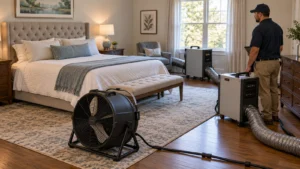
Heat itself leaves no residual insecticide. However, a company may combine heat with a spray or dust treatment, so do not assume every surface is ready for cleaning merely because heat was used. For details about the method and its checks, see our bed bug heat-treatment guide.
Three mistakes are particularly worth avoiding:
- Washing, scrubbing, or vacuuming treated cracks and surfaces before the provider has cleared them.
- Adding your own sprays, powders, foggers, alcohol, or improvised heating methods to "finish" the treatment.
- Opening unchecked bags or moving potentially infested furniture between rooms while trying to restore the home.
Cleaning is useful when it removes bed bugs and debris from approved areas. It becomes counterproductive when it removes a treatment deposit or spreads insects to another location.
Check new evidence, not just dead bugs
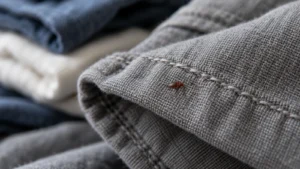
Finding dead bed bugs after treatment is consistent with some insects having been killed. It does not establish that all bed bugs or eggs are gone. Old shed skins and dark fecal marks can also remain after activity has stopped.
New live bed bugs deserve closer attention. After an insecticide treatment, surviving insects may still encounter treated surfaces, and eggs that were not killed may hatch later. How quickly the population declines depends on the treatment, the product, and whether the hiding places were reached.
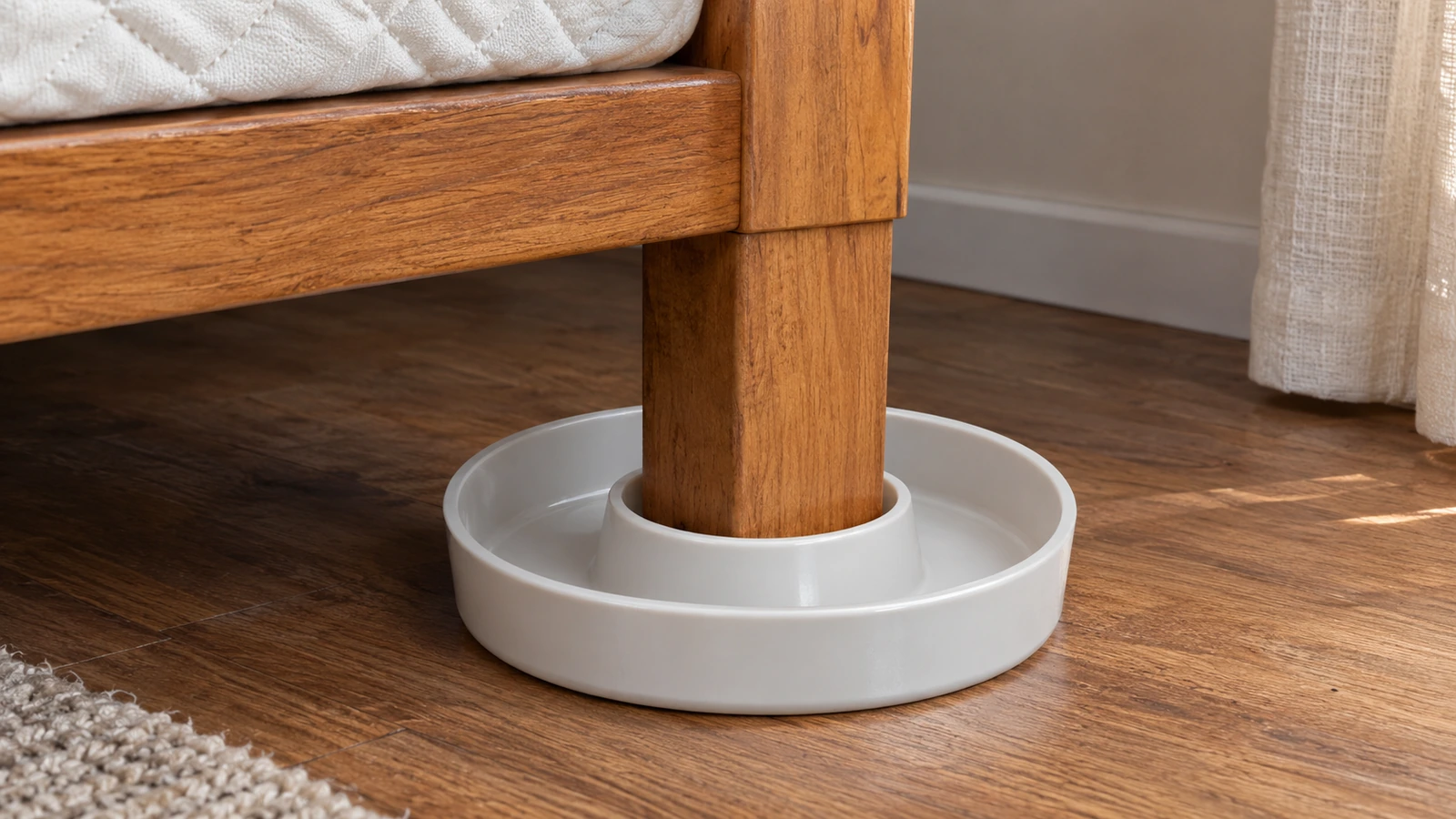
Keep checking the same areas: mattress seams where accessible, the bed frame, nearby furniture, and interceptors. Record the date, room, exact location, and whether a specimen was alive or dead. Photographs or a safely contained specimen are more useful than relying on memory.
If you find a dried or crushed insect that you cannot identify, compare it with our guide to dead or squished bed bugs.
A new itchy mark on your skin is less informative than confirmed physical evidence. Skin reactions can be delayed or caused by something else. Similarly, an empty interceptor on one check is encouraging but does not establish that the entire home is clear.
Expected Result
Over successive checks, you should see declining or absent confirmed live activity, followed by a reinspection that finds no continuing evidence. The treatment plan and its follow-up findings determine when the problem can reasonably be considered controlled, not a single quiet night or a pile of dead bugs.
What to do if new bugs appear
There is no universal number of hours or days after treatment by which every bed bug must be dead. Insecticide products differ in how they work, and some eggs may survive an initial application. A live specimen shortly after a spray treatment is therefore not an automatic verdict that the service failed. It is still worth reporting.
A live bed bug after a completed whole-room heat treatment also warrants attention. Possible explanations include an area that did not receive sufficient heat, belongings excluded from treatment, activity from an adjacent space, or a later introduction. The provider needs the location and timing to investigate rather than guessing at the cause.
When Should You Call a Professional?
If you hired a pest control company, contact that same provider when you find confirmed live bed bugs after treatment, particularly if captures continue, increase, or appear in new rooms. Send the dated evidence instead of waiting silently for the next appointment.
If you handled the initial treatment yourself and live activity persists, a qualified bed bug professional may be needed to assess inaccessible hiding places and the effectiveness of the methods used. Avoid repeatedly adding products without a plan.
Use the observed problem to choose the most useful next correction:
| What you notice | What to check | Next action |
|---|---|---|
| You are unsure when to vacuum | Whether a residual spray or dust was applied to that specific area | Leave it undisturbed and request a surface-specific cleaning instruction |
| Clothes were returned before their status was confirmed | Whether they were actually treated or merely bagged | Separate them from cleared items and ask how they should be processed |
| A live bed bug appears after treatment | Date, exact location, treatment method, and whether other specimens were found | Save a photo or specimen and report it to the provider |
| New captures appear in another room | Movement of belongings, nearby resting areas, or possible activity in adjoining spaces | Document the location and request an expanded inspection |
| You have new skin marks but no confirmed insects | Monitoring results and any new physical evidence | Continue focused checks rather than deciding on retreatment from skin reactions alone |
Keep monitoring until the follow-up is complete
Follow the inspection schedule supplied with your treatment. If none was provided, ask for one. Checking interceptors and familiar hiding places about once a week is a useful monitoring baseline, with additional checks when fresh evidence appears. Your provider may recommend a different frequency.
For each review, keep a short record of the date, room, new live captures, and any fresh physical signs. Preserve useful photographs and share relevant changes before the next appointment. You do not need an elaborate tracking system; consistent observations in the same locations are more useful.
At the reinspection, ask whether the findings call for another treatment, closer inspection of previously inaccessible areas, or continued monitoring. Insecticide-based programs may need further visits because some eggs survive an initial treatment. Heat-only and combined approaches can require different follow-up decisions.
Once the provider has completed the agreed plan and repeated checks show no fresh evidence, return gradually to normal storage and cleaning. Keep any recommended monitors in place for the period specified in your aftercare instructions.
Explore this topic further:
Compare bed bug traps and interceptors for ongoing monitoring