Guide
10 types of cockroaches in the U.S. and how to tell them apart
Not every roach found inside is an indoor pest. Compare 10 U.S. cockroach types by their markings, adult size, wings, and usual habitat, then use where you found one to decide which species guide or next check fits.

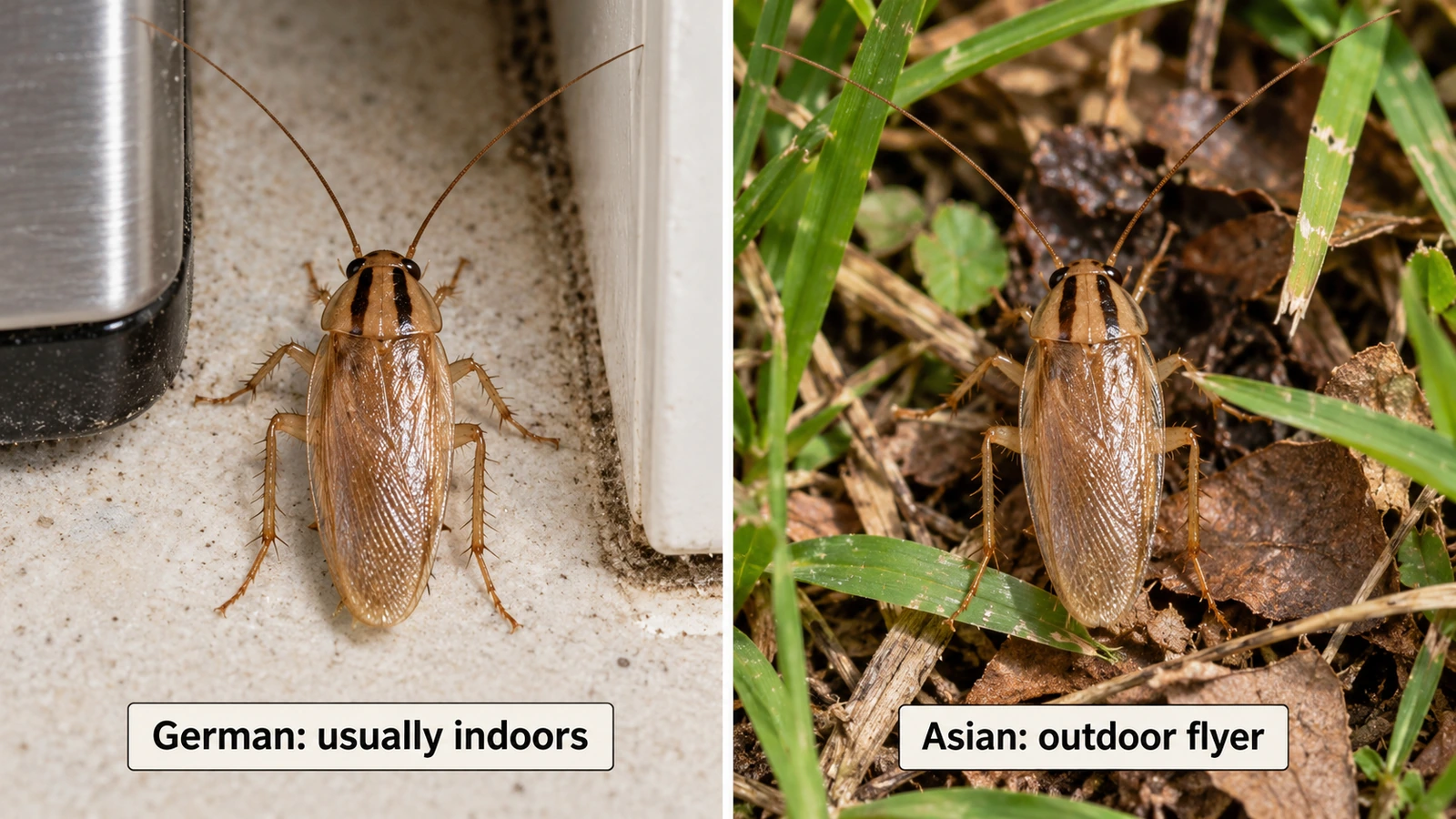
A small tan roach hiding near the refrigerator and a similar-looking insect flying toward a porch light may belong to different species. One could indicate an indoor population, while the other may have come from the yard.
The most useful clues are the markings behind the head, adult body size, wing development, and where the insect was found. This guide compares 10 types of cockroaches encountered in the United States, including common household pests and outdoor species that sometimes enter buildings.
How to Tell Different Types of Cockroaches Apart
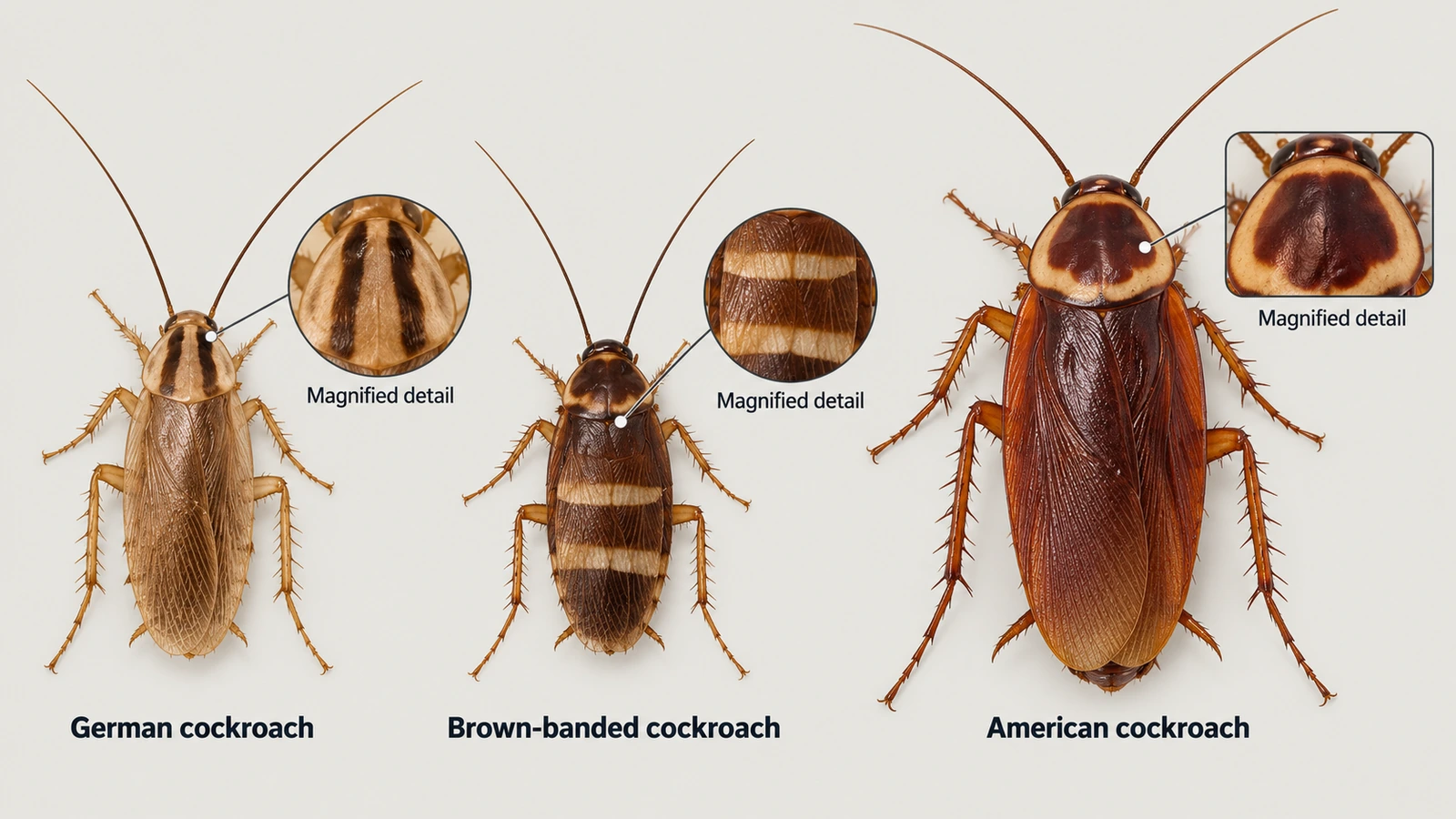
Most cockroaches share a flattened, oval body, long antennae, spiny legs, and a shield-like plate just behind the head called the pronotum. The combination of markings on that plate, the wings, and the abdomen is often more useful than the insect’s overall color.
Measure the body rather than the antennae, which can be longer than the insect itself. Adult German cockroaches are typically around half an inch long, while an adult American cockroach may approach 2 inches. Young roaches are smaller, so comparing an immature insect with adult-size descriptions can lead to the wrong identification.
Wings also need context. Some adult cockroaches have fully developed wings but rarely fly. Others fly readily, and certain adult females naturally have short wings or only wing pads. If you are unsure whether the insect has the general body shape of a roach, start with the cockroach appearance guide before assigning a species.
Key Takeaways
- Two dark stripes behind the head are characteristic of German and Asian cockroaches, but where the insect lives and whether it flies help distinguish them.
- Pale bands across the body point toward a brown-banded cockroach, especially in warm, relatively dry indoor locations.
- Large roaches require a closer look. American, smokybrown, and Oriental cockroaches differ in markings, wing development, and preferred habitat.
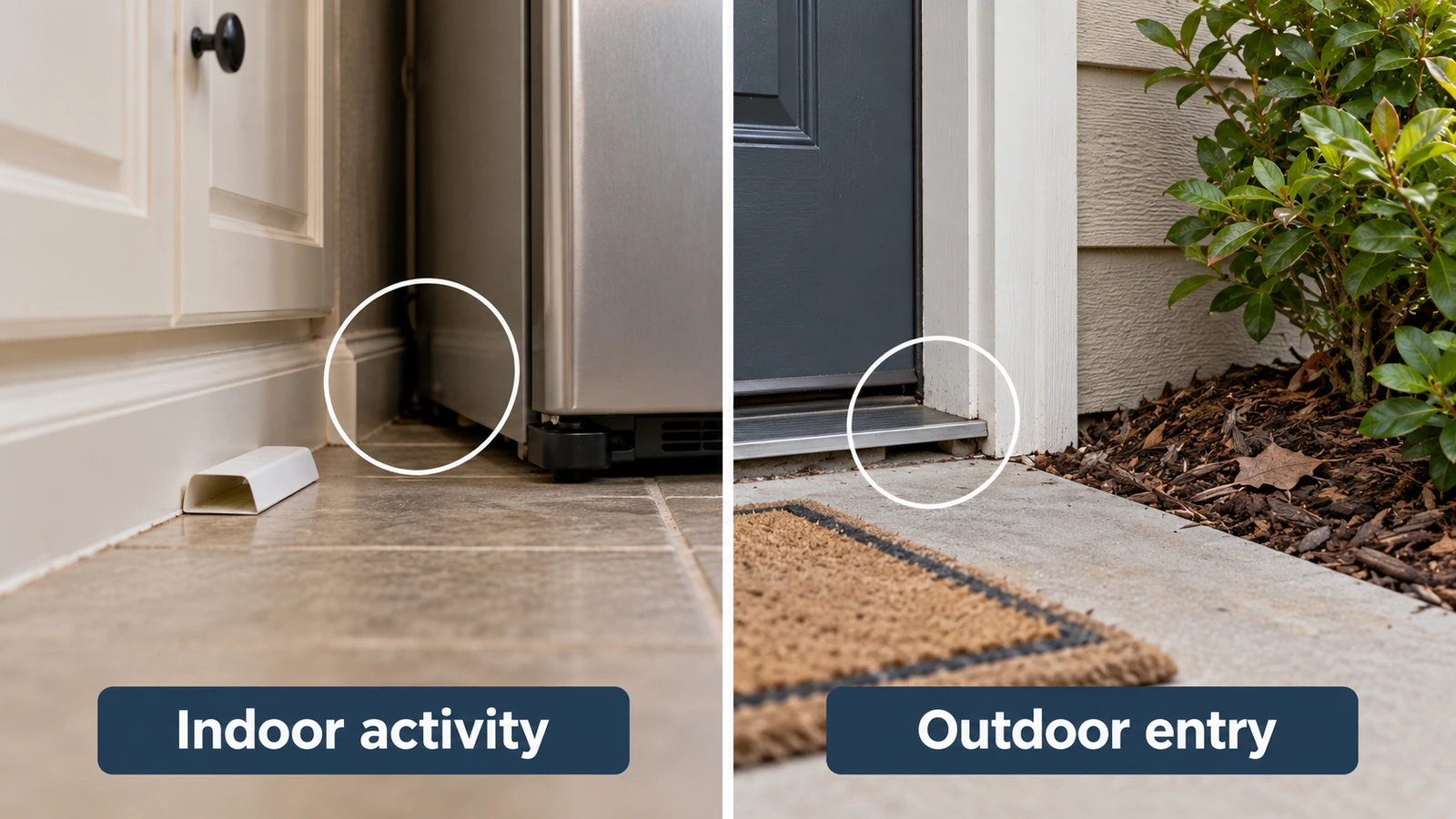
- The location changes the interpretation. Repeated small roaches near indoor appliances call for different checks than an occasional outdoor roach entering through a doorway.
10 Cockroach Types Found in U.S. Homes and Yards
Start with the clearest visible feature, then compare the size and typical location. The measurements below describe approximate adult sizes, not nymphs. They are useful starting points rather than rigid limits.
Common Species and Their Identifying Features
- German cockroach (Blattella germanica), about 1/2 to 5/8 inch: A small tan or light-brown roach with two dark, parallel stripes running lengthwise on the pronotum. Adults have wings but seldom fly. This species lives and reproduces indoors, especially around warm kitchen and bathroom areas. Repeated sightings near appliances make it an important possibility. The German cockroach guide covers its identification and infestation signs in greater detail.
- Asian cockroach (Blattella asahinai), about 1/2 to 5/8 inch: Very similar in appearance to the German cockroach, including the two dark pronotal stripes. Adults have well-developed wings and fly readily. They are typically associated with grass, leaf litter, and mulch in warm southeastern areas, particularly Florida, and may fly toward lights near buildings. Appearance alone can be insufficient to separate the two species.
- Brown-banded cockroach (Supella longipalpa), about 1/2 inch: A small brown or tan roach with pale crossbands visible across the wings or abdomen. Males have longer wings than females. Unlike German cockroaches, brown-banded roaches frequently occupy warm, relatively dry places such as upper cabinets, furniture, closets, and areas around electronics.
- American cockroach (Periplaneta americana), often about 1 1/2 to 2 inches: A large reddish-brown roach with a distinctive pale yellowish border around the darker marking on the pronotum. Adults have long wings. American cockroaches favor warm, humid places, including sewers, utility spaces, basements, and suitable building interiors. The American cockroach guide provides a closer look at this species and its behavior.
- Smokybrown cockroach (Periplaneta fuliginosa), around 1 1/2 inches: A large, glossy, dark mahogany-brown roach with long wings and no conspicuous pale border like the American cockroach. It is particularly associated with warm, humid southeastern environments, trees, sheltered outdoor sites, and sometimes attics or other upper building spaces.
- Oriental cockroach (Blatta orientalis), about 1 to 1 1/4 inches: Usually very dark brown to nearly black, with a broad, shiny body. Males have wings that do not cover the entire abdomen, while females have much shorter wing pads. These roaches favor cool, damp environments such as basements, drains, crawl spaces, and protected outdoor areas.
- Turkestan cockroach (Blatta lateralis), around 1 inch for adult females: Females are dark brown to black, with short wings bordered by pale cream markings. Males are somewhat smaller and have long, yellowish-tan wings. This primarily outdoor species is well established in parts of the western and southwestern United States, particularly around irrigated landscapes, utility boxes, and outdoor debris.
- Wood cockroaches (Parcoblatta species), often about 3/4 to 1 inch: A group of outdoor roaches rather than one species. Colors range from light brown to dark brown. Adult males generally have longer wings, while females often have short wings. They inhabit wooded areas, leaf litter, loose bark, and firewood. An adult may occasionally enter a house without establishing an indoor population.
- Field cockroach (Blattella vaga), about 1/2 inch: A grayish to olive-brown outdoor roach with two dark pronotal stripes and an additional dark stripe between the eyes. It occurs particularly in southern California and other dry southwestern environments. It can resemble a German cockroach but is usually associated with vegetation and outdoor debris.
- Florida woods cockroach (Eurycotis floridana), approximately 1 1/4 to 1 1/2 inches: A broad, heavy-bodied roach, typically dark reddish-brown to nearly black, with no fully developed wings. It lives mainly in moist outdoor habitats such as leaf litter, beneath bark, and around wooded properties in Florida and nearby southeastern coastal areas. It may enter garages or storage spaces.
This is not an exhaustive list of U.S. cockroaches. Other regional species include the Australian cockroach, which resembles the American cockroach but has distinctive pale markings along the front wings.
Which Types of Cockroaches Are Common in Florida?
Florida has a particularly varied mix of indoor and outdoor roaches. German and brown-banded cockroaches occur in buildings, while American, smokybrown, Asian, Florida woods, and Australian cockroaches are among the species encountered around homes and landscapes.
The setting helps narrow the possibilities. A small striped roach flying from the lawn toward a porch light suggests a different starting point than several small striped roaches hiding behind a kitchen appliance. Similarly, a large roach outdoors may have come from vegetation, while repeated large-roach activity in a humid utility area deserves investigation of the building itself.
Why Cockroach Habitat and Behavior Matter
Some species are strongly adapted to indoor life. German cockroaches, in particular, thrive in heated buildings with protected hiding places near food and water. Brown-banded cockroaches also reproduce indoors but often use warmer and drier locations away from sinks.
Other species primarily live outside and enter buildings occasionally. Asian, wood, field, Florida woods, and Turkestan cockroaches commonly fit this pattern. Outdoor conditions, lighting, moisture, and gaps around the building can influence how often they are encountered inside.
The distinction is not absolute for every large species. American, Oriental, and smokybrown cockroaches can inhabit sheltered building spaces when conditions suit them. Finding one near an outside door is different from repeatedly finding adults and young roaches in a basement, attic, or utility area.
Adults and Nymphs Can Look Different
Cockroaches develop from eggs into wingless nymphs and then adults. A small, dark insect with no fully developed wings could be a young roach of a larger species rather than a separate small-bodied species.
This is why comparing a nymph with pictures of adult German or Oriental cockroaches can be misleading. Adult females of some species also have naturally reduced wings. If your specimen is immature, use the baby cockroach identification guide to examine life-stage clues before narrowing the species.
How to Check Which Type of Roach You Found
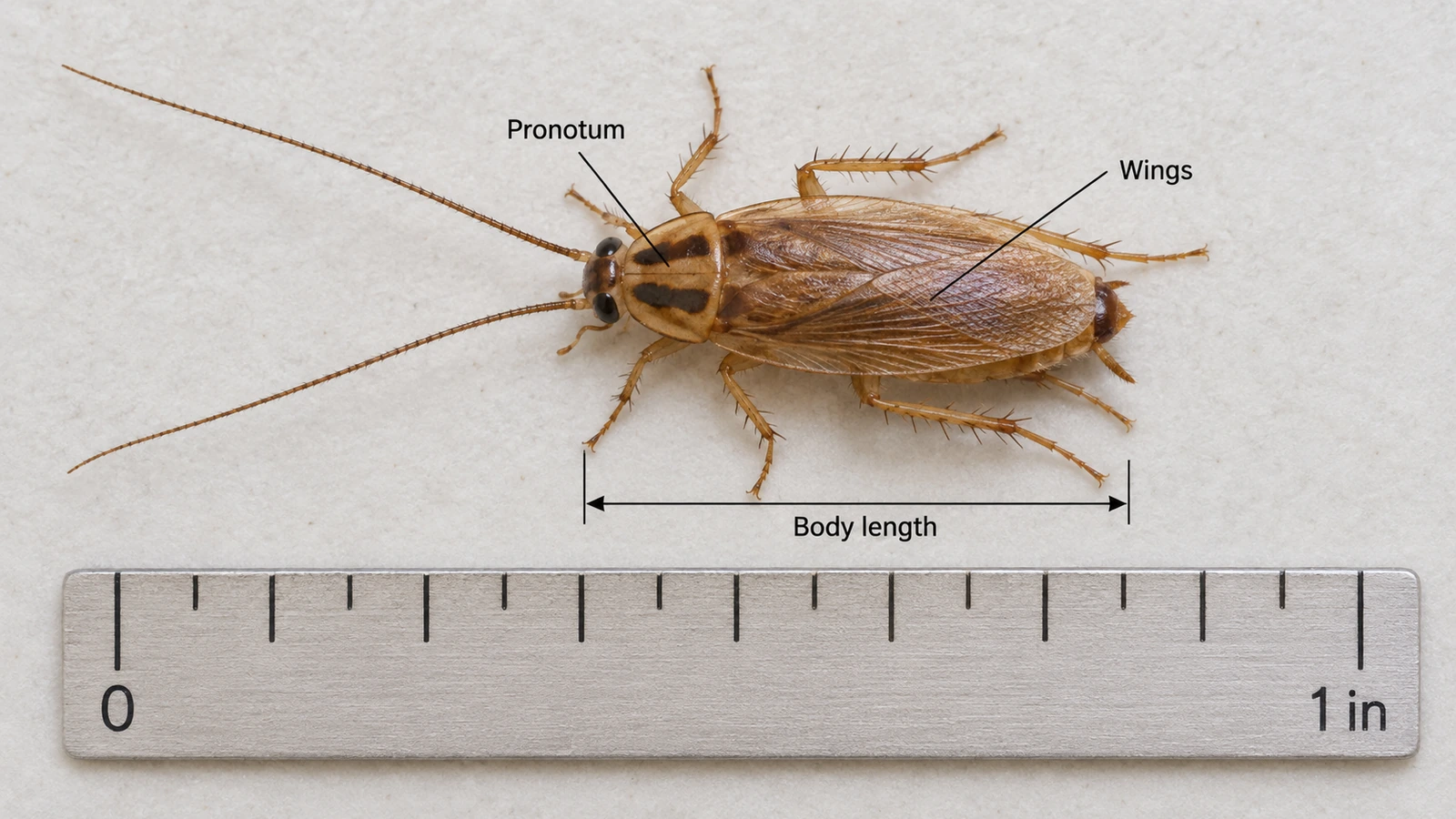
When possible, photograph the insect from directly above before it is damaged or crushed. Include a ruler or another familiar size reference on the same surface. Try to capture the pronotum, wings, and overall body shape clearly.
Record where you found it, whether it flew, and whether similar insects have appeared nearby. If sightings continue, a sticky monitoring trap placed along a wall near the activity can provide a better specimen and help identify the area where roaches are moving.
Match the Sighting Pattern to the Likely Species
- Small striped roaches repeatedly appearing behind kitchen appliances: German cockroaches deserve close attention, particularly if smaller wingless roaches are present nearby.
- Small striped roaches flying around porch lights or disturbed vegetation: Asian cockroaches become a stronger possibility in regions where they occur. Field cockroaches and other outdoor species may also resemble German roaches.
- Large reddish-brown roaches near plumbing or humid utility spaces: Compare American cockroaches with other large species and check whether the activity is coming from within the building or outside.
- Dark, glossy roaches in damp lower areas: Check Oriental cockroaches, while keeping similar-looking Turkestan females in mind in western regions.
- Small, pale-banded roaches in upper cabinets or furniture: Brown-banded cockroaches become a useful identification lead.
If the body shape or wing structure does not fit a cockroach, the bugs that look like cockroaches guide is the appropriate next comparison. Beetles and other insects can be mistaken for roaches, particularly when they are seen briefly or photographed poorly.
Practical Tip
Use two monitoring locations if the source is unclear: one near the indoor area where you saw the insect and another near a suspected exterior entry point. Label the traps by location and check them over the following nights. Where the captures concentrate is often more useful than guessing from a single sighting.
Watch For
Repeated indoor sightings involving both adults and wingless young roaches deserve closer inspection. They can indicate reproduction nearby, especially when concentrated around suitable hiding places. Do not classify every small roach as a German cockroach without examining its markings and context.
What Your Cockroach Identification Changes About Control
A useful identification points you toward the right area to inspect and the type of control that may be needed. Treating every sighting as a house-wide infestation can waste effort, while dismissing repeated indoor activity as occasional visitors can delay an appropriate response.
If the Species Is Living and Breeding Indoors
Focus first on the actual activity sites. For German cockroaches, that often means warm, protected spaces near appliances, cabinets, plumbing, and food preparation areas. For brown-banded cockroaches, include upper cabinets, furnishings, and other warm, relatively dry hiding places.
Clean food residues, correct leaks where present, reduce clutter, and monitor the areas where insects are being captured. When an established infestation requires additional control, suitable cockroach baits can be useful when placed and used according to their U.S. product labels.
For a full treatment sequence, use the step-by-step cockroach control plan rather than choosing a pesticide solely from the insect’s appearance.
If the Species Is Primarily Coming From Outdoors
Inspect the likely entry route and nearby habitat. Check door sweeps, window screens, gaps around pipes, porch lighting, damp leaf litter, stored firewood, and vegetation close to the building.
A single wood roach or Florida woods cockroach entering from outside may only require removal and improved exclusion. Repeated incursions can justify closer monitoring of outdoor harborages or building defects.
Avoid using indoor foggers or widespread sprays as a default response. They can create unnecessary exposure without reaching the underlying source. For persistent activity, serious indoor infestations, or inaccessible structural harborages, professional pest control may be appropriate.
Essential Steps
- Document the insect. Record approximate body size, markings, wings, location, and whether it flew.
- Narrow the species. Compare the insect with the common types above, taking the region and life stage into account.
- Check the source. Look for repeat indoor activity or evidence of entry from outdoors, then select the appropriate species-specific or control guidance.
Preventing Cockroaches Based on Where They Live
Indoor-breeding cockroaches are best discouraged by reducing access to food, moisture, and concealed shelter. Keep food and trash contained, clean residues near appliances, repair leaks, and inspect stored boxes or used items before bringing them into living areas.
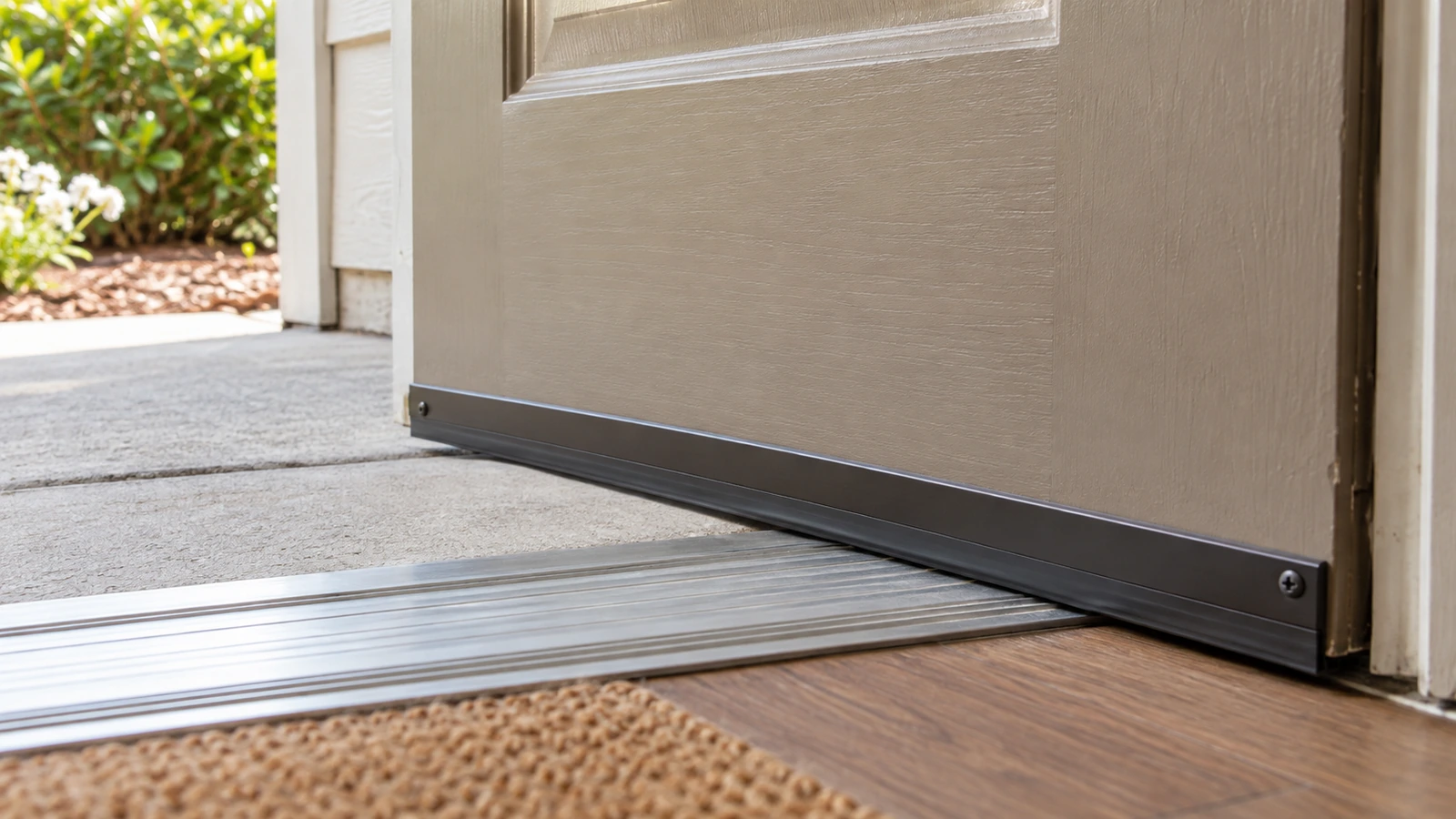
For roaches associated with outdoor vegetation or utility spaces, concentrate on exclusion and the conditions immediately around the building. Repair damaged screens and door sweeps, close suitable gaps, and reduce damp debris or stored materials next to entrances.
Prevention works best when it addresses the species’ actual habitat. A clean kitchen alone will not stop every outdoor visitor, just as sealing an exterior door will not resolve roaches already reproducing behind indoor appliances.
Good to Know
In Florida and other Southern states, the name “palmetto bug” is commonly applied to several large roaches rather than one specific species. It may refer to American, smokybrown, or other regional cockroaches. The nickname should not replace identification from the insect’s characteristics. For that distinction, see Palmetto Bug vs. Cockroach.
Frequently Asked Questions
Does a cockroach with wings always fly?
No. Adult German cockroaches have developed wings but rarely fly, while Asian and smokybrown cockroaches can fly readily under suitable conditions. Flight ability differs among species and sometimes between males and females. See Do Cockroaches Fly? for the fuller explanation.
Can two different cockroach species occur in the same house?
Yes. A building may have an indoor-breeding species along with outdoor roaches that enter occasionally. If captured insects differ noticeably in size, markings, or wing development, examine each type separately rather than assuming every sighting comes from the same population.
Explore this topic further: