
Explainer
Are cockroaches dangerous? Health risks, allergies, and contamination
Learn which cockroach-related health risks matter most, how allergens and contamination reach people, and what you can do to reduce exposure without unnecessary alarm.
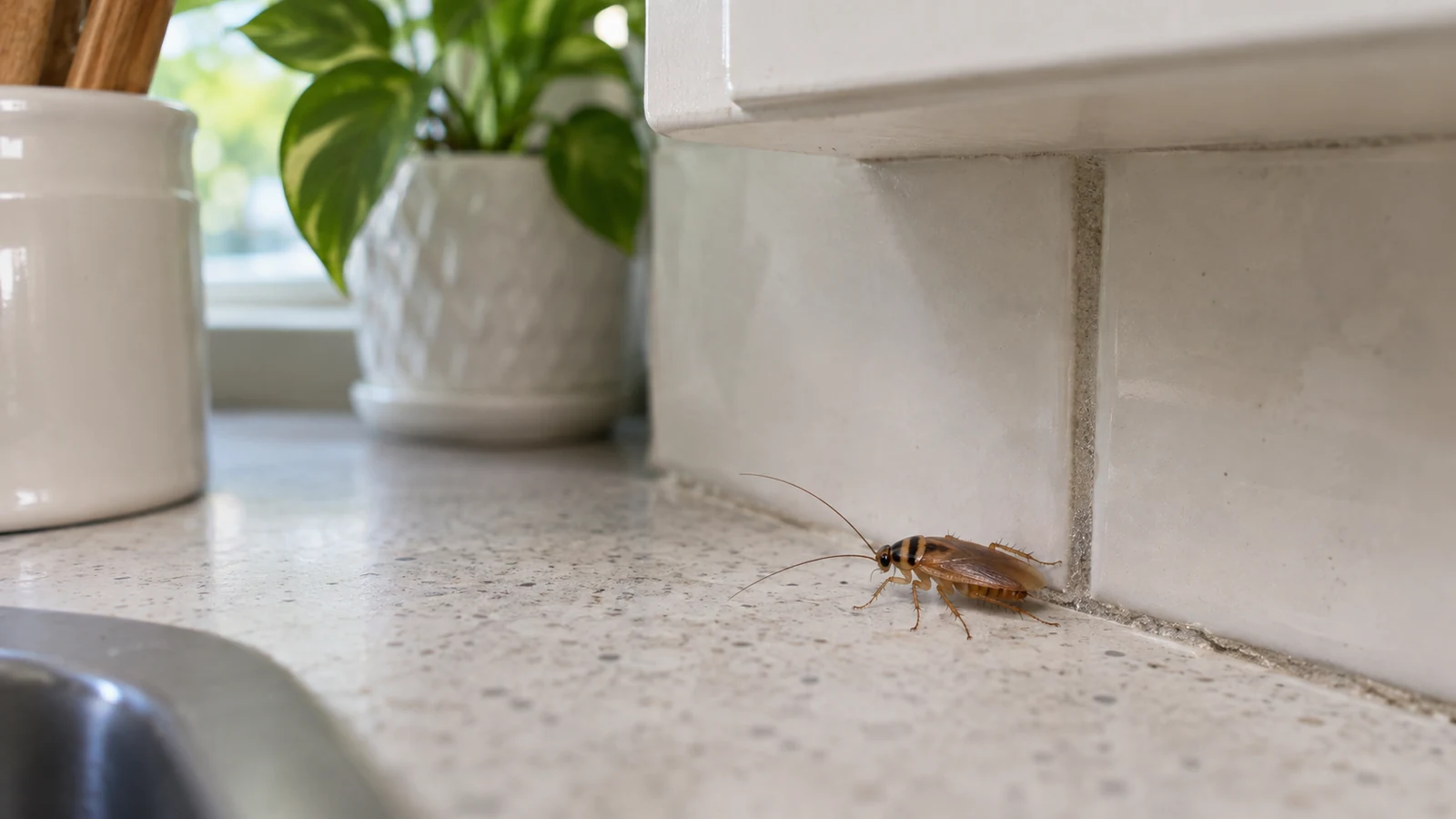
Finding a cockroach near your food or in your bedroom can leave you wondering whether your home is safe. It is understandable to be concerned, especially when someone in the household has asthma.
The health implications depend on where the insects have been, whether they are breeding indoors, and how people are exposed to them. A single roach crossing a floor calls for a different response from an established infestation in a kitchen or living area.
Quick Answer
Yes, cockroaches can pose health risks. Their droppings, saliva and shed body material contain allergens that can trigger asthma and allergic symptoms. They can also contaminate food and surfaces with germs. Most encounters are not medical emergencies, but ongoing indoor infestations deserve prompt attention.
How cockroaches affect indoor air and trigger allergies
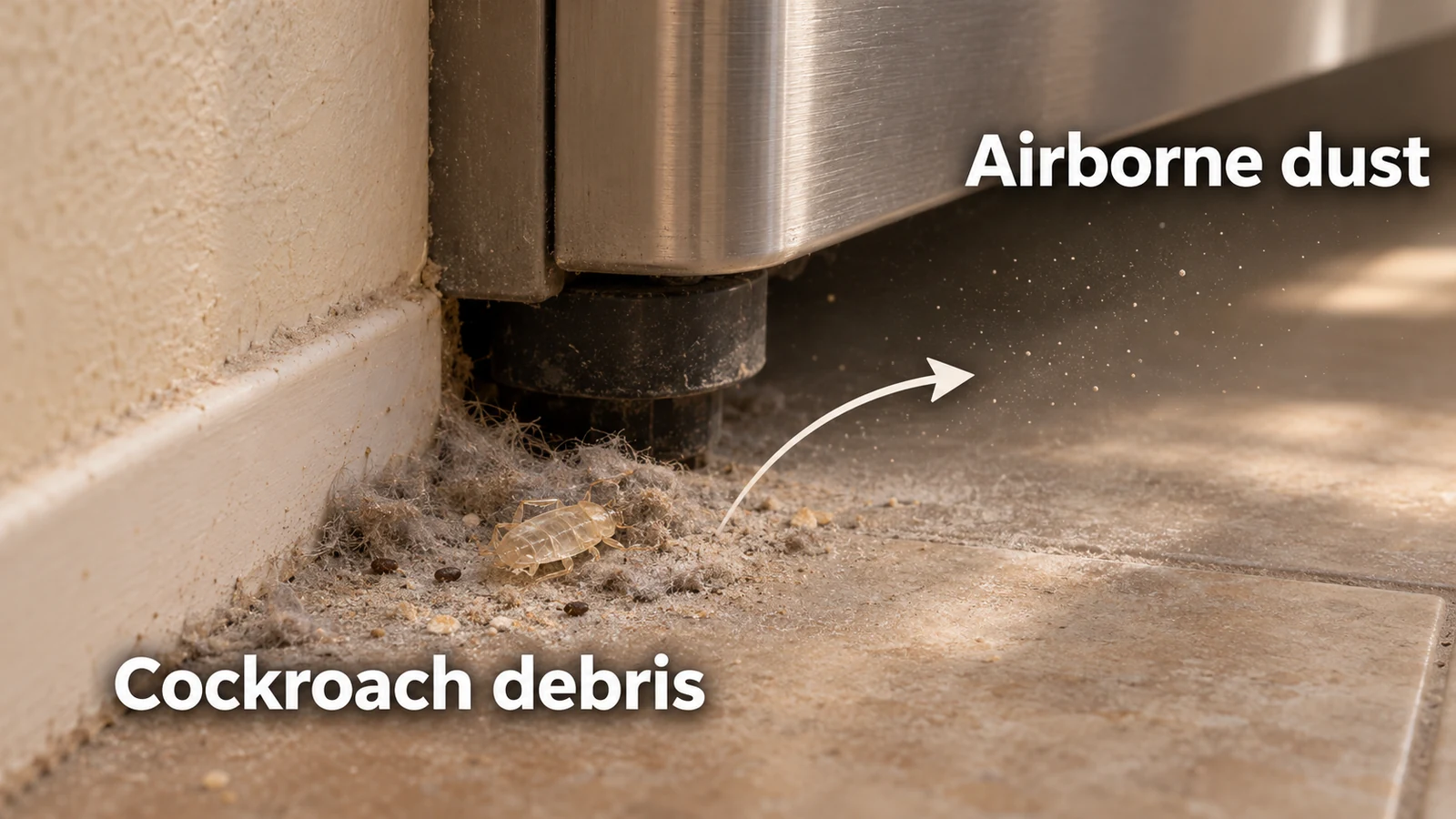
One of the clearest health concerns is cockroach allergy. Proteins in cockroach saliva, feces and body material can accumulate in household dust. Walking through a room, sweeping or disturbing an infested cabinet can send some of that dust into the air.
People who are allergic to cockroaches may develop a stuffy nose, sneezing, itchy eyes or coughing. In people with asthma who are sensitive to these allergens, exposure can trigger wheezing and breathing difficulties.
Children with asthma are an especially important group to protect from ongoing exposure. Research has also identified indoor cockroach infestation as a risk factor for the development of childhood asthma. That association does not mean every child exposed to cockroaches will develop the condition.
Exposure can continue even when there are few insects in sight. Cockroach droppings and fragments of shed skins can remain behind appliances, inside cabinets and in settled dust after the live population has been reduced. Controlling the insects and removing accumulated debris address two different parts of the problem.
If you notice respiratory or nasal symptoms that recur in certain rooms, tell your healthcare provider about any known pest activity. Other indoor allergens and irritants can cause similar symptoms, so identifying the cause may require a medical assessment.
Are roaches dirty, and can they make you sick?
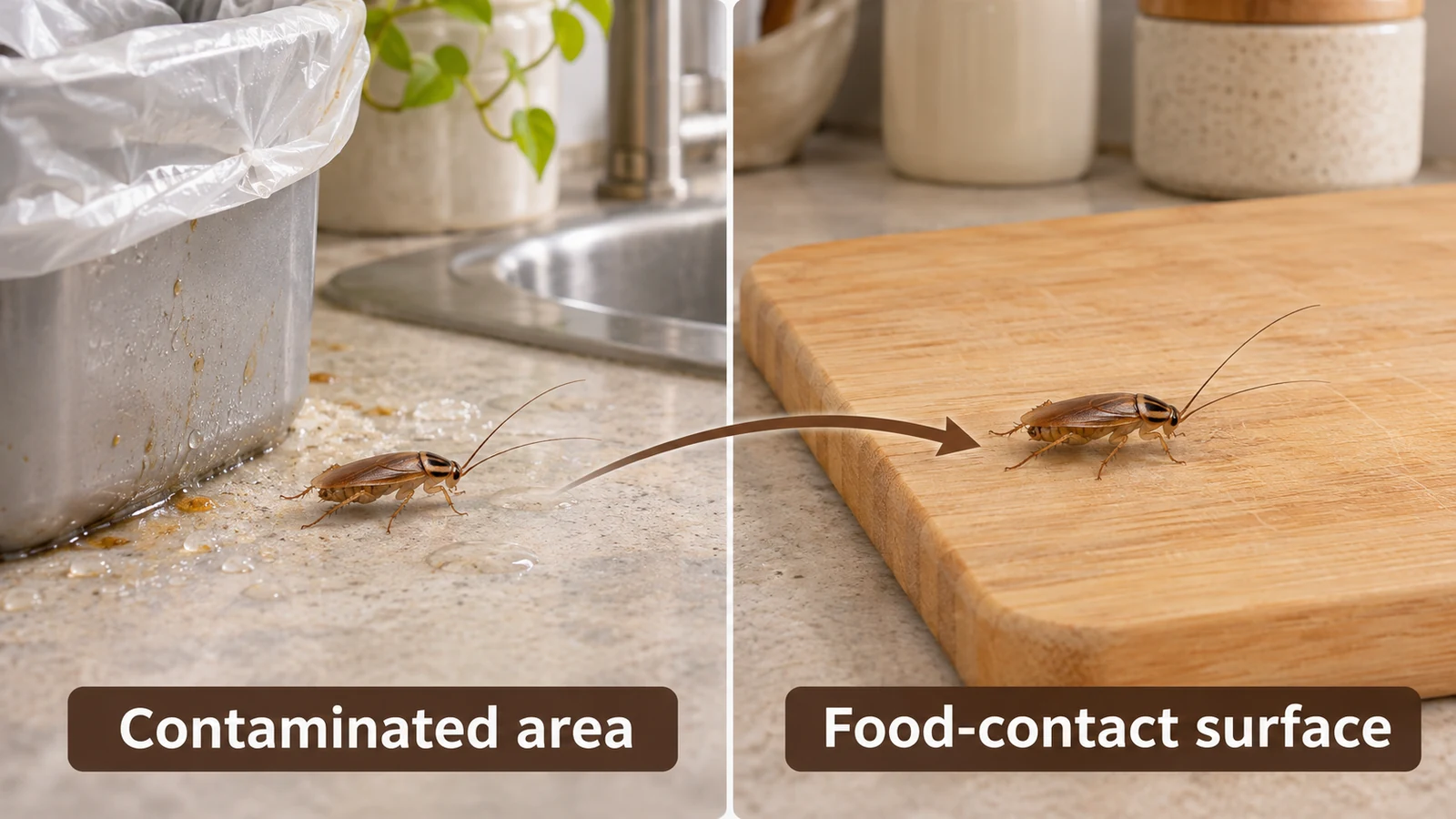
Cockroaches can pick up potentially harmful microorganisms as they move through garbage, drains, sewage or other contaminated environments. When they subsequently walk across a cutting board or kitchen counter, they may transfer some of that material to food or surfaces.
The presence of disease-causing bacteria on a cockroach establishes a possible route of contamination. It does not establish that someone in the household has become infected. Illness depends on whether a harmful organism reaches a person in a way that can cause infection.
What increases the risk of contamination?
Repeated cockroach activity in food preparation areas is more concerning than an isolated sighting far from food. Open packages, uncovered meals, utensils left out overnight and surfaces where droppings accumulate offer more opportunities for contamination.
A clean home can still have cockroaches. They can enter through gaps, arrive with belongings or move between apartments. Ordinary hygiene reduces exposure and makes the environment less favorable for them, but their presence is not a reliable measure of how clean someone keeps their home.
What about direct contact and bites?
Cockroaches are not blood-feeding pests. Bites are unusual, and skin marks alone are not a reliable way to establish that cockroaches caused them. If you are concerned about a suspected bite, learn when cockroaches bite humans and what skin marks can and cannot tell you.
How to reduce the health risks at home
Start with the places where exposure is most likely. You can make food preparation areas safer and reduce contact with allergens while addressing the source of the cockroach activity.
Protect your food and kitchen surfaces
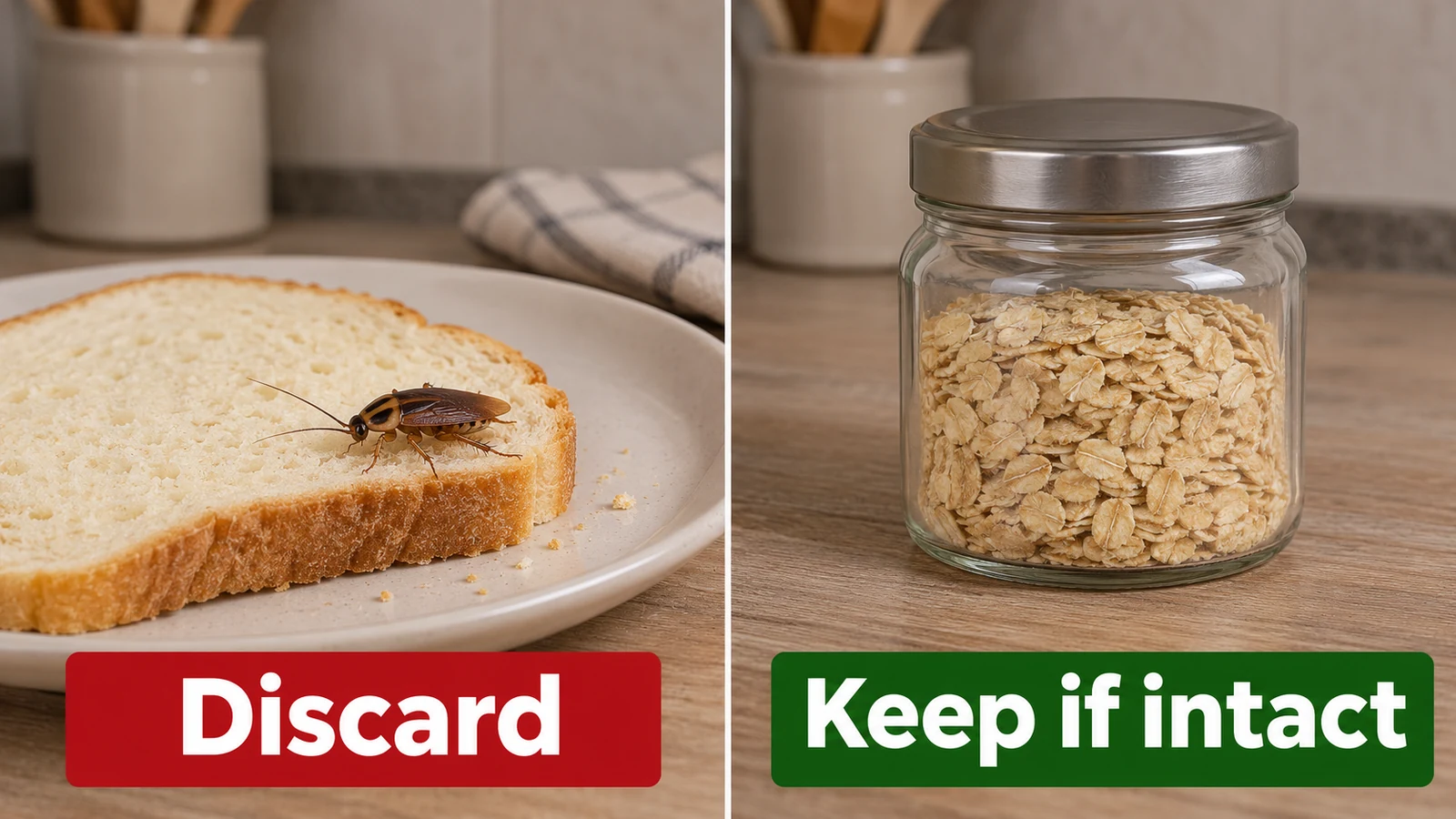
Discard uncovered food that a cockroach has been seen crawling on or that contains droppings or insect debris. Food inside an intact, tightly sealed container generally does not need to be thrown away solely because a cockroach was seen in the cabinet. Clean the outside of the container before opening it.
Wash exposed utensils and dishes, and clean food preparation surfaces with soap and water before using them again. If you use a sanitizer on food-contact surfaces, choose one labeled for that purpose and follow its directions, including any required rinsing. Never apply household insecticide to food.
Reduce exposure to cockroach allergens
Remove accumulated dust and debris with damp cleaning rather than vigorous dry sweeping. A vacuum with a HEPA filter can help reduce the amount of fine dust released during vacuuming. If possible, have someone without cockroach allergy or asthma do the dusty cleaning while the sensitive person stays away from the area.
Cleaning helps reduce the allergens already present, but live cockroaches can leave new material behind. If you repeatedly find insects, shed skins or fresh droppings, check for other signs of a cockroach infestation. Combine appropriate pest control with measures that limit food, water and access to hiding places.
In an apartment building, recurring activity may involve neighboring units or shared spaces. Let building management know about persistent sightings so that the problem can be investigated beyond your kitchen. Consider a licensed pest control professional if the infestation is extensive, keeps returning or is difficult to reach.
When should you seek healthcare?
Consult a healthcare provider if you or someone in your household has recurring coughing, wheezing or allergy symptoms, or if asthma becomes harder to control. A suspected case of foodborne illness also needs to be assessed on its own merits rather than attributed to a cockroach sighting.
Can cockroaches kill you? Ordinary contact with a cockroach is very unlikely to be life-threatening. However, a severe asthma attack can be dangerous. If someone is struggling to breathe or their prescribed asthma reliever is not relieving a severe attack, call 911 in the United States. Follow any existing asthma action plan.
What to Watch For
The pesticides used against cockroaches can create a separate exposure risk. Avoid foggers and widespread aerosol spraying, particularly in a home with asthma. Follow pesticide labels, keep products away from children and pets, and never mix household cleaning chemicals.
Explore this topic further: