
How-To
How to prevent cockroaches from coming back
Build a practical cockroach prevention routine that closes entry routes, checks incoming belongings, reduces hiding places, and catches signs of renewed activity early.

The cockroaches seem to have disappeared, but the gaps they used, the food they found, and the places where they hid may still be there. This is a good time to make a few changes that will help keep the problem from returning.
Whether you have just dealt with an infestation or want to avoid bringing roaches into your home, prevention works best as a routine you can maintain. The aim is to reduce opportunities for cockroaches to establish themselves and notice new activity early.
- Difficulty: Basic household maintenance; some repairs may require a qualified professional.
- Equipment: Flashlight, vacuum, sealed food containers, sticky monitoring traps, and suitable sealing materials where needed.
Prepare your home for ongoing prevention
Start with the places where you previously found cockroaches or where they are most likely to enter. If you have monitoring traps from an earlier treatment, record their locations and catches before replacing them. Remove old droppings and shed skins from accessible surfaces so that new evidence will be easier to recognize.
If a pest control professional recently treated your home, ask which areas can be cleaned and when, and which follow-up visits are still needed. Avoid disturbing products or equipment that are part of the existing control program.
In an apartment, make a note of repairs that require your building manager’s permission or assistance. You can maintain your own unit while arranging work on shared plumbing, walls, and other building systems.
Five steps to keep cockroaches from returning
Start with changes that will remain effective even after your initial cleaning is over. Prioritize the routes and conditions associated with the type of roach you have encountered rather than trying to change everything at once.
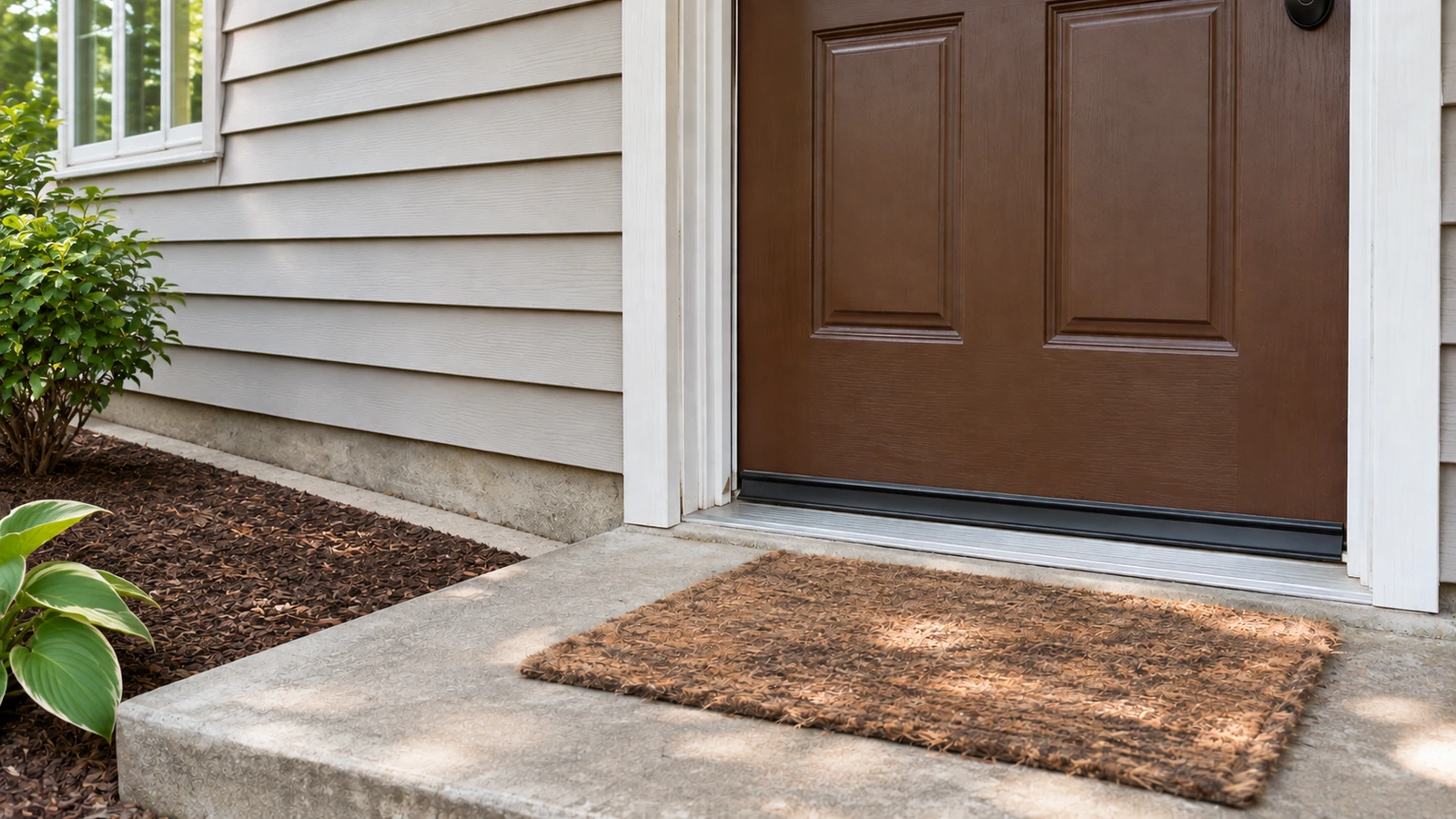
Step 1: Close the routes into your home
Walk around accessible doors and windows and look for gaps in weather stripping, damaged screens, and spaces under doors. Fit a suitable door sweep if daylight is visible beneath an exterior door when it is closed.
Indoors, check the edges of cabinets and the openings where pipes pass through walls. Seal ordinary cracks and suitable gaps with an appropriate material. Have large openings, shared utility penetrations, and repairs involving fire-rated walls addressed by building maintenance or a qualified contractor. Keep required ventilation, drainage, and appliance clearances unobstructed.
If large roaches regularly appear near a garage or patio door, prioritize that entrance and the surrounding outdoor conditions. Understanding where cockroaches come from can help you focus repairs on the most likely routes.
Step 2: Make food and moisture less accessible
At the end of the day, clear food residue from counters and tables, wash dishes or load the dishwasher, and wipe up spills. Keep open pantry foods and pet food in containers with tight-fitting lids. Clean food bowls after feeding while maintaining the fresh drinking water your pets need.
Check under sinks for drips and around appliances for recurring dampness. Repair leaks rather than just wiping away the water every evening. Keep trash and recycling contained, and remove food waste regularly.
Once a week, include cabinet corners and accessible areas beneath or beside appliances in your usual cleaning. Pay particular attention to grease and crumbs that collect in narrow gaps.
Step 3: Remove unnecessary hiding places
Clear unused cardboard, paper bags, and clutter from the warm, sheltered areas around kitchens and bathrooms. Replace long-term cardboard storage with easy-to-clean containers where practical.
For brown-banded cockroaches, extend this routine beyond damp rooms: warm, dry spaces around furniture, closets, and higher shelves can also provide hiding places.
Outside, keep accumulated leaves, discarded materials, and dense vegetation away from frequently used entrances where feasible. Correct drainage problems that keep the foundation area damp.
Step 4: Check what you bring into the house
Unpack deliveries and groceries in an accessible area where you can readily notice an insect. Look at folded cardboard seams, corners, and the underside of packages before putting their contents away. Remove empty packaging instead of storing it beside food or appliances.
Give secondhand electronics, small kitchen appliances, and furniture extra attention before bringing them into living areas. Check accessible exterior seams and openings with a flashlight. If you find live cockroaches or a suspected egg case, keep the item separate and arrange appropriate identification or inspection. Do not dismantle electrical equipment to look for roaches.
Step 5: Keep a few monitors in useful locations
Place non-insecticidal sticky monitoring traps where roaches are likely to travel: along a wall near the refrigerator, in a dry accessible corner under the sink, or near a suspected entrance. Choose locations where children and pets cannot reach the adhesive.
Write the placement date and location on each trap or in a simple record. If activity has recently been detected, check the monitors daily to learn where it is concentrated. Replace traps that become dusty, wet, or otherwise ineffective.
For long-term prevention, use cockroach traps as an early warning system rather than relying on them to eliminate a breeding population.

Points to watch in houses and apartments
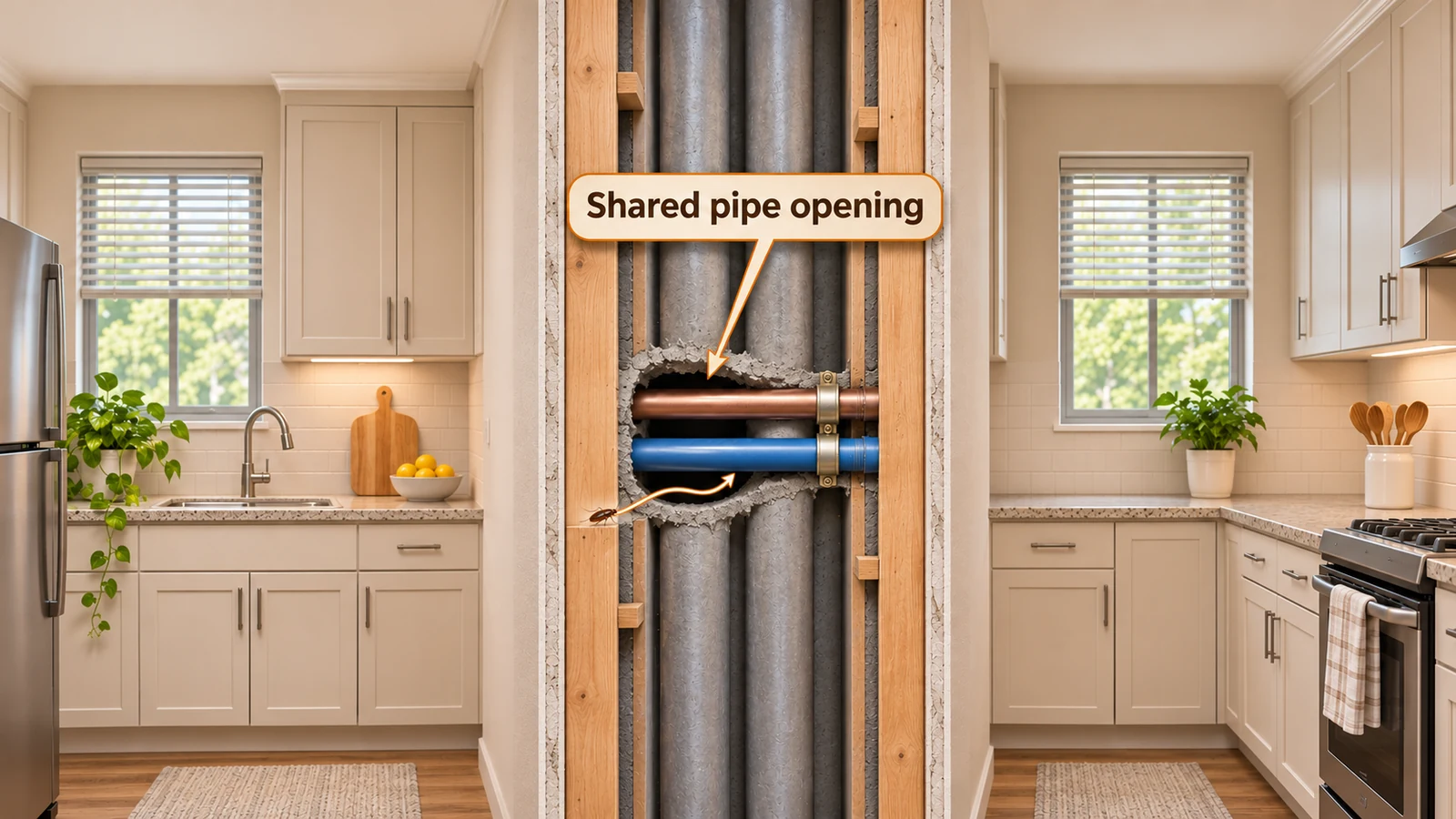
Prevention inside a single apartment may reduce favorable conditions without stopping roaches from arriving through the building. Pay attention to recurring activity near shared plumbing and other service openings. These are useful places to report to maintenance staff, not evidence that a particular neighbor is responsible.
If you rent, coordinate repairs and inspection of connected areas with the building manager. A professional inspection of affected units or common areas may be more useful than repeatedly treating just one kitchen.
Avoid replacing an effective prevention routine with scheduled pesticide spraying. If a pesticide is already part of a control plan, follow its current label and the applicator’s instructions. Do not add products or increase application frequency simply because you are worried about another sighting.
How to check whether prevention is working
Compare catches from monitors in the same locations over similar observation periods. A trap that stays clear while it remains dry, intact, and correctly positioned is more informative than one that has been sitting behind a wet pipe or collecting dust for months.
Look for changes from your own baseline rather than a universal number of roaches that counts as success. Keep a record of new sightings as well as trap catches, including the room and whether you found an adult or a young roach.
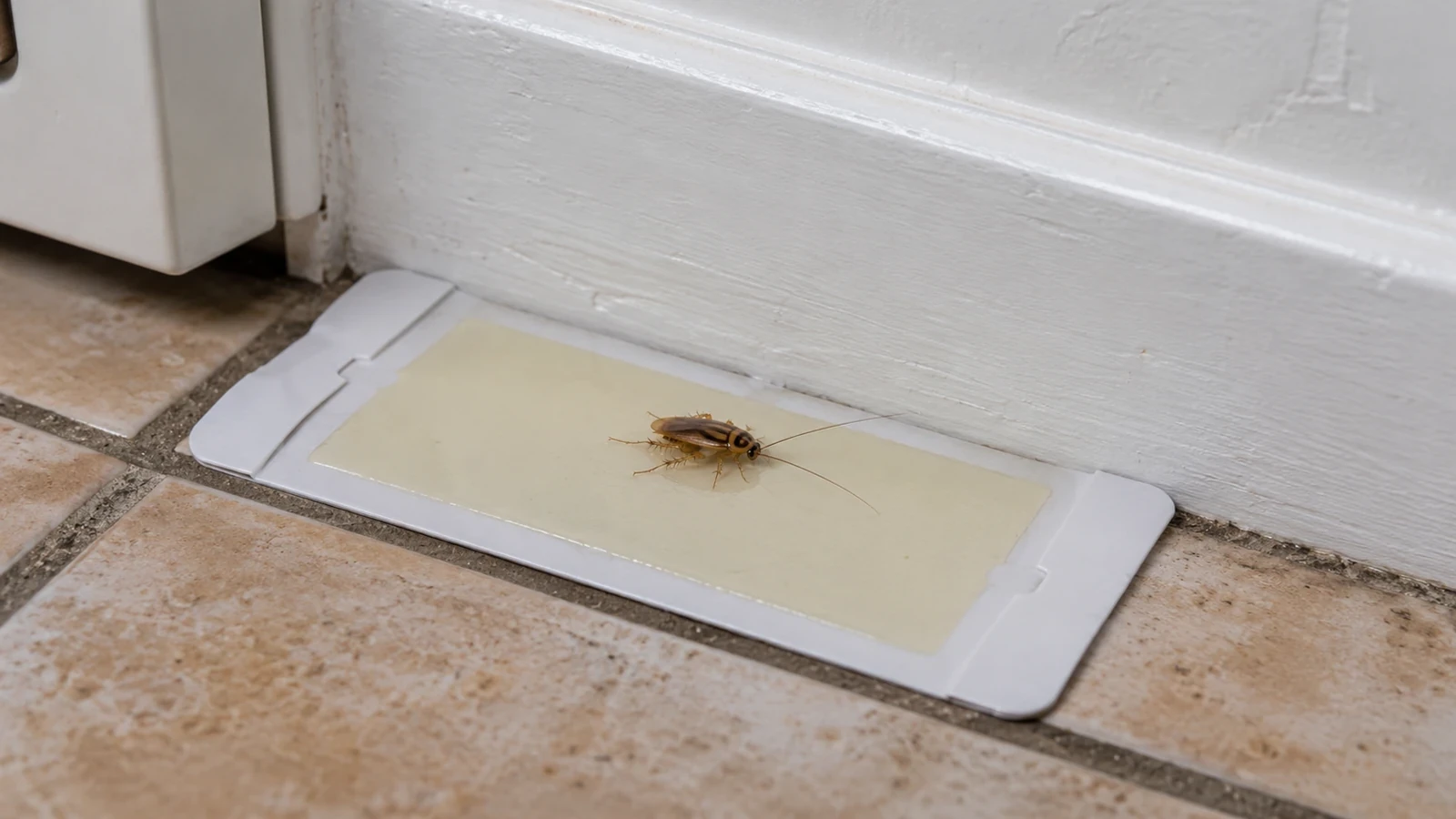
A single large cockroach near an exterior door may point toward a missed entry route. Repeated catches of small roaches, especially nymphs in the kitchen, are a more concerning pattern and should prompt a closer look for signs of cockroach infestation.
Several observation periods without fresh evidence are encouraging, but they do not guarantee that every hidden roach is gone. Continue monitoring while completing any recommended treatment follow-up.
What to do if cockroaches return
Start with the location of the new evidence. A return near a recently repaired pipe, a delivery area, or the same kitchen appliance suggests different places to investigate. Check whether the repair is still effective, whether the monitor has been moved, and whether a new item has been introduced.
If roaches keep appearing despite the routine, reconsider the source. Repeated small indoor-breeding roaches may indicate that some activity survived the original control effort or that insects are arriving from connected areas. A clean kitchen alone cannot resolve either problem.
When Should You Call a Professional?
Arrange a renewed inspection if you repeatedly catch nymphs, find fresh egg cases or recurring droppings, or see activity spreading beyond the original location. In multi-unit housing, report the pattern promptly to management and request coordinated assessment when a shared source is suspected.
An occasional isolated outdoor invader can often be addressed by identifying and correcting its entry route. The response should be based on the evidence rather than the fact that a roach has appeared at all.
Keep prevention part of your regular routine
- Each evening, clean up after meals, put food away, and address standing water or spills.
- Each week, clean neglected edges and check the condition and catches of monitoring traps. Check more frequently when activity is suspected.
- After deliveries, moves, plumbing work, or appliance replacement, check the affected areas for new openings or introductions.
- After any renewed sighting, record the evidence, inspect the relevant route, and return to closer monitoring until the situation is understood.
Adjust this routine to your home and the pest activity you observe. If signs point to an active infestation rather than a new isolated introduction, switch from prevention to a targeted control plan.
Explore this topic further: