Comparison
Subterranean termite control: Soil treatments or bait systems?
Compare professional soil treatments and bait programs for subterranean termites, with practical guidance on foundation access, hidden activity and follow-up.
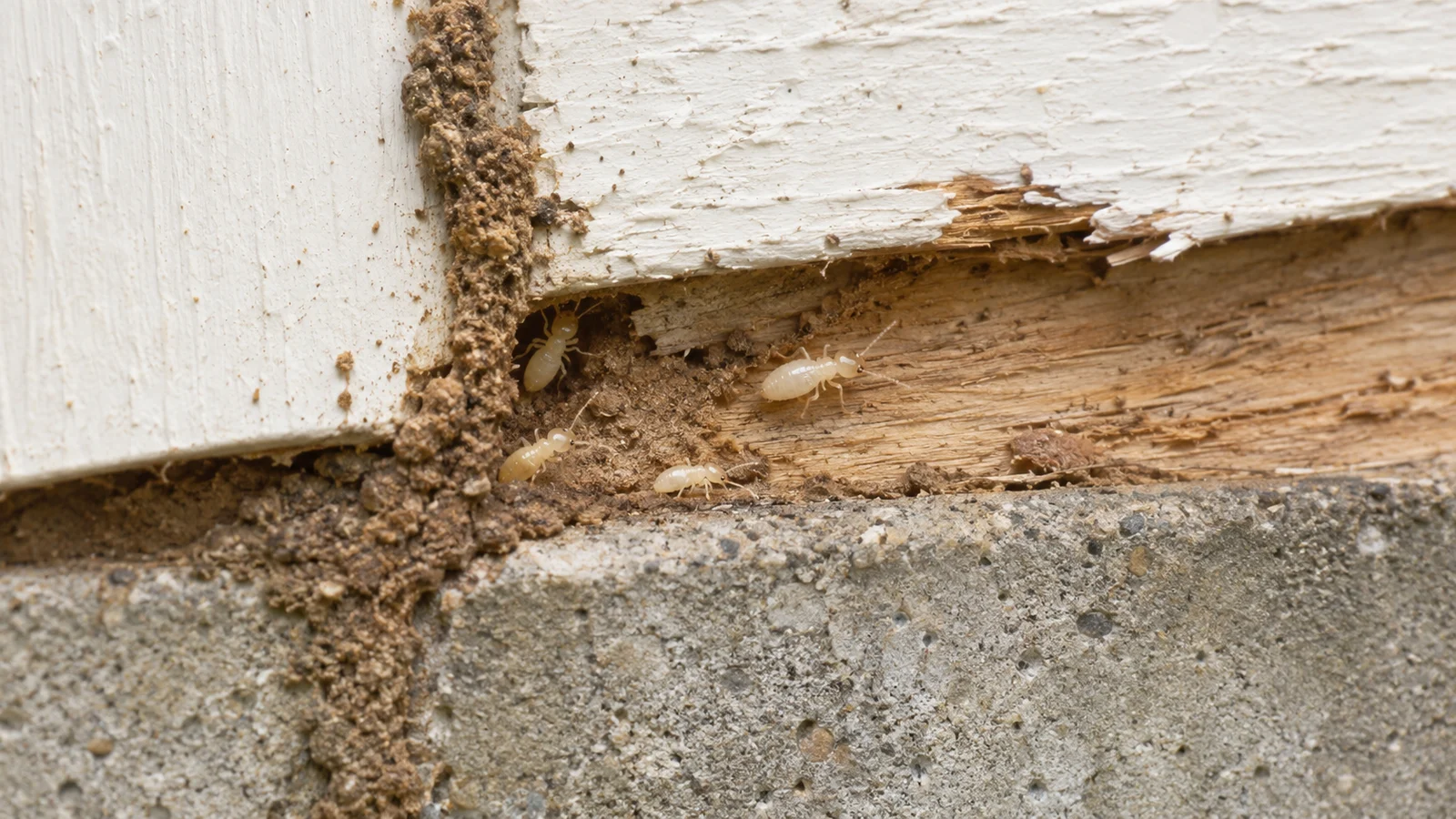
Two homes with subterranean termites can need very different treatment plans. In one, workers are traveling from the soil into an accessible basement sill. In another, activity appears around plumbing beneath a concrete slab, far from the visible foundation edge.
Both may be suitable for professional soil treatment or baiting, but the best choice depends on which routes the termites are using and how the building can be protected while the infestation is brought under control.
What makes a treatment suitable for your property?
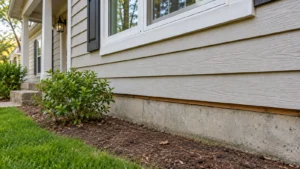
Subterranean termite workers typically reach wooden building components through protected routes connected to the soil. Concrete does not provide an automatic barrier: gaps around pipes, slab joints and concealed foundation connections can give workers a route into the building.
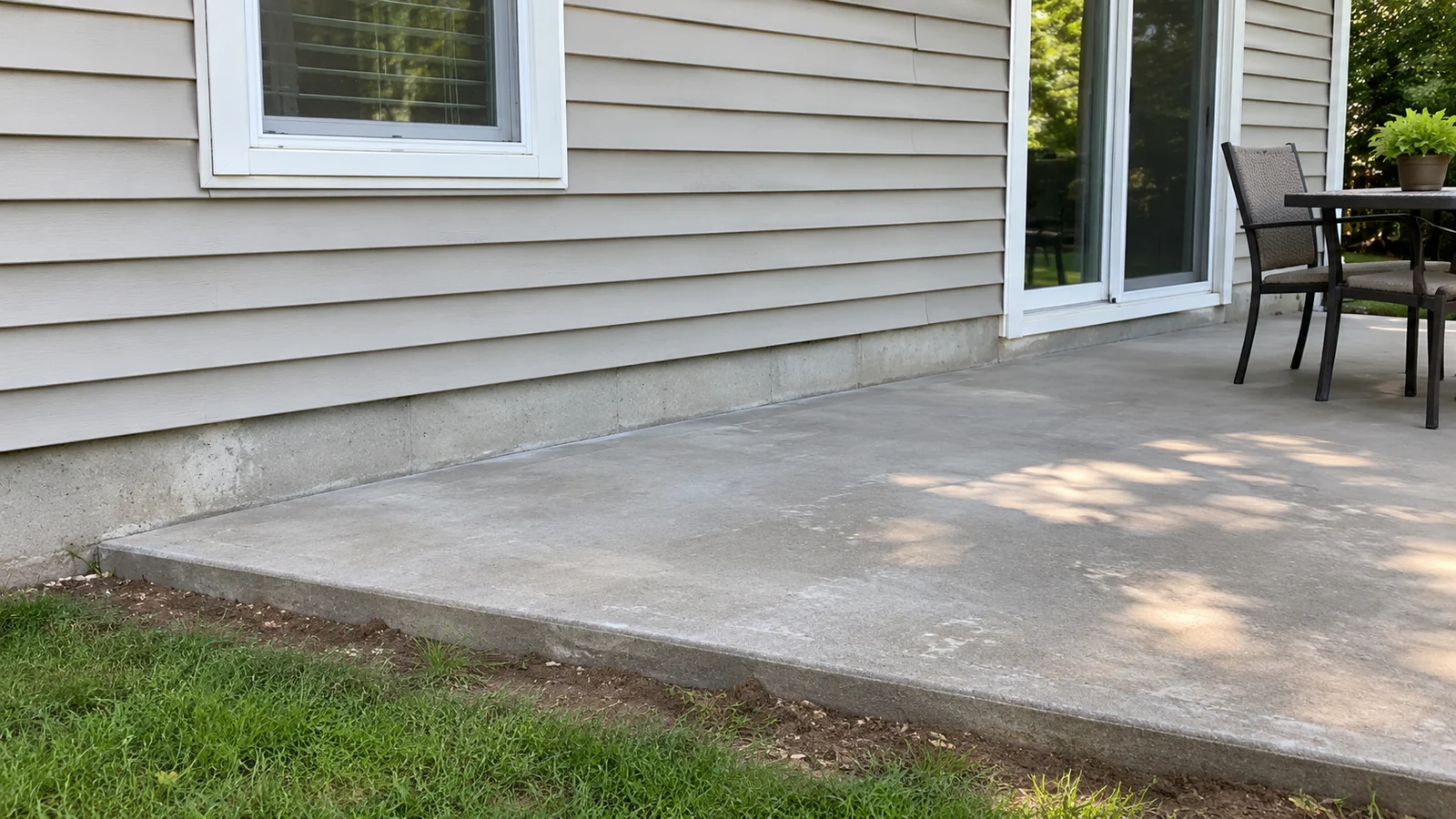
Knowing where termites are active helps a professional decide whether a proposed soil treatment can address the relevant routes, or whether a bait program is more practical. A paved patio or attached garage can change the treatment requirements even when the infestation appears to be small.
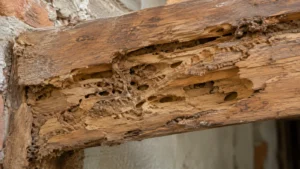
The initial inspection should distinguish current activity from old damage and identify the termite group involved. Shelter tubes and soil within damaged wood are useful clues, while dry, distinctly shaped pellets may point toward drywood termites. Treatments confined to infested wood or the building interior may leave a soil-connected colony untouched. Conversely, a soil treatment will not reach a drywood colony living entirely inside wood. If the evidence is uncertain, start with a professional termite inspection rather than selecting a treatment from a photograph.
Ask the provider to identify the following on your property:
- The confirmed activity and the likely routes between the soil and affected wood.
- Foundation areas, adjoining slabs and concealed connections that cannot be assessed or treated readily.
- Nearby wells, drainage systems, under-slab air ducts or other features that may restrict treatment.
- Existing termite protection, including any known gaps in coverage or disturbance caused by building work.
Soil treatment and baiting compared
The table compares the two programs against conditions that commonly change a subterranean termite treatment decision. It is not a prescription for applying either treatment yourself.
| Property or infestation condition | Liquid soil program | Bait program | Deciding factor |
|---|---|---|---|
| Active infestation with accessible entry routes | Can provide relatively rapid control at treated routes | Control depends on bait discovery and feeding | Whether activity needs more immediate intervention |
| Slab, garage or patio conceals soil access | May require additional professional access | May avoid some work on hard surfaces | Whether the actual routes and station locations can be addressed |
| Well, drainage or under-slab duct nearby | Site-specific label restrictions may limit suitability | May reduce the need for extensive soil treatment | Safe, permitted treatment at this property |
| No current activity confirmed | May provide preventive structural protection | Can monitor and intercept foraging termites | Whether protection or corrective treatment is needed |
| Continuing activity after treatment | Requires investigation of coverage and other access routes | Requires review of bait uptake and structural findings | Evidence of where activity persists |
The trade-offs beyond the initial treatment
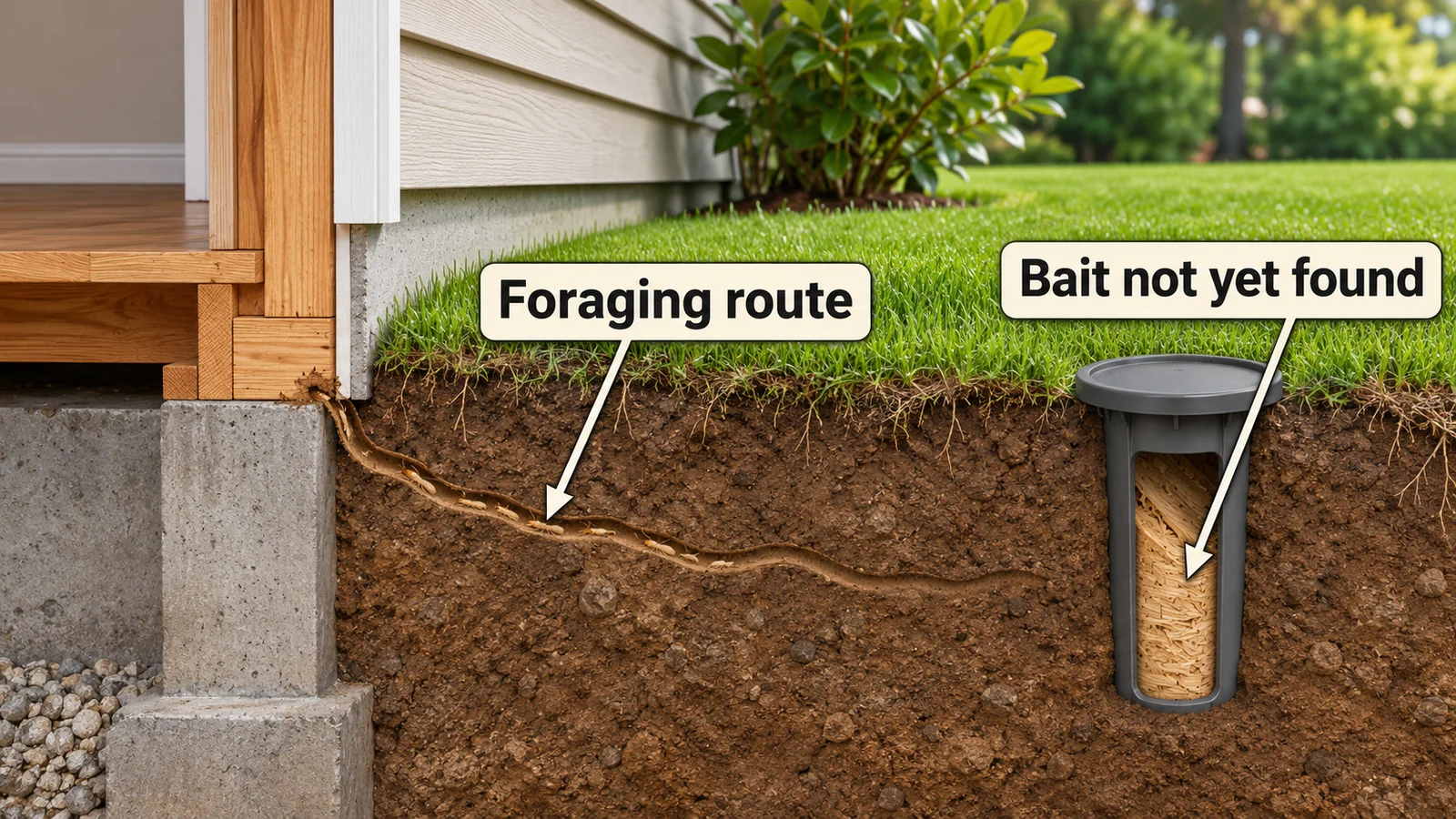
A soil treatment can protect the routes it adequately covers, but a hidden slab joint or an untreated connection to an addition may still matter. Ask how the proposed coverage accounts for the building’s layout and what remains outside the treatment scope. An exterior treatment is not necessarily equivalent to protection of every route beneath a slab.
Baits work differently. Termites have to encounter a station during their normal search for food. Soil temperature, moisture and the extent of colony foraging affect when that happens, so an empty station does not establish that termites are absent from the building.
The distinction between killing termites and stopping structural activity is particularly important during follow-up. If termites were found in a wall before treatment, ask how the provider will reassess that area, not just whether stations have been serviced or a scheduled visit has taken place.
When the colony is above ground
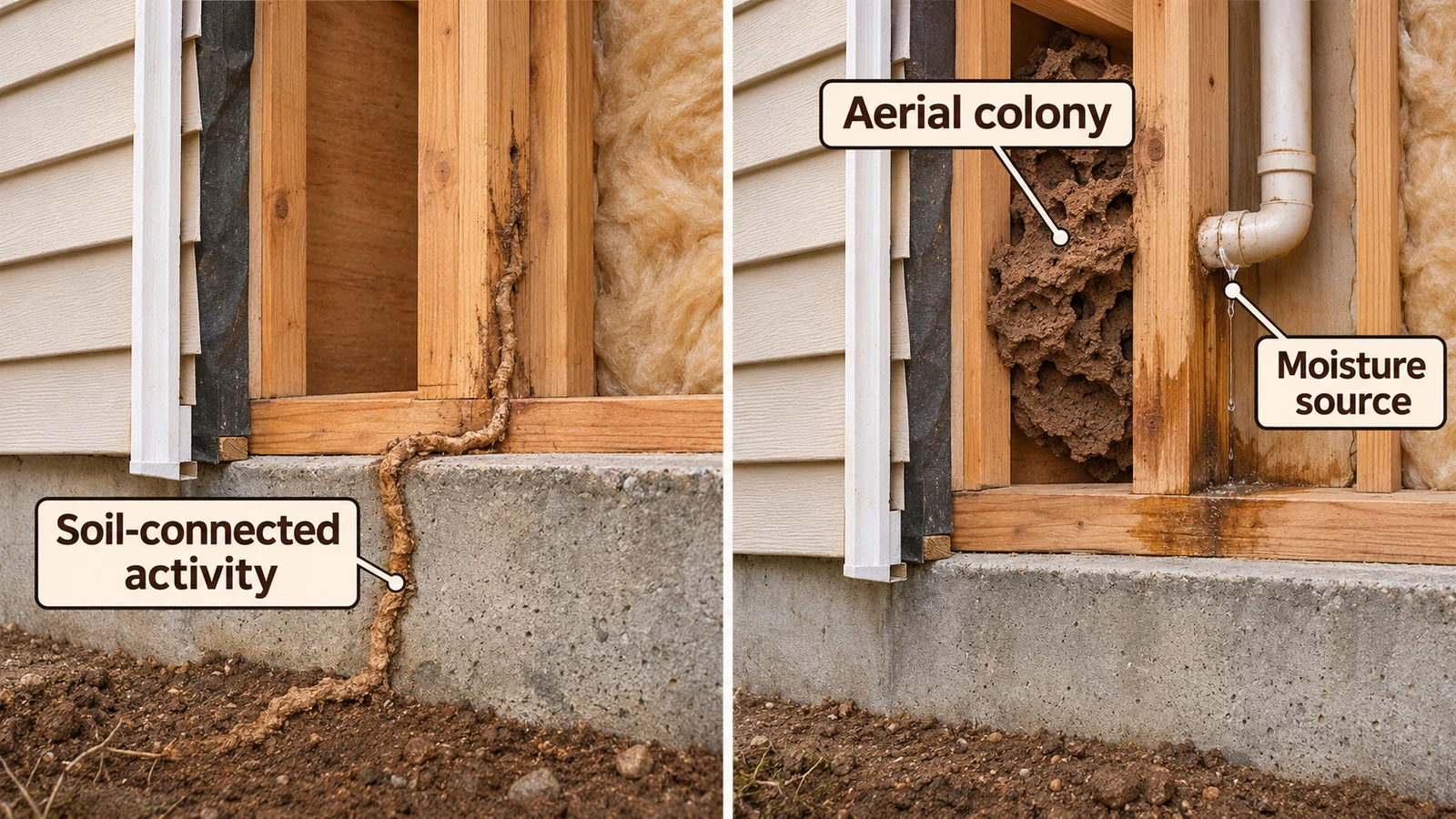
Some subterranean termites, particularly Formosan termites, can establish colonies above ground where sufficient moisture is available. A roof leak or plumbing problem can help sustain an aerial nest without a continuing connection to the soil.
In that situation, neither an ordinary perimeter soil treatment nor an in-ground bait program should be assumed to reach the entire infestation. The affected structure needs a specific assessment for above-ground activity and appropriate supplemental control, together with correction of the moisture source.
Coverage matters more than the method name
A proposal that explains how it addresses a concealed plumbing entry or an attached slab is more useful than a product claim that says little about the vulnerable part of your house.
What to Watch For
A quiet bait station or the disappearance of visible workers is not proof that feeding has stopped inside the structure. Confirm progress through follow-up of the original activity.
Which subterranean termite treatment should you choose?
Choose according to the foundation and the evidence
If termites are active in accessible wood near a soil-connected foundation route, a professional soil treatment is a reasonable option to discuss. It can be especially useful when prompt interruption of the route is important and adequate treatment coverage is feasible.
If extensive paving, a nearby well or other site restrictions make soil treatment difficult, discuss a professional bait program. Ask how the provider will deal with any areas where station access is limited and how current activity in the building will be addressed during the baiting period.
If termites continue to appear around an interior pipe opening after an earlier perimeter treatment, have that route reassessed. Renewing the same service without investigating the continuing activity may leave the underlying problem unresolved.
When evidence consists only of old damage or an isolated outdoor finding, first establish whether corrective treatment is justified. The choice may instead be a preventive protection program with appropriate inspections. Moisture repairs and removal of avoidable wood-to-soil contact help reduce future risk but do not eliminate an established colony.
When combining treatments makes sense
A provider may recommend a targeted, label-permitted treatment of confirmed structural activity while a bait program addresses foraging colonies and longer-term protection. Each part should have a defined purpose, and the provider should explain how the treatments will work together without interfering with bait feeding. A combination is not automatically necessary simply because both options are available.
In Practice
Before authorizing work, ask for the proposed coverage, excluded areas, product label and EPA registration number, follow-up plan, and response to recurring activity in writing. Use a properly state-licensed termite service provider. The permitted uses, site restrictions and occupancy precautions depend on the specific product and applicable state rules.
Explore this topic further:
Termite treatment: Options, safety, and when to hire a professional