Explanation
Do grits kill ants? What the evidence says
The idea that grits kill ants is a familiar household remedy, particularly for fire ants. Learn what their feeding biology and laboratory tests reveal, and why a commercial ant bait is different from a bag of grits.
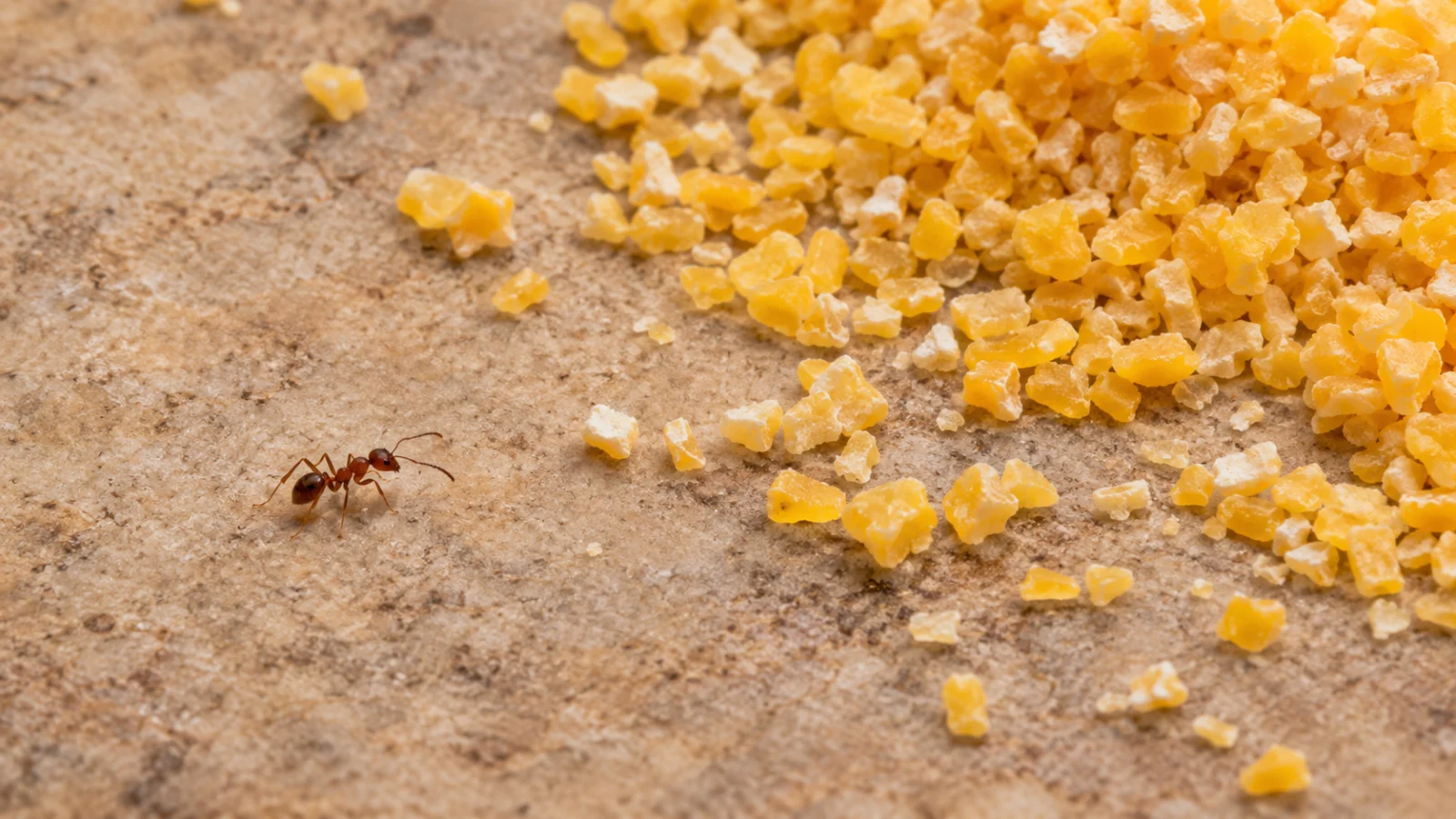
A bag of grits in the pantry might seem like an appealing alternative to buying an ant treatment. The idea is especially common in areas of the southern United States where fire ants build mounds in residential yards.
The trouble is that ants can carry food away and change their foraging patterns without the colony dying. To judge this remedy, it helps to understand what happens to a grain after an ant picks it up.
Quick Answer
No. Plain grits are not a reliable way to kill ants or eliminate their colonies. The claim that dry grits swell inside adult fire ants and cause them to burst conflicts with how these ants feed. Laboratory evaluations have found that collecting grits does not reduce fire ant colony populations.
Why the grits remedy doesn’t work
The popular explanation is that ants swallow dry grits, which absorb moisture and expand inside their bodies. But adult fire ants cannot swallow coarse solid food particles. A filtering structure in their feeding apparatus keeps those particles out of their digestive tract.
Workers can still pick up pieces of food and bring them back to the nest. Older larvae can process solid food, making liquid nourishment available to workers and other members of the colony. Carrying a grain is therefore quite different from swallowing it whole.
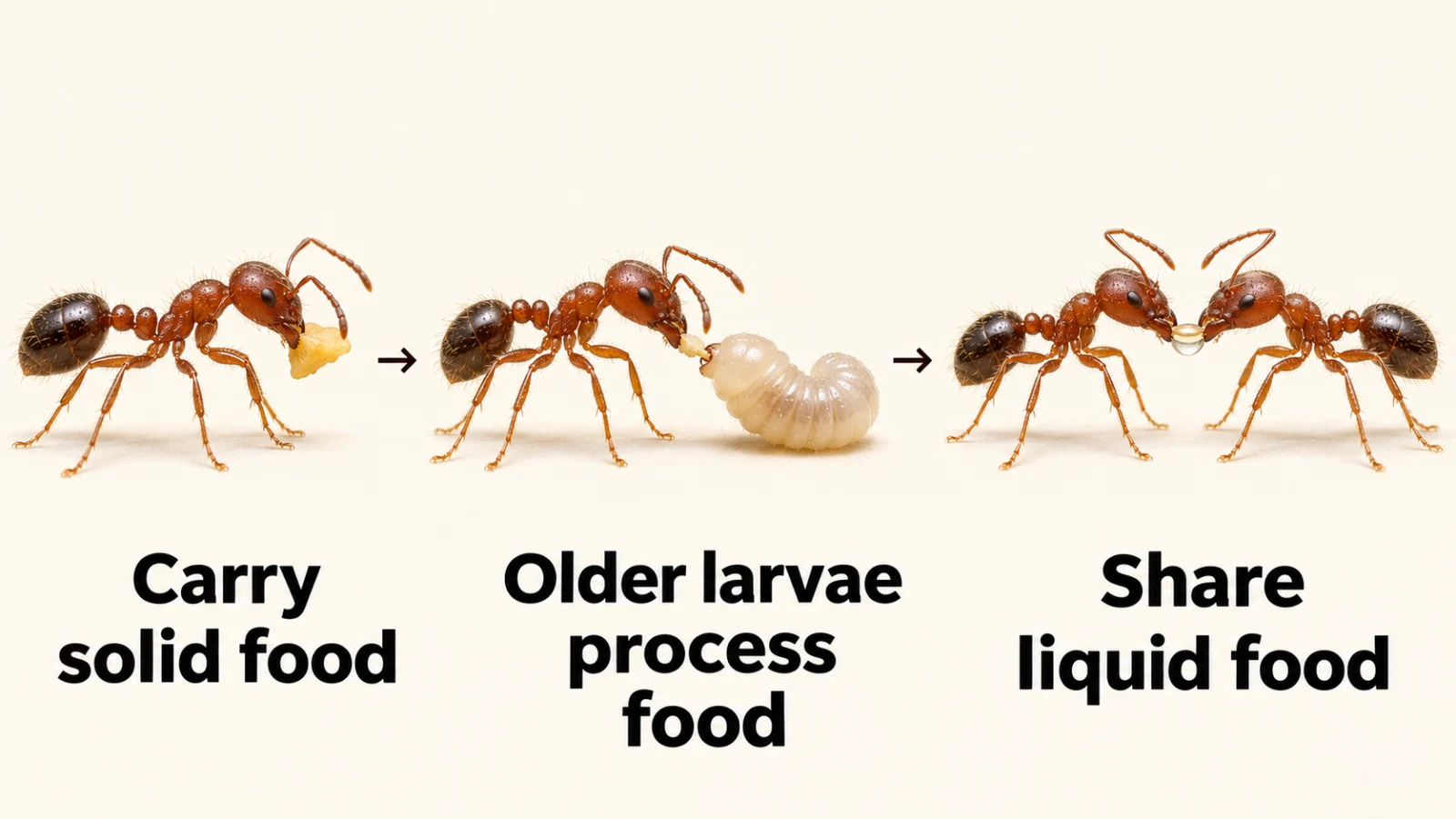
The distinction matters because the swelling theory assumes a process that does not occur in adult fire ants. There is also no established evidence that feeding plain grits to the larvae kills the colony or its queen.
What testing has found
In laboratory evaluations of imported fire ants, workers gathered grits without a corresponding reduction in the number of ants in the colony. The fact that the insects took the material was not evidence of a lethal effect.
This is direct evidence against using grits for fire ant control. Other household ant species differ in their food preferences and biology, but there is no good basis for treating plain grits as an effective ant killer for them either.
Why grits can appear to get rid of ants
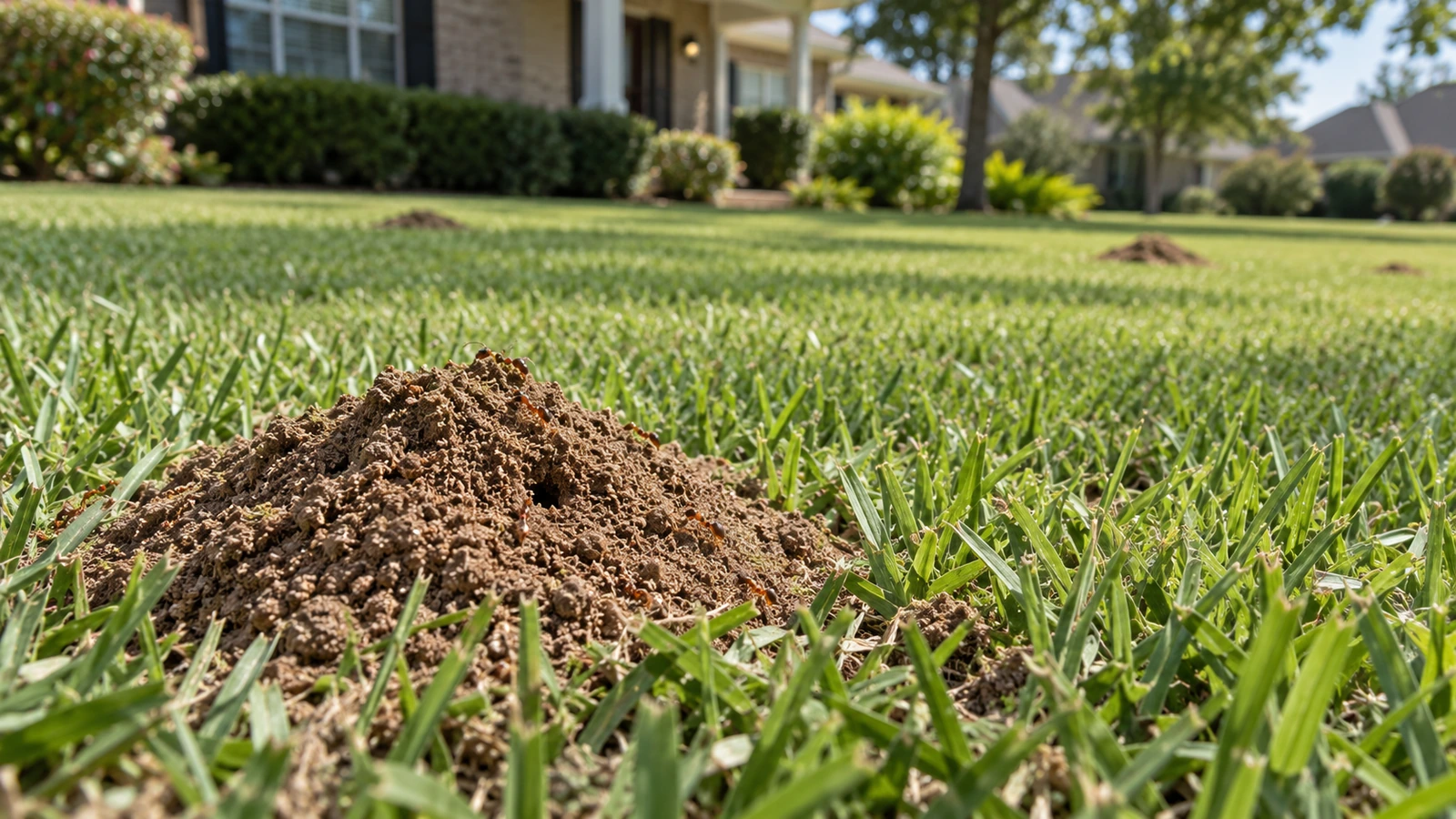
If the mound in your yard looks quiet the morning after you scatter grits, it is tempting to conclude that the treatment worked. Fire ant activity at the surface varies with conditions such as temperature and moisture, while much of the colony remains underground.
A disturbed colony may also shift its nest. Finding fewer ants at the original mound and then discovering activity nearby is consistent with relocation rather than elimination.
What counts as evidence of control?
- Grits disappear: Workers may simply have collected food particles.
- A few dead ants are visible: Individual workers have died, but the cause and the condition of the colony remain uncertain.
- The surface becomes quiet: The ants may be sheltering underground, foraging at another time or using a different location.
Even if some exposed workers die, the surviving reproductive ants and brood can sustain the colony. A meaningful reduction in the infestation requires a sustained change in activity across the affected area, not just a quieter mound or a temporarily empty kitchen trail.
Are cornmeal and grits different?
Both are made from ground corn, although the texture and processing differ. Switching from grits to cornmeal, or from regular to instant grits, does not turn an ordinary food into a proven colony-control treatment.
What works better than grits for ants?
If you have already put grits along an indoor ant trail, remove them and clean up any other food residues that might attract ants. For recurring ants in the house, look for the routes they use to enter and the resources that draw them indoors.
When colony control is needed, an appropriate ant bait can be a better option. It combines an attractant with an active ingredient that acts on the ants or their development. The foraging workers need time to carry or share the bait so it can reach other colony members.
Why some commercial ant baits contain corn grits
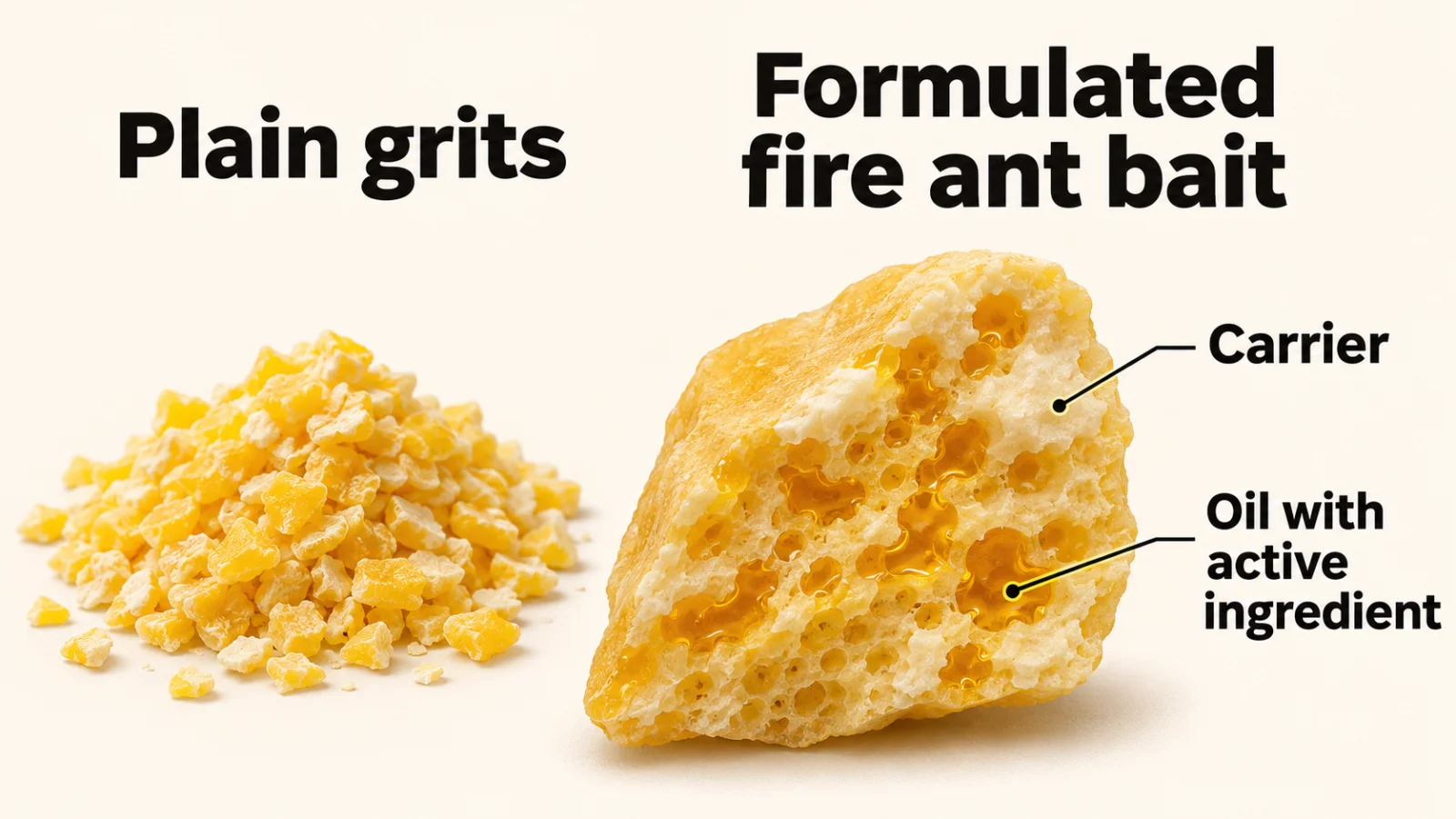
Many granular fire ant baits use processed corn grits or ground corncob as a carrier. An attractive oil holds the active ingredient, which is distributed through the colony as the ants collect and feed on the bait.
The carrier is not the insecticide. Plain breakfast grits lack the active ingredient that makes the formulated product effective. That is why the presence of corn in a registered fire ant bait does not validate the household remedy.
Choose an ant bait labeled for the species and location you intend to treat. An indoor bait for common household ants may not be suitable for outdoor fire ant mounds. Follow the product label and keep pesticides inaccessible to children and pets.
For persistent indoor activity, a broader guide on how to get rid of ants can help you assess the source and choose suitable control measures.
What to Watch For
If you suspect fire ants in your yard, keep children and pets away from the mound. Do not kick it, dig into it or disturb it to see whether the grits worked. Fire ants can sting when their nest is disturbed, and an apparently quiet mound may still contain active ants.