
Guide
Ants in the house: why they come in and what to do
Finding ants in your kitchen, bathroom, or along a baseboard can be frustrating, especially when they keep coming back. The key is understanding what attracts them, where they’re entering, and whether you’re dealing with occasional foragers or a more persistent problem. This guide explains how to investigate indoor ant activity, choose an appropriate response, and help prevent future invasions.

By


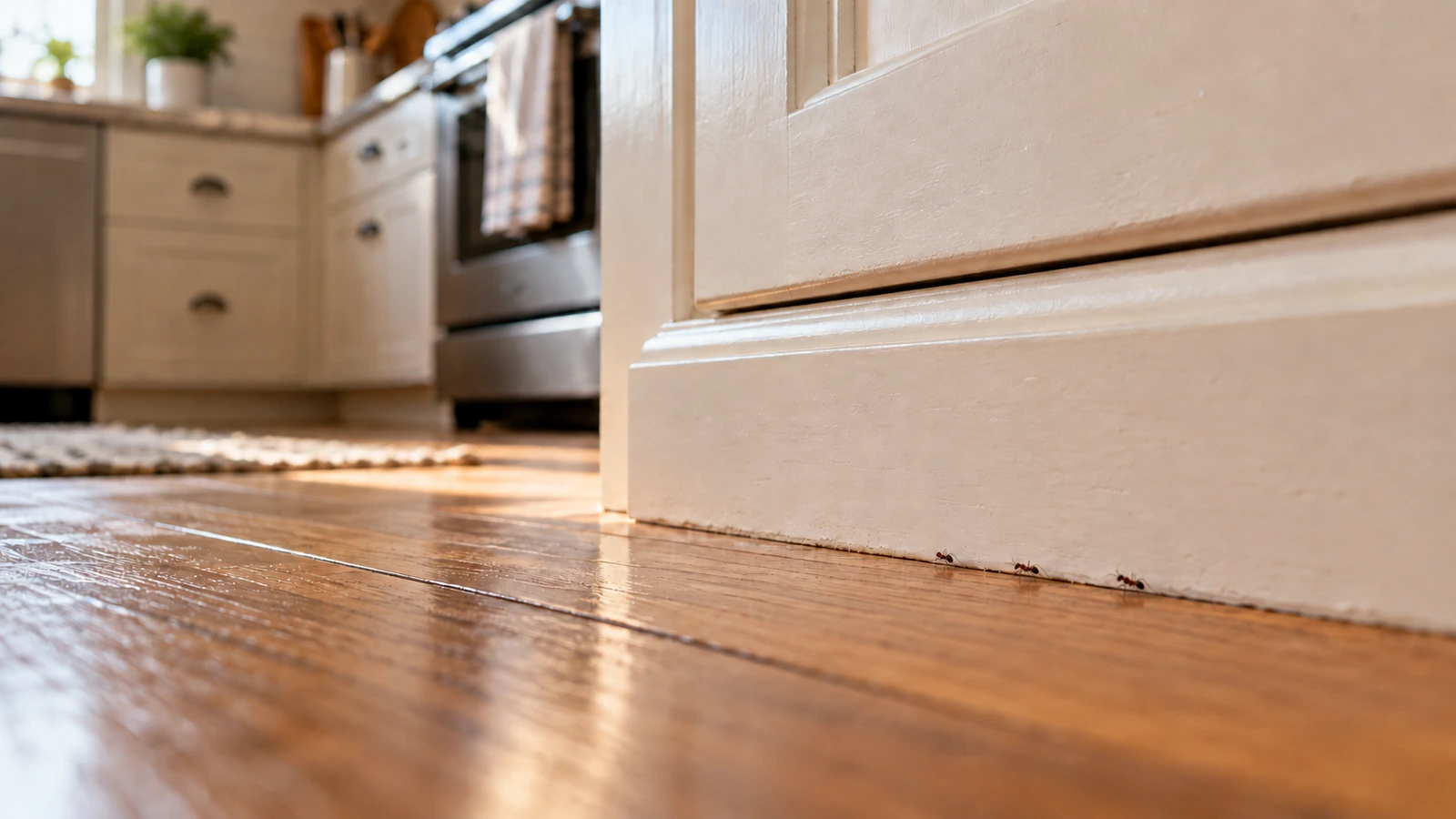
A few ants on a countertop don’t necessarily mean there’s a nest inside your house. Many species live outdoors and send workers inside to search for food or water. Others may establish nests in walls, damp wood, or other protected spaces within a building.
That difference matters because removing the ants you can see doesn’t always address the colony supplying them.
Before reaching for a spray, take a moment to observe where the ants are traveling and what they’re interested in. Those clues can make the next steps considerably more effective.
Why Are There Ants in Your House?
Ants are social insects that live in colonies. Depending on the species, a colony may contain hundreds, thousands, or many more individuals, including workers, developing young, and one or more reproductive queens.
The ants you see walking across a kitchen counter are usually workers searching for resources.
Ants can enter through surprisingly small openings around doors, windows, plumbing, foundations, and other structural gaps. Once inside, they may explore for a while before finding something worth returning to.
Why Ants Form Trails
Many ants communicate using chemical signals called pheromones.
When a worker discovers a useful food source, it may leave a chemical trail that helps other workers follow the same route.
As additional ants travel between the food and their colony, the trail can become increasingly noticeable.
This explains why you might see one or two ants in the morning and a much longer line later in the day.
The visible trail is often only the foraging route. It doesn’t necessarily reveal where the colony is nesting.

Key Takeaways
- Ants usually enter homes looking for food, moisture, or suitable shelter.
- A visible trail often leads toward an entry point, but not necessarily directly to the nest.
- A few wandering ants call for checking food sources and entry points; regular indoor trails point to more established activity.
- Species identification matters because nesting habits and effective treatments vary.
- Cleaning, exclusion, and targeted baiting can work together to reduce indoor activity.
- Repeated activity, suspected structural nesting, or difficult-to-control species may justify professional help.
How to Recognize Ant Activity in Your Home
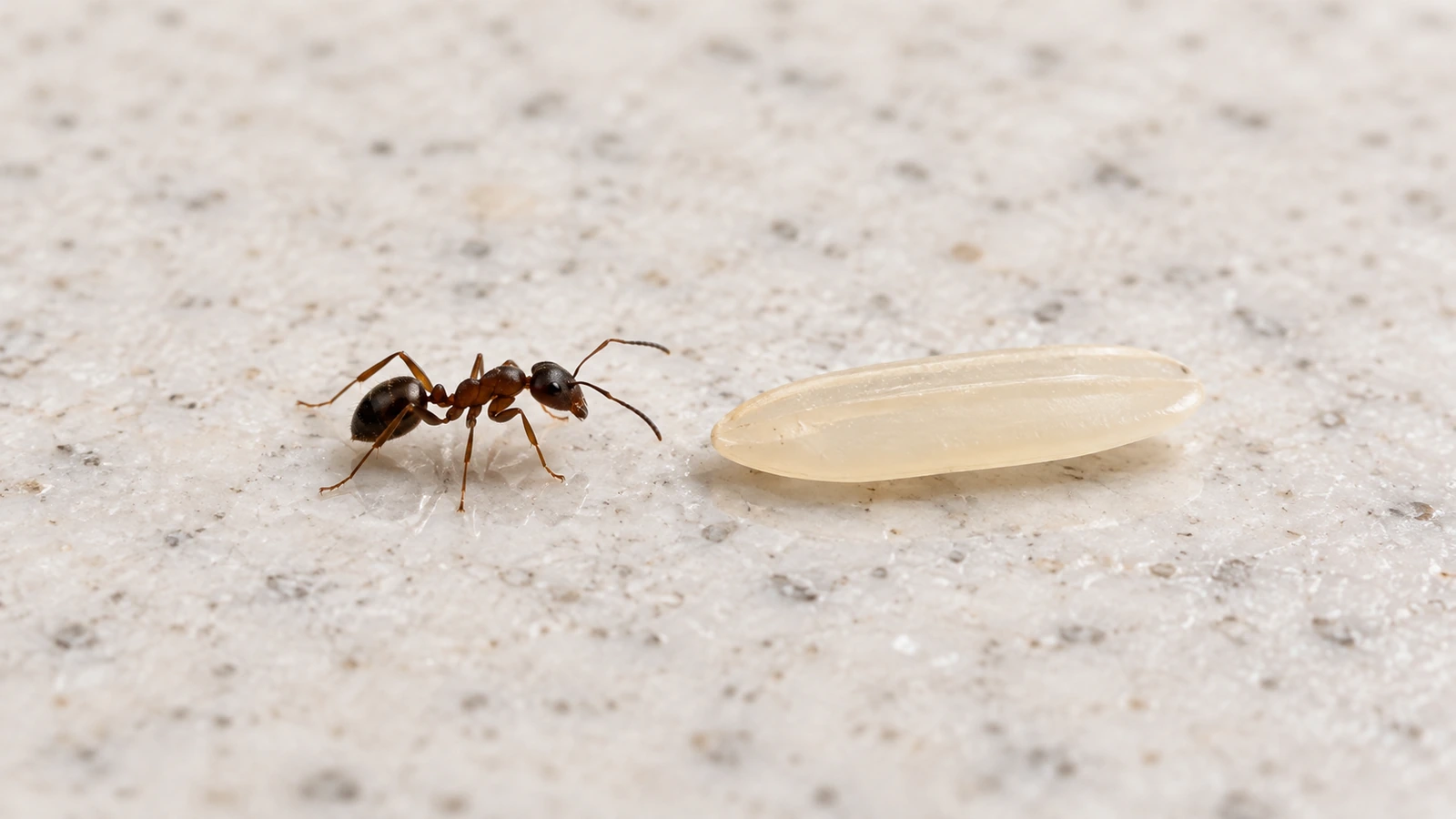
Most household ants are small insects with six legs, elbowed antennae, and a narrow waist separating the main body sections. Their coloration ranges from pale yellow or reddish brown to dark brown or black, depending on the species.
Size and color can provide clues, but neither is enough to identify every household ant. Two species that look similar may have very different nesting habits and responses to treatment.
Common Types of Ants Found Indoors
Small household ants
Tiny dark or light-colored ants frequently appear around kitchen counters, sinks, pantry shelves, and pet food.
They may belong to several different species. Finding tiny ants in the house doesn’t automatically identify them as little black ants, even if their coloration seems to fit.
Some species mainly forage indoors from outdoor colonies, while others can establish nests within buildings.
Carpenter ants
Carpenter ants are often larger than many common nuisance ants, although their size and coloration vary.
They can nest in wood, particularly where moisture damage has occurred. Unlike termites, they don’t eat wood; they excavate spaces within it.
Finding carpenter ants in the house deserves closer attention when sightings are frequent or associated with damp wood, although a large black ant isn’t automatically a carpenter ant.
Fire ants
Imported fire ants are particularly relevant in parts of the southern United States.
They are known for their painful stings and are commonly associated with outdoor colonies. Under some conditions, however, fire ants can also enter buildings or establish nests in protected structural areas.
The presence of fire ants in the house requires a different level of caution from an ordinary nuisance-ant trail.
Other common species
Odorous house ants, Argentine ants, pavement ants, and several other species can also enter American homes.
Their geographic distribution, nesting preferences, and food preferences differ.
A guide to the types of ants in the U.S. can help narrow down which species you’re encountering before choosing a control strategy.
What About Flying Ants?
Some ants develop wings during their reproductive stage.
Finding flying ants in the house may be associated with a seasonal mating flight, but repeated emergence from an indoor location can also suggest a nearby nest.
Winged ants are sometimes confused with termites. Their antennae, waist shape, and wing proportions provide useful distinctions, although close inspection may be necessary.
If you’re uncertain whether you’ve found flying ants or termites, accurate identification should come before treatment.
Why Do Ants Keep Coming Inside?
Ants usually enter homes in search of food, moisture, or shelter.
Food Sources
Ants may investigate:
- Crumbs, sugar, syrup, and spilled drinks.
- Grease, food residue, and unwashed dishes.
- Pet food left accessible.
- Unsealed pantry products.
- Food residue around garbage and recycling containers.
Not every ant species prefers sweets. Some are attracted to protein or fatty foods, and preferences can change with colony needs or the season.
This helps explain why ants sometimes ignore sugar but gather around grease or pet food.
Water and Moisture
Ants can also enter homes in search of moisture.
Leaking pipes, condensation, damp cabinets, and consistently wet areas around sinks may attract foraging workers.
Bathrooms and laundry rooms can therefore experience ant activity even when no obvious food source is present.
Persistent moisture can also create suitable nesting conditions for some species.
Weather and Outdoor Conditions
Ant activity often changes with the weather.
Hot, dry periods may increase the importance of indoor water sources. Heavy rain, flooding, or other environmental disturbances can also alter where ants travel or nest.
Seasonal foraging patterns vary by species and region. A sudden appearance may reflect changing outdoor activity, so check for repeated indoor trails when assessing a possible colony.
Entry Points and Nesting Locations
Ants commonly travel along structural edges and enter through openings around windows, door frames, pipes, utility lines, and foundations.
An indoor trail may connect to a colony outdoors, such as one beneath soil, landscaping materials, or paving.
Some species also nest inside wall voids, insulation, or other sheltered spaces.
Seeing ants emerge from a wall doesn’t prove that the nest is inside it. The opening may simply be part of their route.
How to Find Where Ants Are Coming From
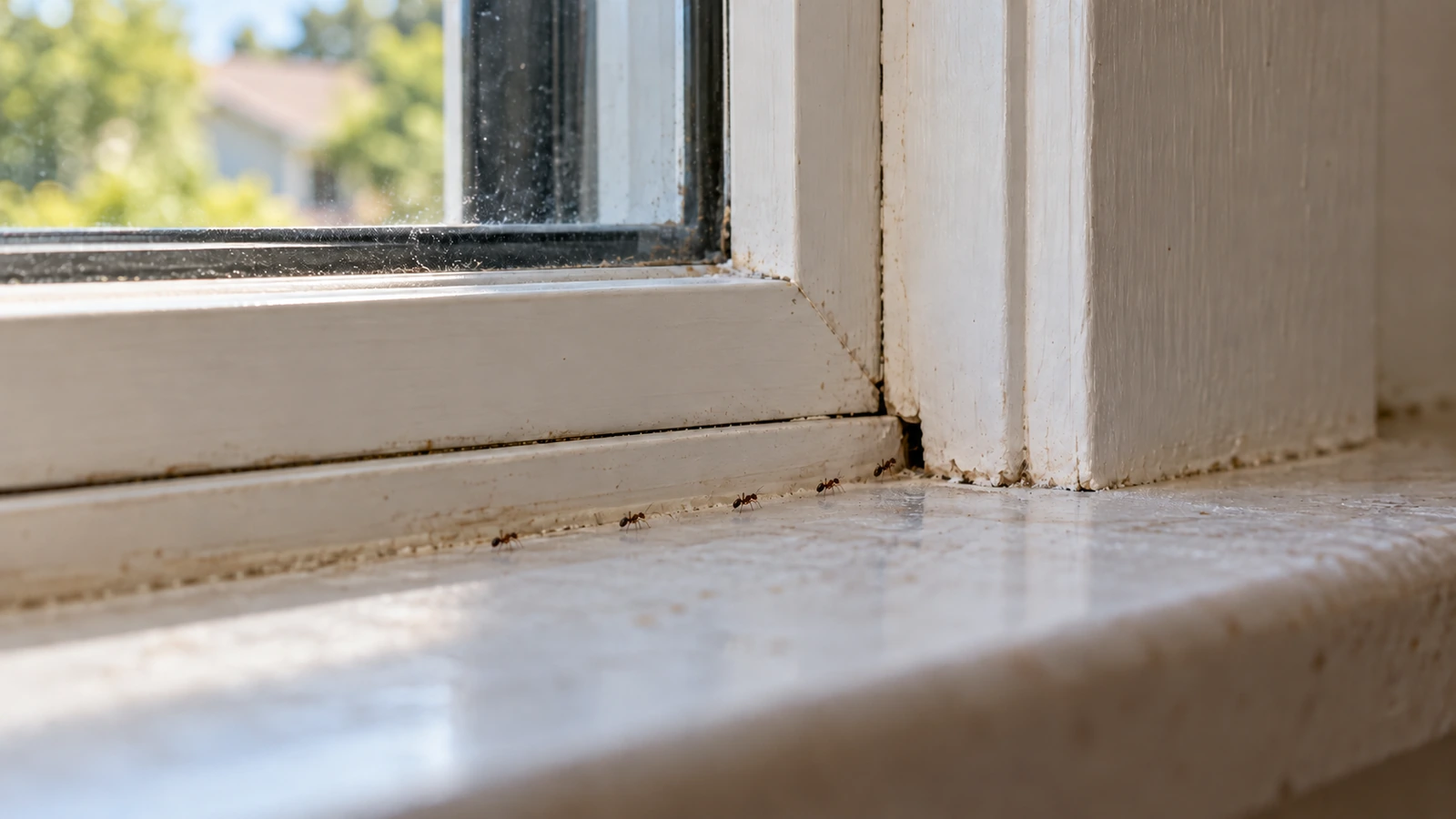
We recommend following the ants before clearing their trail. Note where they disappear and whether they return to the same spot.
In kitchens, a trail may run along the back of a countertop, beneath a cabinet edge, or toward a gap around plumbing. Elsewhere, workers may follow baseboards, window frames, or electrical and utility openings.
Where to Check First
Start with the areas where activity is most noticeable:
- Kitchen counters and pantry areas: Look for food residue, open containers, and trails leading toward cabinet edges.
- Under sinks: Check for moisture, leaks, and gaps around pipes.
- Doors and windows: Look for workers moving through weatherstripping gaps or cracks around frames.
- Baseboards and wall openings: Observe where ants disappear, without assuming that every opening contains a nest.
- Immediately outside the house: Check nearby foundations, paving edges, plants, and protected areas where trails may continue.
Following a trail toward the exterior can help establish whether ants are foraging indoors from an outdoor colony.
If the trail disappears into an inaccessible space, note the location rather than immediately opening a wall or applying pesticide inside it.
Occasional Visitors or a Persistent Problem?
A few scattered ants may simply be scouts investigating the environment.
A concentrated trail leading to a spill or an accessible food source can sometimes be resolved by removing the attractant and closing the entry point.
Repeated trails across several days, ants emerging from multiple indoor locations, or continued activity after food and moisture sources have been addressed may indicate a larger or harder-to-access source.
Species matters here. Some nuisance ants repeatedly forage indoors from outdoor colonies, while others are capable of nesting inside buildings.
For larger suspected carpenter ants, additional clues such as recurring activity near damp wood or coarse sawdust-like debris can justify a specialized inspection.

Practical Tip
Before wiping away a trail, take a photograph and note where the ants enter or disappear. Observing their route for a short time may reveal a small opening that would otherwise be easy to miss.

Watch For
Large numbers of winged ants emerging indoors, persistent activity associated with moisture-damaged wood, or recurring ants from several structural openings may warrant professional identification. Don’t assume these signs indicate a particular species without further evidence.
How to Get Ants Out of the House
For many ordinary household ant problems, the most useful starting point is to remove the resource attracting the workers and determine how they’re entering. Cleaning can stop an active trail, but if the colony still has access to the building, the ants may return.
More persistent problems may require targeted baiting or other species-appropriate measures. The aim is to reduce activity at its source, not simply kill the workers visible on a counter.
Start with Food, Water, and Access
Clean up accessible crumbs, spills, and food residue. Store attractive foods in sealed containers, and address leaking pipes or persistent moisture where possible.
Visible ants and their scent trails can often be removed with soapy water.
If you’ve identified an entry point, sealing the opening can reduce further movement into the home. Take care not to interfere with an active treatment plan or conceal a problem that still needs investigation.
These measures are particularly useful when ants are coming indoors from an outdoor nest.
When Ant Baits Make Sense
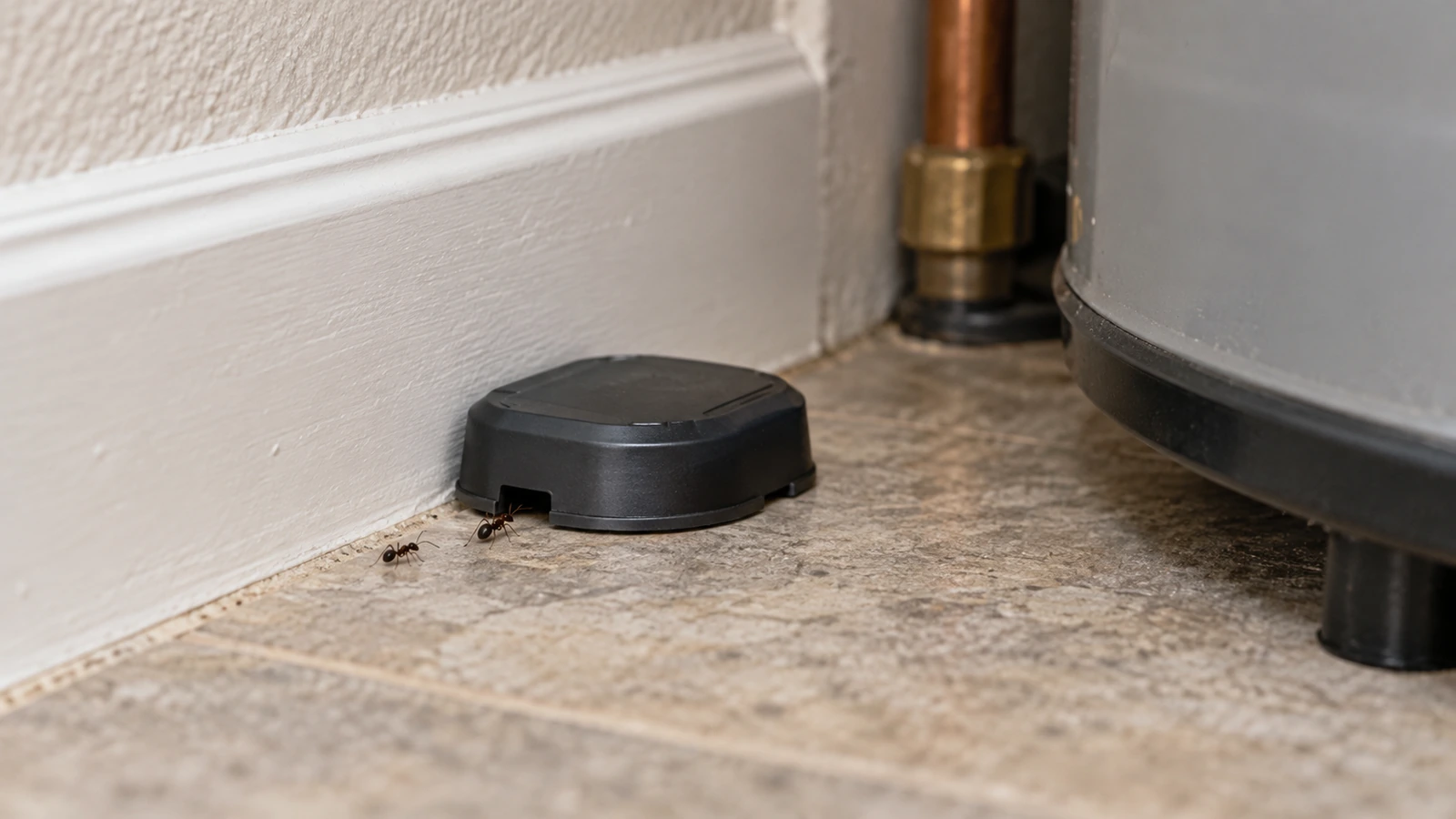
Ant baits contain an attractive food material combined with an insecticide.
Depending on the species and formulation, workers may feed on bait, carry it toward the colony, or share it with nestmates.
Because baits generally act more slowly than contact sprays, they can reach ants that aren’t visible during an inspection.

However, baiting isn’t equally effective against every species or in every situation.
Ants may ignore a product because its food attractant doesn’t match their current preferences, competing food is available, or the placement is unsuitable.
It’s also possible to notice increased activity around an attractive bait at first. Workers gathering around a bait station doesn’t automatically mean the infestation has become worse.
Use only products labeled for the relevant ants and application site, and follow all directions concerning placement, exposure, children, and pets.
Avoid spraying insecticide on or around an active baiting route. Killing the workers before they return to the colony can undermine the bait’s purpose.
If you are using bait, allow workers to access it as directed while removing competing food sources elsewhere.
Are Ant Sprays and Home Remedies Effective?
A contact spray may kill exposed ants, but killing the visible workers doesn’t necessarily affect the colony.
Some sprays may also interfere with baiting or complicate control of certain species.
Household suggestions such as vinegar, essential oils, or strongly scented substances may discourage activity in a particular location, but they shouldn’t be assumed to eliminate a colony.
Avoid homemade pesticide mixtures or treatments based on unverified recipes. Using more of a chemical than directed doesn’t make a treatment safer or more effective.
For persistent infestations, a structured plan for how to get rid of ants is preferable to repeatedly changing products without understanding the species or source.
When Should You Call a Pest Control Professional?
An isolated group of ants attracted to an accessible spill can often be managed with cleaning, monitoring, and exclusion.
Professional help becomes more reasonable when:
- Ant activity continues despite suitable initial measures.
- Several indoor areas are repeatedly affected.
- A nest may be established in a wall or inaccessible structural space.
- Carpenter ants are suspected near damaged or damp wood.
- Stinging ants present a risk to occupants or pets.
- Species identification is uncertain and would materially change treatment.
- The problem involves connected apartments or other shared areas.
An experienced pest control professional should investigate the likely species, nesting conditions, and entry routes before recommending treatment.
For suspected carpenter ants, structural moisture problems may need to be addressed alongside pest control.
For suspected fire ants, avoid disturbing a nest or attempting an improvised treatment, particularly when someone in the household is vulnerable to severe sting reactions.
In apartments, inform building management when recurring activity may involve shared structural spaces. Responsibilities and procedures can vary by location.
How to Keep Ants from Coming Back
Long-term prevention focuses on making indoor spaces less attractive and reducing opportunities for ants to enter. Because many ant colonies live outdoors, the goal usually isn’t to eliminate every ant around the property.
Everyday Prevention Measures
A few consistent habits can make a meaningful difference:
- Keep food contained: Clean spills promptly, store pantry foods securely, and manage pet food and garbage.
- Reduce moisture: Fix leaks, investigate condensation, and address damp areas near sinks, bathrooms, and foundations.
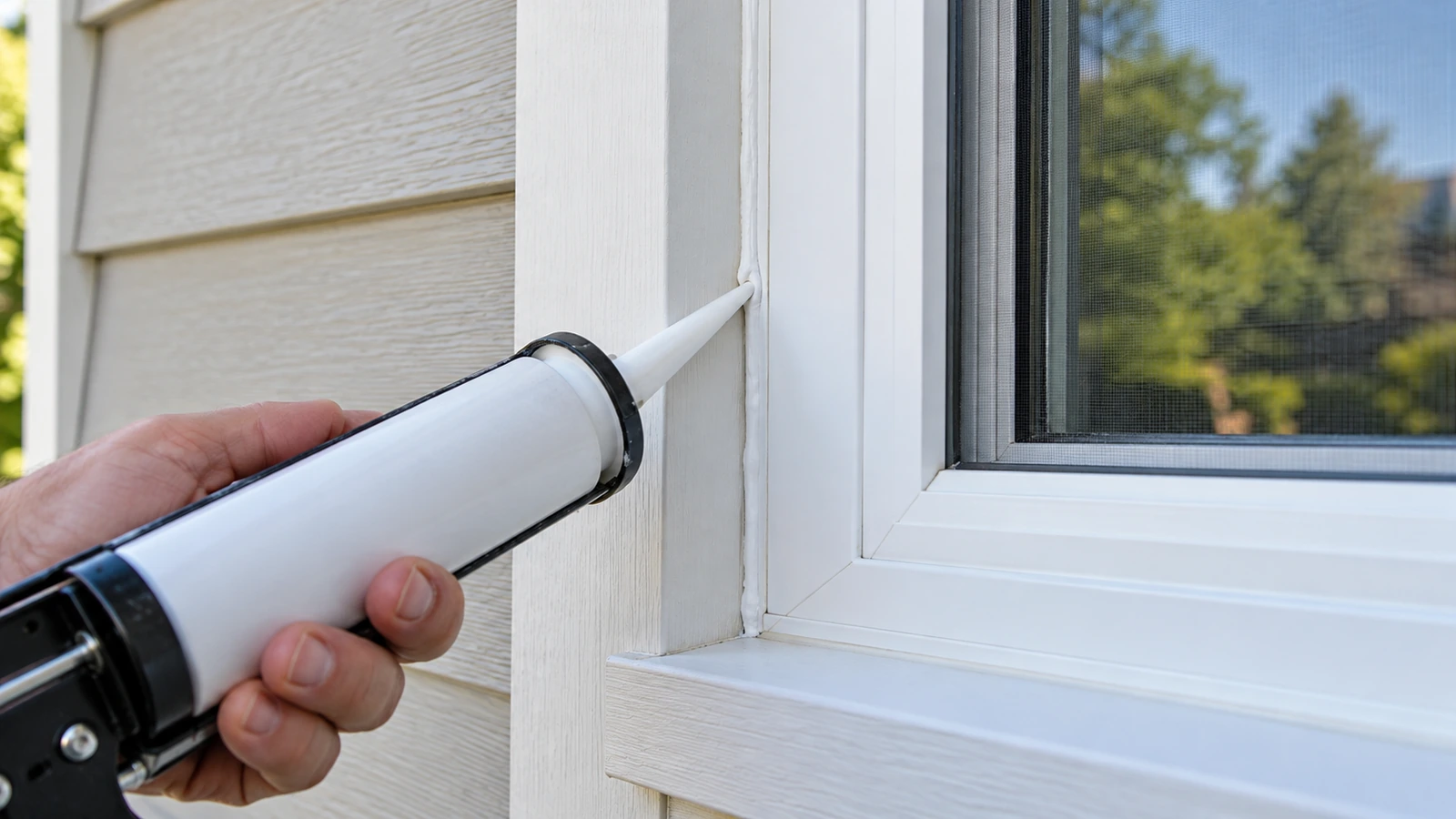
- Maintain entry barriers: Repair weatherstripping and seal appropriate gaps around windows, doors, pipes, and utility openings.
- Manage vegetation near the home: Trim branches and shrubs that provide direct routes onto the building.
- Reduce sheltered conditions near foundations: Keep unnecessary debris, damp materials, and stored wood away from vulnerable areas.
These measures work best together. Sealing one gap may help, but ants can find another route if an attractive food source remains available.
Monitor the Areas Where Ants Appeared
After activity declines, occasionally check the locations where ants were previously entering.
Pay attention to new trails, recurring moisture, and seasonal changes in activity.
If the ants return, compare the new activity with what you observed before. Are they using the same opening? Are they gathering around a different resource? Are the insects similar in size and appearance?
Those details can reveal whether an old route has reopened or whether a different ant species may be involved.
If baiting was part of the control plan, assess the results over the period indicated by the product and the observed activity. Don’t assume failure simply because workers are still visible immediately after bait placement.
Persistent activity may require reconsidering the species, bait acceptance, nesting location, or overlooked entry routes.
The most useful sign of progress is a sustained reduction in indoor activity combined with fewer opportunities for ants to return.

Good to Know
Ants have important ecological roles outdoors, including helping break down organic material and contributing to soil processes. Seeing them in the yard doesn’t automatically justify treatment. For household nuisance ants, keeping colonies from gaining access to the living space is often a more practical goal than trying to remove ants from the entire property.


