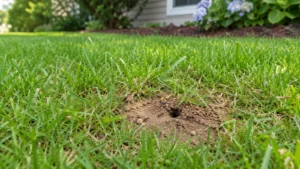
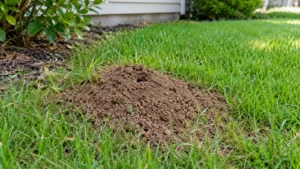
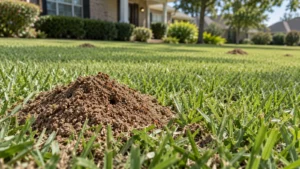
Explanation
Does boiling water kill ant hills?
Understand what boiling water does to an ant colony, why mound activity may return, and how the risks compare with safer ways to manage outdoor ants.

An ant hill appears in the lawn, and a kettle seems like an easy way to deal with it without using an insecticide. The immediate effect can be dramatic: the mound collapses, visible ants die, and activity seems to stop. The real question is what happens to the colony beneath the soil.
Quick Answer
Boiling water can kill ants and sometimes eliminate an entire colony, but it is unreliable as an outdoor control method. Surviving ants may rebuild or relocate, and hot water can cause serious burns and kill nearby plants. Safer, targeted options are generally a better choice when treatment is necessary.
Why boiling water can kill ants without eliminating the colony
Heat kills ants when it reaches them at a sufficiently high temperature. The difficulty is getting that heat throughout an underground nest, which consists of tunnels and chambers extending beyond the visible mound.
Water loses heat as it comes into contact with the surrounding soil. Some chambers may receive enough heat to kill their occupants, while others remain relatively protected.
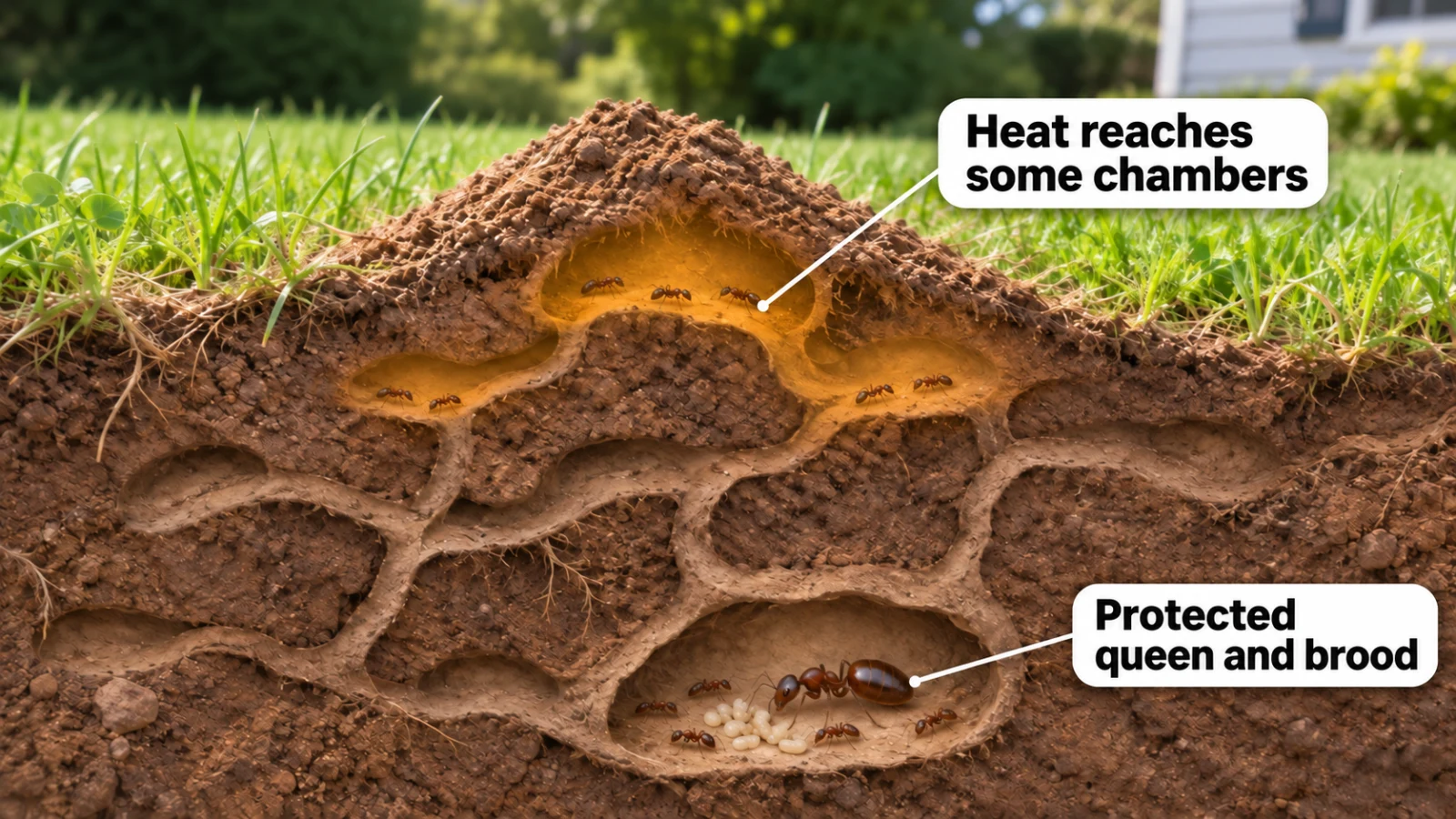
The colony matters more than the mound
The ants you see on the surface are only part of the colony. If reproductive queens survive along with enough workers, the colony can continue producing new ants. Surviving workers can also restore damaged entrances or establish activity elsewhere.
A flattened mound or an accumulation of dead workers tells you that the nest has been disturbed. Neither observation establishes whether the colony can recover.
How effective is boiling water against different ants?
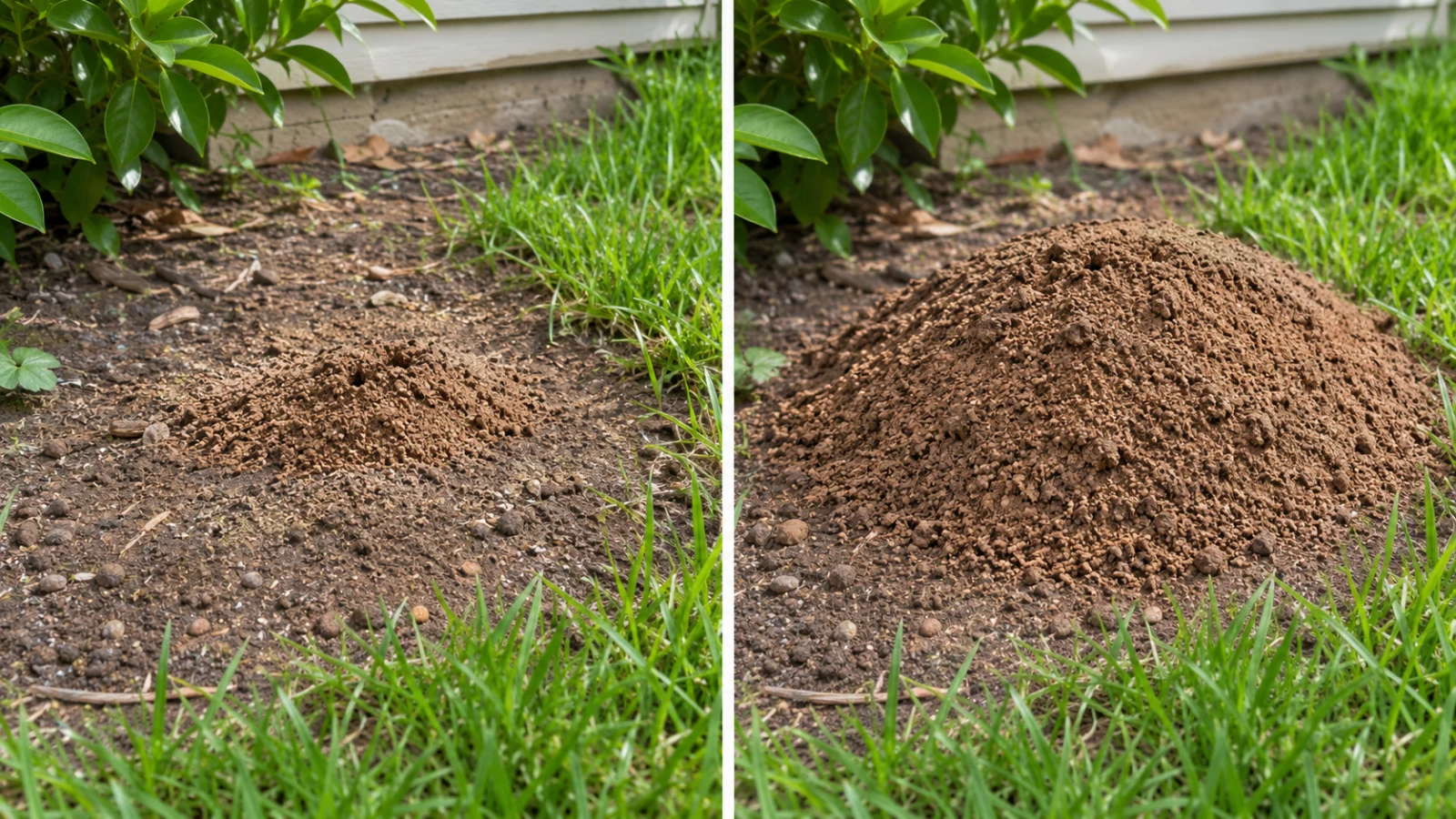
A small, shallow outdoor nest is generally more vulnerable to hot water than a large or deep colony. Nest structure, soil conditions and the location of the ants within the nest all affect how much heat reaches them.
Even within a single species, a mound’s appearance gives little indication of where the queen and developing young are located. A small soil pile can sit above a much larger network of passages.
What fire ant research tells us
Research shows that hot water can eliminate some colonies of imported fire ants. Reported elimination rates for treated fire ant mounds range from roughly 20% to 60% under particular treatment conditions.
Researchers have also achieved substantial reductions in fire ant populations with specialized equipment and repeated treatments. However, colonies survived some interventions, and new or neighboring colonies subsequently appeared.
These findings explain why boiling water sometimes works and sometimes produces only temporary relief. They do not establish a reliable success rate for a household kettle or for other ant species.
Why ants sometimes return nearby
If a new mound appears beside the old one, surviving ants may have relocated, or a neighboring colony may have occupied the area. A successful heat treatment leaves no lasting protection against another colony becoming established.
Why safer options usually make more sense
Carrying boiling water across uneven ground creates a risk of scalding. Splashing or runoff can reach your feet, nearby people or pets. Disturbing a suspected fire ant mound adds another hazard: workers may emerge rapidly and sting.
The method is also indiscriminate. Hot water can kill grass and damage nearby roots, seedlings and desirable garden plants. Runoff can affect vegetation beyond the mound. On patios or walkways, hot water may damage heat-sensitive coatings or finishes, and a wet surface can become slippery.
If you have already tried boiling water and now see a patch of dead grass with ants active nearby, repeating the same treatment risks enlarging the damaged area without solving the original problem.
Choose according to the actual risk
An isolated mound in an unused part of the yard may not require treatment at all, especially if the ants are not a stinging hazard or causing meaningful damage. If your concern is mainly the appearance of the grass, first consider whether ants in the lawn are actually a problem.
Where control is justified, an ant bait labeled for the species and outdoor site can reach nestmates through the colony’s feeding behavior. Baits generally take longer to work than contact treatments, but they avoid the immediate scalding hazard. Always follow the label, including restrictions around children, pets and edible plants.
For a suspected fire ant mound beside a playground, doorway or frequently used walkway, keep people and pets away and avoid disturbing the nest. Seek professional advice if the location poses a significant sting risk, the problem is widespread, or you cannot manage it safely.

Explore this topic further:
Ant hills in your yard: when to leave them and how to treat them