Comparison
How to choose a termite exterminator and compare service proposals
A good termite control proposal is more than a price and a warranty. Compare provider qualifications, inspection findings, treatment scope, follow-up, and repair coverage before committing to a service.
Two termite companies can inspect the same house and recommend very different work. One may propose treating a specific area, while another recommends protecting the entire structure and signing an ongoing service agreement. Before choosing either, find out what each company found, why its recommendation fits your home, and what it will be responsible for afterward.
What to look for in a termite control company
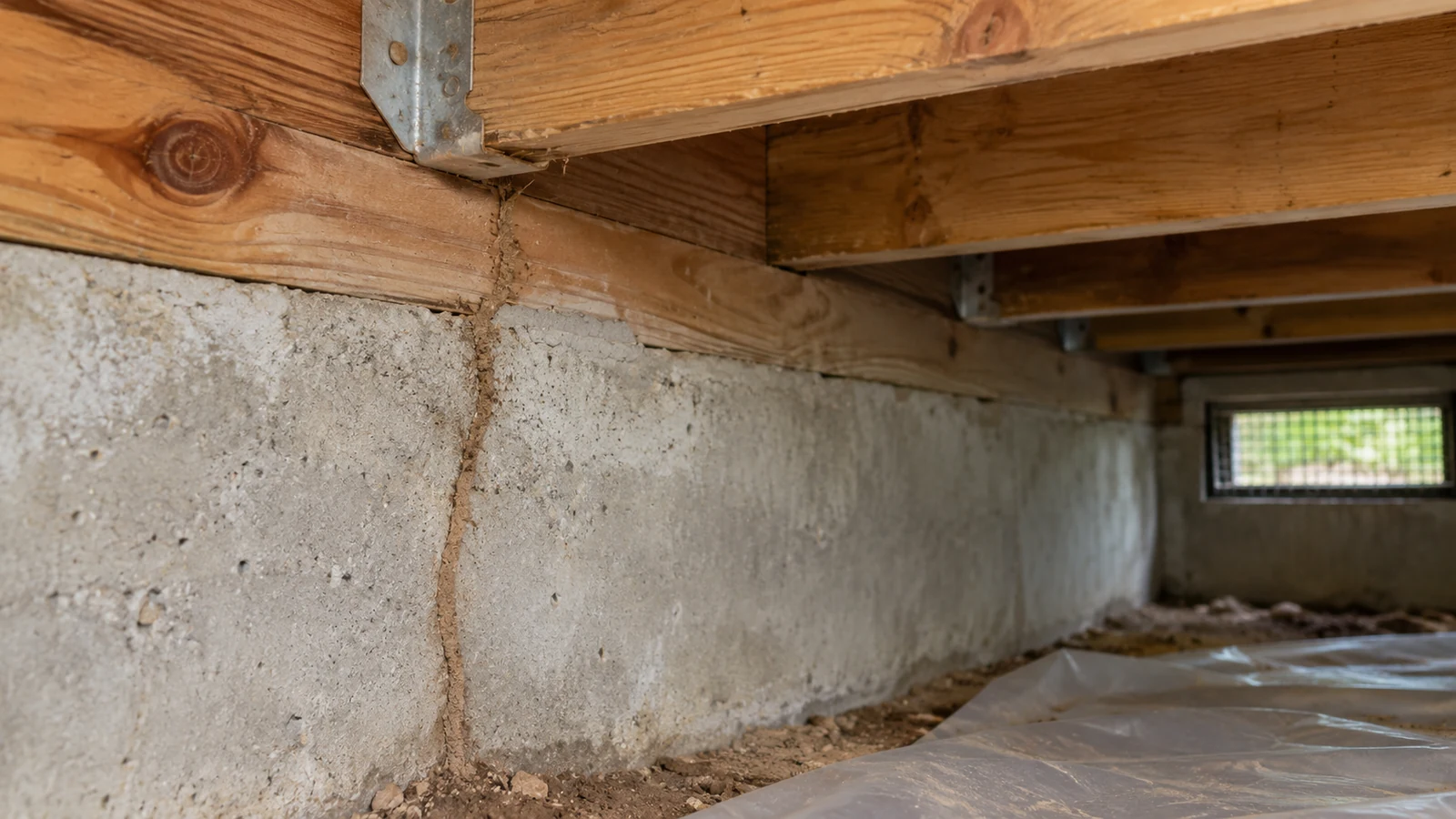
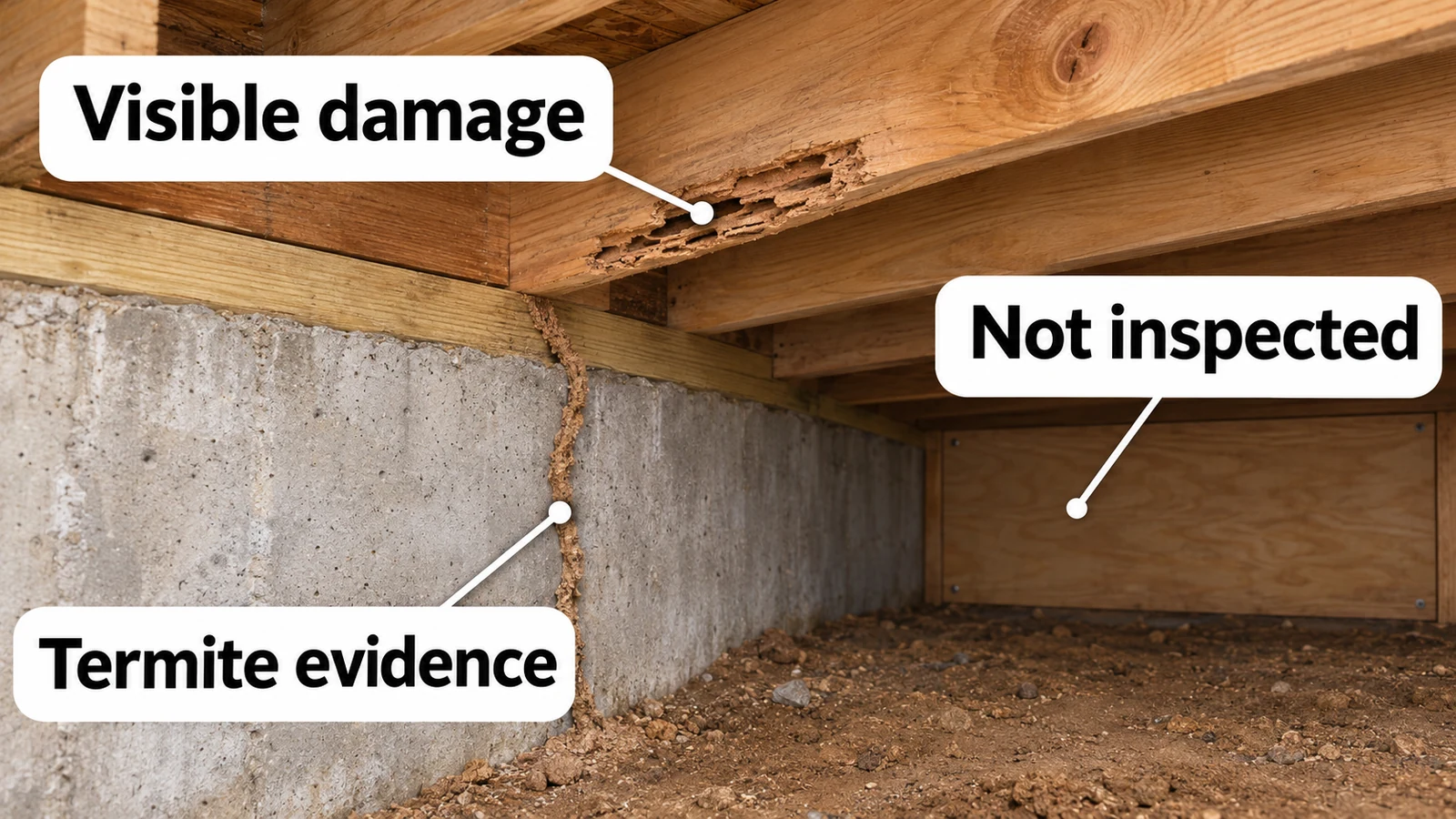
Start with evidence that the company understands your building. A competent provider should connect its recommendation to specific findings, such as active mud tubes along a foundation, inaccessible areas that need further assessment, or drywood termite activity in particular wood members. Ask to see where the evidence was found.
Verify credentials and relevant experience
Ask for the company’s legal business name and license or registration number, along with the credentials applicable to the person performing or supervising the work. Verify them with the state agency responsible for structural pest control. Check that the credentials are current and cover termite services and the proposed work, not simply general pest control.
Licensing categories vary by state. Texas, for example, distinguishes termite control from structural fumigation. California similarly distinguishes non-fumigation wood-destroying organism work from fumigation. If another company will carry out part of the job, ask who it is and verify its qualifications too.
Request evidence of current liability insurance and ask about experience with your type of home, whether it has a slab foundation, crawl space, basement, or hard-to-access wood framing.
Look for a documented inspection and a reasoned proposal
A useful termite inspection report separates current evidence from existing damage and identifies areas the inspector could not examine. Ask whether the findings suggest an active infestation, conditions that favor future activity, or both.
The proposal should explain why the recommended method fits the suspected or confirmed termite type and construction of the building. When pesticides are involved, request the product name, EPA registration number, applicable label, and precautions for occupants, pets, and any nearby wells. A product intended only to kill exposed termites is not necessarily suitable for structural protection.
Compare written scope and follow-up
Request an itemized estimate that identifies the structures and areas included, the treatment method, excluded work, any preparation you must arrange, and which visits are included. A clear service schedule should explain who will check the results and what happens if activity persists.
The following comparison illustrates three possible service proposals. Actual contracts differ, so use the criteria to examine the terms of each offer.
| Comparison criterion | Inspection-first service | Treatment + retreatment coverage | Treatment + repair coverage |
|---|---|---|---|
| Immediate purpose | Clarify the evidence | Control activity and address eligible recurrence | Control activity and cover eligible later damage |
| Initial deliverable | Findings and recommendations | Defined treatment scope | Defined treatment scope |
| Follow-up | Separately arranged if needed | As specified in the agreement | As specified in the agreement |
| Termites return | No treatment included unless separately contracted | Additional treatment under stated terms | Additional treatment and eligible repairs under stated terms |
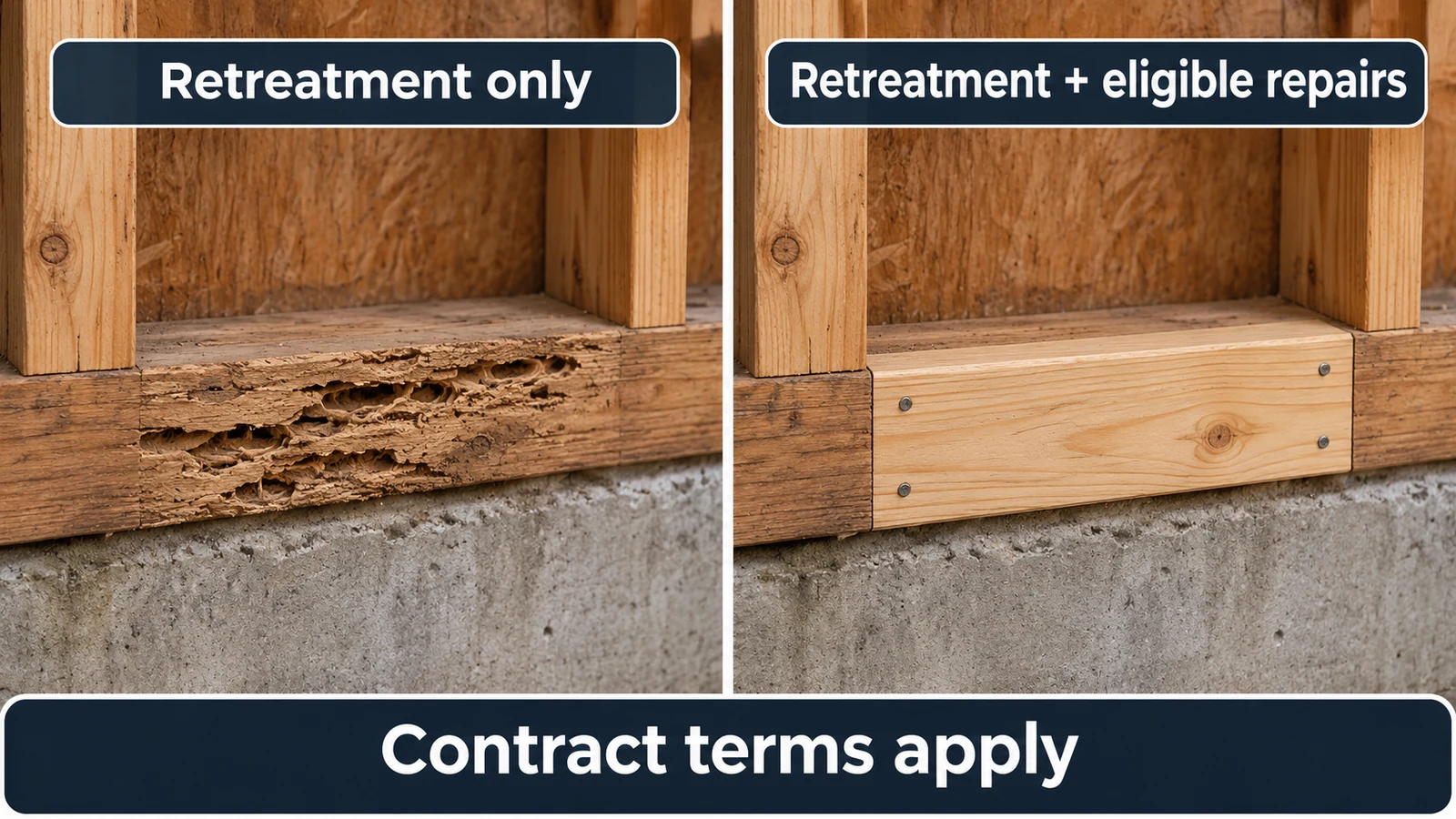
| Damage repairs | Not included in inspection alone | Not covered by retreatment alone | Subject to limits and exclusions |
| Best fit | Unclear diagnosis or conflicting findings | Defined treatment need with acceptable repair risk | Defined treatment need and meaningful repair protection |
Understand the trade-offs before signing
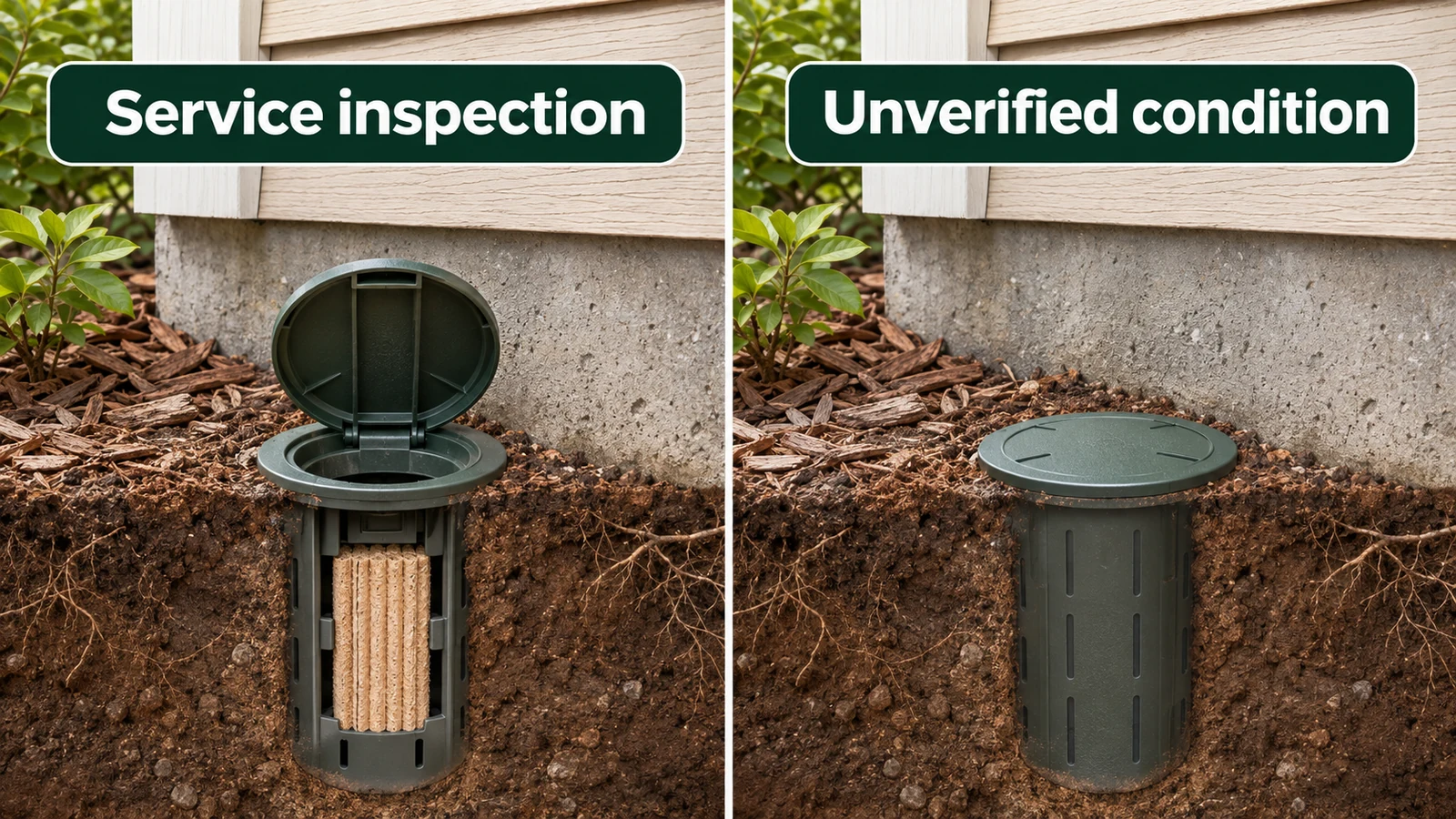
An ongoing bait service depends on inspections and maintenance appropriate to the installed system. Ask the company what a service visit actually includes and what happens to the stations if you stop renewing. A low initial commitment can be misleading if the plan depends on services you do not intend to maintain.
Treatment scope versus disruption
One company may recommend a localized treatment for apparently limited drywood termite activity while another proposes treating the whole structure. Ask each to explain how it assessed the extent of the infestation, what remains inaccessible, and what its proposed scope may leave untreated.
For subterranean termites, ask how the plan addresses the building’s foundation and potential entry routes. A proposal based solely on the visible area of activity may have a different purpose from one intended to protect the structure. Compare the rationale, not simply the method name. Understanding the available termite treatment options helps you evaluate these explanations.
What a warranty actually covers
A retreatment agreement can provide additional control services without paying for damaged wood. A repair agreement may cover qualifying new damage, but it can exclude preexisting damage, particular areas or termite types, or damage associated with conditions the homeowner failed to correct.
Check the coverage start date, duration, maximum payment if applicable, claim procedure, renewal charges, and whether the agreement can transfer to a future owner. Ask for a copy of the actual contract before paying or signing, rather than relying on terms such as "termite bond" or "full protection."
A proposal you can verify
Favor a provider that can show its findings, explain why the work is appropriate, and identify who will handle follow-up. Written responsibilities make later service easier to evaluate.
What to Watch For
Be wary of a promise to cover all future termite damage without written eligibility terms. Even a long warranty may exclude important structures, termite types, or circumstances.
Which termite exterminator is right for your home?
If the diagnosis is uncertain
Choose a provider that will investigate and explain the evidence before committing you to treatment. A second assessment is particularly useful when two companies recommend substantially different scopes without explaining why. Arrange a timely assessment rather than leaving suspected activity unresolved.
If active termites have been confirmed
Give priority to termite-specific qualifications, a treatment plan suited to the infestation, and clearly defined follow-up. Between otherwise comparable proposals, decide whether retreatment coverage is sufficient for you or whether meaningful repair coverage justifies the additional commitment.
If you already have a service agreement
Ask the current company for your treatment history, current coverage, recent inspection findings, and any outstanding conditions you must correct. If you are considering another company, compare its proposal with the protection you actually have. Do not assume existing bait stations, warranties, or repair obligations will automatically transfer.
In Practice
Request a written service report after each visit, including what was inspected, any activity found, corrective work performed, and the next service due. Keep it with your agreement and previous reports.
Common mistakes when comparing termite companies
A strong reputation can help you narrow the field, but reviews about routine ant or roach control do not establish experience with structural termite work. Look for relevant references and how the company handles unresolved findings or service complaints.
Avoid deciding on the spot because of a same-day discount or a claim that your home will collapse unless you sign immediately. If you suspect serious structural damage, arrange a prompt assessment by an appropriately qualified building professional as well as termite control advice. Pest treatment and structural repair address different problems.
Explore this topic further: