Guide
Brown-banded cockroaches: how to identify them and target an infestation
Identify brown-banded cockroaches from their crosswise bands, inspect furniture and elevated hiding places, and use a targeted control plan based on real evidence.
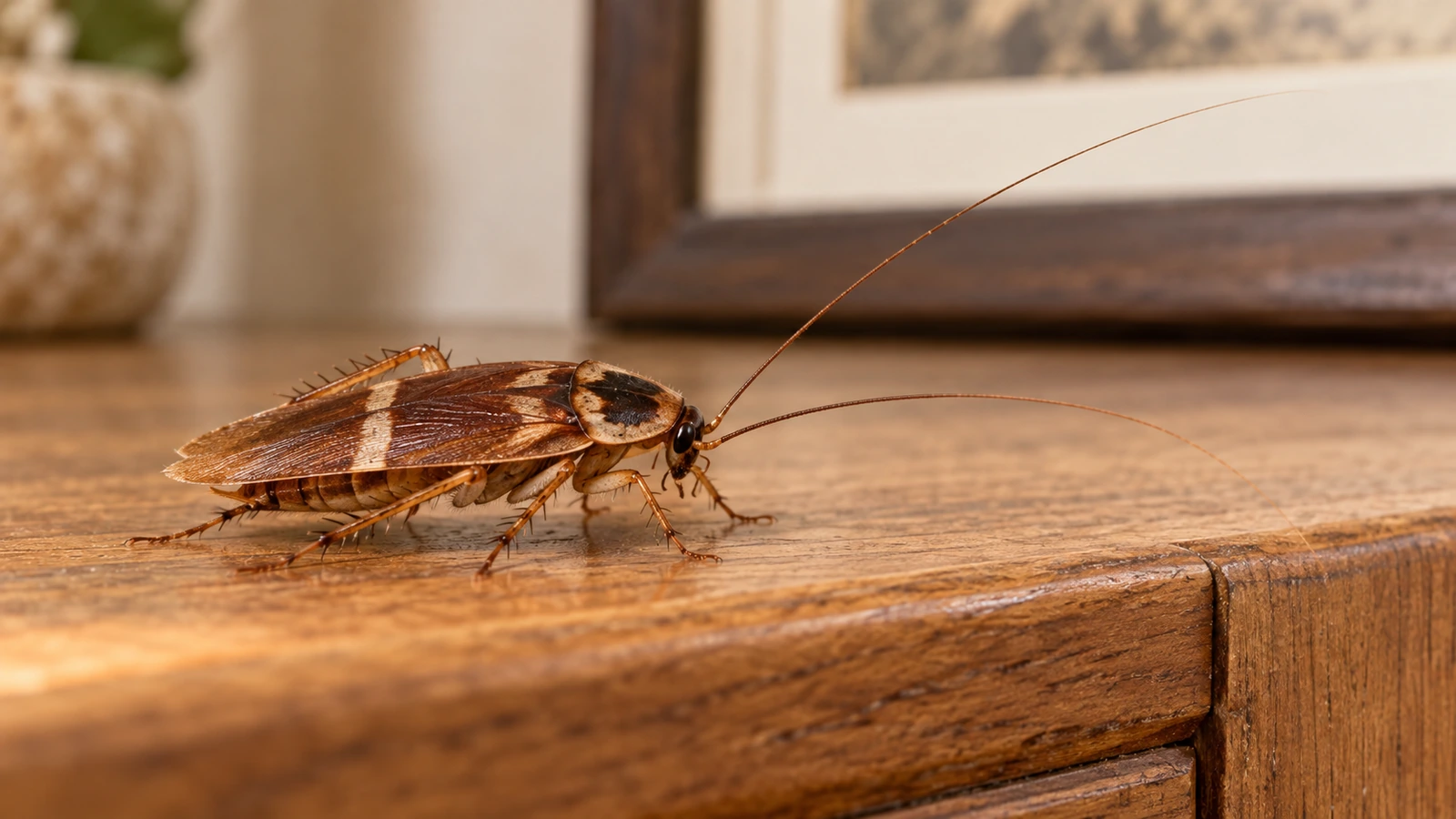
You spot a small roach on a bedroom wall, or one runs out from behind a picture frame. Checking under the kitchen sink seems like the obvious next move, but it may lead you away from the problem.
Brown-banded cockroaches can establish themselves in parts of a home that other common indoor roaches use less often. Identifying the insect and following its activity across rooms will help you decide where to inspect, what to remove, and whether targeted treatment is needed.
What Makes Brown-Banded Cockroaches Different?
The brown-banded cockroach (Supella longipalpa) is a small, indoor-breeding species found in homes and other heated buildings across parts of the United States. It is often confused with the German cockroach because the adults are similar in size.
The important difference is how it uses a building. Brown-banded roaches tolerate drier conditions and often occupy elevated, sheltered locations, including upper cabinets, closets, furniture, and areas near ceilings. They may establish themselves well away from kitchens and bathrooms.
They are primarily active at night. A sighting in a bedroom or living room is worth investigating, especially when the insect has the characteristic bands of this species.
For broader information about household cockroaches and their behavior, see our cockroach overview.
Key Takeaways
- Brown-banded cockroaches are small, usually around 1/2 inch long as adults, with pale bands crossing their wings or bodies.
- They often occupy warm, relatively dry hiding places above floor level.
- Nymphs and attached egg cases can help reveal established activity.
- Inspect multiple rooms and use sticky traps to locate active areas before choosing a treatment.
- Combine cleaning, habitat reduction, appropriate labeled control products when needed, and continued monitoring.
How to Identify a Brown-Banded Cockroach
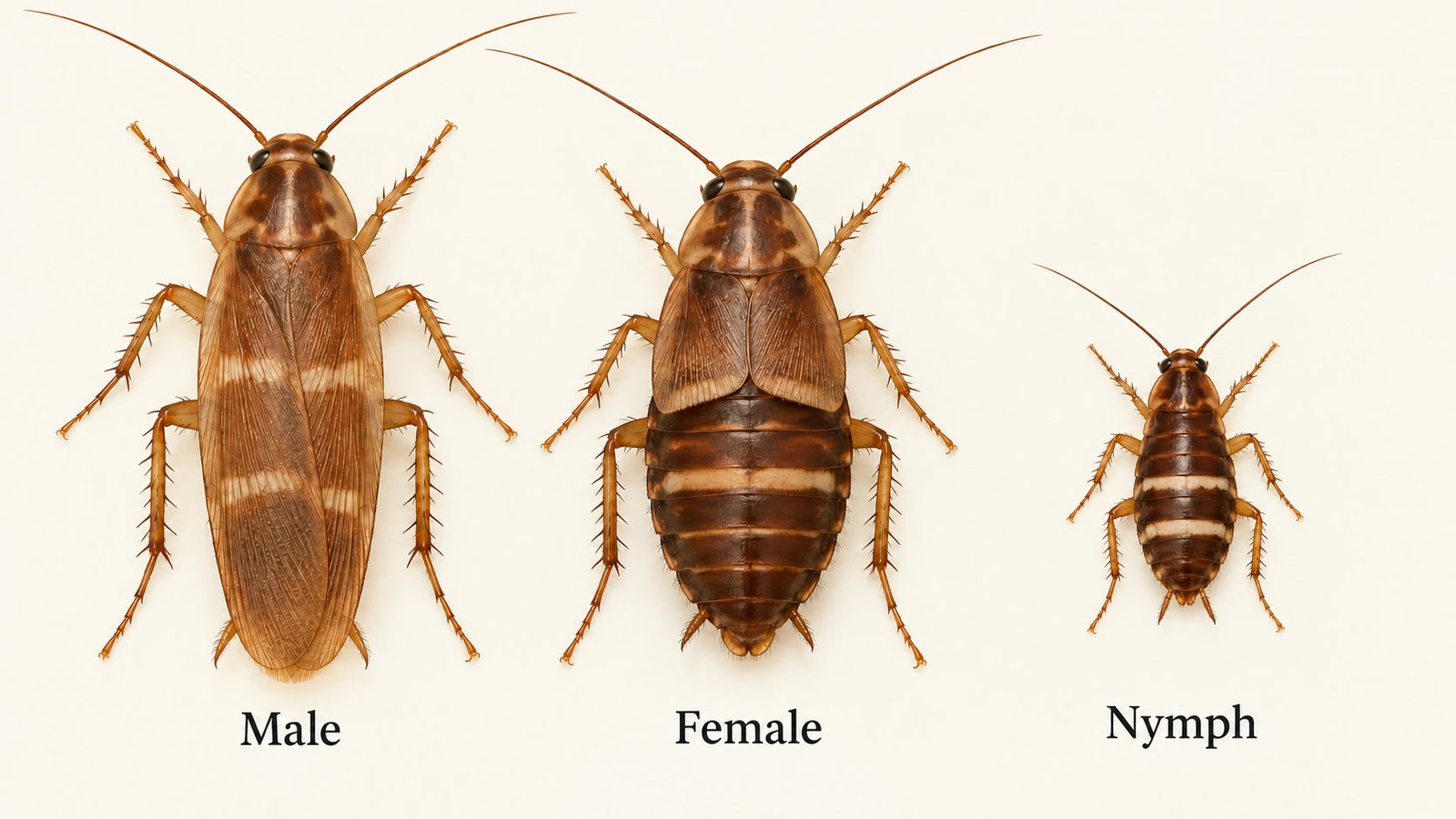
An adult brown-banded cockroach is roughly 1/2 inch long, with long antennae and a body ranging from light golden brown to darker brown. Its distinguishing feature is a pattern of lighter bands running across the body. These markings are often especially noticeable on younger cockroaches.
Adult males are slimmer and have long, fully developed wings covering the abdomen. Females are broader, with shorter wings that leave part of the abdomen exposed. The bands may be less obvious on some adults, so look at the overall combination of markings, body shape, and wing length.
Brown-Banded vs. German Cockroach
The German cockroach is the most important comparison because both species are small and commonly breed indoors.
German cockroaches have two dark, lengthwise stripes on the shield immediately behind the head. Brown-banded cockroaches instead have pale markings running across their bodies or wings.
German cockroaches also tend to concentrate around food, warmth, and moisture, especially kitchens and bathrooms. Brown-banded roaches are more likely to occupy warm, drier locations elsewhere in the home.
Habitat is a useful supporting clue, but the markings of a properly examined specimen are more reliable than its location alone.
Nymphs and Egg Cases
Young brown-banded cockroaches are wingless and typically darker than adults, with conspicuous pale bands crossing the abdomen. They can be mistaken for other young roach species, particularly when they are very small.
If you need to compare immature stages more broadly, see our guide to identifying baby cockroaches.
Females attach small brown egg capsules, called oothecae, to sheltered surfaces rather than carrying them until just before hatching, as German cockroaches do.
Finding a capsule firmly attached beneath furniture or inside an upper cabinet is an important clue. For a closer explanation of their appearance, see recognizing cockroach egg cases.
Why Brown-Banded Cockroaches Hide in Unexpected Places
This species can use a much wider range of indoor spaces than someone searching only around plumbing might expect.
Useful places to investigate include the upper edges and joints of cabinets, closet shelves, the backs of picture frames, the undersides of desks and chairs, dresser interiors, and protected spaces around warm appliances or electronics.
These locations offer warmth and narrow, sheltered hiding places. Brown-banded cockroaches also have lower water requirements than many other common household roaches, so a nearby leak or sink is not essential to their activity.
Food, Shelter, and Movement Between Rooms
Brown-banded roaches are scavengers. In addition to ordinary food residues, they may feed on starchy materials, glue, paste, and other organic residues found around furniture and stored belongings.
Cluttered storage spaces and tightly packed items can provide additional hiding places. Furniture, boxes, and appliances can also transport cockroaches or attached egg cases between locations.
In apartments and other shared buildings, movement between units is another possibility. Finding an adult near a window or doorway does not, by itself, establish where it came from.
Females can fasten egg cases to protected surfaces above floor level, including furniture and sheltered wall or cabinet areas. This is one reason a thorough inspection needs to go beyond searching for insects in the open.

Where to Inspect and How to Confirm Activity
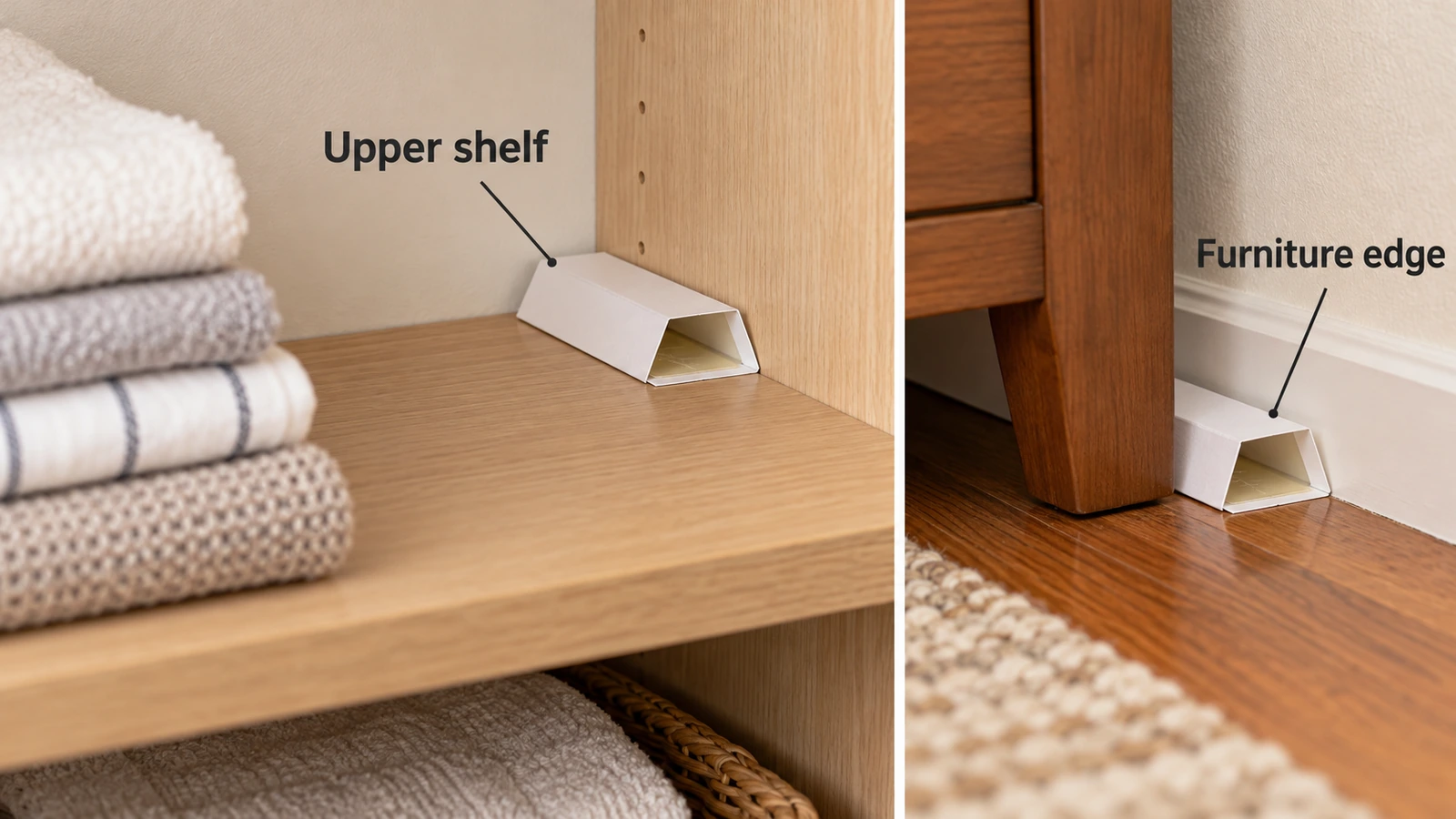
Start in the room where you saw the insect, then work outward. Use a flashlight to examine accessible upper shelves, cabinet corners, furniture undersides, and the spaces behind movable pictures or decorations. Look for live insects, shed skins, attached egg cases, and dark spotting concentrated near hiding places.
Place cockroach sticky traps along likely travel routes, especially against walls or in corners on stable shelves and other accessible surfaces. Include elevated locations where activity is suspected rather than relying entirely on traps beneath the kitchen sink. Keep traps away from children and pets.
Use Traps to Find the Active Areas
Label each trap with its room and exact location. Check them daily during an initial survey of approximately one week, recording the number and types of cockroaches caught.
Compare the results across locations. If an upper bedroom shelf repeatedly catches roaches while a kitchen trap stays empty, investigate the bedroom’s nearby furniture and wall junctions before expanding treatment elsewhere.
A trap that catches nothing may be poorly positioned. Move or add traps when sightings suggest activity in places the existing traps are not sampling.
What Makes an Infestation More Likely?
Repeated captures in the same area, live nymphs, attached egg cases, and several insects emerging from nearby hiding places provide stronger evidence of established activity than one adult sighting.
Finding similar signs in more than one room suggests you should expand the inspection. It does not automatically reveal the size of the population or prove that every affected room contains a separate breeding site.
Capture or photograph a specimen clearly enough to compare its bands and wings. If identification remains uncertain, preserve the sample for identification rather than choosing a species-specific treatment based only on color.
Practical Tip
Write the date and location directly on each sticky trap before placing it. Keeping traps identifiable makes it much easier to compare activity after cleaning or treatment and prevents an empty trap in one room from being mistaken for evidence that the whole home is clear.
Watch For
A combination of nymphs and attached egg cases in several protected locations deserves particular attention. It can indicate that cockroaches have been reproducing indoors, even when few adults are visible during the day.
How to Control Brown-Banded Cockroaches
Effective control starts with the locations where cockroaches actually live. A room-wide spray does little to address insects sheltered behind furniture, inside narrow gaps, or along upper cabinet joints. Begin by reducing accessible populations and hiding places, then use targeted control where monitoring shows continuing activity.
When pesticides are warranted, cockroach baits and appropriately labeled insecticidal dusts can be useful parts of an integrated approach. Brown-banded cockroaches can be harder to control with bait alone than some other indoor species, so placement, continuing inspection, and follow-up matter.
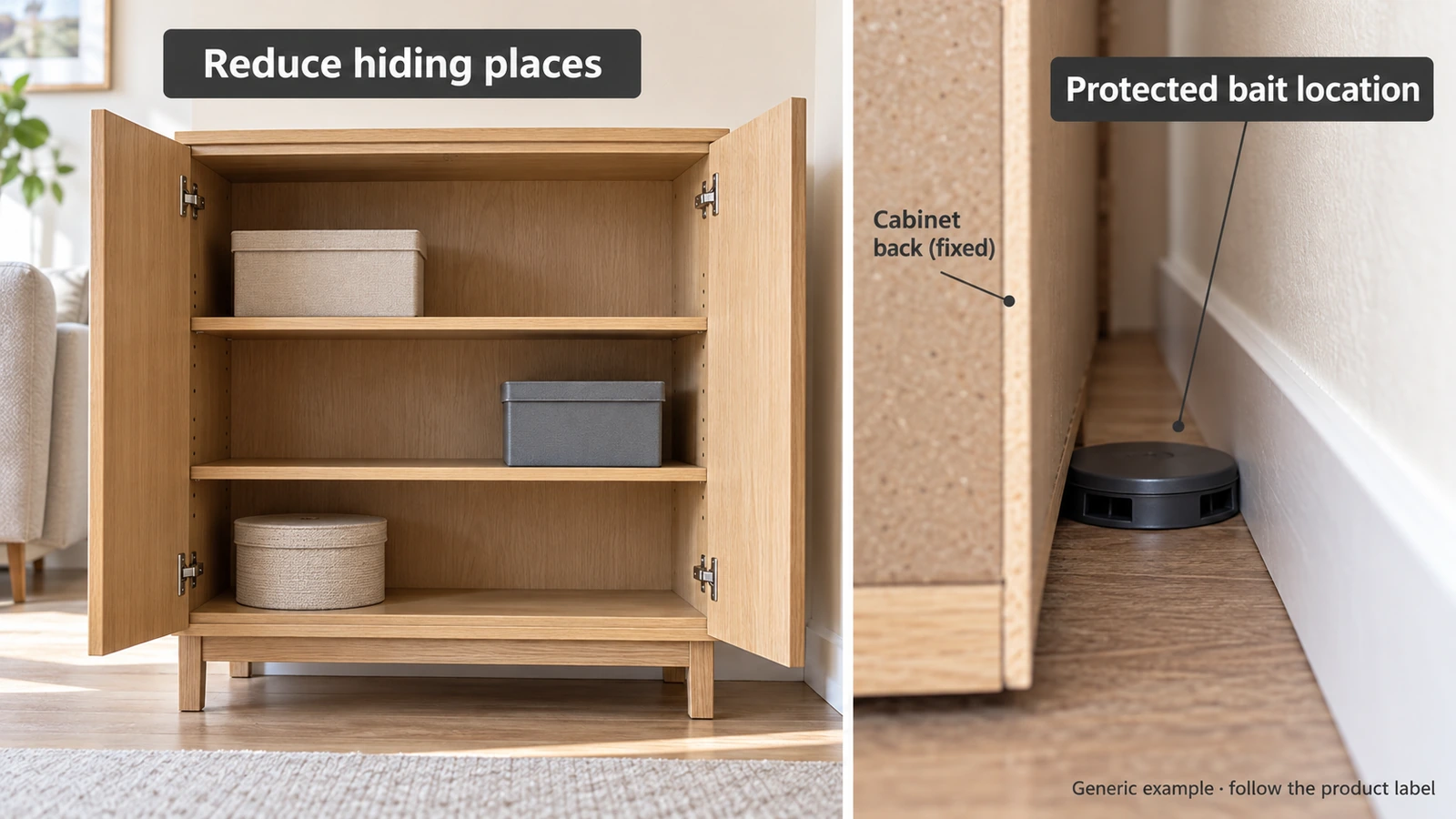
Remove Accessible Cockroaches and Hiding Places
Vacuum accessible cockroaches, shed skins, and egg cases, paying attention to cabinet joints, furniture undersides, and other identified activity zones. A vacuum with HEPA filtration can help contain fine debris. Empty the collected material into a sealed bag and dispose of it promptly.
Clean food residues and store food in closed containers. Reduce cardboard and paper clutter, particularly near active hiding places, and inspect belongings before moving them between rooms.
Remove or clean contaminated items when practical. Avoid spreading insects by carrying loose, infested materials through the home without containment.
Choose Baits and Dusts Carefully
Cockroach gel baits and enclosed bait stations can help control an established population when cockroaches encounter and feed on them.
For this species, placement near confirmed activity may be more useful than concentrating every bait beneath the sink. Select only a product labeled for the intended indoor use, and follow its exact placement, quantity, handling, and reapplication directions.
Keep insecticides inaccessible to children and pets, and never put them on food-contact surfaces, bedding, or inside electrical equipment.
Some brown-banded individuals, including females carrying egg cases, may feed little or remain concealed. This can limit how quickly bait affects the population. Check bait condition and trap activity rather than interpreting a lack of immediate results as proof that the product has failed.
Insecticidal dusts, including products formulated with boric acid or desiccant ingredients, may be appropriate in dry, inaccessible cracks or voids when their labels permit that use. They should not be scattered openly across shelves, floors, or furniture. Uncontrolled dust exposure and excessive application introduce avoidable problems.
Inaccessible wall voids and electrical areas may require professional attention rather than improvised treatment.
Avoid Foggers and Broad Spraying
Total-release foggers, sometimes called bug bombs, generally do not reach the narrow spaces where brown-banded cockroaches shelter. They can create unnecessary pesticide exposure and fire hazards without addressing the source of activity.
Broad surface sprays may also disperse roaches or interfere with bait placements. Do not spray on or around bait unless the relevant product labels specifically permit the combination.
For a more extensive household treatment strategy covering cockroaches generally, use our complete cockroach control plan.
When Professional Help Makes Sense
Consider a pest control professional when repeated monitoring shows activity across several rooms, egg cases and nymphs continue appearing despite appropriate control efforts, or important hiding places cannot be accessed or treated safely.
Recurring activity in a multi-unit building may require coordinated inspections rather than repeated treatment of one apartment alone.
A single uncertain sighting is not automatically a reason to arrange extensive professional treatment. Start with identification and evidence.
Essential Steps
- Confirm the species: Examine or photograph a specimen and check for crosswise pale bands.
- Inspect beyond the kitchen: Prioritize warm, sheltered furniture and elevated locations.
- Map the activity: Place labeled sticky traps and compare captures across rooms.
- Target the active areas: Remove accessible insects and hiding places, then use appropriately labeled control products if needed.
- Keep checking: Review traps and new signs, adjusting the response when activity continues.
Preventing Brown-Banded Cockroaches From Returning
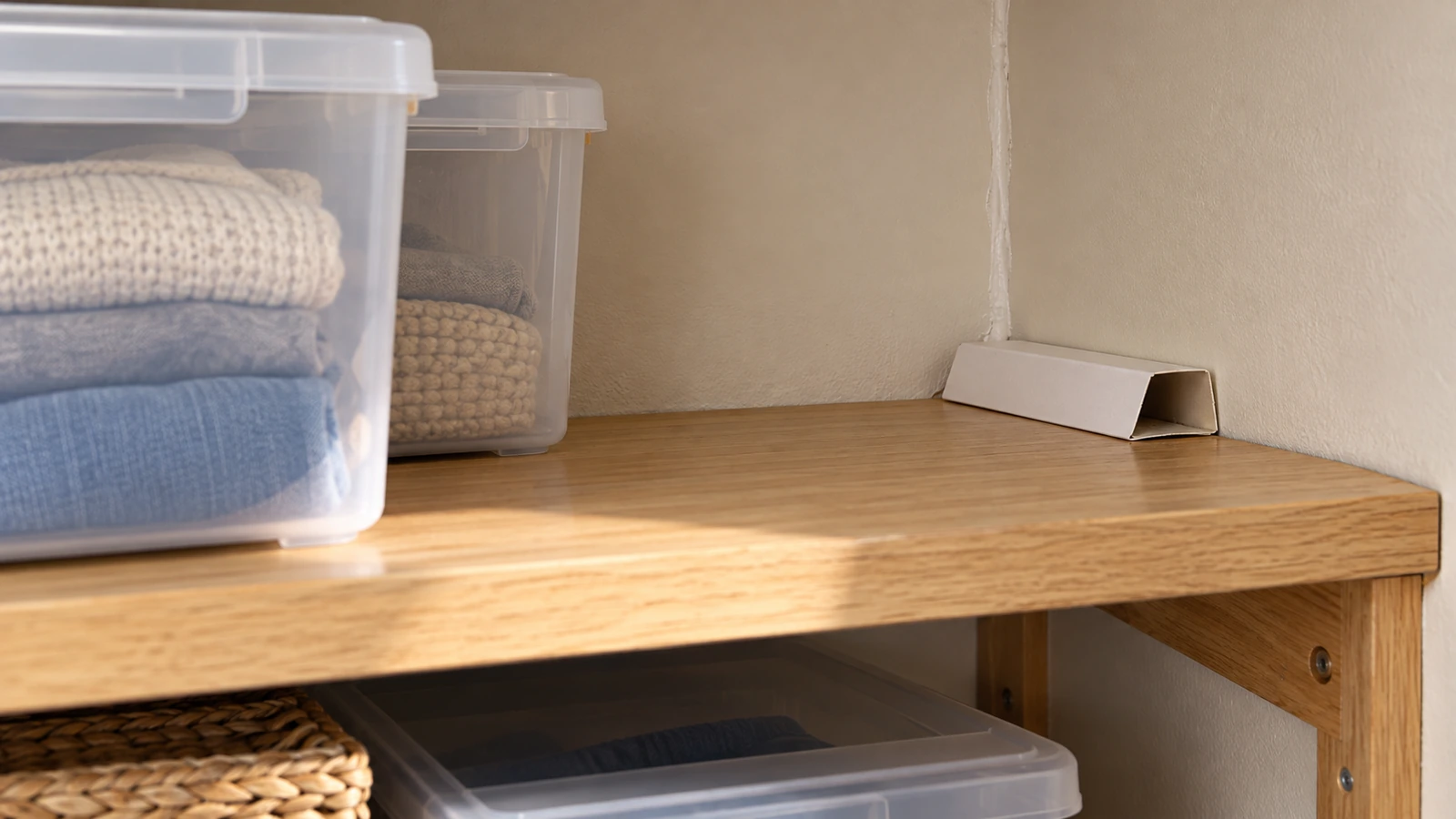
Keep previously active areas accessible for inspection and reduce the sheltered spaces where roaches can establish themselves. Remove unnecessary cardboard storage, check secondhand furniture and appliances before bringing them indoors, and seal suitable gaps around cabinet backs, trim, and other accessible openings.
Maintain a few monitoring traps in the locations that previously caught the most roaches. Compare results at those same locations over subsequent checks instead of relying only on whether someone happens to see an insect.
How to Judge Whether Control Is Working
A sustained reduction in trap captures, fewer live sightings, and no new nymphs or egg cases in previously active areas indicate that the control effort is moving in the right direction.
Continue monitoring while the population declines. Surviving insects and newly hatched nymphs may still appear after the initial work.
If captures rise again or shift to a different room, inspect the surrounding hiding places, check the condition and suitability of any bait placements, and look for overlooked harborages. Repeated setbacks are a reason to reassess the approach, not automatically to apply more pesticide.
Good to Know
Adult male brown-banded cockroaches can fly when disturbed. Seeing a flying roach near a light or window is therefore possible with this species, but flight alone cannot identify it or establish that it entered from outdoors.
Frequently Asked Questions
Are brown-banded cockroaches a health concern?
Yes. Like other indoor cockroaches, they can contaminate food and household surfaces. Their droppings, shed material, and body fragments can also contribute to indoor allergens, which is especially relevant for people with asthma or cockroach allergies.
The appropriate response is to locate and control established activity while reducing contamination and exposure, rather than assuming a single sighting represents a severe health emergency.
Explore this topic further: