Explanation
What are bed bugs attracted to? How they find a host
Find out how bed bugs locate people through breath, warmth, and natural skin odors, why a clean room can still have them, and what the clues mean for your home.
If you wake up with unexplained marks, it is tempting to blame a new body wash, scented sheets, or a pile of clothes beside the bed. But two questions often get mixed together: what helps a bed bug find a person, and what evidence shows that bed bugs are actually present? The first is about feeding behavior. The second requires a different kind of check.
Quick Answer
Bed bugs are attracted to cues from living hosts, especially carbon dioxide in exhaled breath, body warmth, and natural skin odors. These signals help hungry insects find people to feed on. Blood is their food, but dirt, food scraps, and ordinary household fragrances are not reliable host-finding signals.
How bed bugs detect a nearby person
A resting person releases several cues at once. Carbon dioxide (CO2) in exhaled breath can stimulate bed bugs to search for a host. It helps signal that someone may be nearby, but it is not a magic beacon that draws bed bugs into a home from outside.
Body warmth also matters. When a bed bug is close to a potential host, temperature differences can help it orient toward a feeding spot. That is different from saying it is attracted to every warm appliance, blanket, or sunny patch.
Natural skin odors add another clue
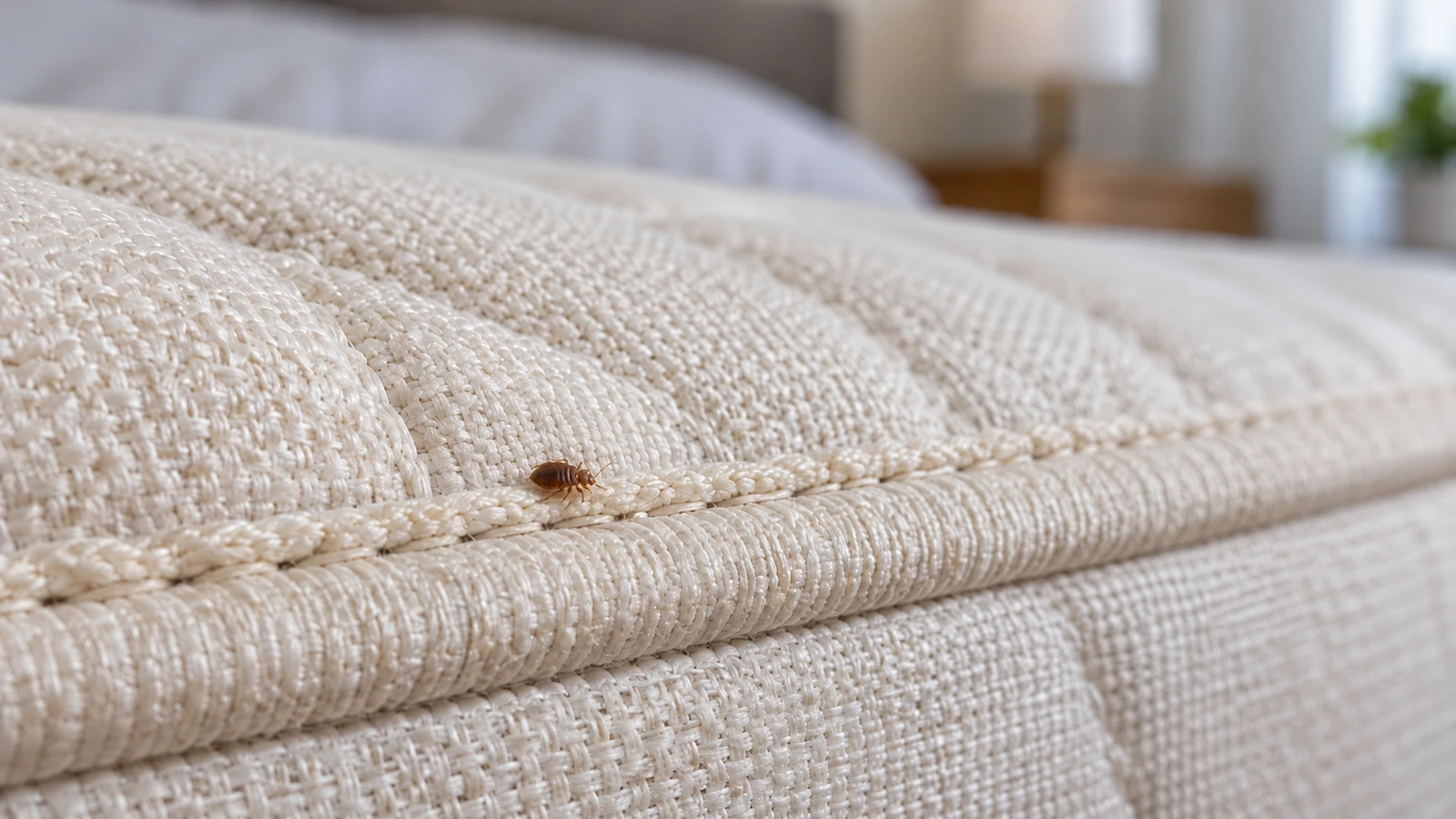
Human skin releases a complex mixture of odors that hungry bed bugs can detect. Experiments have shown that bed bugs respond to human skin odor even without a heat source or exhaled breath. In a home, these cues interact; no single smell offers a reliable prediction of where every insect will move.
Why bed bugs stay close to places where people rest
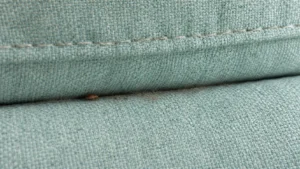
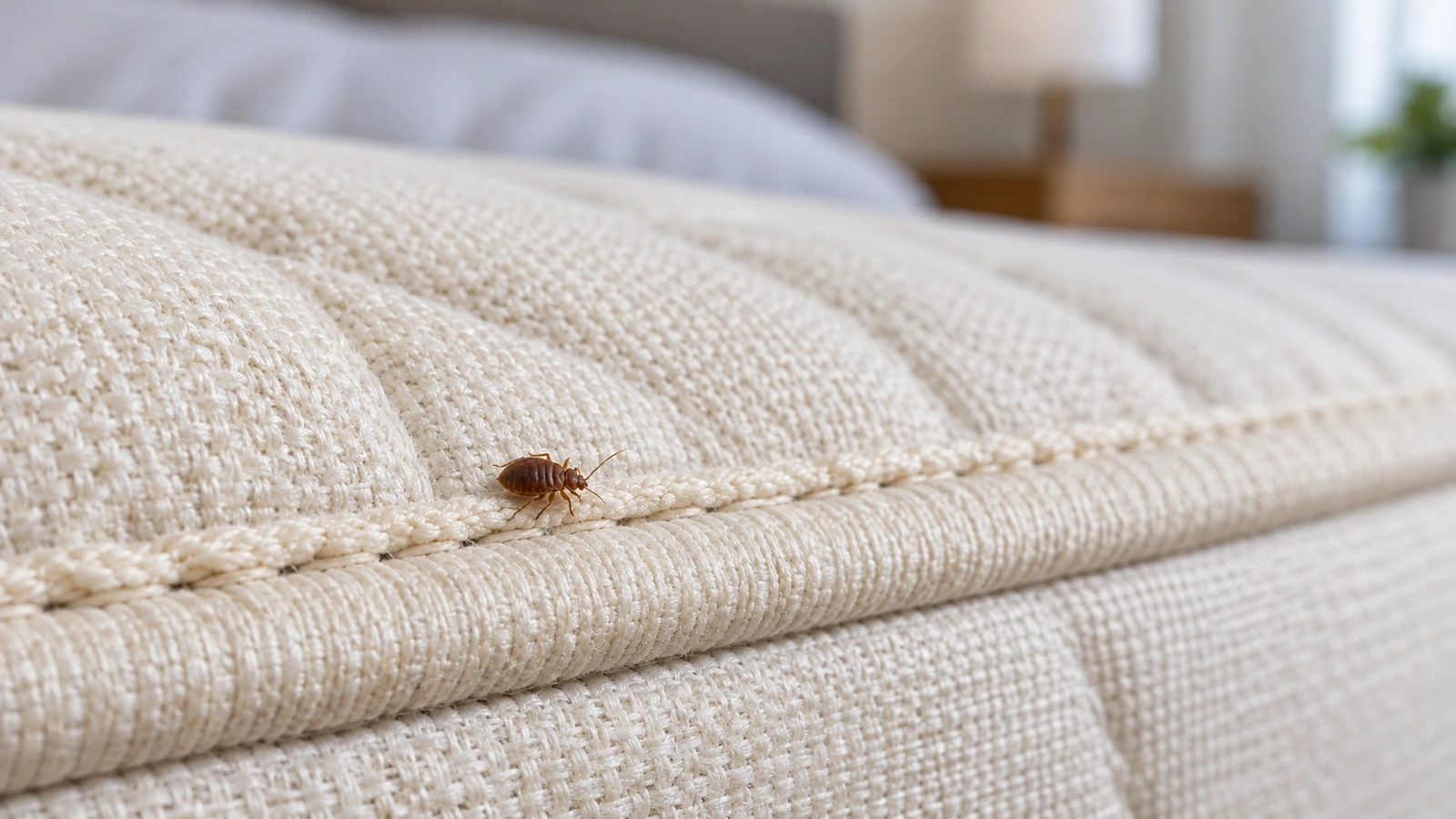
A bed bug usually feeds and then returns to a sheltered crack or seam rather than remaining on a person’s skin. Mattress seams, bed-frame joints, headboards, and nearby furniture can all provide hiding places. A couch used regularly for sleeping or long periods of rest can also put a host within reach.
That is why “attracted to people” and “found near beds” fit together. The host is the food source; a nearby hiding place offers shelter between meals.
What bed bugs are not attracted to in the same way

Food crumbs, dirty dishes, and dust are not meals for bed bugs. A clean bedroom still contains a sleeping person’s breath, warmth, and skin odors. Clutter can give bed bugs more places to hide and make them harder to find, but ordinary household dirt is not what brings them toward a human host.
Bed bugs commonly emerge when people are resting, often at night. Darkness can suit their behavior, but leaving a light on is not a dependable way to keep them from feeding.
Do perfume, body wash, or scented sheets attract bed bugs?
Human skin odor is a genuine host cue, but perfume or a fragranced detergent is not the same thing. There is no reliable reason to assume that a favorite scent will draw bed bugs to a room, or that a strong fragrance will protect a sleeper. If you are considering scented deterrents, our guide to what smells bed bugs hate examines those claims separately.
Good to Know
Worn clothing can carry human skin odors. In controlled research, bed bugs gathered around worn clothing more readily than clean clothing. That is different from being attracted to general dirt, and it is not a reason to leave worn laundry out as a lure.
What these attraction cues mean in your home
If bed bugs are a concern, start with places where someone sleeps or rests for long stretches. Mattress seams, headboard connections, bed-frame joints, and nearby cracks are more useful places to look for physical evidence than a bottle of lotion or a laundry detergent label. Where someone often naps on a couch, its seams and surrounding furniture also deserve attention.
Look for an actual insect, shed skins, or characteristic dark fecal spots. Skin marks by themselves can have several causes and cannot reliably identify bed bugs. For the full evidence-based inspection process, see how to tell if you have bed bugs.
Changing your fragrance or keeping a room spotless will not stop bed bugs from being introduced on belongings. Preventing introduction is a separate task; our guide on how to prevent bed bugs covers practical habits at home and while traveling.
If you find convincing evidence of an active problem, do not try to solve it by experimenting with scents or attracting the insects toward another sleeping spot. Follow a coordinated response instead, starting with how to get rid of bed bugs.

Frequently Asked Questions
Why do I get bite marks when the person beside me does not?
People can react very differently to bites. One person may develop obvious itchy marks while another shows little or no reaction. That difference alone is not proof that bed bugs prefer one person’s blood or that only one person has been bitten. Check the surroundings for physical signs.
Will leaving a bedroom empty make the bed bugs go away?
No. A room without a resting host may give bed bugs fewer opportunities to feed, but they can remain hidden for extended periods without a meal. An empty room, or a stretch without new marks, is not a reliable test that the insects are gone.
Explore this topic further: