
Explanation
What smells do bed bugs hate? What the evidence really says
Lavender, peppermint, and other strong scents are often touted as bed bug repellents. Learn what odor experiments actually show, why a scent is not a bite-proof barrier, and what to do instead.
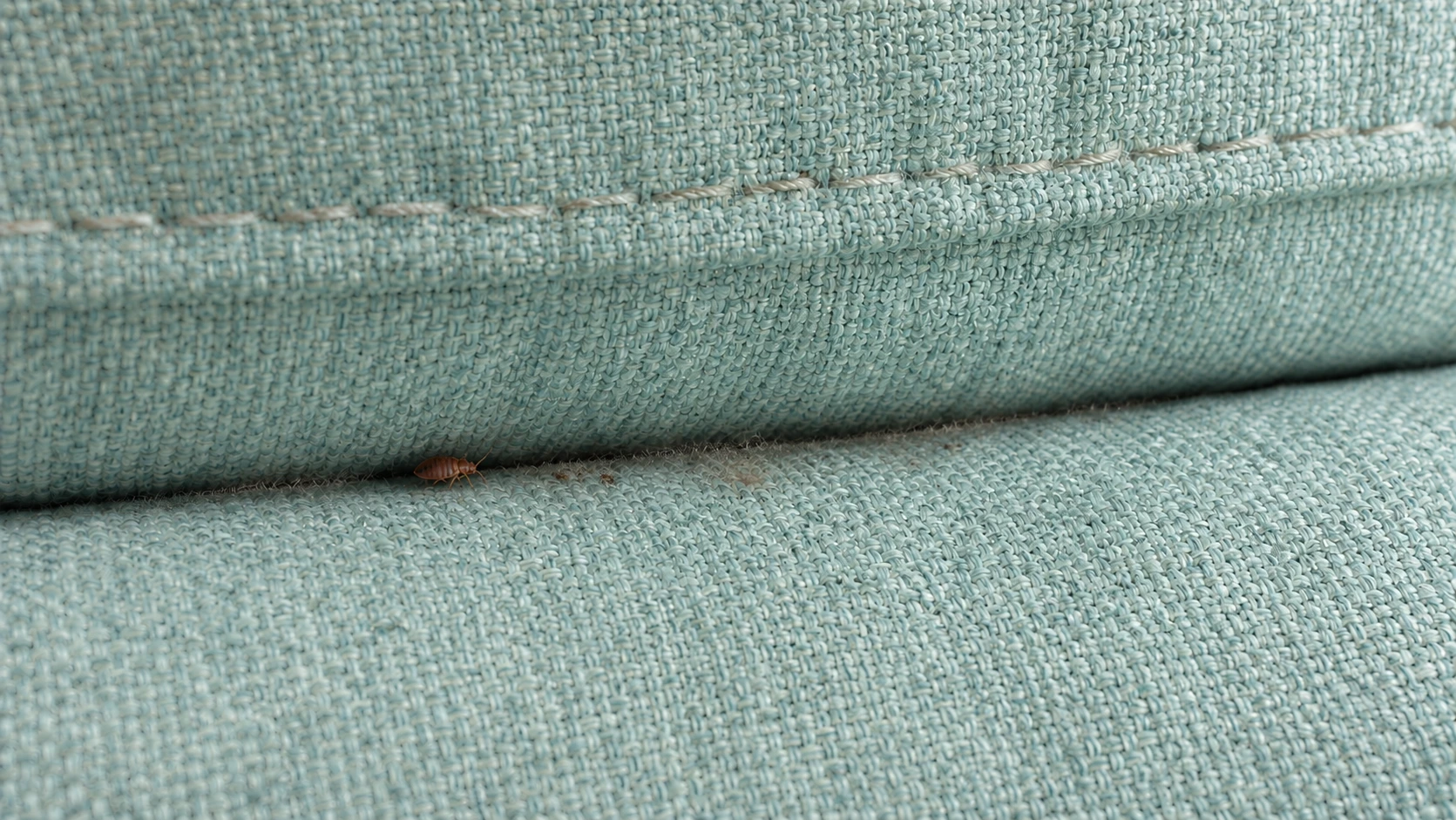
Putting lavender oil on your sheets or running a peppermint diffuser may sound like an easy way to keep bed bugs away. But when a bed bug is hiding near a bed, making the room smell different is not the same as stopping it from feeding or eliminating the insects already there.
Quick Answer
No everyday household scent has been shown to provide a reliable barrier against bed bugs in a home. Some concentrated plant compounds make bed bugs avoid treated surfaces in laboratory tests, but that avoidance does not consistently stop them from crossing a surface to feed. Repelling a bug, killing one on contact, and clearing an infestation are different outcomes.
Why a smell can affect bed bugs without protecting your bed
Bed bugs respond to chemicals in their surroundings. In controlled tests, certain plant-derived compounds changed where the insects chose to rest. Some avoided treated spots when an untreated hiding place was also available.
The result changed when insects were given a route to a blood meal. Bed bugs crossed barriers containing some of the same compounds and fed. A substance that discourages resting in one spot is therefore a poor basis for promising bite prevention.
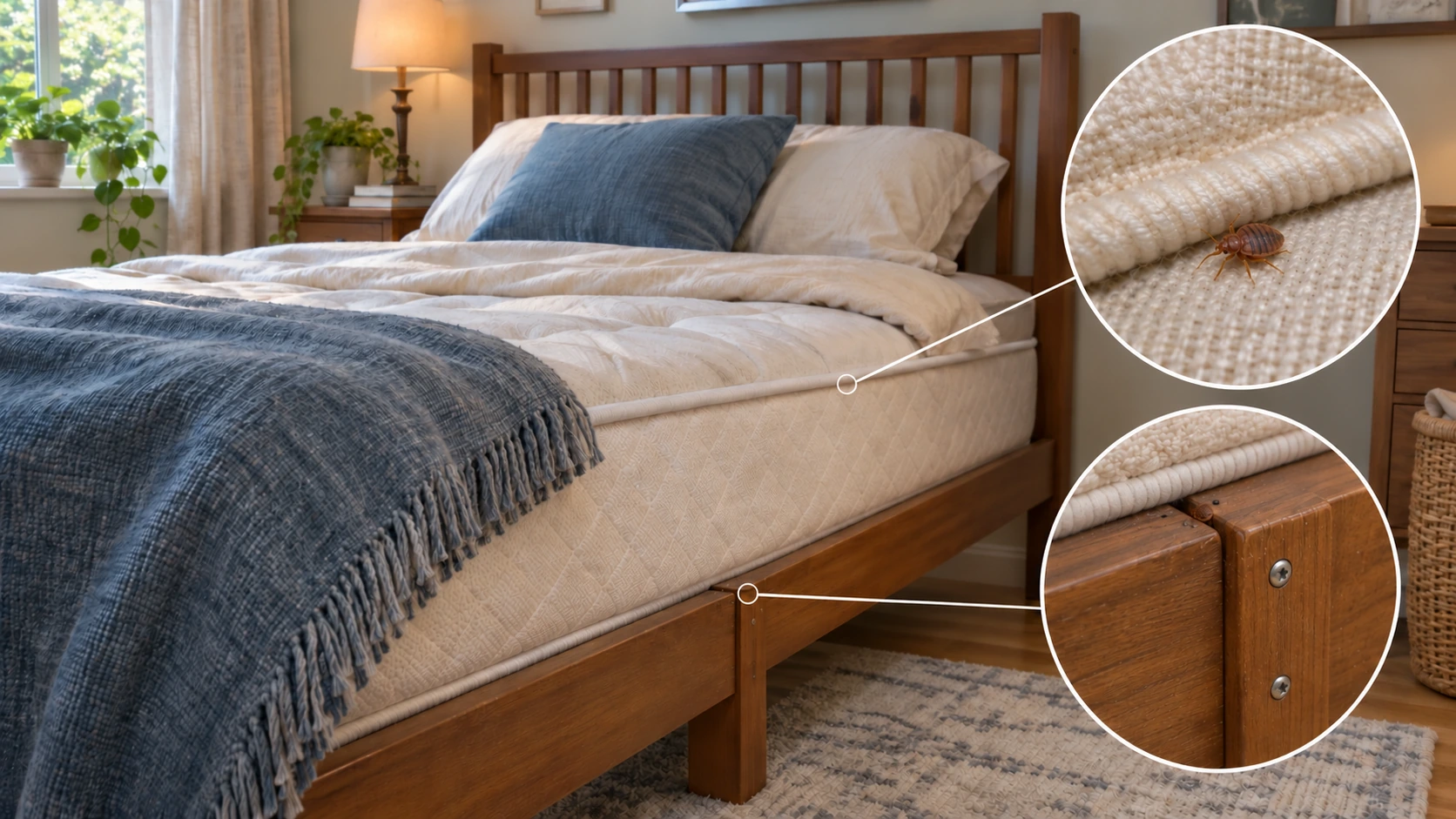
A laboratory residue also differs from a household fragrance. Researchers control the ingredient, concentration, surface, exposure, and time since application. A scented pillowcase, a few drops in a diffuser, or a dryer sheet does not reproduce those conditions, and an odor can fade while insects remain hidden.
Three claims worth separating
- Repelling: An insect moves away from a treated area under particular conditions. That says little about whether it will return or feed elsewhere.
- Killing on contact: A tested formulation may kill a bed bug that receives enough direct exposure. Insects inside cracks or seams may never contact it.
- Controlling an infestation: The method must address hidden insects, relevant life stages, and continued activity across the affected space.
Which scents are said to repel bed bugs?
Lavender, peppermint, tea tree, eucalyptus, cedar, clove, cinnamon, and citronella all appear in home-remedy lists. Their popularity is not a ranking of effectiveness. A strong smell to a person is not a dependable measure of how a bed bug responds.
There is real research behind some individual plant compounds. For example, eugenol, geraniol, carvacrol, and citronellic acid have produced avoidance responses on treated surfaces in laboratory tests. That finding does not validate spraying an essential oil around a mattress or relying on a scented room to prevent bites.
Lavender, peppermint, tea tree, and eucalyptus
These are familiar fragrances, but there is no dependable evidence that lavender sachets, peppermint diffusers, or homemade mixtures of these oils establish a lasting protective zone around a sleeping person. Cedar-scented products face the same problem. A bed bug can remain in an untreated seam while the room smells strongly of oil.
Clove, cinnamon, thyme, and citronella
Compounds associated with some of these plants have shown more specific effects in laboratory experiments. The insects’ response depends on the particular chemical, dose, and test. Even when insects avoid resting on a treated patch, that response should not be interpreted as proof that a commercial bottle of oil will keep them away from a bed.
What essential oil kills bed bugs?
Some specially formulated botanical insecticides have killed exposed bed bugs in controlled tests, and certain products have been evaluated in real infestations. Results for direct contact do not guarantee that the product will reach every hiding place, work on eggs, or eliminate a household population.
A bottle of undiluted essential oil is not interchangeable with a formulated and labeled pesticide. If you consider any bed bug control product, check its actual bed bug claim, approved treatment surfaces, and directions. Some products sold under minimum-risk pesticide exemptions do not undergo the same federal effectiveness review as EPA-registered pesticides.
What about vinegar, dryer sheets, or perfume?
There is no reliable evidence that a line of vinegar, scented laundry sheets, perfume, or room fragrance prevents bed bugs from reaching a person or removes an infestation. Rubbing alcohol is also sometimes suggested as a strong-smelling spray, but it is flammable and should not be used as a bed bug remedy.
What to rely on when you suspect bed bugs
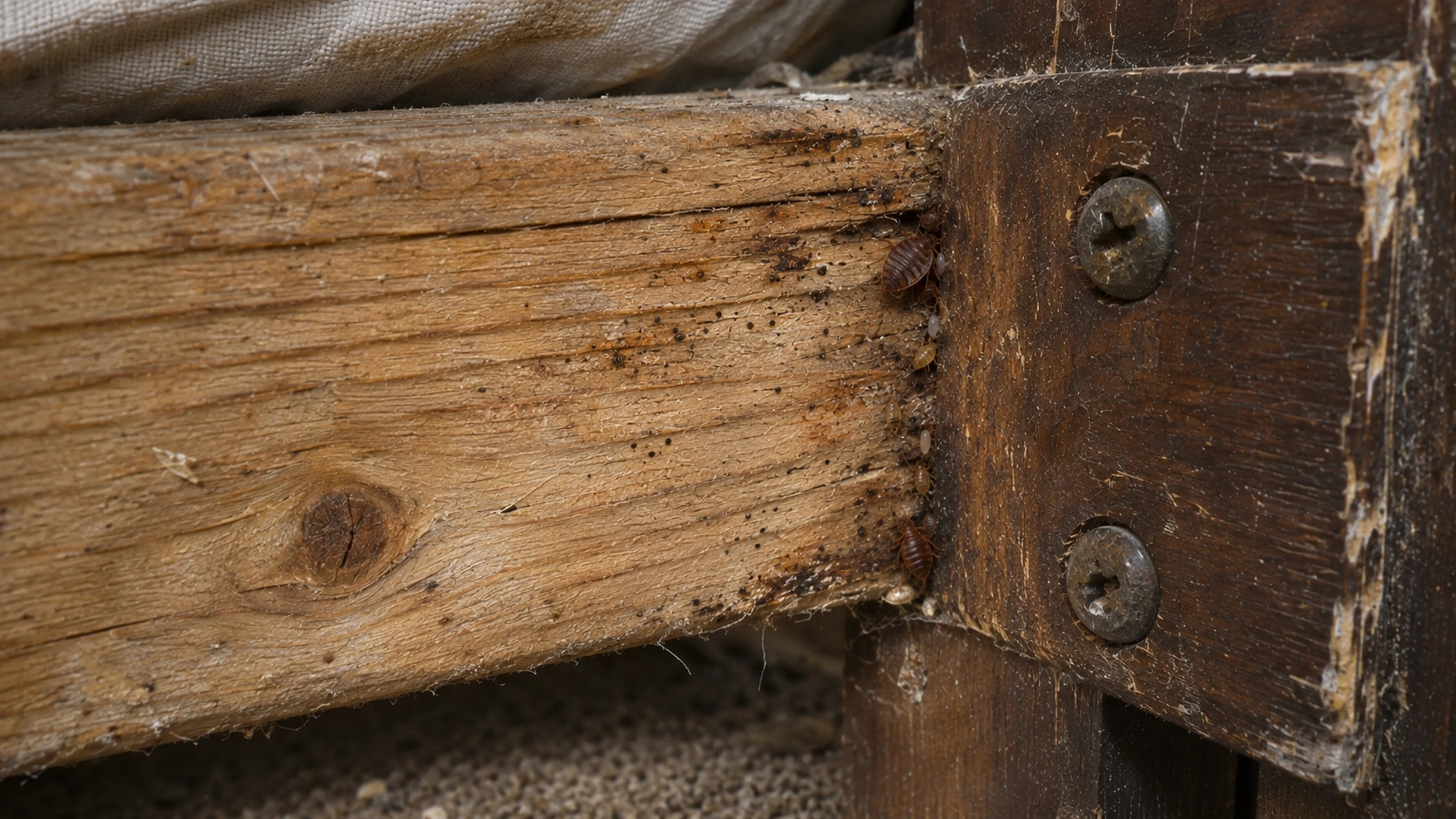
Use physical evidence rather than the presence or absence of a smell. Look for a live insect, dark fecal marks, or shed skins in likely hiding places around the bed. Skin marks alone are not enough to identify the cause. For the fuller distinction between useful signs and misleading clues, see how to tell if you have bed bugs.
If there is credible evidence, protect belongings from being moved around untreated and focus on measures that have a defined purpose. A high-heat dryer cycle for suitable textiles, a properly fitted encasement, or bed-leg interceptors can be parts of a control and monitoring effort. An interceptor can show activity at a bed leg; an empty one by itself does not prove the room is clear.
Once an infestation is confirmed, a coordinated approach matters more than the scent of a spray. Consider professional assistance for persistent or spreading activity, inaccessible harborages, or a complex multi-unit setting. A scented remedy should never be the reason to postpone a proper assessment.

What to Watch For
Do not apply essential oils or insect repellents to your skin, pets, or bedding as an improvised bed bug treatment. No pesticide or repellent is EPA-registered for application to human skin against bed bugs. Avoid flammable mixtures and use any pesticide only on the insects and surfaces allowed by its label.
Explore this topic further:


