How-To
Termite prevention for homeowners: A practical maintenance routine
Reduce termite risk with a prioritized maintenance routine for drainage, wood-to-soil contact and inspection access, plus checks that help you decide when to call a professional.

A flower bed that gradually rises against the siding, a downspout that empties beside the foundation, or a stack of lumber under a porch can make a home more vulnerable to termites without attracting much attention. Correcting these conditions early is easier than dealing with damaged wood later.
Start with the parts of your home you can safely reach and work through the following routine in order of priority. The goal is to reduce opportunities for a new infestation and make potential termite activity easier to detect.
- Difficulty: Basic visual checks and minor maintenance; building repairs may require a professional.
- Equipment: Flashlight, tape measure, camera or phone, and work gloves for routine yard cleanup.
Prepare for your home walkaround
Locate the foundation perimeter, exterior hose connections, downspouts, deck attachments and any accessible basement or crawlspace entrance. Identify where the ground meets the house and where wooden components are closest to the soil. Take a few baseline photographs of these locations so you can compare them after maintenance.
If your house has an existing termite protection contract, find the service records before starting. Check which areas have been treated, where any monitoring stations are located and when the next inspection is due. Ask the provider before making changes that could interfere with protection.
Before You Start
Stay on stable, accessible surfaces. Do not enter a tight or unsafe crawlspace, climb onto a roof, open walls, or disturb suspected termite tubes or damaged structural wood. Photograph suspicious evidence and arrange an inspection.
How to prevent termites around your home
Begin with persistent moisture and direct wood-to-soil contact. These are particularly important for subterranean termites, which commonly reach buildings from the soil. Then improve inspection access and address the other vulnerabilities that are relevant to your home’s construction.
Step 1: Redirect water away from the foundation
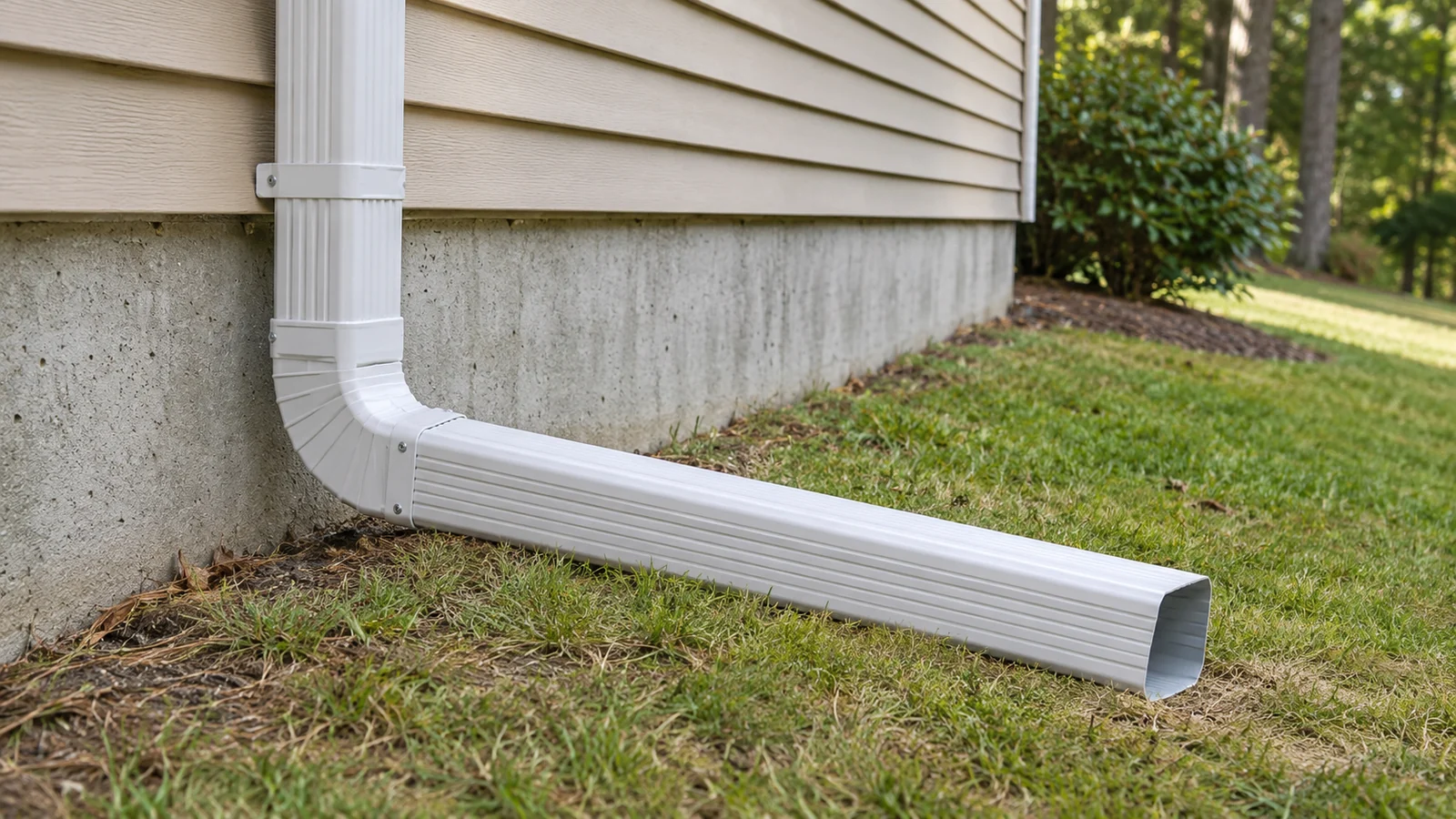
Check where each downspout discharges. Clear accessible debris, reposition loose splash blocks or extensions so water flows away from the house, and adjust sprinklers that regularly wet the walls.
Repair leaking outdoor faucets and accessible plumbing. Have a contractor correct drainage that repeatedly sends runoff toward the house or leaves water collecting beside the foundation. If gutters are blocked or damaged above safe working height, arrange maintenance rather than climbing to reach them.
Look indoors as well. In a basement, check visible pipes and the area around the water heater for leaks. For a crawlspace, inspect only from a safe access point and arrange a professional assessment if you notice standing water or persistent dampness.
Step 2: Remove avoidable wood-to-soil contact
Walk around the house and look for soil touching wooden siding, door trim, latticework, porch framing or the bottom of a deck stair. Remove loose wood scraps and accumulated leaves that create contact between the ground and the building.
Move firewood and stored lumber several feet away from the house, keeping the pile off the ground. Do the same for cardboard or scrap wood stored in accessible areas beneath decks or near the foundation.
If a deck post, stair stringer or other load-bearing component extends directly into the soil, have its installation evaluated. Do not cut, lift or alter structural members yourself. Pressure-treated lumber can still be crossed or attacked by termites.
Step 3: Restore a visible foundation inspection strip
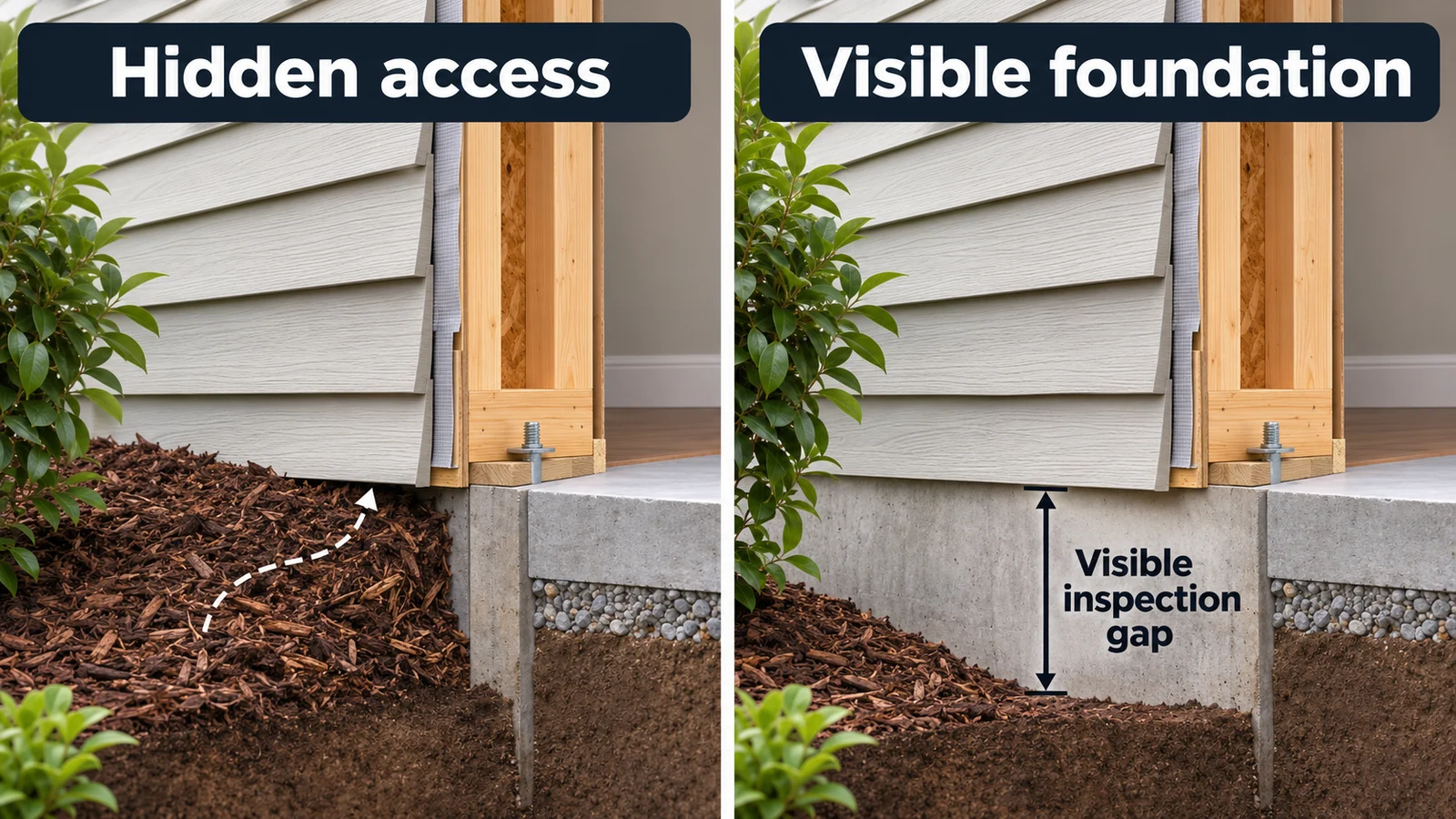
Check how much of the lower wall is exposed above the finished soil or mulch level. Where the building design permits, aim to maintain about 6 inches (15 cm) of vertical clearance between the ground cover and the lower edge of siding. Local requirements and specific construction details may call for a different clearance.
Pull back loose excess mulch that hides the foundation or touches siding, without digging into treated soil. Keep remaining mulch shallow and prevent plants from pressing against the house. The important distinction is between landscaping that leaves the wall visible and landscaping that conceals the entry route.
At slab foundations, pay attention to the slab edge and places where siding or stucco approaches the ground. At houses with crawlspaces, keep accessible exterior vents and inspection openings clear of vegetation and debris. Do not change an intentionally sealed crawlspace or its ventilation system without professional advice.
Step 4: Maintain exposed wood and openings above ground
In areas where drywood termites occur, ground-level maintenance alone is insufficient. Their winged reproductives can reach exposed wooden parts of the building without traveling up from the soil.
From the ground or another safe location, look for deteriorating paint on exterior wood, damaged soffits and torn vent screens. Maintain accessible finishes and have damaged or inaccessible exterior components repaired. Inspect secondhand wooden furniture before bringing it inside, especially if it has unexplained holes or pellet-like debris.
Keep branches from resting against the building where practical, and arrange professional trimming for branches that are high or difficult to reach. Maintain existing screens without blocking ventilation or drainage openings.
Avoid creating new problems while you work
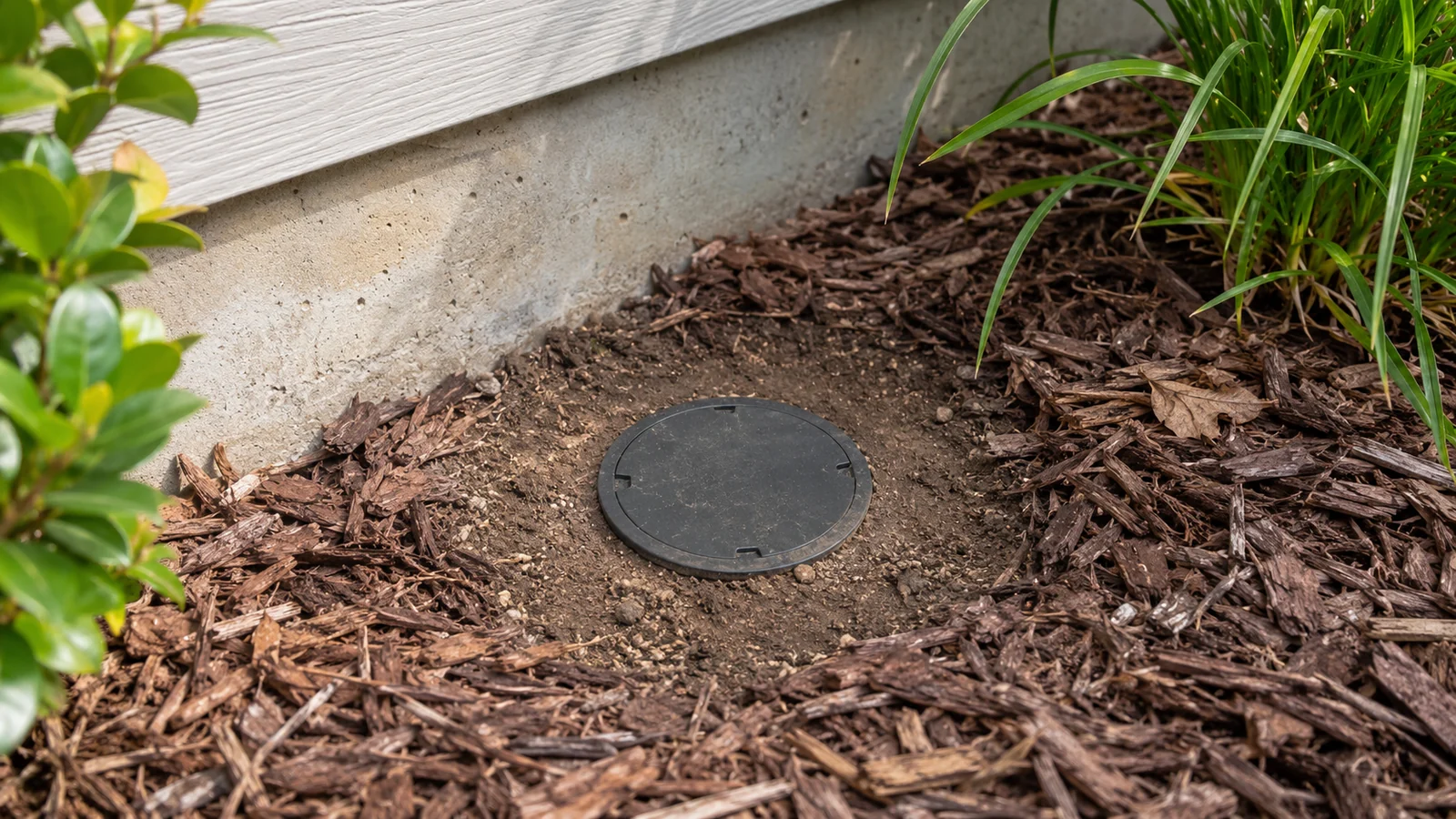
If the property already has termite bait stations, leave them in their installed positions and keep their covers accessible. Avoid burying stations with mulch or landscape edging. Do not dig beside the foundation or alter a previously treated soil area without checking with the pest control provider.
Replacing wood mulch with gravel is not a complete termite prevention measure. Either material can conceal the wall or retain moisture beneath it when installed poorly. Choose landscaping that allows drainage and preserves inspection access.
Do not seal drainage openings in brickwork, cover foundation vents with soil, or apply insecticides to a suspect area as part of routine maintenance. For homes on expansive soils, follow professional foundation-moisture guidance rather than trying to dry the soil completely.
Check that your maintenance is working
After rainfall or normal irrigation, revisit the areas you corrected. Look for water collecting at the foundation, new leaks and splashback onto wooden siding. At a safely accessible basement sill or deck attachment, check whether the surrounding area is dry and visible.
Compare your photographs with the current condition of the house. A useful maintenance check is whether you can now see locations that were hidden by stored materials, vegetation or accumulated mulch.
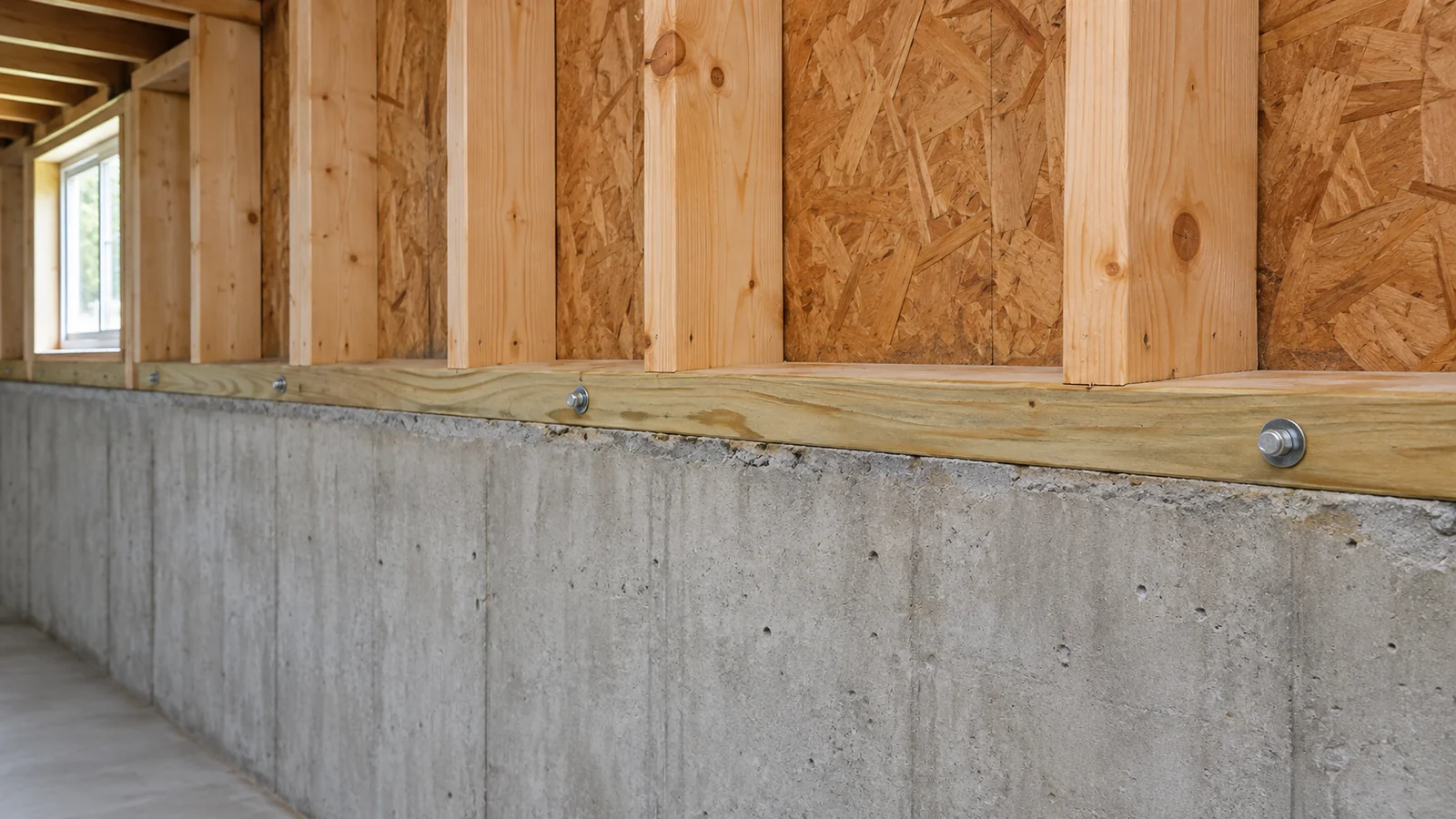
These observations demonstrate that you have corrected specific risk factors. They cannot establish that concealed wood or wall cavities are free of termites.
Expected Result
Water drains away from the building, avoidable wood-to-soil contact has been removed, and accessible foundation edges and wooden connections remain visible for future checks.
What to do if a risk factor keeps returning
If soil or mulch repeatedly builds up against siding, correct the landscape arrangement rather than simply removing the buildup each time. If dampness persists despite redirected downspouts, the cause may be a leak, poor grading or an underlying drainage problem that needs further investigation.
Some foundation edges are hidden by construction details, finished landscaping or attached structures. Do not dismantle these areas to create inspection access. Note the locations that cannot be checked and ask a termite professional or building contractor how they can be assessed safely.
When Should You Call a Professional?
Arrange a termite inspection if you notice suspected mud tubes on the building, indoor swarming insects or shed wings, unexplained pellet-like material near wood, or apparent wood damage. These findings call for evaluation rather than more preventive maintenance. Our guide to signs of termites in your house explains what the observations may mean.
If a floor, stair or deck appears unstable or structurally damaged, avoid using the affected area until it has been assessed by a qualified building professional.
Even without visible evidence, consider establishing a professional inspection routine if you live in a high-risk area, have no known treatment history or cannot access important parts of the building.
Keep up your termite prevention routine
Revisit the vulnerable areas when seasonal yard maintenance, storms, plumbing leaks or landscaping changes affect them. After adding mulch, replacing a deck or having utility work performed near the foundation, check that inspection access has been preserved and ask your termite service provider whether existing protection may have been affected.
Keep photographs, inspection findings and service records together. An annual professional inspection is a common arrangement in termite-prone areas, particularly under a protection contract. Follow the inspection and renewal schedule appropriate to your local risk, property and service agreement.
A clean walkaround is useful, but termites can remain concealed. Maintaining the home and having it assessed when appropriate are complementary parts of prevention.
Explore this topic further:
Termite inspection: What happens and when should you book one?