Explanation
What attracts cockroaches to your home?
Cockroaches seek accessible food, water, and shelter, often in spots you rarely see. Learn which conditions matter and why clean homes can still have roaches.
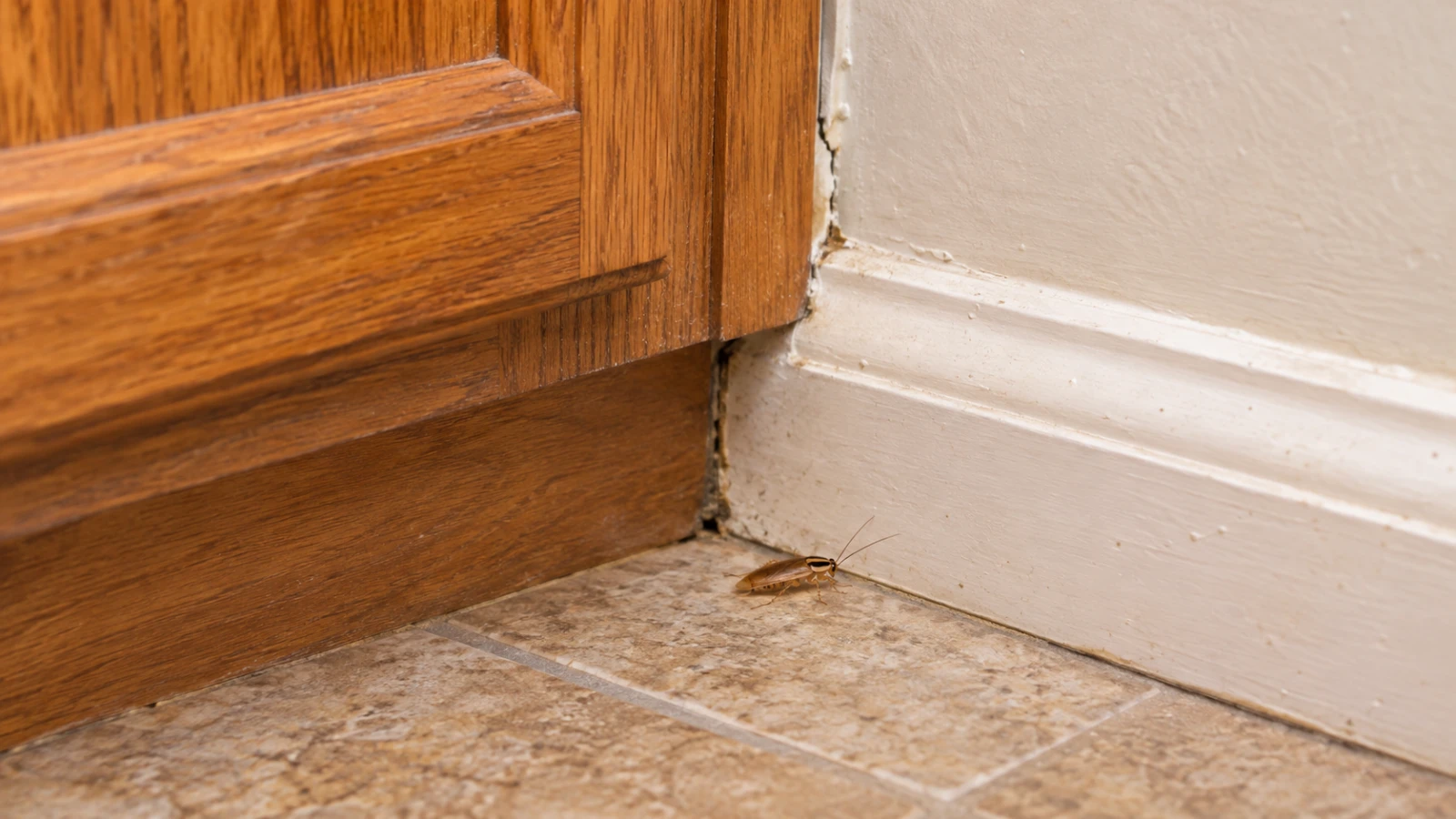
You clean the kitchen, put the dishes away, and still spot a roach near the dishwasher. It is tempting to search for something dirty that you missed. But the conditions that help cockroaches survive are not always visible from the middle of a room.
A home can look spotless and still contain a damp plumbing space, a warm appliance gap, or a protected crack. Understanding those conditions helps you decide what deserves attention without assuming every sighting means the same thing.
Quick Answer
Cockroaches are drawn to accessible food, water, and sheltered places. A plumbing drip, food residue behind an appliance, and a narrow cabinet gap can make the same small area useful to them. Warmth and moisture also matter for many species. Roaches can appear in a clean home, and what helps them stay is a separate question from how they got inside.
What makes a home attractive to cockroaches?
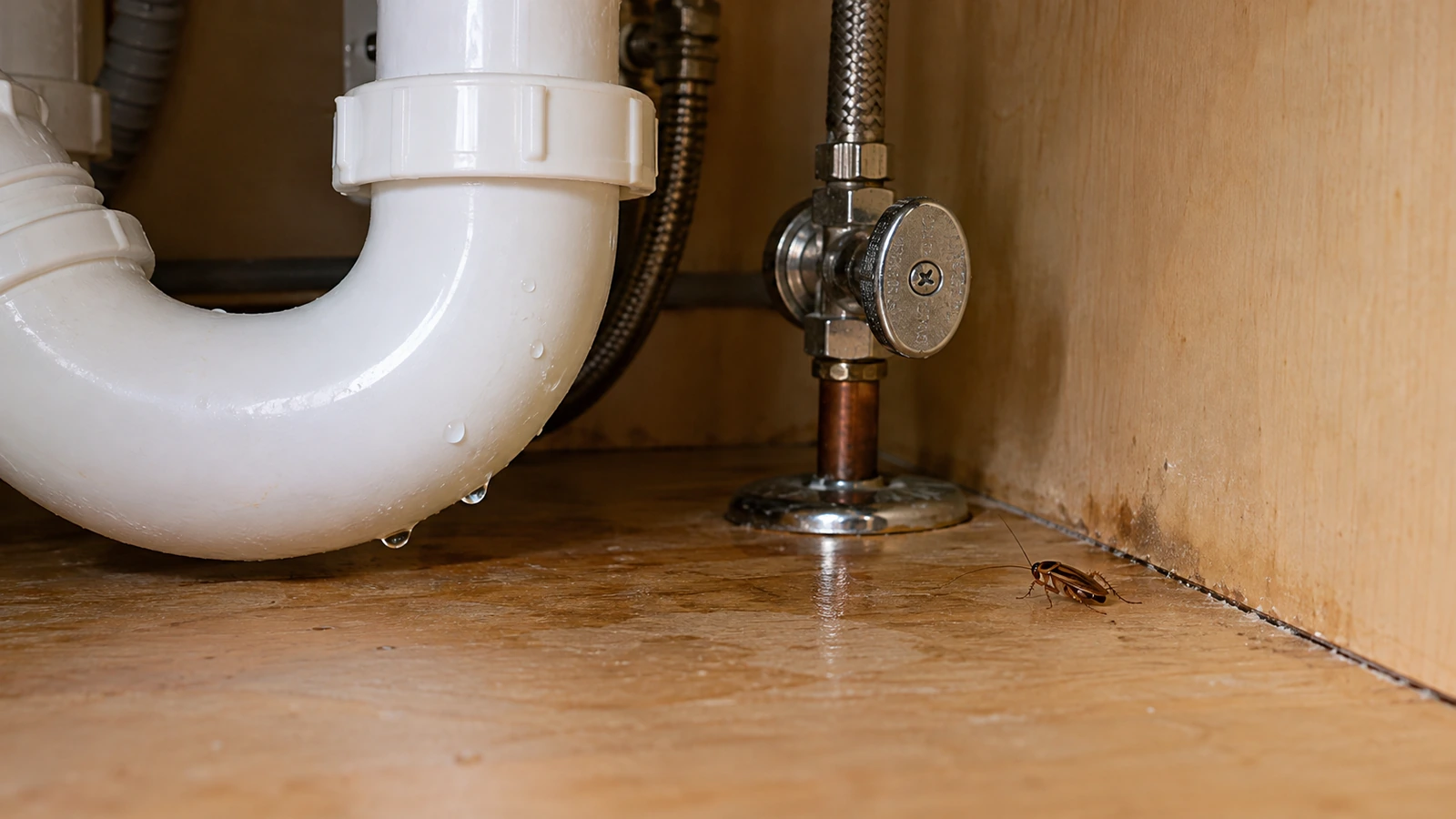
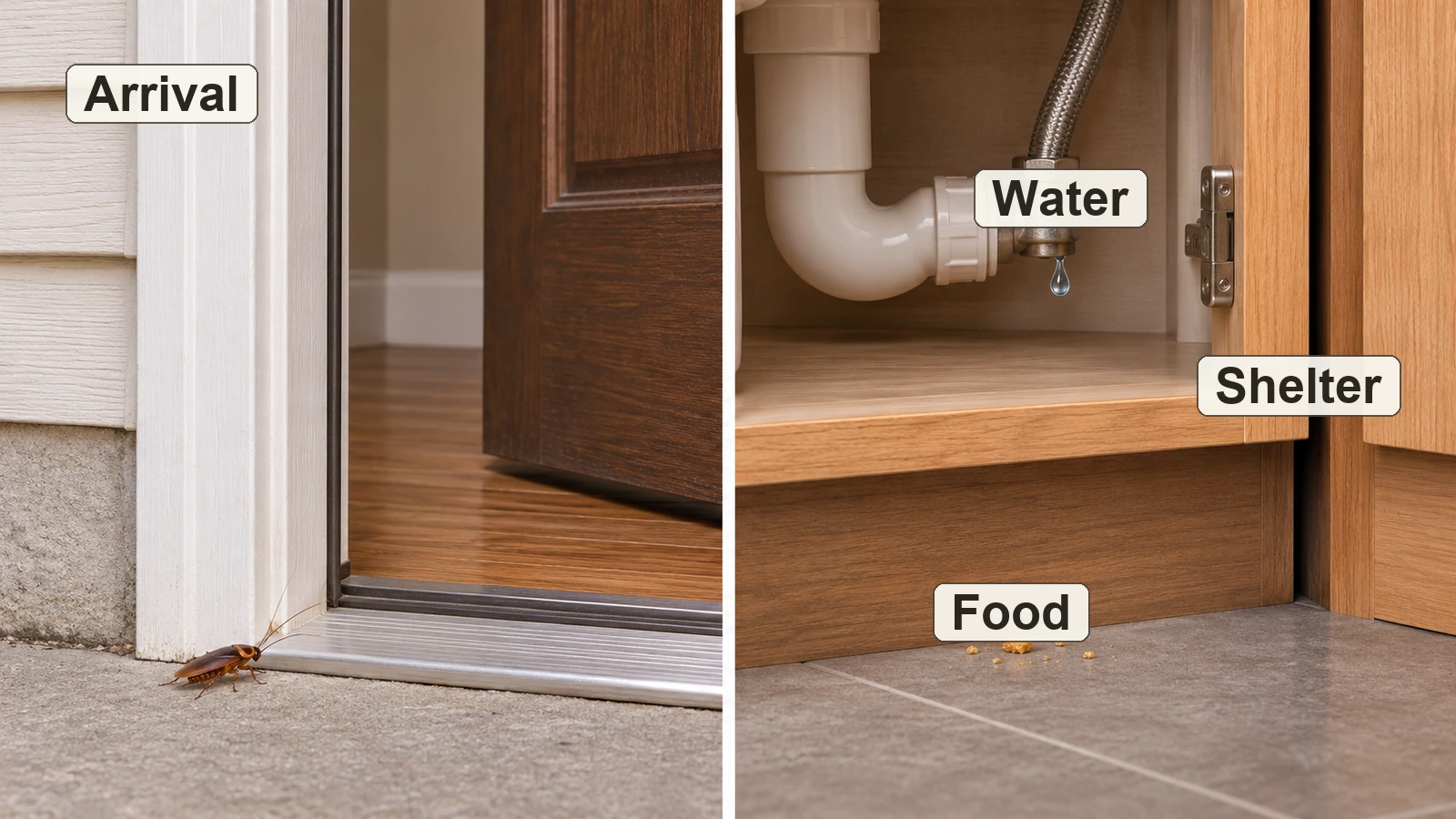
A small area can meet several needs at once. Under a kitchen sink, for example, a slow drip may provide water while a cabinet joint offers a protected place to hide. Nearby food preparation areas can supply occasional scraps. None of those features requires a visibly dirty kitchen.
When moisture, food residue, and a hiding place occur close together, a roach can reach several resources without crossing an exposed room. Here is what those conditions look like in everyday rooms.
Moisture that stays available
Leaks and dampness are easy to overlook when the sink itself looks dry. Water may collect beneath a loose connection, around a dishwasher, under a refrigerator with a drainage issue, or in a frequently wet cabinet. Condensation and persistently humid spaces can also make an area favorable, depending on the species.
A dripping pipe is more useful to investigate than a dry countertop nearby. The important question is whether moisture remains accessible in a hidden location, not whether the entire room feels humid.
Food residue outside the usual cleaning area
Cockroaches can make use of food left outside the areas you normally wipe: cooking grease beside a range, crumbs beneath cabinets, residue around a trash container, or pet food left out overnight. A kitchen may be cleaned regularly while one hard-to-reach spot continues to provide food.
This is about access, not a particular favorite meal. For a closer look at the range of materials they feed on, see what cockroaches eat.
Tight spaces that provide cover
Roaches often shelter in narrow cracks, cabinet seams, wall openings, and spaces behind or beneath appliances. Cardboard, paper stacks, and crowded storage can add protected hiding places. These spaces matter because a roach can remain concealed during much of the day and move out to forage.
Warm spots near appliances can be especially favorable for some indoor species, but warmth alone is not the whole explanation. Food, water, and a secure hiding place work together.
Why do cockroaches appear in clean homes?
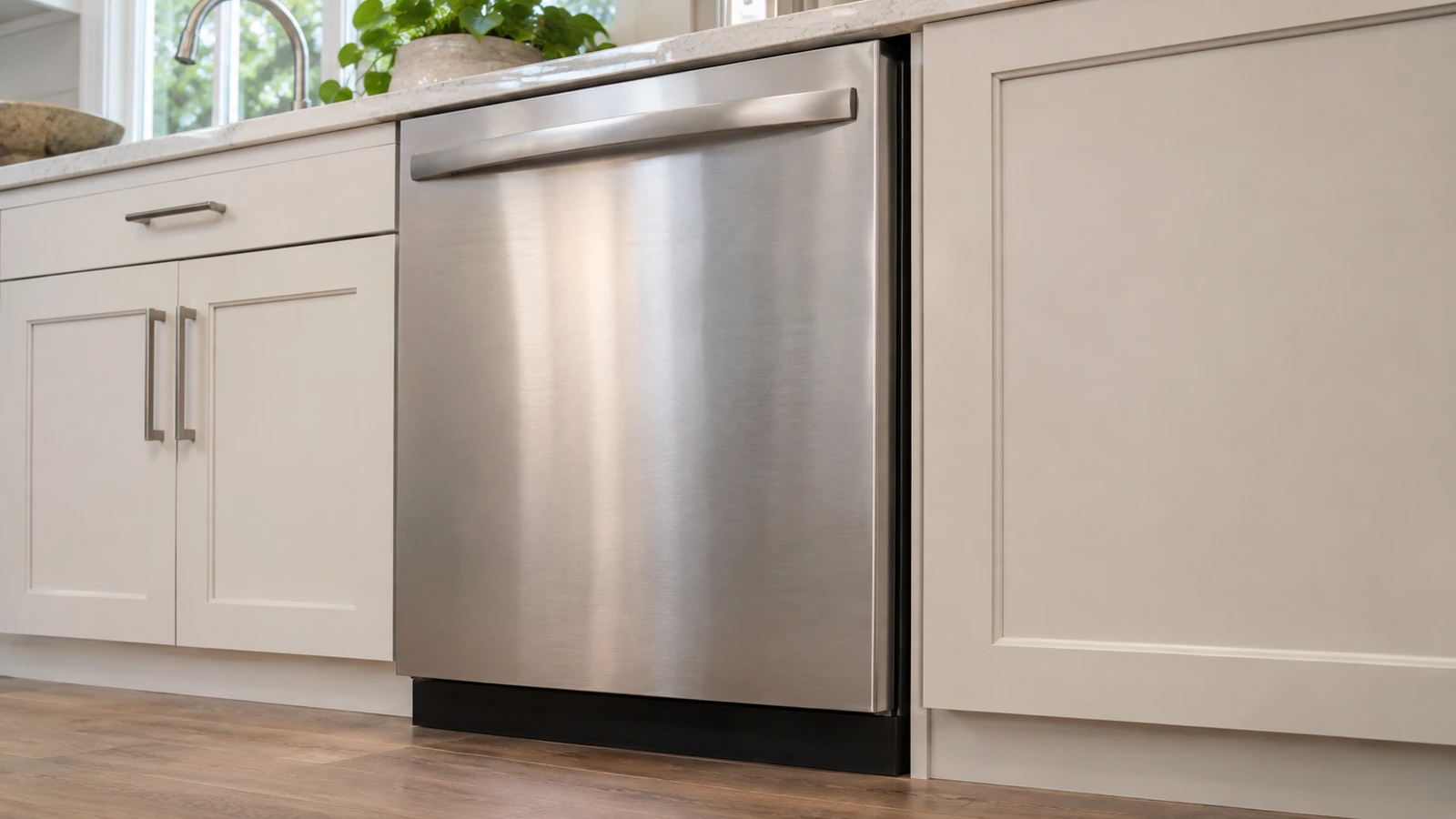
Good cleaning reduces accessible food, but it cannot remove every gap, hidden moisture source, or problem elsewhere in a building. A polished counter tells you very little about the space behind a built-in dishwasher or inside a plumbing cabinet.
Just as importantly, a roach must first reach the home. Its arrival may be unrelated to how well the room is maintained. A favorable indoor spot can help it remain, but a single visitor can also pass through without establishing an infestation.
Getting inside and finding a place to stay are separate events
An insect might arrive from outdoors, come in with belongings, or move between units in a shared building. Once inside, it may find water and shelter. Those are two different questions: how it entered and what the home offers afterward.
This distinction matters in apartments. Recurrent roaches along a shared wall or near plumbing can involve conditions beyond one unit. Keeping your own kitchen clean is useful, but it may not address a building-wide source.
Different roaches favor different settings
German cockroaches commonly establish themselves indoors around kitchens and bathrooms, where warmth, moisture, and hiding places are available. Brown-banded cockroaches can use warmer, drier areas, including spaces away from sinks. Some larger cockroaches are associated with outdoor or damp structural environments and may enter a home temporarily.
That is why the same explanation cannot be applied to every sighting. If the kind of roach changes what you should expect, use the separate guide to types of cockroaches rather than deciding from size or color alone.
What should you take from the conditions you find?
Start with the location of the sighting. A roach near the sink draws attention to plumbing moisture and cabinet seams. One beside the stove or refrigerator makes hidden food residue and protected appliance gaps worth considering. A large roach near an exterior door may raise a different question about arrival rather than an established indoor population.
Those are explanations to investigate, not infestation diagnoses. The presence of a leak, a cardboard box, or some crumbs cannot tell you how many roaches are present. If sightings repeat or you find other physical evidence, move from thinking about favorable conditions to checking the signs of a cockroach infestation.
In a multiunit building, record where activity occurs and let building management know about recurring sightings or plumbing defects. If indoor activity is confirmed, reducing access to resources is useful but may not resolve the population by itself. The next stage is an appropriate cockroach control plan, chosen for the actual problem rather than for a dirty-looking room.
Frequently Asked Questions
Do houseplants attract cockroaches?
A houseplant does not automatically attract cockroaches. A saucer that stays wet, damp debris around a pot, or nearby clutter can add resources or shelter. Consider the conditions around the plant rather than blaming the plant itself.
Will leaving the lights on keep roaches away?
Many indoor cockroaches hide in dark spaces and are most active at night, but leaving a light on does not remove food, water, or hiding places. Lighting is not a reliable way to make an otherwise favorable spot unsuitable.
Explore this topic further: