Identification
Cockroach inspection: how to find activity before treating
Learn how to follow cockroach activity through your home, check suspected hiding areas safely, and use sticky monitors to decide where to investigate or act next.
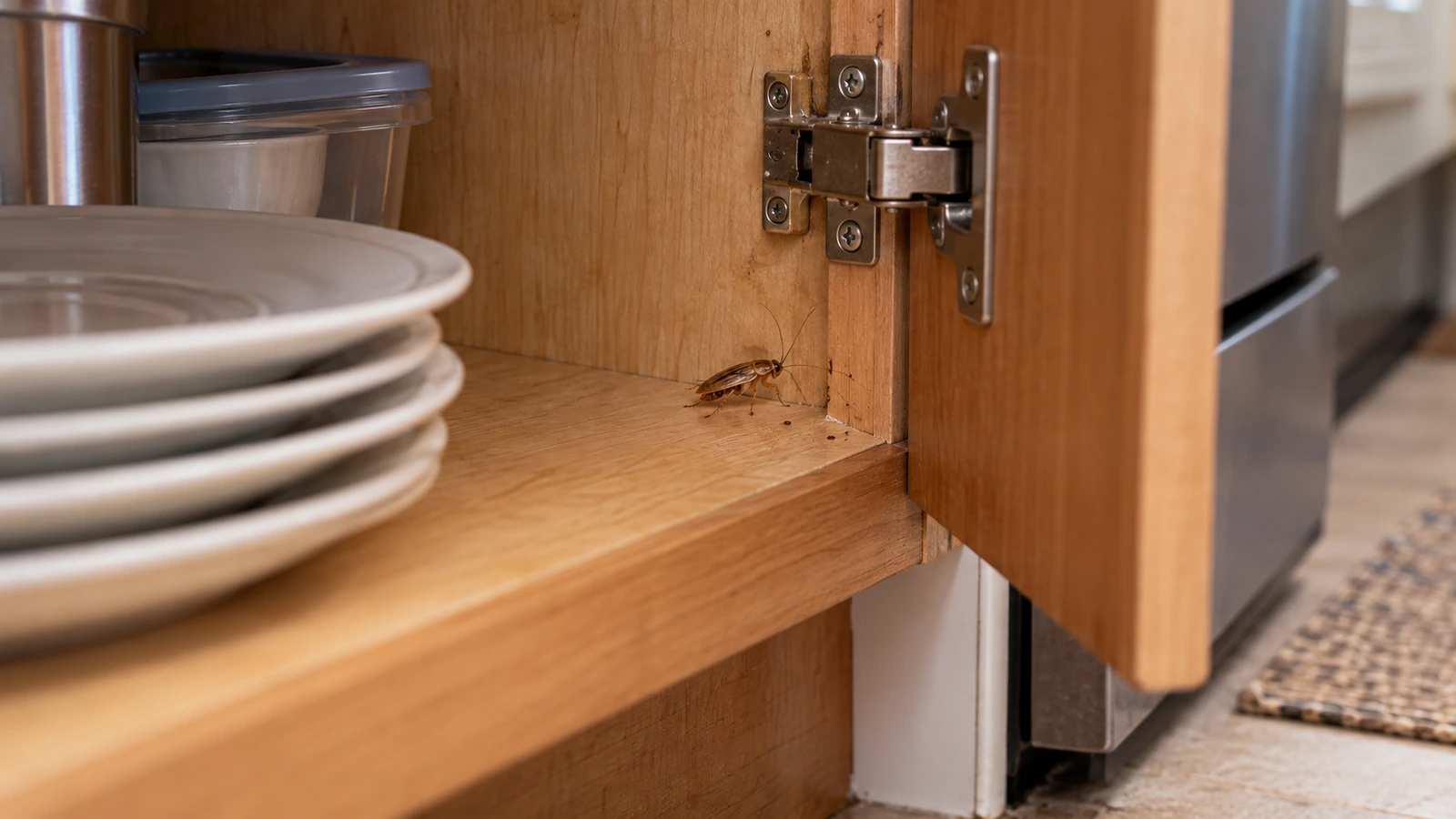
A roach disappears into the gap beside your dishwasher. You look underneath, find nothing, and wonder whether to treat the kitchen or keep looking. Instead of searching every room at random, work outward from that sighting and compare the places where you find evidence.
A useful inspection establishes where roaches are active, which areas could be sheltering them, and whether the problem is likely to extend beyond those areas.
Start with the evidence you can locate
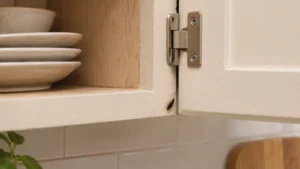
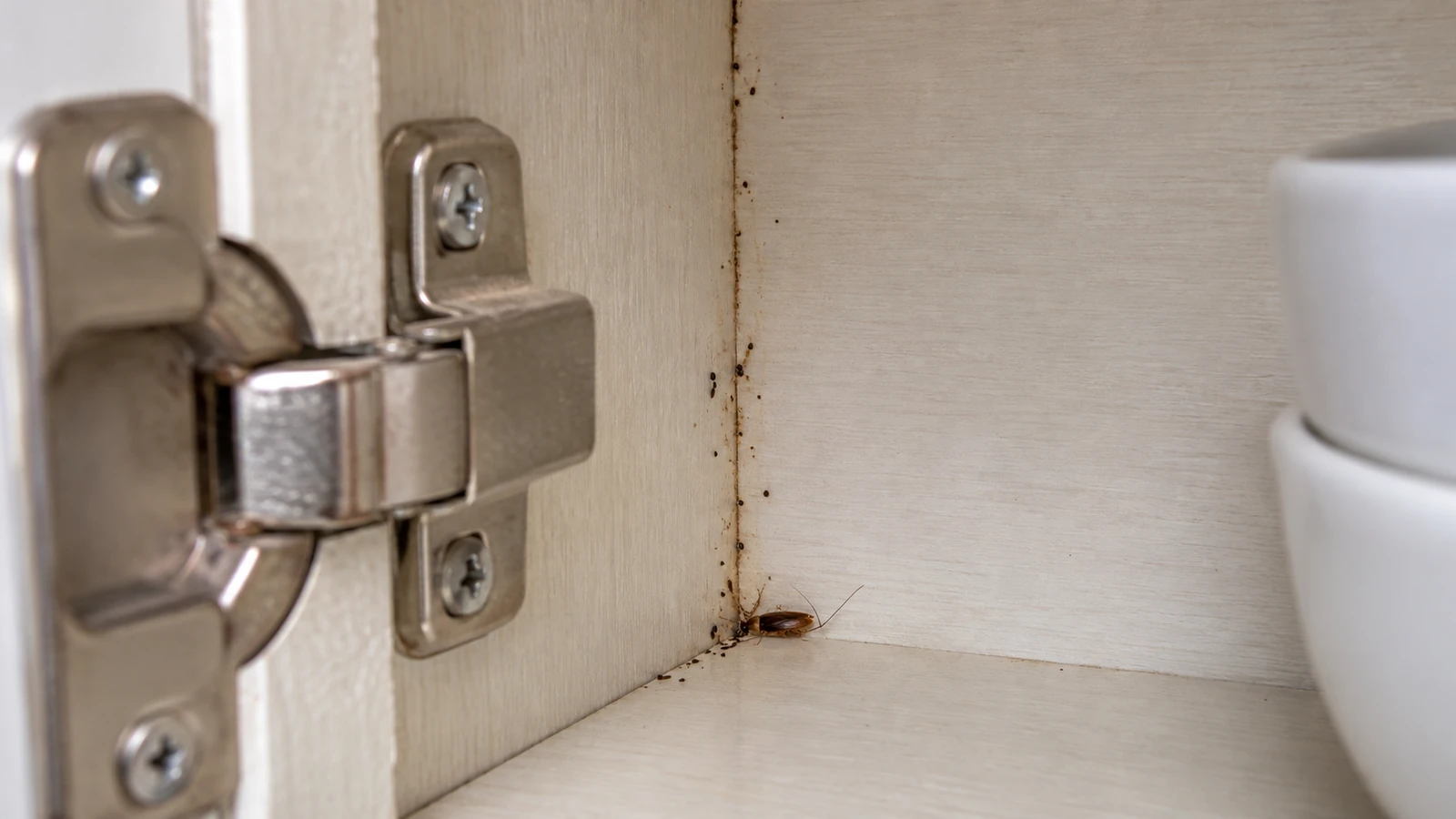
Look at the exact spot where you saw a roach and the sheltered surfaces immediately around it. A live insect, a shed skin, or several suspicious dark specks along a cabinet joint can give you a direction to follow. Photograph the evidence before removing it.
The location of a clue is often more useful for an inspection than its appearance alone. Marks concentrated around a hinge or narrow seam deserve a closer look at that particular cabinet.
Identification in 30 Seconds
- Confirm that the insect is a cockroach if possible.
- Note the exact location, date, and time of each sighting.
- Look for additional evidence in nearby sheltered gaps.
- Identify a second location to check along a possible travel route.
If you’re working from unidentified debris rather than an insect, compare it with the signs of cockroach infestation before deciding what the evidence represents.
Inspect your home in a logical order
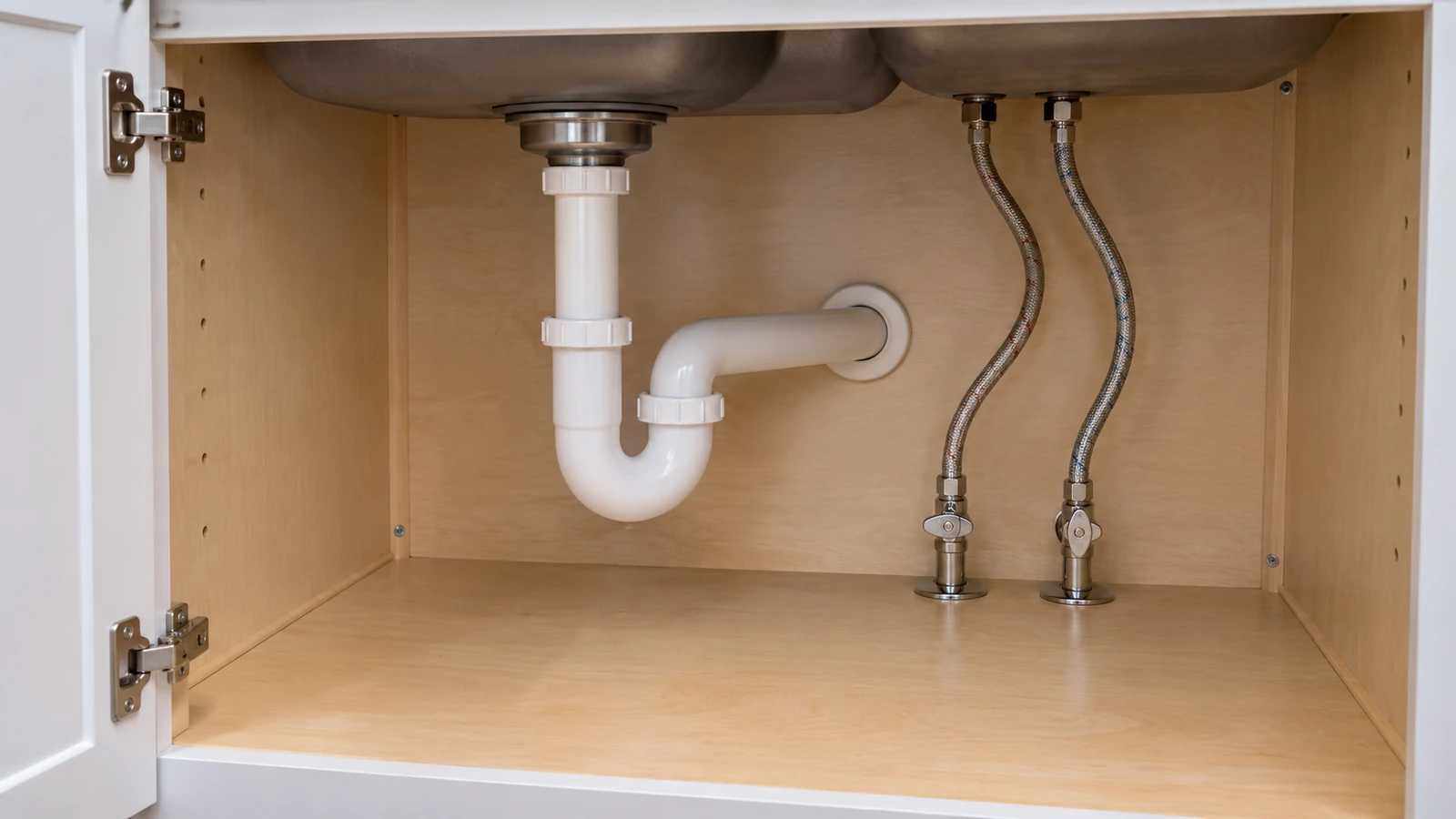
Use a bright flashlight and, if needed, a small inspection mirror. Have a way to photograph what you find and record the location. Start with accessible gaps, corners, and surfaces rather than dismantling appliances or opening walls.
Look for the combination of shelter, food, and moisture that could sustain activity. A pipe that drips into a dark cabinet is worth checking more closely than a clean, dry shelf in the same room.
Follow the nearby routes first
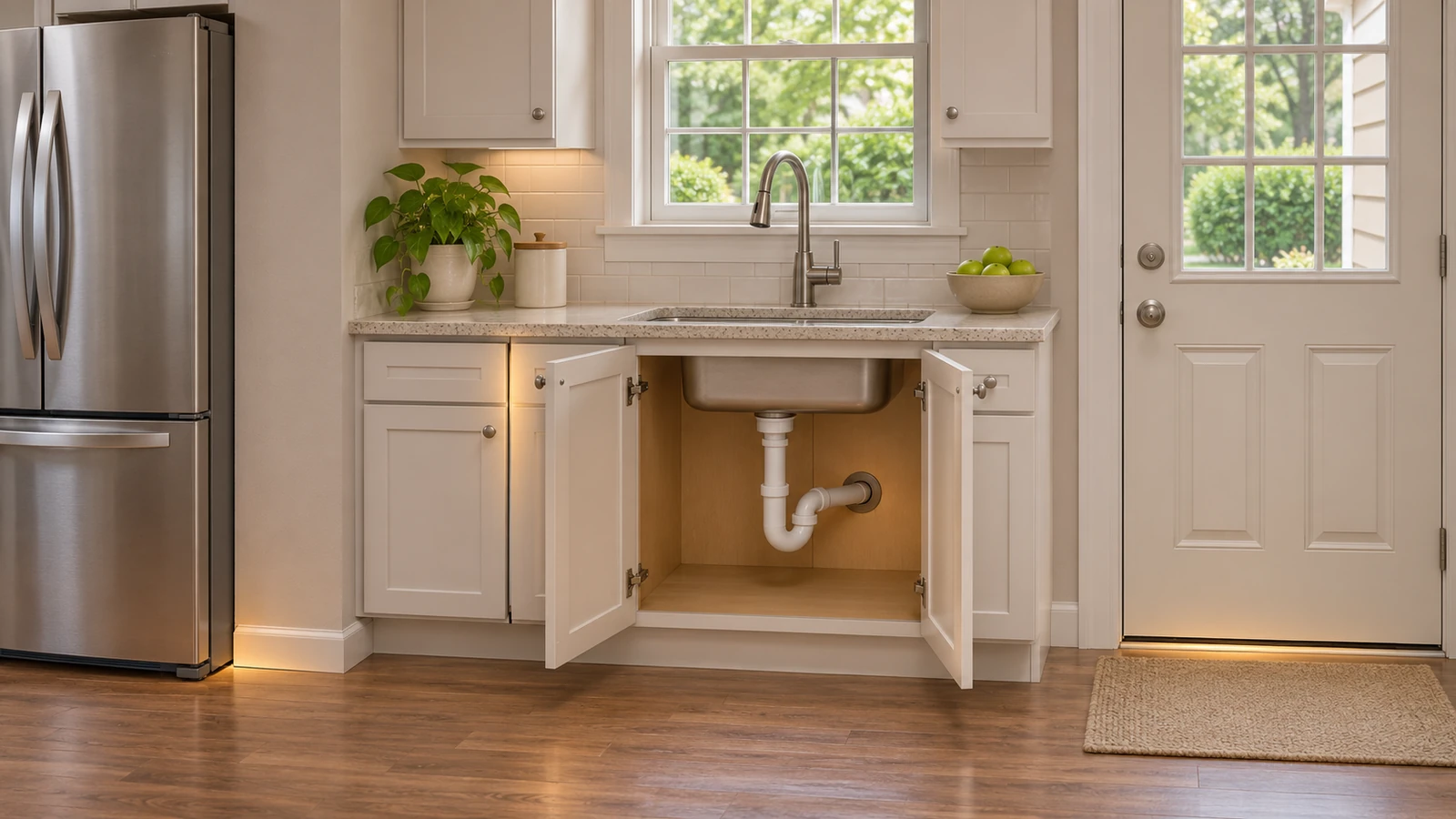
If your first sighting was in the kitchen, inspect the cabinet next to it, the nearest appliance gap, and the accessible edges beneath the sink. Continue along the baseboard or cabinet line to the next potential hiding area. Check for leaks, food residue, and openings around pipes.
If the evidence appears around a refrigerator or dishwasher, examine the accessible sides and lower edges. Use a mirror where you can safely see underneath. Do not pull a heavy or connected appliance out by yourself, remove electrical covers, or reach into machinery.
Expand the inspection according to what you find
Check the bathroom or laundry room if the activity is close to plumbing or a shared wall. German cockroaches frequently shelter near warmth and moisture, while brown-banded cockroaches can also occupy dry, elevated areas, including furniture and upper cabinets.
For a large roach that appeared near a patio door or garage entrance, inspect the threshold, nearby wall edges, and accessible exterior entry points. Expand farther indoors if additional evidence leads you there. The guide to where cockroaches hide can help you identify the next sheltered area to examine.
Identification Mistakes
- Searching only the spot where the roach was visible.
- Spraying gaps to force insects out.
Key Clue
Evidence in two neighboring locations can help narrow the search to the sheltered area or passage between them.
What to Watch For
A leak or an opening around a pipe identifies a condition worth investigating, even if you find no cockroach evidence there.
Use monitors to test your inspection findings
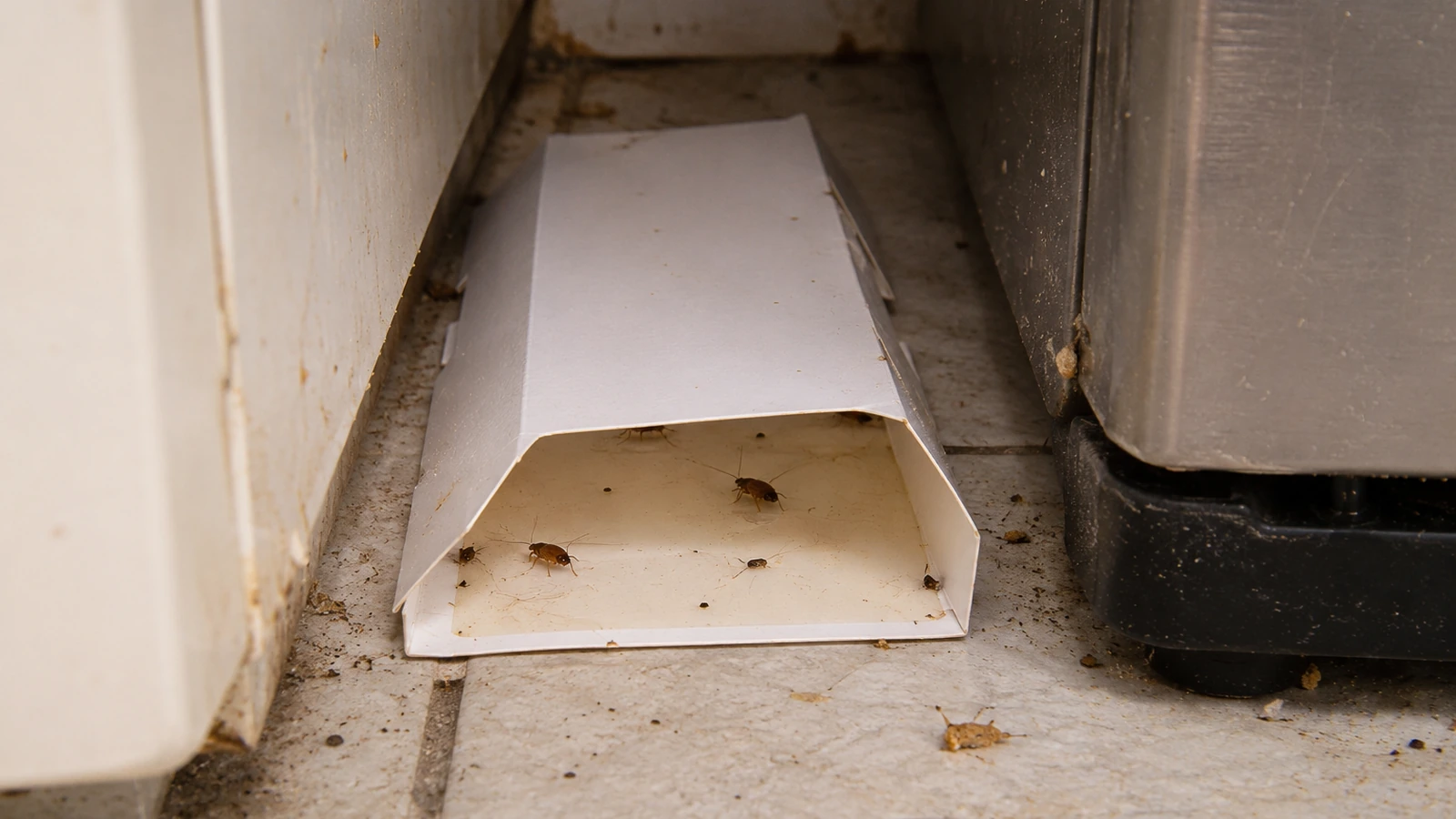
A visual search can miss small populations that remain hidden during the day. Non-insecticidal sticky monitors help you check activity between inspections, especially when you have a suspected location but cannot see inside it.
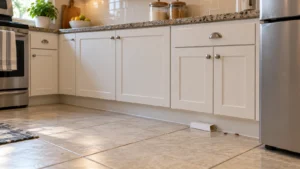
Place monitors at different points that answer different questions. For example, one beside the refrigerator checks that appliance route, another along the cabinet line checks movement farther into the kitchen, and one near the plumbing opening checks a possible connection to another area.
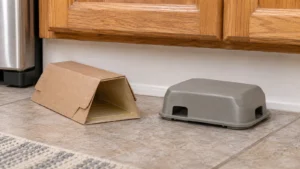
Position each monitor along a protected edge rather than in the middle of the room. Keep adhesive surfaces inaccessible to children and pets. If you need help choosing a suitable device, compare the different types of cockroach traps.
Label each monitor with its location or a number and record the placement date. Check it daily for several days. Record the number of newly caught roaches and whether they appear to be adults or nymphs. Keep the location and monitoring interval consistent when comparing results.
If the monitor gets wet, dusty, or crowded with insects, replace it according to its instructions and note the change. If you continue seeing roaches but a nearby monitor stays empty, try an additional monitor along another likely route instead of dismissing the sightings.
Use the pattern of catches to choose where to look again.
| Monitoring pattern | Where to focus the next inspection |
|---|---|
| Repeated catches beside one appliance | Accessible seams and sheltered gaps immediately around that appliance |
| Catches near a plumbing opening and along an adjoining wall | The connected cabinet or room and possible routes around the plumbing |
| Occasional captures near an exterior threshold | The door gap and nearby sheltered areas on both sides, where accessible |
| Sightings continue but nearby monitors stay empty | Alternative travel routes and whether the monitors are correctly placed |
Assess how far the activity extends
Compare the locations that produced evidence with those you checked without finding any. If catches and sightings remain concentrated around one section of the kitchen, focus there and keep monitors in the surrounding areas. If several rooms produce evidence independently, broaden the assessment.
Repeated catches of identified nymphs and adults in the same indoor area are consistent with a breeding population nearby. A large outdoor-associated roach caught once at an entrance may instead have wandered inside.
Keep the inspection record even if you start treatment. A useful record distinguishes current activity from older traces, lists the affected rooms, and identifies the areas that you could not safely inspect. An empty monitor is reassuring for that location and period, but it cannot tell you how many roaches are elsewhere.
In an apartment, activity near shared plumbing or recurring catches beside a wall connected to another unit warrant attention to possible movement between units. Report the locations and dates to building management rather than assuming which neighbor or apartment is responsible.