Comparison
Best Outdoor Ant Killer: Compare Yard, Perimeter, and Mound Treatments
Compare outdoor ant baits, contact sprays, perimeter treatments, and mound products by where ants are active, your treatment goal, and the exact label.
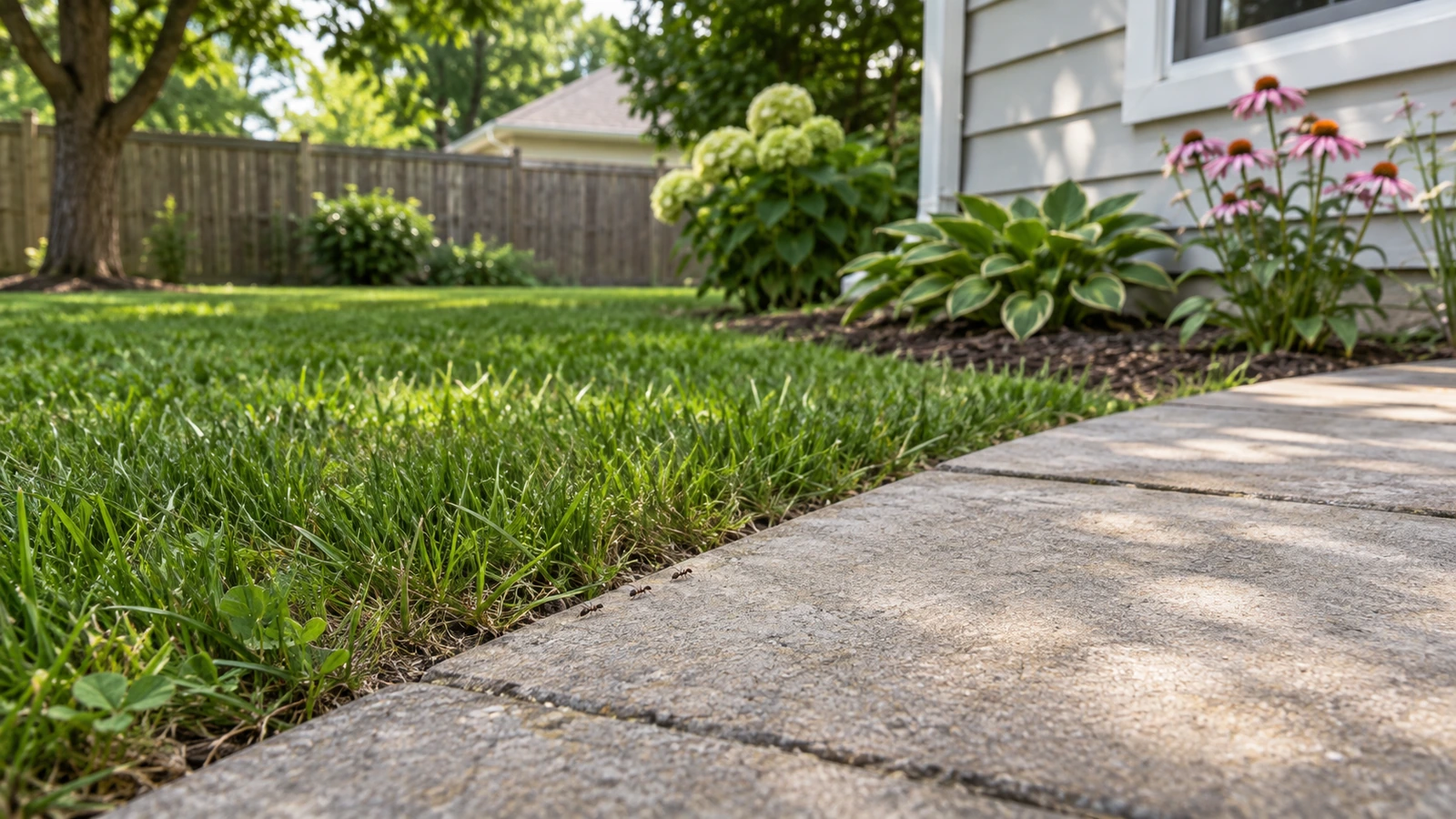
You spot a trail across the patio, a few ants in the grass, or a mound near a walkway. They may look like the same problem, but they call for different decisions. A product that quickly kills exposed workers is not necessarily the one that reduces a colony, and a treatment labeled for a building perimeter may not be approved for the lawn.
The useful comparison starts with three questions: Where are the ants active, what outcome do you need, and what does the product label actually permit? Sometimes the right answer is to leave outdoor ants alone.
Five checks before comparing labels
First, define the treatment site precisely. A driveway crack, home foundation, turfgrass lawn, ornamental planting bed, and vegetable garden are not interchangeable uses. “Outdoor” on the front of a package does not authorize every outdoor surface.
Next, distinguish the goal. Are you trying to monitor a few harmless foragers, stop ants crossing a doorway, reduce a persistent colony, or manage a hazardous mound? For colony reduction, bait uptake and suitability matter more than the speed at which an exposed ant dies.

Also check the actual pest listed on the label. Ant species vary by region and can have different food preferences. A product marketed broadly for ants may not be an appropriate choice for every species or a specialized fire ant problem.
Before buying, verify the exact label’s target pests, allowed sites, directions, application restrictions, and precautions. For U.S. products, check current registration and state restrictions where applicable. Keep children, pets, pollinators, edible plants, and nearby water in mind; some areas are unsuitable for treatment regardless of how many ants you see.
If ants are only moving through an out-of-the-way patch of yard without damage or exposure, monitoring or doing nothing may be the better choice.
Outdoor ant killer comparison by treatment goal
Use this table to narrow the type of product worth investigating. It compares uses, not brands or guaranteed results.
| What you are seeing | Option worth considering | What it is meant to accomplish | Main limitation |
|---|---|---|---|
| Scattered non-stinging ants in the lawn | Monitor without pesticide | Avoid unnecessary treatment of routine outdoor activity | Reassess if activity becomes a real nuisance |
| Persistent foraging trails in a yard or planting area | Site-labeled outdoor bait, if ants accept it | Work toward colony control through feeding workers | Slow response; bait may be ignored, spoiled, or unsuitable for the site |
| Ants repeatedly crossing a home entry point | Targeted exterior bait or labeled perimeter treatment | Address the route between outdoor activity and the home | A contact barrier may not eliminate the nest |
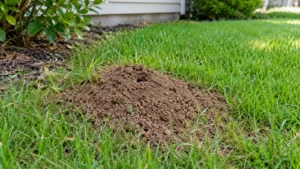
| One troublesome mound near regular foot traffic | Mound-specific product for the identified ant and site | Treat the localized problem | It may not control other colonies in the yard |
| Multiple hazardous fire ant mounds in an affected region | Fire-ant-labeled area bait or other site-specific option | Address the broader pattern rather than one visible mound | Requires correct identification, regional relevance, and strict label compliance |
↔ Scroll horizontally to see all table columns.
The same yard can have more than one ant species or more than one source of activity. Avoid assuming that one product and one application site will solve every observation.
The trade-offs behind a faster or broader treatment

Baits ask for patience. Workers must forage, accept the food, and carry it into the colony. Rain, contaminated bait, competing food, or the wrong food type can interrupt that process. Fast knockdown may look more satisfying on a patio but can leave the source of activity untouched.
Granules are especially easy to misread. Outdoor bait granules are food-based delivery systems; granular contact insecticides treat a labeled surface or site. Their appearance does not tell you which mechanism you are buying. Check the active ingredient and the directions rather than the word "granular."
Broader coverage is not automatically better coverage. A lawn-use product does not necessarily belong in a garden bed, around edible crops, or close to a storm drain. Follow label rules for rain, runoff, flowering plants, and reentry. If a label restricts application while pollinators forage, that restriction determines whether and when the product can be used.
Likewise, a treatment considered appropriate for one region or species may be a poor fit elsewhere. Fire ants warrant particular care in parts of the southern United States, while ordinary outdoor foraging ants elsewhere may not warrant treatment at all.
Choose the job, not the marketing claim
The strongest match is a product whose label covers the identified ant, the exact outdoor site, and your intended outcome. "Kills on contact" and "colony control" answer different questions.
What to Watch For
Never spray across active bait placements or assume a dry-looking granular product is pet-safe. Read the label's placement, access, watering, and reentry instructions before use.
Which outdoor ant killer makes sense for your yard?
Start with the situation you can verify
- Ants are outdoors but not causing a problem: Leave the area untreated and observe. Outdoor colonies can play a normal role in the landscape.
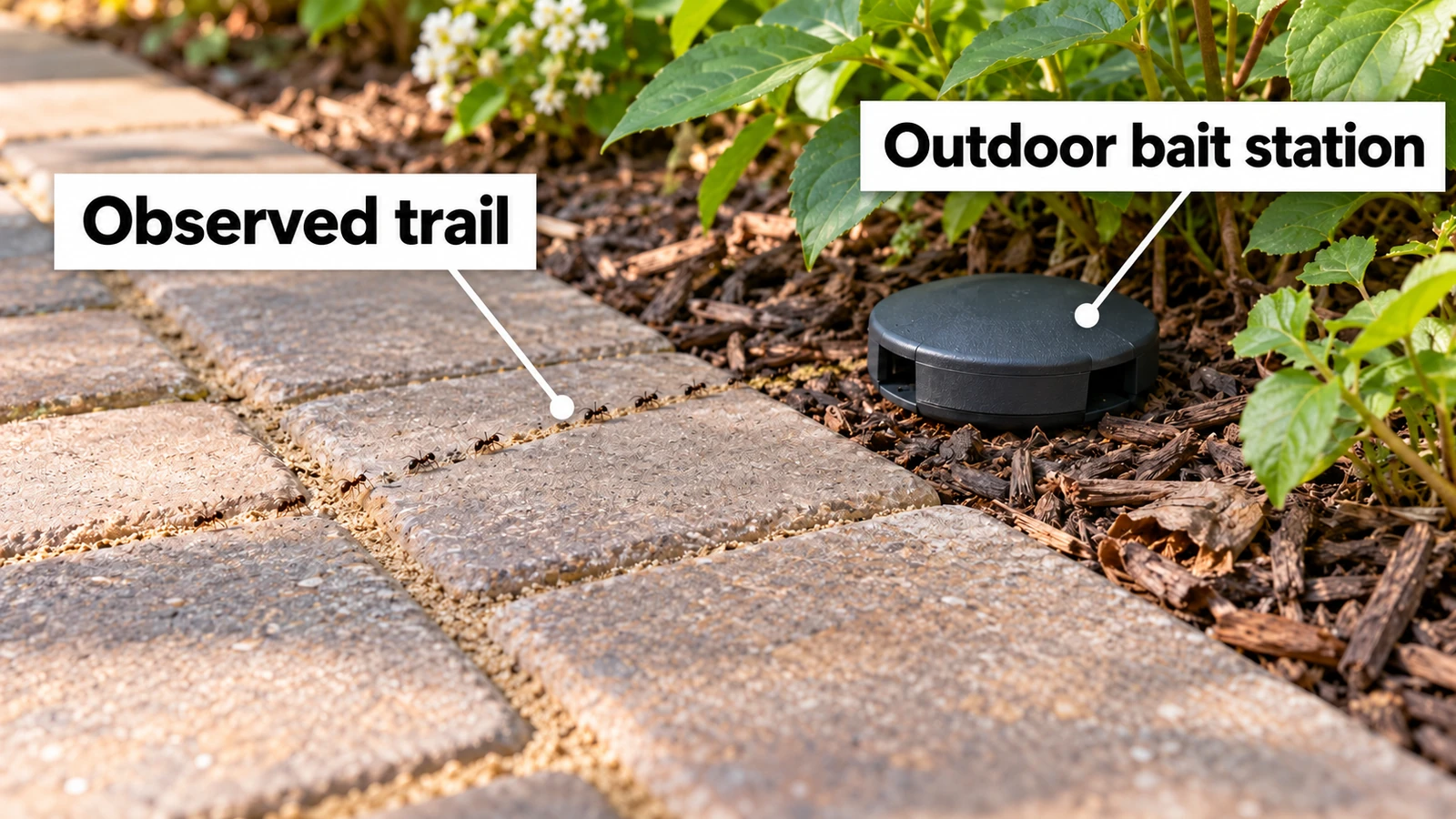
- Foragers are entering near a door or foundation: Look for access gaps and food or moisture sources. If a pesticide is still needed, compare a site-labeled bait with a narrowly targeted perimeter option; do not assume the barrier will reach the colony. For a wider assessment of ants around the home, use the household hub.
- Workers are active across a lawn or landscape bed: Look at the actual ant problem before choosing a lawn-labeled product. The detailed question of ants in the lawn deserves its own assessment, not automatic broadcast treatment.
- A mound is creating a sting or access hazard: Confirm the likely ant type before selecting a mound-specific product. For suspected fire ants in an affected region, compare fire ant treatment options rather than a generic yard spray.
A product can be a good fit for one of these situations and a poor choice for the next. Treating the smallest relevant area is often more defensible than coating the entire yard.
When a bait and entry prevention work together
For repeated ant traffic between a yard and a house, a correctly placed, site-labeled bait may address the foraging colony while sealing entry gaps and removing outdoor food sources reduces opportunities to cross indoors. These measures solve different parts of the problem.
This does not mean applying a contact spray over the bait. Keep any pesticide applications consistent with each label and avoid contaminating an area where ants need to feed.
Common mistakes when choosing an outdoor ant killer
- Buying an "outdoor" product without checking whether the label actually permits lawn, perimeter, mound, or ornamental-bed use.
- Choosing fast surface knockdown as proof of colony elimination.
- Treating every mound or ant trail even when there is no nuisance, hazard, or damage.
- Applying sprays on bait trails, exposing flowers or runoff pathways, or overlooking the label's pet and child restrictions.
Explore this topic further:
If you need an outdoor action plan rather than a product-category comparison, read how to control ants outdoors.