How-To
Found a bed bug? Five things to do right away
Found a possible bed bug? Preserve the specimen, inspect nearby hiding places, contain suspect belongings, and decide on the next step without rushing into treatment.
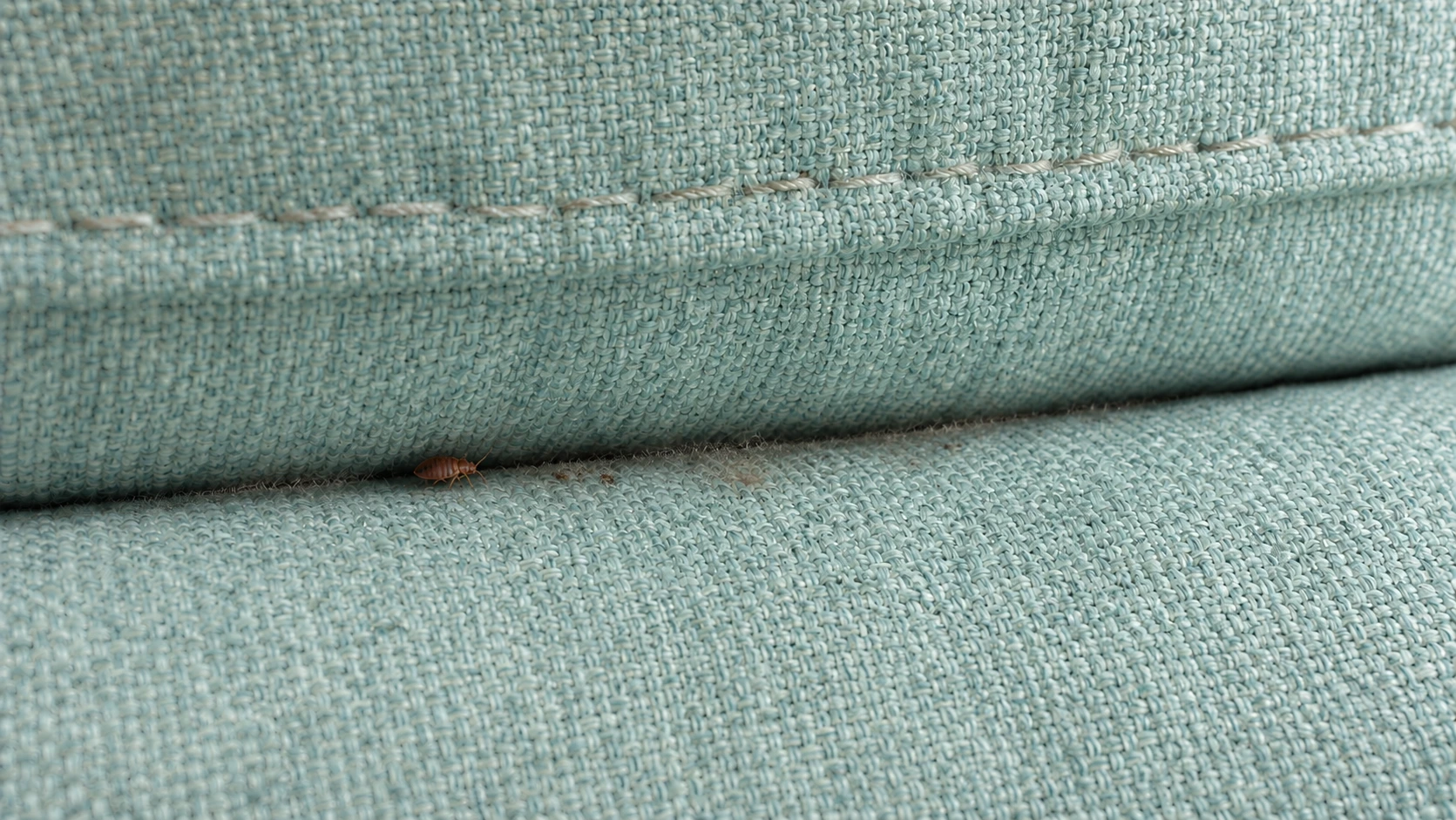
You spot a flat brown insect on your pillow, couch, or overnight bag. Before you strip the bed or reach for a spray, find out exactly what you saw and where it came from. That small amount of evidence can make the next decision much easier.
This first response is for a suspected bed bug as well as one you can already identify. It focuses on the insect, the immediate hiding places, and belongings that may have carried it, rather than a full-home inspection or treatment.
- Difficulty: Basic for an initial check; reliable insect identification may require specialist help.
- Equipment: A flashlight, a clear sealable container or zip-top bag, and a camera for a close photo.
Get ready without disturbing the whole room
Start at the exact spot where the insect appeared. Have your container and flashlight nearby. Notice whether it was on bedding, a bed frame, a couch seam, clothing, or luggage, and note the location before moving anything.
You need a clear view of a few accessible seams and joints, not a dismantled bed or piles of belongings in the hallway. If others share the room, explain that you are making a focused check before deciding what to clean or move.
Before You Start
Keep potentially exposed bedding, bags, and clothing in the original area until you can inspect or contain them. Carrying loose items into a different bedroom can spread an insect that was hitchhiking on them.
Five steps to take after finding a possible bed bug
Work outward from the location of the sighting. The goal is to document the insect, make a reasonable identification, and look for nearby evidence before deciding whether more investigation is needed.
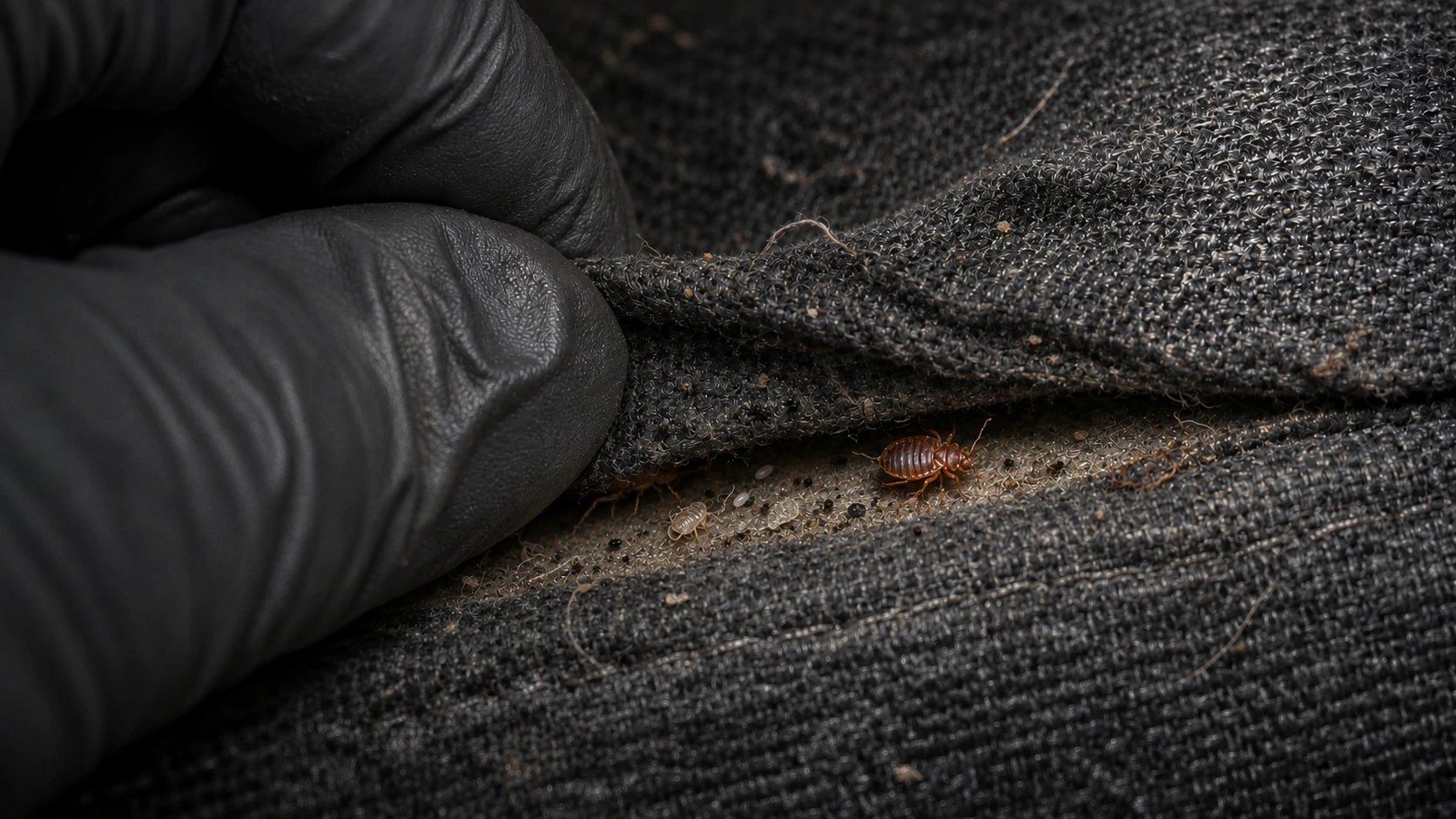
Step 1: Save the insect or take a clear photo
If it is still there, carefully cover it with a clear container and close the container securely. A close photo from above and another from the side may help show its body and legs. Keep the specimen if you can; a preserved insect is often more useful for identification than a blurry phone image.
Write down where and when you found it. If it escaped, remember the exact crack, seam, or object it moved toward instead of pulling apart everything in pursuit.
Step 2: Check whether it really looks like a bed bug
Adult bed bugs are flat, oval, wingless insects with six legs and a brownish body, often roughly 1/4 inch long. Young bed bugs, called nymphs, are smaller and often much paler before feeding. A recent blood meal can change the insect’s color and shape.
Carpet beetles, fleas, and insects associated with birds or bats can be mistaken for bed bugs. Compare identifiable features, not just color. If you cannot confidently name the specimen, arrange identification through a local Cooperative Extension service or a qualified pest professional before treating the home. Skin marks alone cannot identify the insect.
Step 3: Look at the immediate hiding places
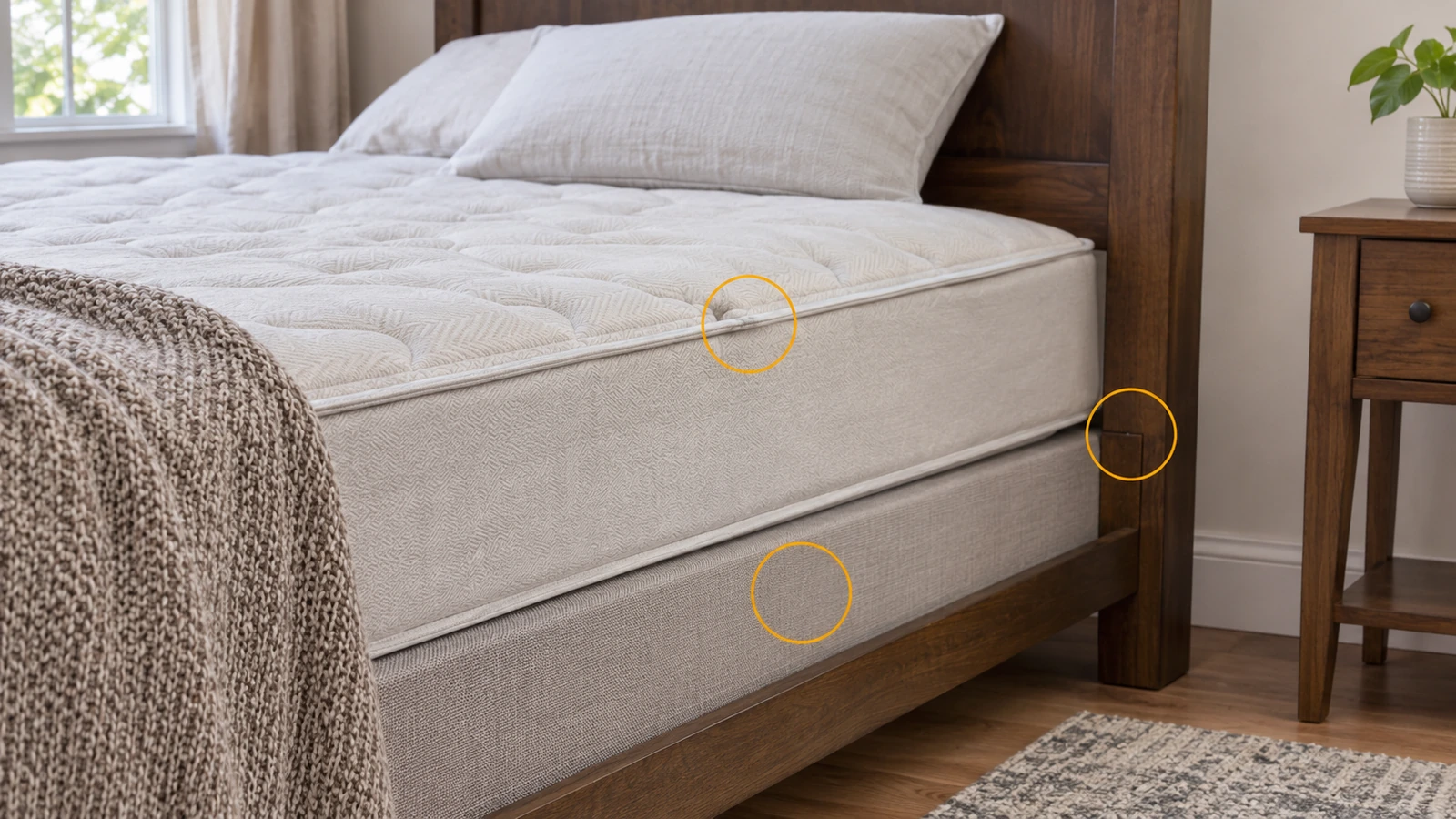
Use the flashlight where the insect was found. If it was on the bed, check the nearby mattress piping and seams, the accessible edge of the box spring, the bed-frame joints, and the headboard attachment. For a couch sighting, check the closest cushion seam and frame gap. For luggage, inspect nearby zipper tracks, pockets, and folds.
Look for additional insects, small pale shed skins, dark fecal spots clustered near a hiding place, or tiny pale eggs. Check the accessible surfaces carefully, then stop before pulling apart furniture or carrying exposed items around the home. A more extensive search belongs to a separate inspection.
Step 4: Contain belongings that may be involved
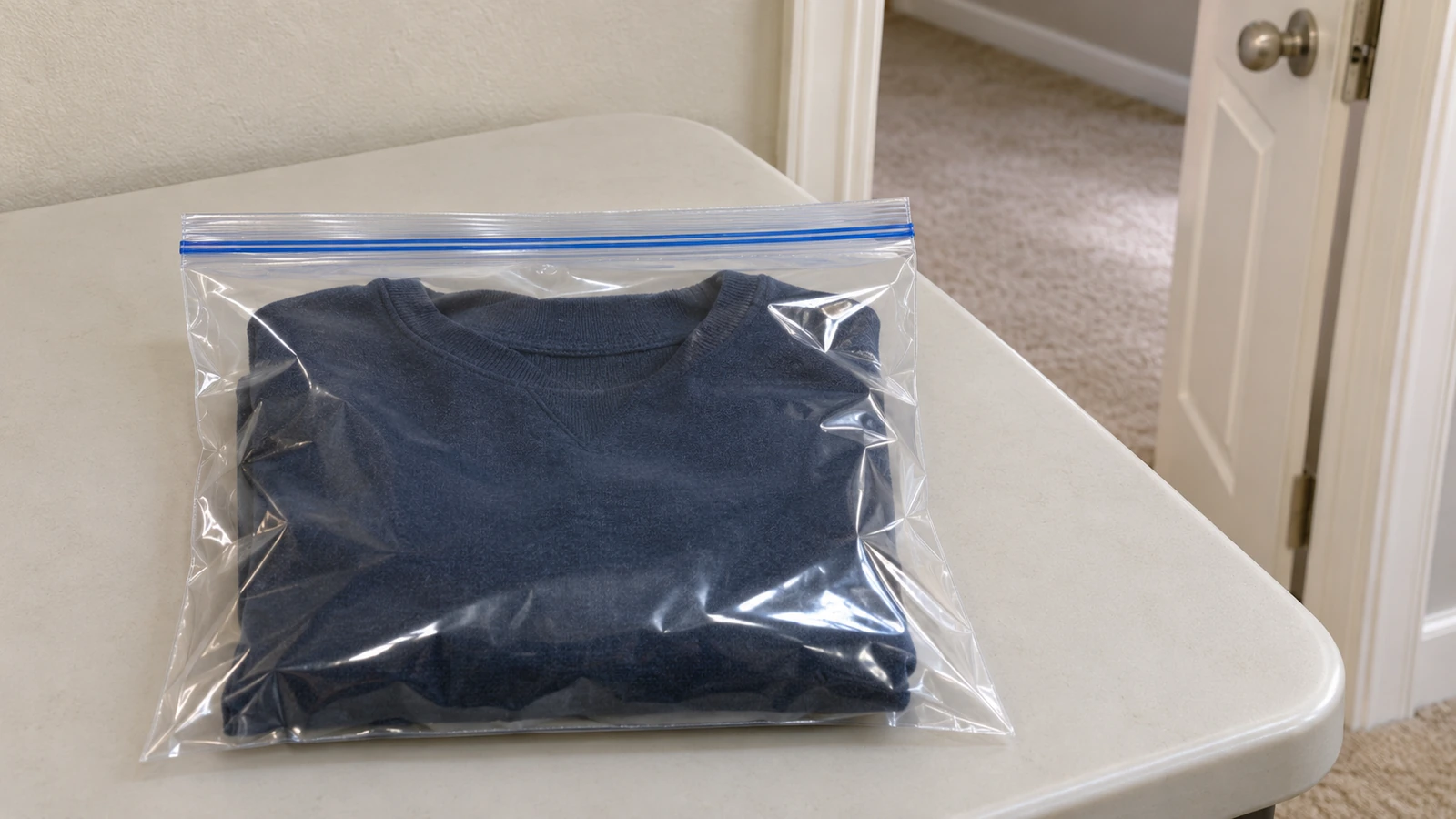
If the insect was on a backpack, garment, or recently used bag, close that particular item in a sound, sealable bag until you can inspect or handle it appropriately. Bag suspect laundry before transporting it, and keep it separated from clean clothing.
A confirmed bug on one item is a reason to examine that item and the nearby resting area, not to seal every possession in the house. Do not place potentially exposed objects onto another bed or couch.
Step 5: Record the finding and choose the next check
Keep the photo or specimen, location notes, and any additional observations together. One identified bed bug shows that an insect was present, but it does not establish how many are nearby. A dead specimen with no other signs also leaves the current activity uncertain.
If you find more live bugs or characteristic signs close to the first location, move to a fuller inspection and control plan. If this was one uncertain sighting and the nearby check is clear, continue targeted observation instead of applying pesticide throughout the room.
Avoid the common first-response mistakes
The biggest early mistakes are usually not failures to buy a product. They are actions that scatter belongings, destroy useful evidence, or create unnecessary exposure before the insect has been identified.
Keep suspected items contained, and avoid making the sleeping area harder to inspect.
- Do not use a bug bomb or spray the room indiscriminately. Foggers often miss insects inside cracks, and pesticide use must follow the product’s U.S. label.
- Do not use space heaters, ovens, or an improvised whole-room heating setup to kill a suspected bed bug. These approaches can be ineffective or dangerous.
- Do not throw away a mattress, couch, or bag because of one unverified insect. Discarded infested furniture can spread the problem.
- Do not move unbagged bedding or other suspect belongings into a “clean” room just to get them out of sight.
Check what your first inspection actually tells you
A useful first check gives you a specimen or clear image when possible, a record of its location, and a closer look at the places immediately around it. Multiple insects or convincing physical signs near a resting area raise the concern about ongoing activity.
If you use a bed-leg interceptor to monitor the area, check it periodically and note where anything is caught. An empty interceptor means no insect was caught there during that period; it is not proof that the whole room is clear.
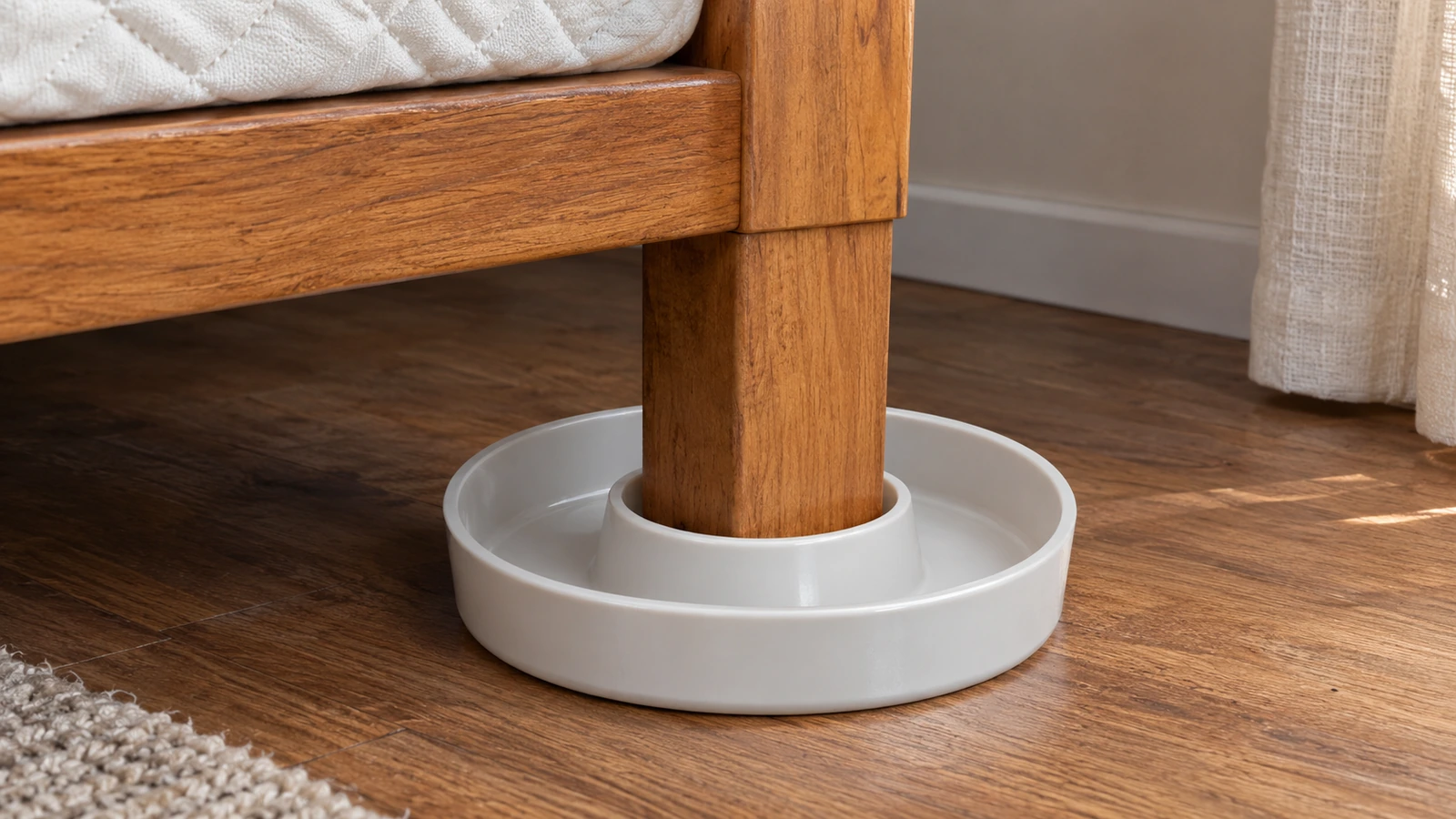
Finding only one bed bug is compatible with an isolated introduction, but an early infestation can also be difficult to detect. A short, quiet inspection is therefore a reason for measured follow-up, not a guarantee that nothing else is present.
Expected Result
You should finish with a clear next decision: identify a look-alike and avoid unnecessary treatment, seek expert identification of an uncertain specimen, or investigate further because additional bed bug evidence was found.
If you cannot confirm what happened
If the insect was crushed, escaped, or photographed poorly, check the original location again during normal bedding changes. Save any later specimen rather than treating every unexplained speck as a bed bug. If you have only bite-like skin marks, keep looking for physical evidence; several different causes can produce similar reactions.
If you have confirmed bed bugs and signs of ongoing activity, follow a complete bed bug treatment plan. That process is broader than the first-response check and may require coordinated work.
When Should You Call a Professional?
Consider a professional bed bug inspection when you repeatedly find insects but cannot locate the source, several rooms or units may be involved, or important hiding places cannot be checked safely. A single unidentified bug or isolated skin reaction does not automatically require professional treatment.
In an apartment or another multi-unit building, document confirmed findings and contact the landlord or building management so appropriate next steps can be coordinated. Specific responsibilities and procedures depend on local rules.
Keep watch without turning every day into an inspection
Revisit the original spot during ordinary cleaning or bedding changes, and compare new findings with your notes. If you use an interceptor, keep a simple record of catches rather than relying on one empty check. New specimens or concentrated signs justify a more complete inspection.
If the concern started with travel, a secondhand item, or a bag brought into the house, follow a separate bed bug prevention routine for future exposures. Preventing introductions is useful, but it is not a substitute for responding to an insect already found.
Explore this topic further: