Explanation
Bed bug inspection: what professionals check and what it costs
Understand what a professional bed bug inspection should cover, how visual and canine checks differ, and which questions make inspection quotes comparable.

You notice dark marks near your bed, but you cannot find an insect. One pest control company offers a free visit; another charges for a detailed inspection. Before choosing, you need to know whether those appointments include the same work.
A useful inspection should leave you with clearer evidence, a defined area that was checked, and a sensible next step. It should not push you into buying treatment for a pest that has not been identified.
Quick Answer
A professional bed bug inspection checks likely hiding places for identifiable insects and other physical evidence. In the United States, a professional visual inspection generally costs around $65–$200, while canine detection may cost approximately $300–$600 for an average-size home. Some companies offer an initial inspection free of charge. Prices vary by location, property size, and the scope of the inspection. Treatment is usually billed separately.
What does a professional bed bug inspection include?
The inspector should start where people sleep or spend long periods resting. That usually means mattress seams and piping, the box spring, bed-frame joints, the headboard, and nearby upholstered furniture when relevant.
A careful visual search uses light and close examination of protected gaps, not just a glance at the sheets. An inspector may need permission and safe access to move furniture or examine the underside of a bed. How much of that work is included should be clear before the visit.
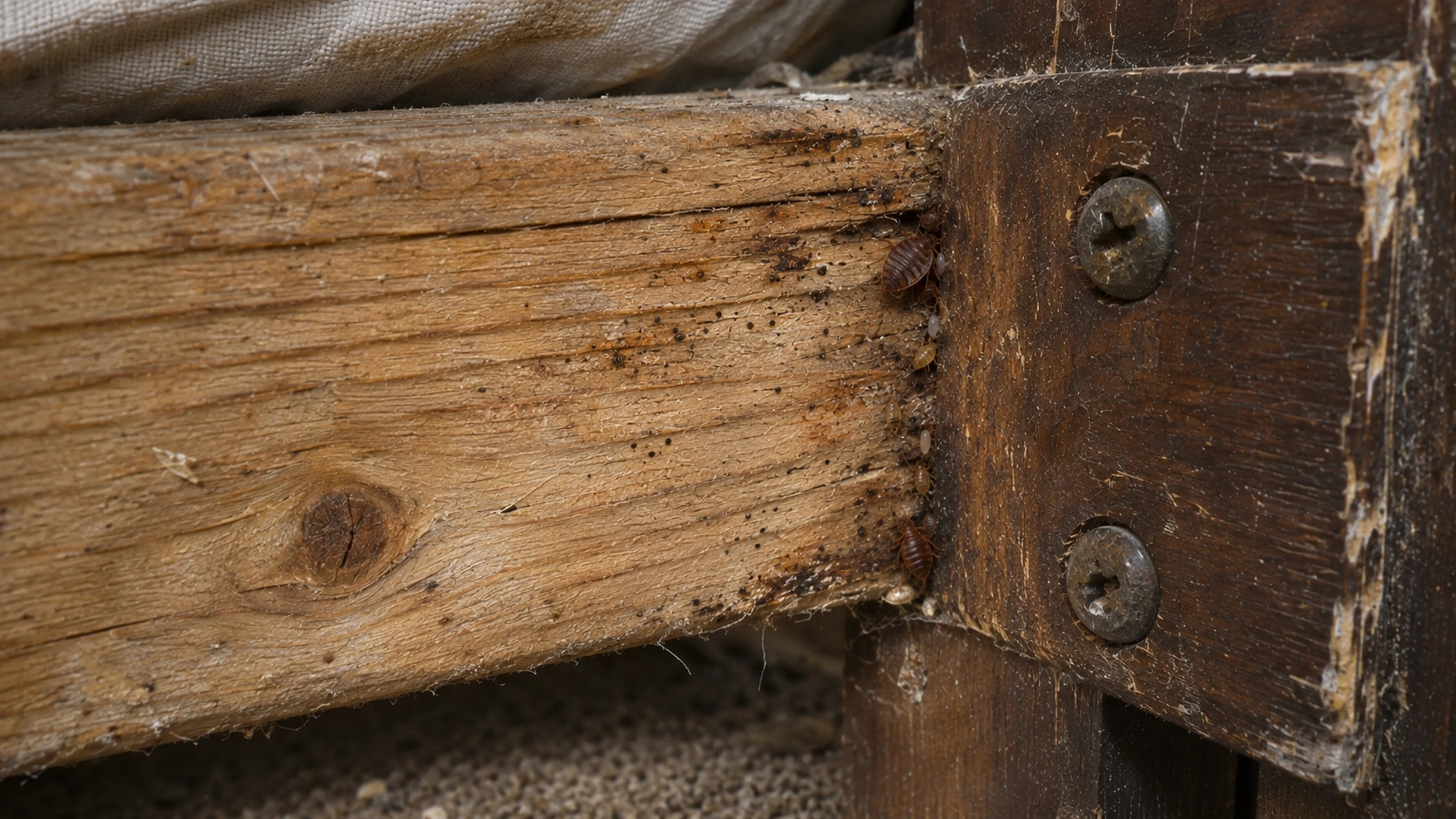
What evidence should the inspector look for?
Identifiable bed bugs, including nymphs, provide direct evidence. Eggs, shed skins, and concentrated dark fecal spots in plausible hiding places can help explain what is happening. An isolated stain or skin reaction is much less informative, and a suspect insect needs a reliable identification.
If you are still deciding whether the traces actually suggest bed bugs, use the guide to how to tell if you have bed bugs.
How many rooms should be checked?
The initial search normally follows the places people sleep or rest and the evidence found there. An inspector may widen it to a couch, another bedroom, adjoining spaces, or belongings linked to a plausible exposure. A large house does not automatically need every cupboard opened.
In a multiunit building, the scope can depend on neighboring activity and access controlled by management. For the locations that matter in a household search, see where bed bugs hide.
What should you receive afterward?
Ask for a written finding that states which rooms and furniture were examined, where any suspected or confirmed evidence was found, and what could not be accessed. Useful photos or a collected specimen can help document a positive result.
The conclusion should distinguish confirmed bed bug activity, suspicious findings that need further checking, and no evidence found in the inspected areas. If nothing is located but concern remains credible, the report should explain whether monitoring or another assessment would add value.
Why bed bug inspection prices and methods differ
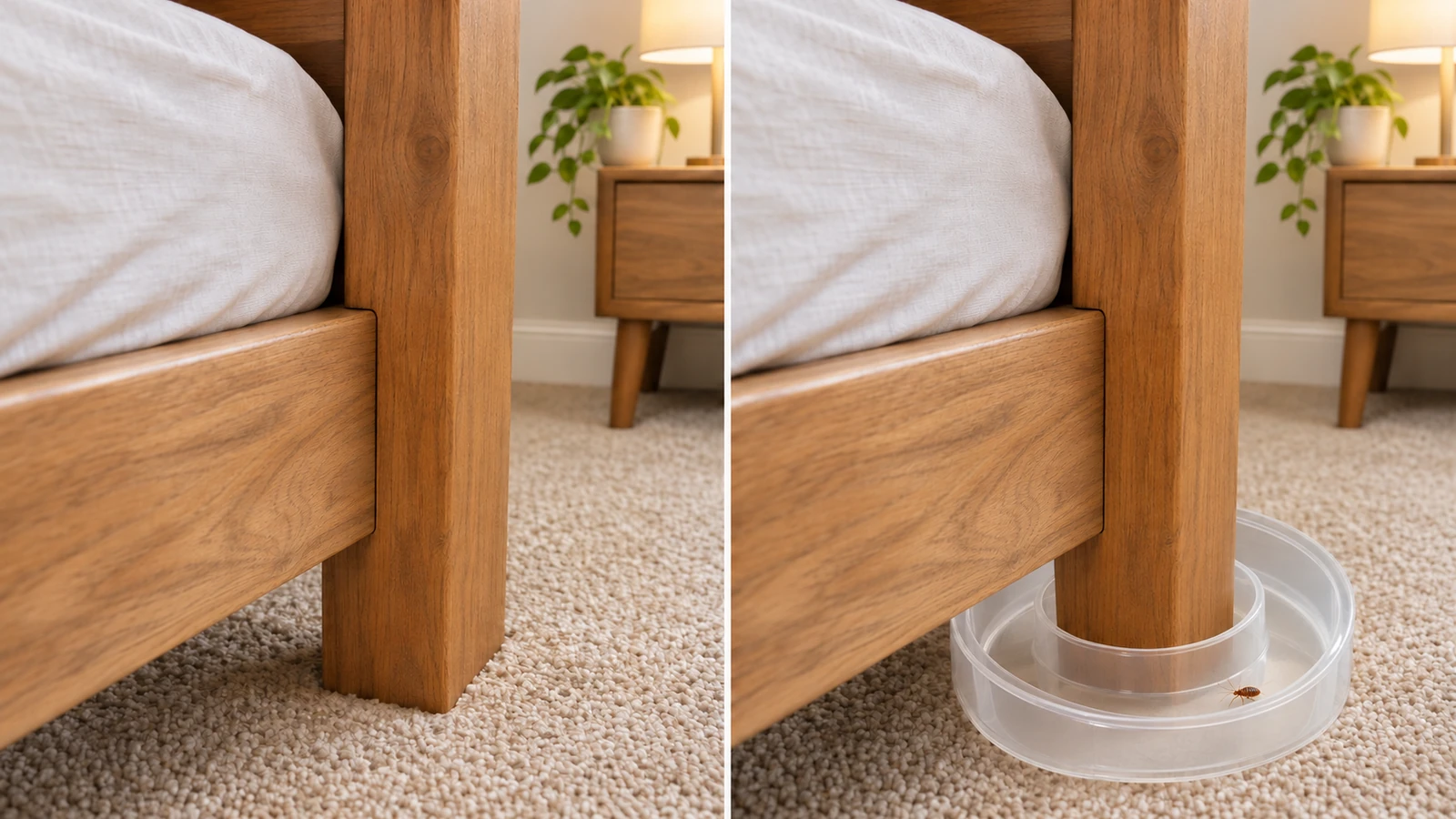
A free initial visit may be part of preparing a possible treatment estimate. A paid stand-alone inspection may cover more rooms, additional searching, a written report, or specialized detection. The label “inspection” alone tells you very little about the work included.
Property size, number of sleeping and resting areas, furniture access, travel distance, local labor costs, and extra visits can all change the fee. A quote for one accessible bedroom is not directly comparable with a multiroom assessment.
Visual inspection, interceptors, and detection dogs
A trained professional’s visual inspection searches for actual signs in the most relevant places. Bed-leg interceptors or other suitable monitors can help collect evidence when activity is sparse, but monitoring may require time and a separate return visit.
Detection dogs can help search larger or complicated spaces. Their performance varies considerably under real-world conditions, so a canine alert should lead to corroborating physical evidence or a suitable follow-up assessment before expensive treatment is authorized. A negative canine search is not a guaranteed all-clear either.
Why a negative inspection may need a follow-up
Small bed bug populations are difficult to locate. A thorough inspection that finds nothing is useful information about the areas checked, but the result depends on access, timing, and the method used.
If physical clues continue to appear, ask how they will be reassessed. That may mean identifying a saved specimen, checking a newly reported location, or using correctly placed monitors rather than immediately paying for whole-home treatment.
Good to Know
Some companies credit an inspection fee toward treatment if you later hire them. Others charge for inspection and treatment separately. Confirm the credit, any expiration conditions, and whether you receive the findings even if you decline the treatment offer.
How to compare inspection quotes without paying for the wrong service
Ask each provider to quote the same property and describe the same suspected evidence. A phone estimate for a brief visual check and a paid on-site inspection with documentation may both be reasonable, but they are different services.
Before booking, clarify these points:
- Areas covered: Which bedrooms, sofas, furniture pieces, and connected spaces will actually be examined?
- Detection method: Is this a visual search, a canine visit, monitoring setup, or a combination?
- Evidence and report: Will you receive photos, specimen identification when possible, a written finding, and any limitations?
- Price and return visits: Is the inspection free or paid, are travel and follow-up included, and can the fee be credited to treatment?
- Next decision: What evidence would justify treatment, and can you decline it without losing the inspection findings?
Keep a suspect insect in a sealed container or preserve a clear photo of its location if you have one. Ask what access the inspector needs, but do not scatter belongings into other rooms, discard furniture, or spray pesticides before the evidence can be examined. In a rental, coordinate access and authorization with the appropriate property contact.
Not every suspicious mark justifies a paid visit. A few ambiguous stains with no insect may be a reason to continue focused observation; repeated physical clues, inaccessible hiding places, or findings across resting areas can make professional assessment more useful.

What to Watch For
Be cautious if someone recommends costly treatment solely from bite marks, an unverified dog alert, or a fleeting look at a mattress. Ask what was actually found and which spaces were checked. A high inspection fee is no substitute for identifiable evidence and a documented scope.
Use this comparison to see what a quoted service actually buys.
| Service quoted | What it may provide | Question to ask before paying |
|---|---|---|
| Initial visual visit | A targeted search and assessment, sometimes at no charge | Which areas will be searched, and will I get written findings? |
| Detailed visual inspection | More extensive search, documentation, or multiple rooms | What is included beyond the initial assessment? |
| Canine detection | Scent screening of agreed spaces | How will each alert be verified before treatment is proposed? |
| Monitoring and recheck | Installed monitors and a later assessment | Are devices and the return appointment included? |
| Inspection plus treatment estimate | Findings and a separately scoped proposal | Is the inspection fee credited, and is any treatment optional? |
Frequently Asked Questions
Should I throw away my mattress before an inspection?
No. Discarding or carrying furniture through the home can spread bed bugs and remove useful evidence. Keep the suspected items in place when practical and ask the inspector what should be moved or prepared.
Who arranges an inspection in an apartment?
Contact the landlord or property manager promptly, especially if activity is confirmed or neighboring units may need access. Who authorizes and pays for an inspection depends on the lease, local rules, and circumstances, not one nationwide U.S. rule.
Explore this topic further: