Identification
Found a cockroach in your house? What to check first
A roach in the house raises one immediate question: is it a visitor or a sign of ongoing activity? Use visible clues and a focused inspection to choose a sensible next move.

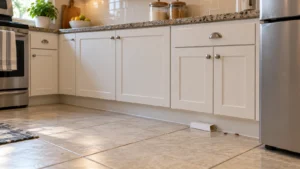
You flip on the kitchen light and see an insect disappear beside the refrigerator. Or you find a large roach near the bathroom door after a rainy evening. The useful first move is the same: note exactly where it appeared and look for other clues nearby before deciding how to respond.
A single sighting may be an outdoor visitor or the first visible sign of roaches living inside. The insect, its location, and what you find during a short inspection will help you tell those situations apart.
Start with the insect and the surrounding clues
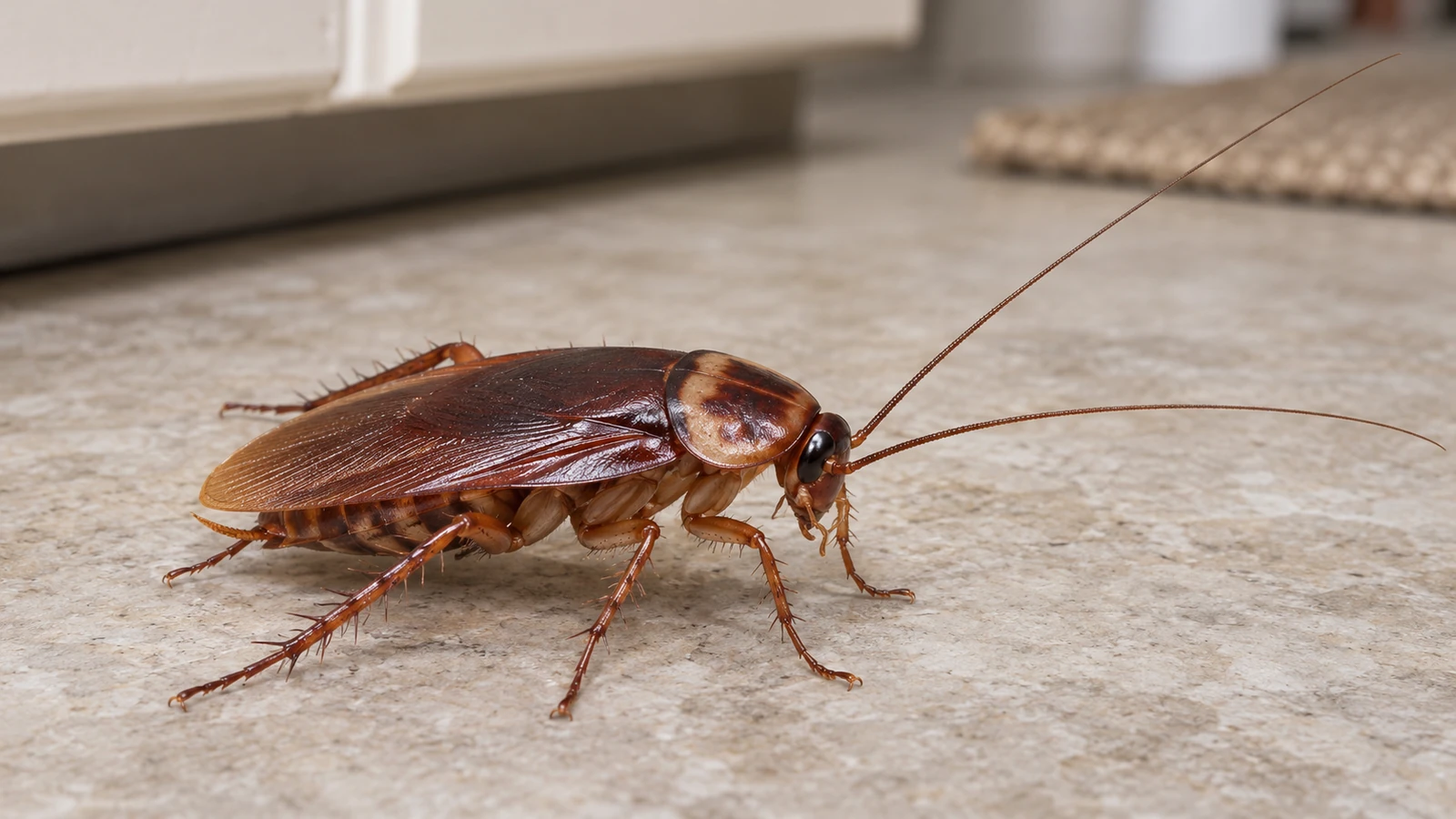
Cockroaches generally have a flattened, oval body, six spiny legs, and long antennae. Some adults have conspicuous wings, while young roaches, called nymphs, are smaller and lack developed wings. Size and color vary between species, so neither is enough to name the insect on its own.
If possible, take a clear photo before the insect disappears or is removed. A photo showing the body and antennae is more useful than a description such as “big and brown.” If you can safely contain the insect, keeping the specimen can also help with identification.
Identification in 30 Seconds
- Check for a flattened, oval body, six legs, and long antennae.
- Note whether you saw a small wingless insect or a larger adult.
- Record the room and exact spot, such as a door threshold or the gap beside a cabinet.
- If the insect is unclear, compare your photo before choosing a treatment.
Then look at the immediate surroundings. Dark specks along a cabinet joint, a shed skin, or an egg case can justify a closer search. A crumb, stain, or bit of dirt may look similar at a glance. For a closer visual comparison, see what a cockroach looks like.
Inspect where you saw it, then work outward
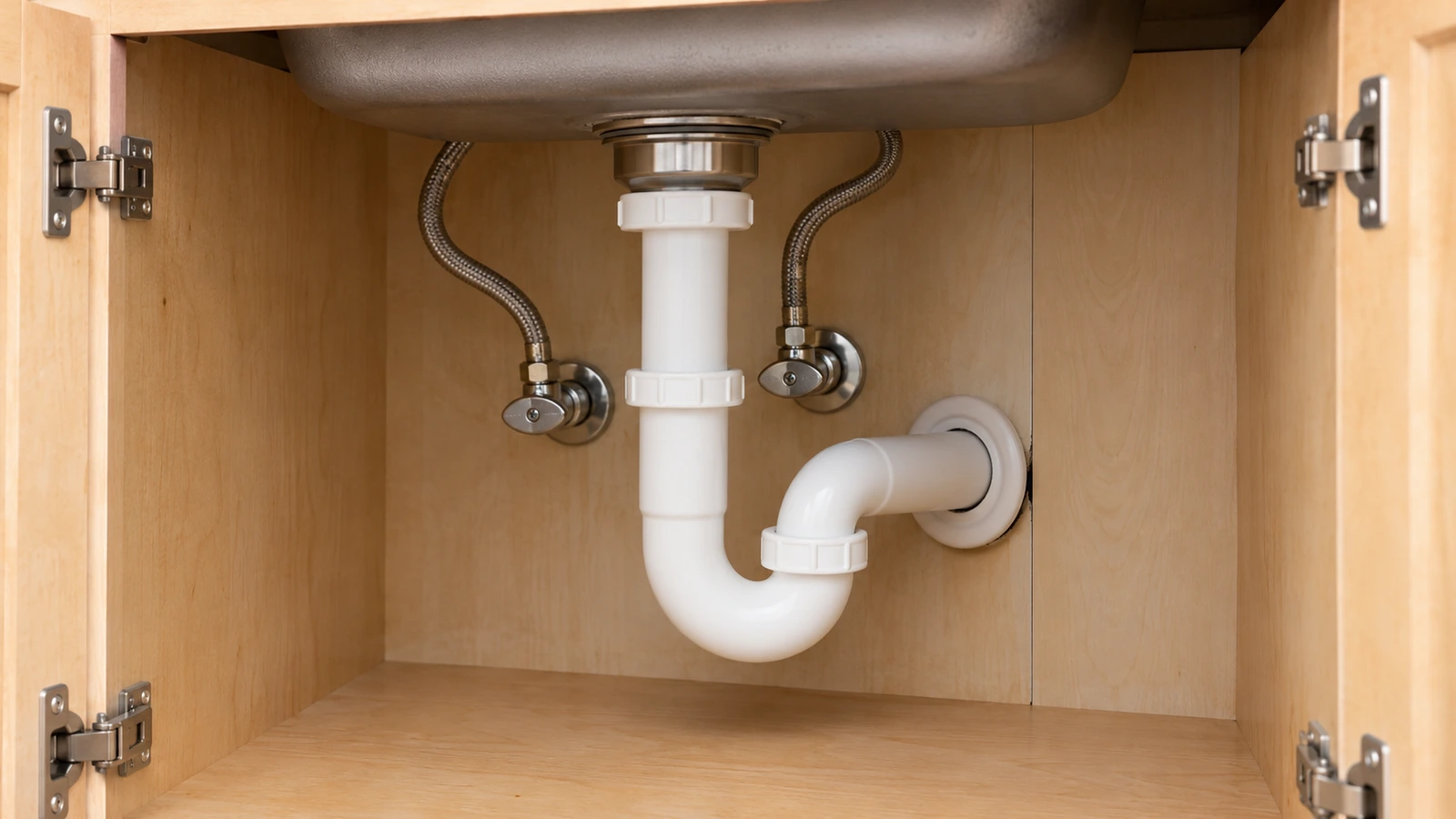
Start at the sighting spot rather than searching every room. Use a flashlight to examine accessible edges, corners, and cracks. A roach seen beside a kitchen sink points you toward the plumbing openings and nearby cabinet seams; one found at a patio door makes the threshold and screen more relevant first checks.
Next, follow likely sheltered routes without dismantling appliances or reaching into electrical areas. In a kitchen, look along the wall behind accessible appliances and around the sink cabinet. In a bathroom, inspect pipe openings and damp corners. Near an exterior entrance, check the door sweep, weatherstripping, and gaps around screens.
Keep the inspection in a practical order:
- Check the nearest shelter. Look along baseboards, cabinet joints, and narrow protected gaps close to the sighting.
- Look for food and moisture. Check for crumbs, spills, standing water, leaks, or damp areas that can support roach activity.
- Consider how it entered. Outdoor roaches may come through doors or openings; others may arrive in boxes or belongings or move through gaps in a multiunit building.
- Monitor the suspected route. Place a cockroach monitoring trap against a wall near the likely hiding or travel area, away from children and pets. Note its location and inspect it over the next several days.
A trap is a way to gather evidence, not a stand-alone verdict. A catch shows that a roach traveled through that spot. An empty trap is less informative if it was placed away from the suspected route or checked too soon.
Identification Mistakes
- Calling every large brown insect an American cockroach or every small roach a German cockroach.
- Treating an unexamined dark speck as definitive cockroach droppings.
Key Clue
Repeated catches, small roaches, or shed skins concentrated in a sheltered indoor area are stronger evidence of continuing activity than one adult found beside an exterior door.
What to Watch For
A daylight sighting deserves a closer look, but the time of day alone cannot measure the problem. Trap placement, repeated observations, and nearby physical signs provide better context.
What do the clues suggest?
One large roach near an outside entrance. If the insect appeared close to an open door, garage, or basement entrance, especially during warm or wet weather, it may have wandered in from outdoors. Inspect the opening and monitor nearby before assuming roaches are established inside.
Repeated roaches near a kitchen or bathroom hiding spot. Sightings or trap catches clustered around plumbing, cabinets, or appliances suggest you should investigate that indoor area more closely. Different-sized roaches, shed skins, or egg cases add weight to the concern.
An unfamiliar insect with no other clues. Identification comes first. Beetles and other insects can be mistaken for roaches, and regional species differ. If you need to narrow down the possibilities, compare the types of cockroaches in the U.S. rather than judging by size alone.
The pattern matters more than any single observation. Use the following comparisons to choose your next check.
| What you found | What it suggests | Best next check |
|---|---|---|
| One adult beside an exterior door, with no other signs | An outdoor visitor is plausible | Inspect the door seal and monitor the threshold |
| Repeated sightings or catches around a sink or appliance | Activity may be centered in that sheltered area | Check adjacent gaps and monitor along the wall |
| Small roaches together with shed skins or egg cases | Indoor breeding becomes a stronger possibility | Confirm identification and prepare targeted control |
| An unclear insect and no additional evidence | The identification is still open | Keep a photo or specimen and check the same area again |
Decide how much attention the situation needs
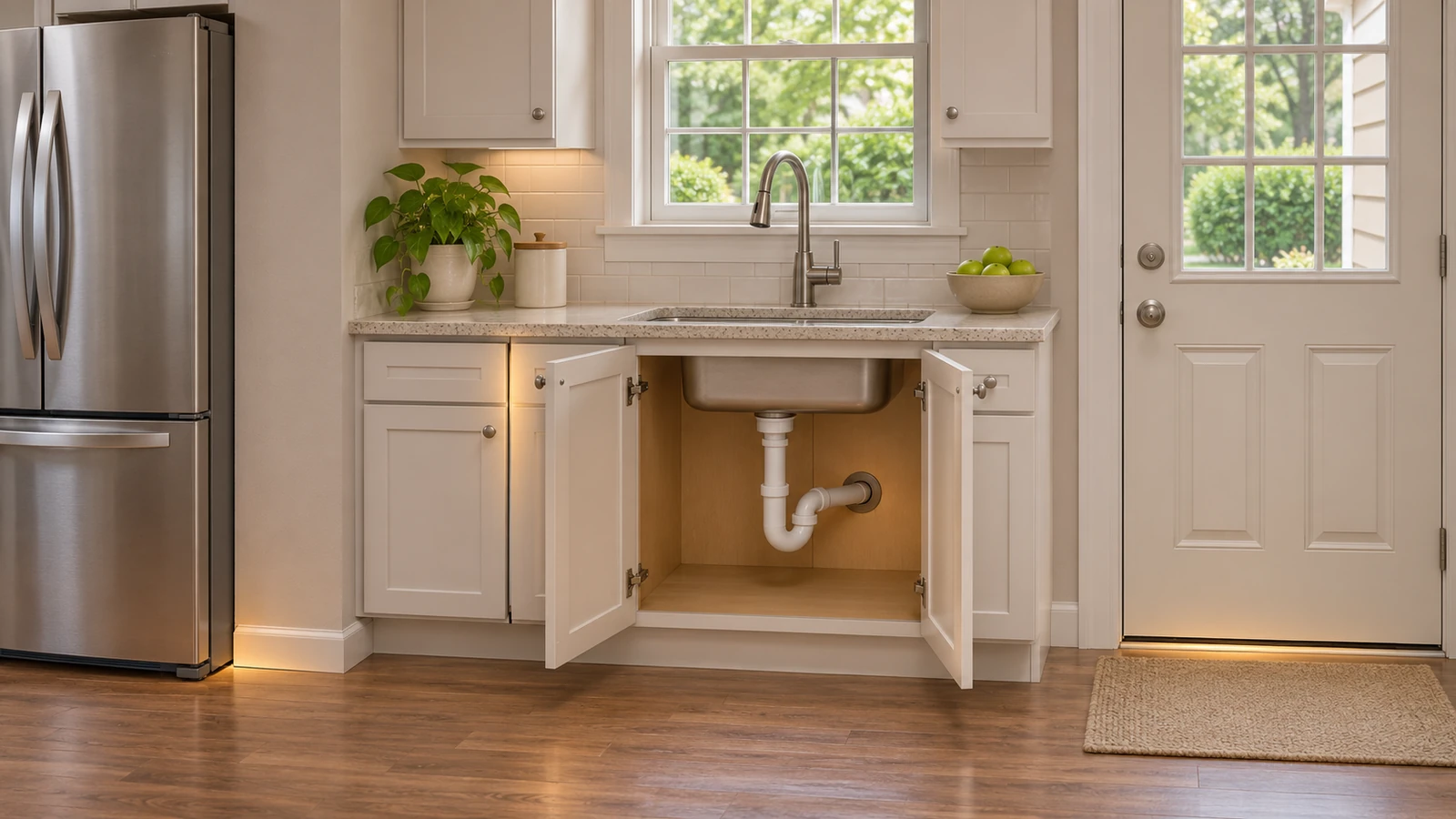
An isolated encounter with no additional signs usually calls for a focused inspection, entry-point checks, and monitoring. By contrast, repeated captures in the same indoor zone, roaches of different sizes, or observations across several rooms justify a more active response. You do not need a numerical score to make that distinction.
In an apartment or other multiunit building, recurring sightings near plumbing or shared walls may involve routes beyond your unit. Record where and when you see activity so you can explain the pattern to building management if it continues.

Good to Know
A tidy home can still have a cockroach enter through a gap or arrive with belongings. Cleaning helps remove food and water sources, but the most useful diagnosis comes from the insect, the location, and repeated evidence.
Learn more: