Guide
Smokybrown cockroach: Identification, habitat, and control
Recognize adult and young smokybrown cockroaches, find the humid places they hide around Southern homes, and choose sensible steps after a sighting.

A dark, winged roach at a porch light is one kind of sighting. Tiny, dark nymphs turning up near an upstairs window are another. Both may be smokybrown cockroaches, but they call for different checks. Identifying the insect matters; finding where the activity starts matters just as much.
What is a smokybrown cockroach?
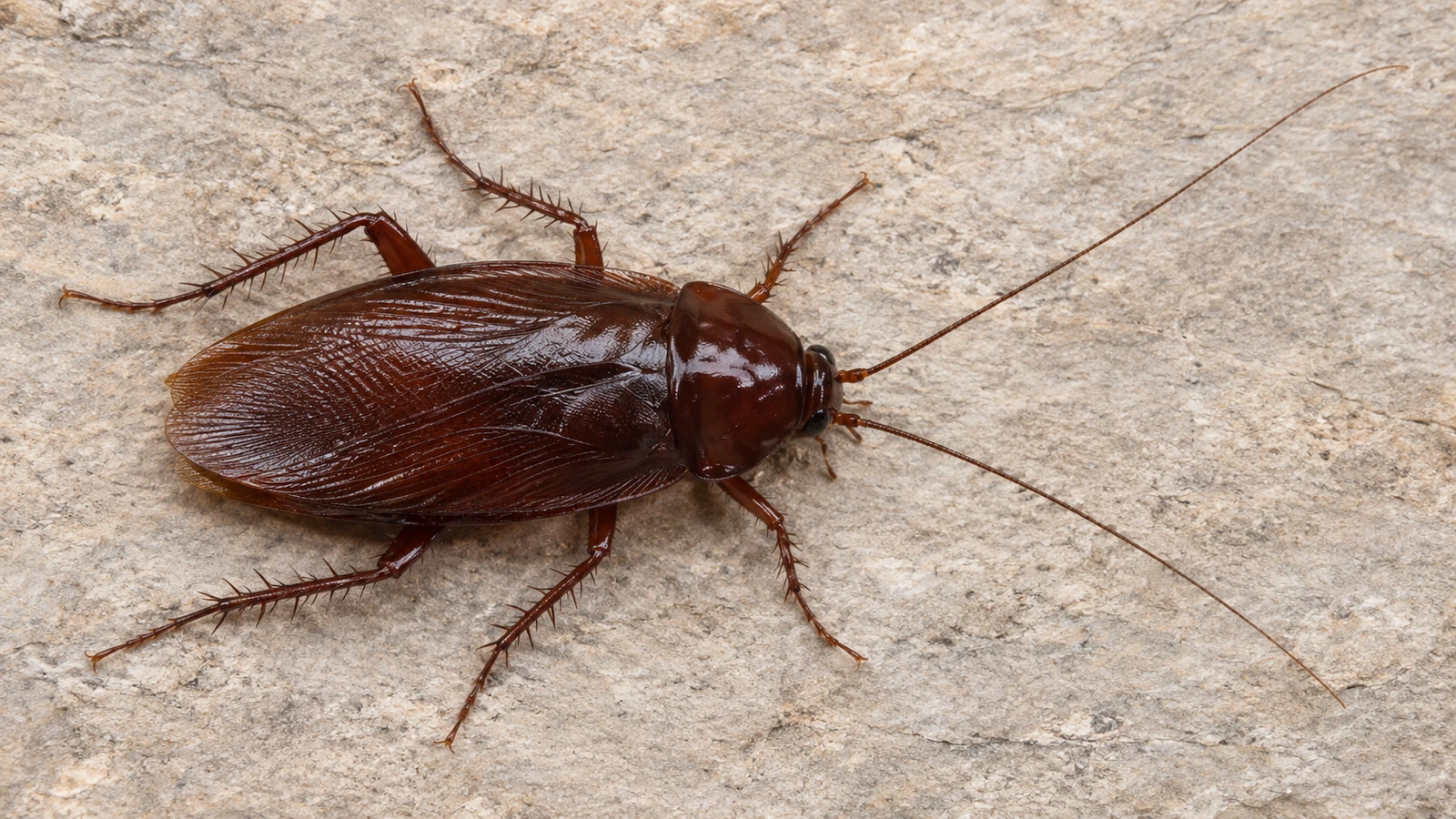
The smokybrown cockroach (Periplaneta fuliginosa) is a large, dark roach associated with warm, humid conditions. It is especially familiar in the southeastern and Gulf Coast United States, though its presence varies by location. Adults can fly and are attracted to lights at night.
These roaches commonly shelter outdoors in trees, leaf litter, and other protected places. They can also occupy moist attics, crawl spaces, and structural voids. That combination explains why one may fly through a door while another population remains hidden in part of a building. For a broader comparison of species, see the types of cockroaches in the U.S..
Key Takeaways
- Adults are glossy, dark mahogany-brown roaches with long wings and no obvious pale border behind the head.
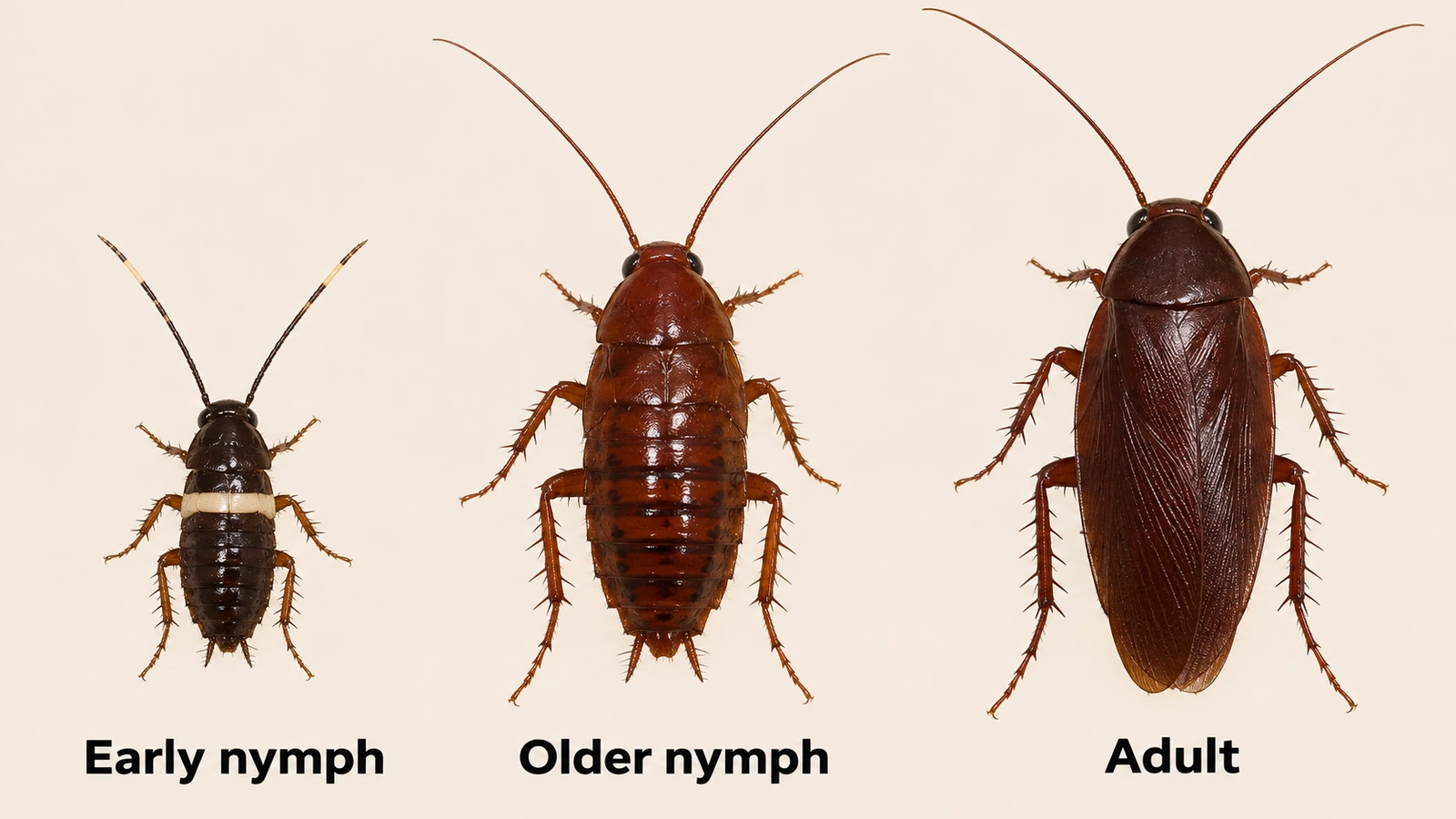
- Newly hatched nymphs are much smaller, with a pale band across the back and pale antenna tips.
- Trees, damp debris, gutters, attics, and crawl spaces are more useful places to investigate than the kitchen alone.
- One adult near a lit doorway calls for a different response than repeated young roaches from the same sheltered area.
How to identify adults and nymphs
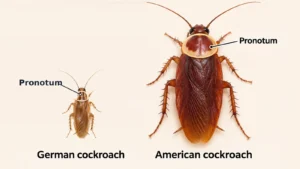
An adult smokybrown cockroach is generally about 1 1/4 to 1 1/2 inches long, shiny, and uniformly dark reddish-brown to mahogany. Its wings are well developed and cover the abdomen. The plate immediately behind its head, called the pronotum, is dark rather than outlined by a conspicuous pale yellow ring.
Newly hatched nymphs are wingless and only about 1/8 to 3/16 inch long. Look for a distinct pale band across the back just behind the thorax and pale bands near the antenna tips. Older nymphs grow larger and more reddish-brown, but they do not have fully developed adult wings.
Smokybrown or a similar-looking roach?
The American cockroach is usually more reddish-brown and has a noticeable pale yellowish marking around the pronotum. The Oriental cockroach can also look very dark, but its adults have much shorter wings, particularly females. A German cockroach is smaller, tan to light brown, with two dark lengthwise stripes behind the head; repeated sightings near kitchen appliances suggest a different problem.
In some Southern areas, people call several big roaches a palmetto bug. The nickname alone will not identify this species. If the insect is damaged or the photograph is unclear, compare its body and wing features with the general cockroach identification guide before deciding.
Where smokybrown cockroaches hide and enter homes
Smokybrowns need sheltered places that protect them from drying out. Outdoors, that can mean hollow trees, dense vegetation, leaf litter, mulch, stacked wood, or damp areas around a garage. They may also occupy roof gutters and spaces around soffits.
A house can provide similar protection. Attics, crawl spaces, wall cavities, and enclosed roofline spaces can support activity when conditions are suitable. Adults may fly toward a porch or window light and enter through an open door or a damaged screen. Others move through gaps around eaves, vents, siding, and other openings.
Remember to look above ground level
A common mistake is checking only under sinks because a roach appeared indoors. For this species, a clogged gutter, a damp attic, or an opening near the roofline may be more relevant. Very young nymphs are not strong travelers; finding several near the same upper-level opening is a reason to check for a nearby hatching site.
Does finding one inside mean an infestation?

One adult near a light, open window, or exterior door may simply have come in from outside. Remove it, check the entry point, and see whether the sightings continue. There is usually no reason to treat every room after that single encounter.
Repeated sightings deserve a closer look, especially if they include small nymphs or cluster around an attic hatch, an upstairs window, or another protected area. Smokybrown cockroaches can survive and reproduce in suitable building spaces, so automatically dismissing every indoor sighting as an outdoor visitor is another mistake.
Check the pattern before choosing a treatment
- Note the location, date, and life stage. A clear overhead photograph can help distinguish a nymph from a small adult of another species.
- Set sticky monitoring traps along walls near the sighting and a suspected entry route. Keep them out of children’s and pets’ reach, and compare which locations collect insects.
- Inspect reachable exterior hiding places: damp leaf litter, wood piles, garage edges, and vegetation against the house. Check gutters, soffits, and vents visually from a safe position.
- If captures concentrate near an attic or crawl-space access, investigate that space only if it is safe and accessible. Otherwise, arrange a targeted inspection.
Practical Tip
Label monitoring traps by location rather than scattering them at random. A trap near the upstairs window and one near the garage can tell you more about the likely route than an unrecorded count of roaches.
Watch For
Repeated tiny, pale-banded nymphs around the same attic access or roofline opening are a stronger clue to nearby development than an occasional winged adult at a porch light.
How to control smokybrown cockroaches
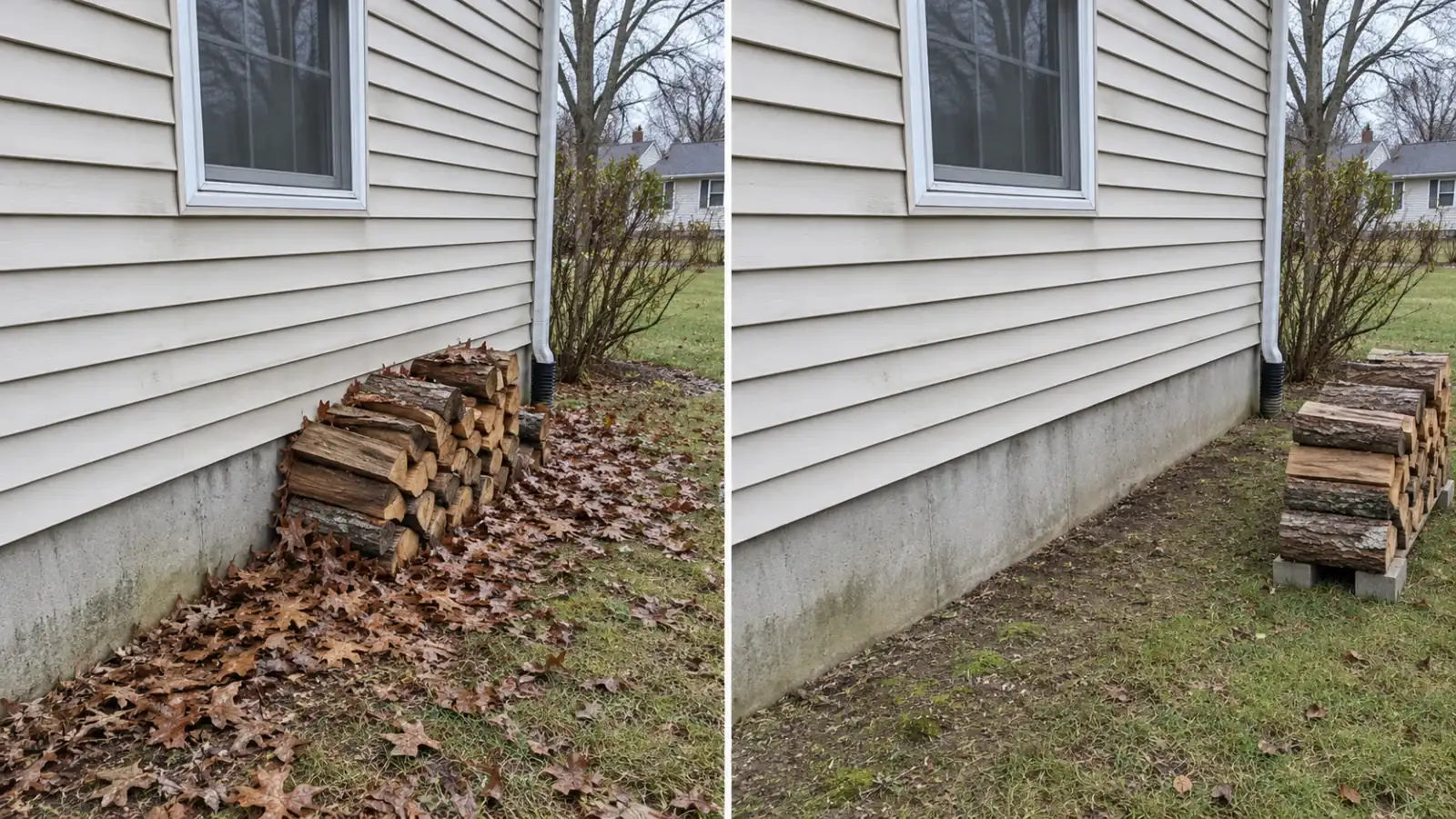
Start with the places that support them. Remove damp leaf litter and clutter immediately against the building, correct leaks or overflowing gutters, and move stacked wood away from entry points. Repair damaged screens, door sweeps, and accessible exterior gaps without blocking necessary ventilation.
If activity persists, a cockroach bait or other targeted treatment may help where the roaches are actually traveling or sheltering. Choose a U.S.-labeled product for the pest and the precise indoor or outdoor location. Follow every label restriction and keep bait inaccessible to children and pets. An outdoor-only treatment must not be used in an attic or elsewhere indoors.
Match the product to the hiding place
Large adult roaches may not fit through the openings of small bait stations. Check that the formulation and station suit the insect and the permitted application site. Monitor alongside control so you can see whether activity is dropping; a dead roach or a single quiet night tells you little about a hidden population.
Avoid indiscriminate indoor spraying or foggers as a first response. They can add unnecessary exposure while leaving the outdoor shelter, moisture problem, or entry route untouched.
When should you call a professional?
Consider a pest-control professional if nymphs and adults keep appearing from an inaccessible attic or wall void, if traps repeatedly catch roaches despite reasonable corrections, or if treatment would require unsafe roof or structural access. Ask for species identification, inspection of likely harborages, and a source-focused plan. A single stray adult usually does not warrant that level of intervention.
Essential Steps
- Confirm the adult or nymph features before choosing a species-specific response.
- Use the sighting locations and monitoring traps to locate the most active route.
- Correct nearby damp shelter and accessible entry gaps, then use a suitable labeled treatment only if needed.
- Compare later trap catches with the original pattern and investigate persistent hotspots.
How to prevent repeat sightings
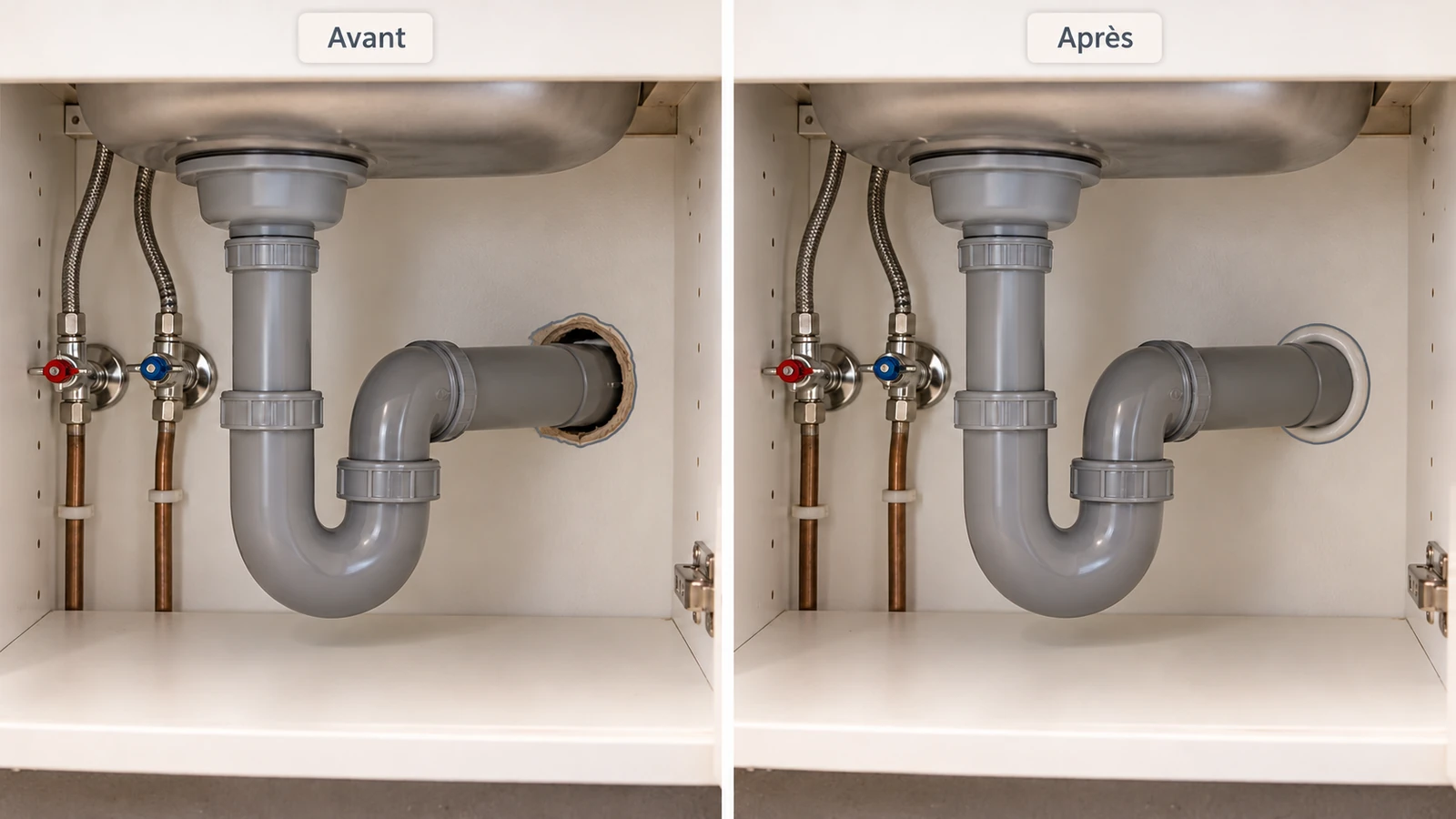
Prevention is mostly a maintenance issue: keep moisture and sheltered debris from accumulating around the building, and keep the exterior envelope in good repair. Focus on the places where the earlier investigation found activity rather than trying to make every room insect-proof.
Pay particular attention to roof gutters and soffit screens in wooded neighborhoods. Reduce nighttime light attraction where practical by shielding or repositioning fixtures near entrances, but remember that changing a light does not remove a damp harborage.
Keep the vulnerable spots on your maintenance list
- Clear leaf buildup from gutters and around the foundation. Use a qualified contractor for roof work that cannot be done safely.
- Repair torn window screens, loose door sweeps, and gaps around exterior penetrations while preserving required ventilation.
- Keep firewood and other stored materials away from walls, and correct recurring moisture problems in crawl spaces, attics, or garages.
Frequently Asked Questions
Can smokybrown cockroaches live in a clean house?
Yes. A clean kitchen does not eliminate leaf litter outside, an open soffit, or a damp attic. Indoor food residues should still be removed, but the outdoor and structural conditions often deserve more attention for this species.
Do smokybrown cockroaches come from drains?
They can survive in sewer environments, but their more typical shelters around homes include vegetation, roof gutters, attics, and other humid protected spaces. Finding one in a bathroom is not enough to identify a drain as its route.
Are smokybrown cockroaches a health concern?
Like other cockroaches, they can contaminate surfaces and food, and accumulated cockroach debris can contribute to allergy problems. Persistent activity inside a home deserves control, especially around food or living spaces. An isolated roach that wandered indoors is a different level of concern.
Explore this topic further: