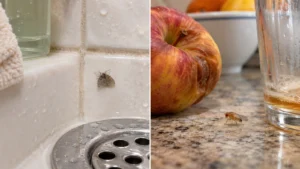
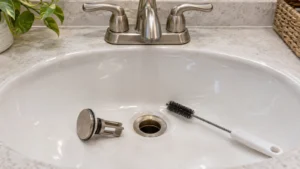
Comparison
Drain fly traps vs. drain cleaners: how to choose
Compare drain fly traps and cleaners by their target, access requirements, and upkeep. Find the option that fits an unconfirmed source, a drain known to be producing flies, or adults you want to catch.
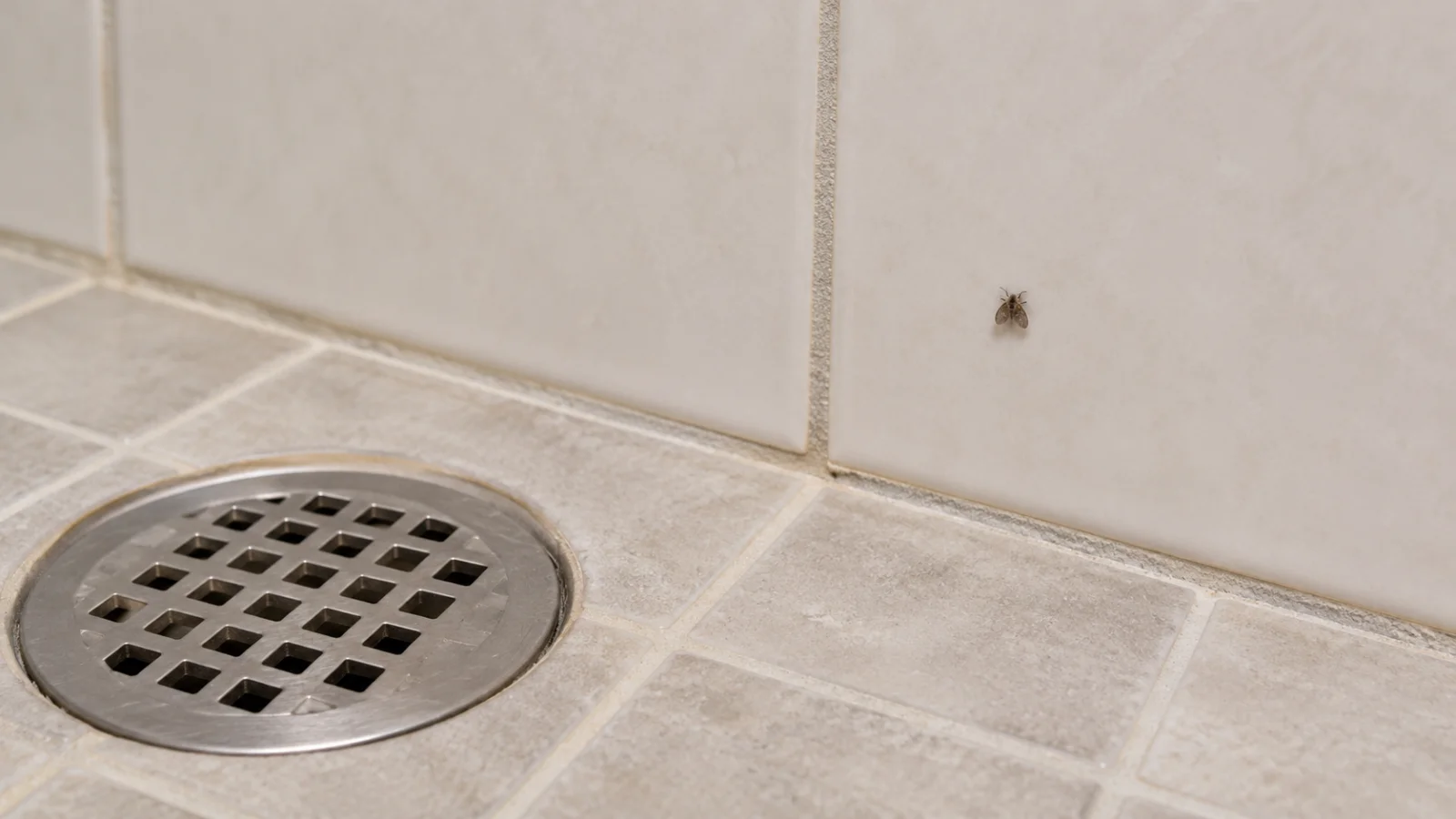
A sticky card beside the sink is catching flies, yet more keep appearing. That can happen while a breeding site remains active. Buying another drain fly trap may improve adult capture, but the next useful purchase depends on where those flies are coming from and what needs to change there.
The label “drain cleaner” adds another complication: products sold under that description do different jobs. Compare the result you need before comparing packages.
Criteria that matter before you choose
Start with the target. Adult traps act where flying insects can reach them. A source treatment needs to reach the damp organic film attached to the breeding surface, where larvae develop. A device beside the sink and a treatment inside the drain therefore act on different parts of the problem.
Then consider access. The fixture’s design determines which surfaces can be reached and what cleaning it permits. Any drain product also needs to suit the plumbing materials and the fixture manufacturer’s care instructions.
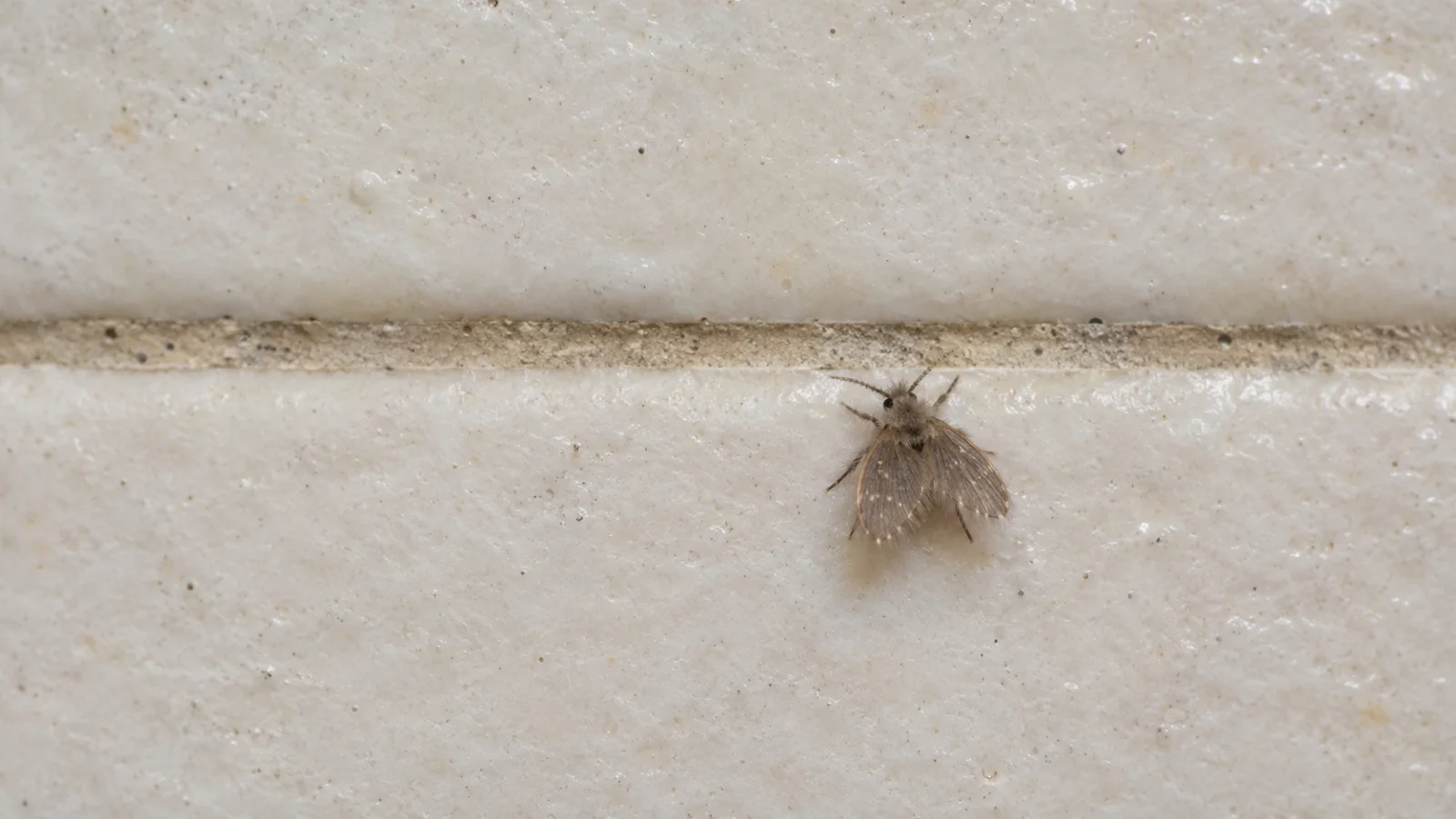
Check these details before choosing:
- The insect named on the product. A lure sold for fruit flies may be a poor match for the insects you have. If their identity is uncertain, compare drain flies vs. fruit flies before selecting a lure.
- The observation you need. A room trap records adults reaching that trap. A properly isolated emergence monitor answers the more specific question of whether adults are coming out of the tested opening.
- The upkeep involved. Adhesive inserts need replacement, powered traps need suitable placement and electricity, and some drain treatments require repeat use. Include those commitments when comparing convenience and cost.
Use this comparison to match each option to its job.
| Option | Main job | Best fit | Main limitation |
|---|---|---|---|
| Drain emergence monitor | Detect adults emerging from one opening | A suspected drain whose role is uncertain | Provides source evidence; leaves breeding material in place |
| Open sticky card or adhesive light trap | Capture adults and show activity | Adult nuisance or observation in a room | A nearby catch can come from another source |
| Physical source cleaning | Remove organic breeding material | A confirmed source with accessible residue | Effectiveness depends on reaching the actual buildup |
| Enzyme or microbial drain cleaner | Help break down organic residue | A compatible drain and a use supported by the label | Formulation and contact matter; thick deposits may need physical removal |
| Chemical clog opener | Dissolve a blockage and restore flow | A blockage the product is labeled to address | Restored flow alone leaves the fly-source question unresolved |
The tradeoffs behind the labels
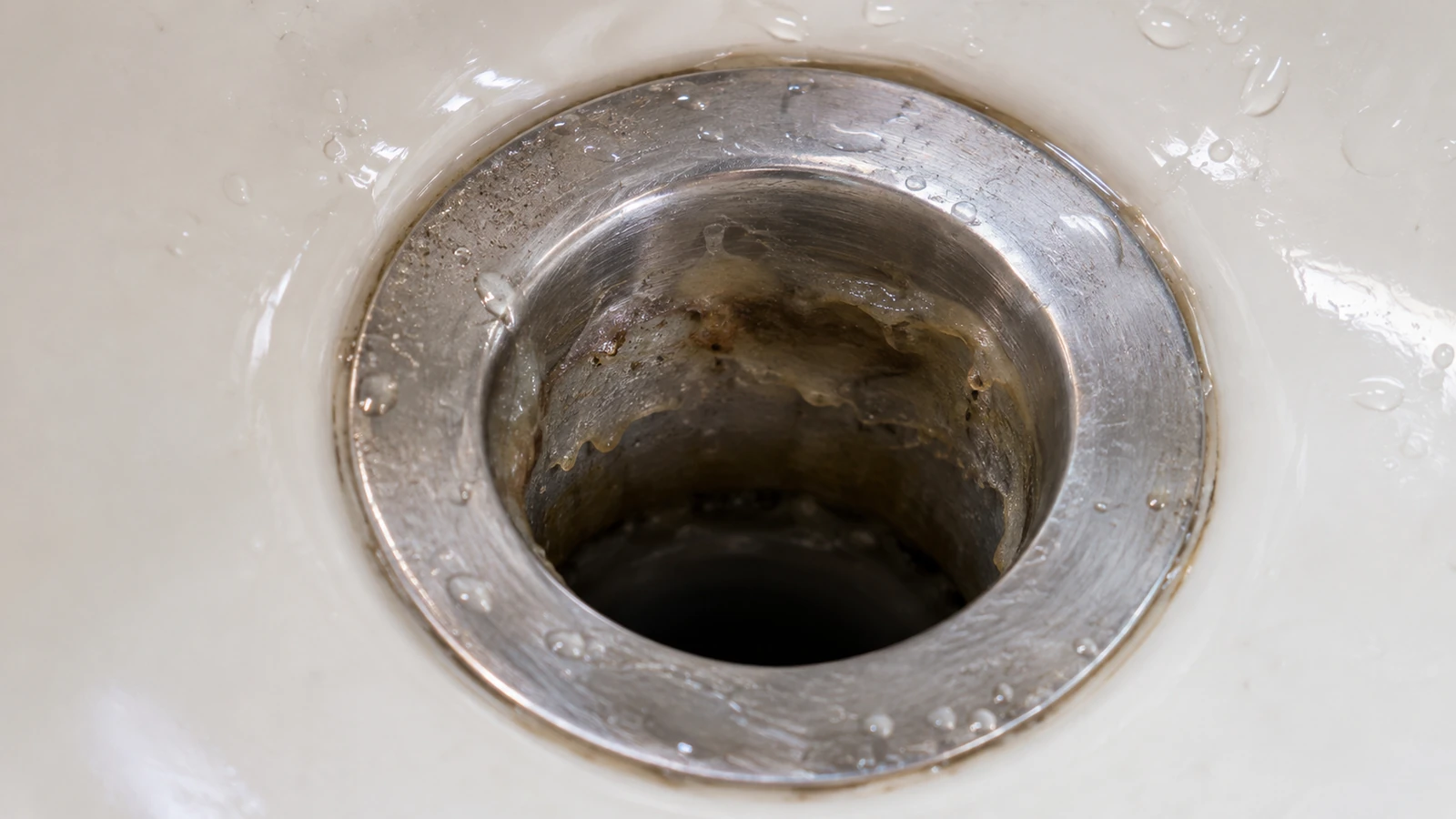
Adult traps give you an easily visible result: insects on adhesive. Interpreting that result takes more care. A trap near a drain can catch flies that arrived from elsewhere, so its position is weaker evidence of a breeding source than a monitor that isolates the opening.
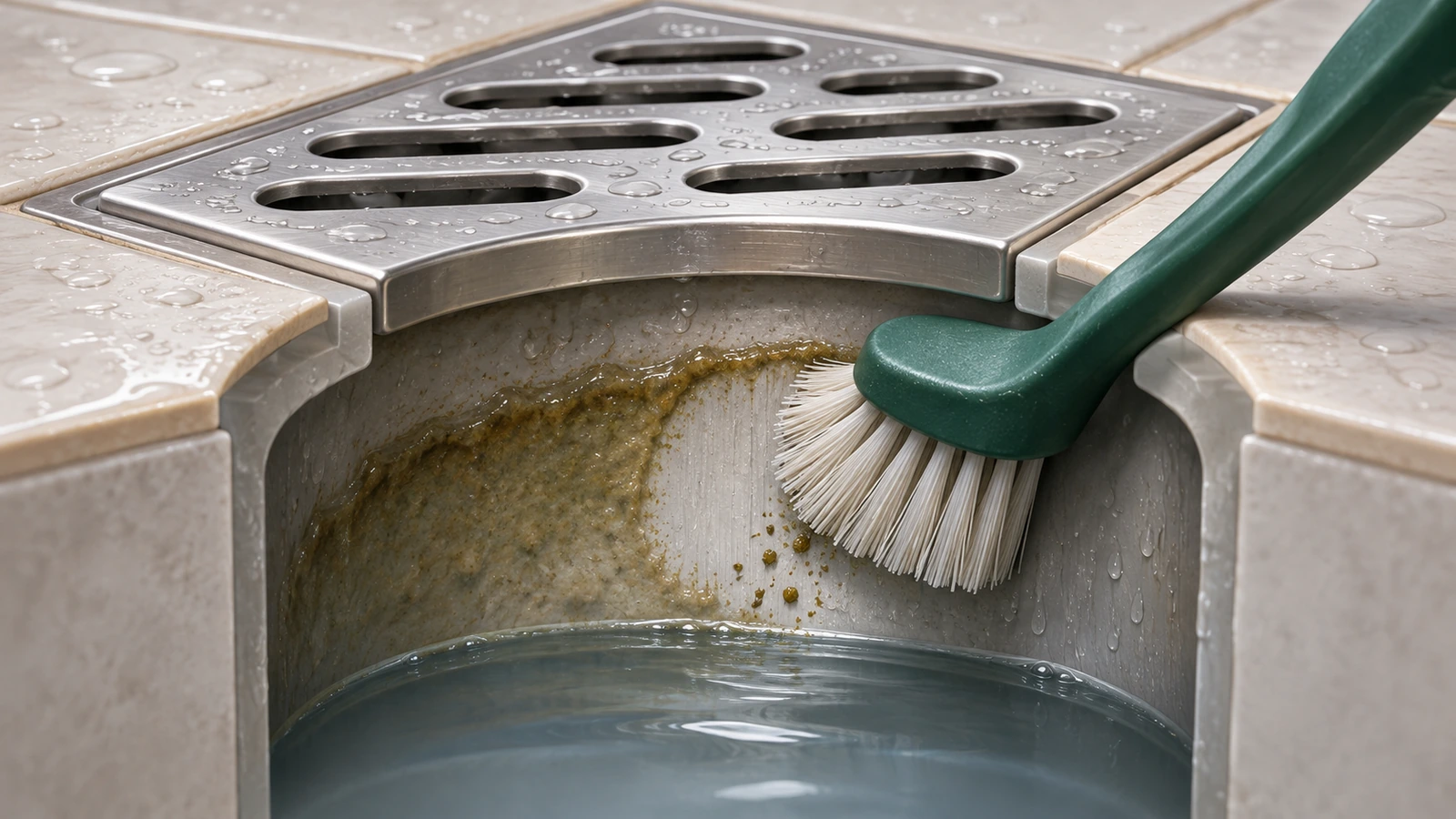
Cleaning depends on contact with the right surface. A gel or foam may help a product reach or remain on drain walls, depending on its formulation. Heavy, adherent deposits can still require physical removal. The word “foaming” describes a product format, not a guaranteed result.
For a fair cost comparison, consider replacement adhesive, electricity for powered devices, repeat product use, and any help needed to reach the residue. The lowest purchase price may be attractive, but an option earns its place by doing the job your situation requires.
Access can decide the cleaning choice
If the suspected breeding surface is behind a cover you cannot access as intended, check the fixture manufacturer’s guidance or ask a plumber about access before choosing a cleaner. Confirm that the method can safely reach the relevant surface.
What to Watch For
Never mix drain-cleaning products. If a chemical opener is already in the drain, follow its safety directions before further work. Some products prohibit plunging during or after use because retained cleaner can splash; ask the manufacturer or a plumber before attempting physical cleaning.
Which option fits your situation?
Choose by what you have confirmed
- The source is uncertain: prioritize identification and source-specific monitoring. A confirmed source gives you a reason to target a particular opening with a cleaning approach.
- A drain is confirmed as a breeding source: make removal of its organic buildup the main objective. Compare methods by access, compatibility, and their ability to deal with that residue.
- You want to catch adults around the room: consider a suitable sticky card or adhesive light trap. Choose it for adult capture and the upkeep you can manage.
- There is also a blockage: address it as a plumbing problem, with a product or service suited to that fixture. Judge the breeding material separately from the return of normal water flow.
When cleaning and trapping work together
At a confirmed breeding site, source cleaning addresses the material that supports new flies. That is the part of the combination aimed at changing the conditions that allow the problem to continue.
An adult trap can provide some relief from flies already in the room. This pairing is useful when both an active source and adult nuisance are present: evaluate the cleaning by its effect on the source and the trap by its capture role.
Explore this topic further: