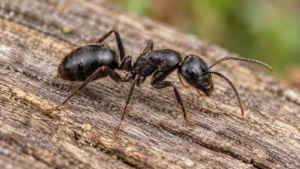
Comparison
Best carpenter ant bait? How to choose the right type
Compare gel, liquid, and granular carpenter ant bait by feeding behavior, placement, and label limits.
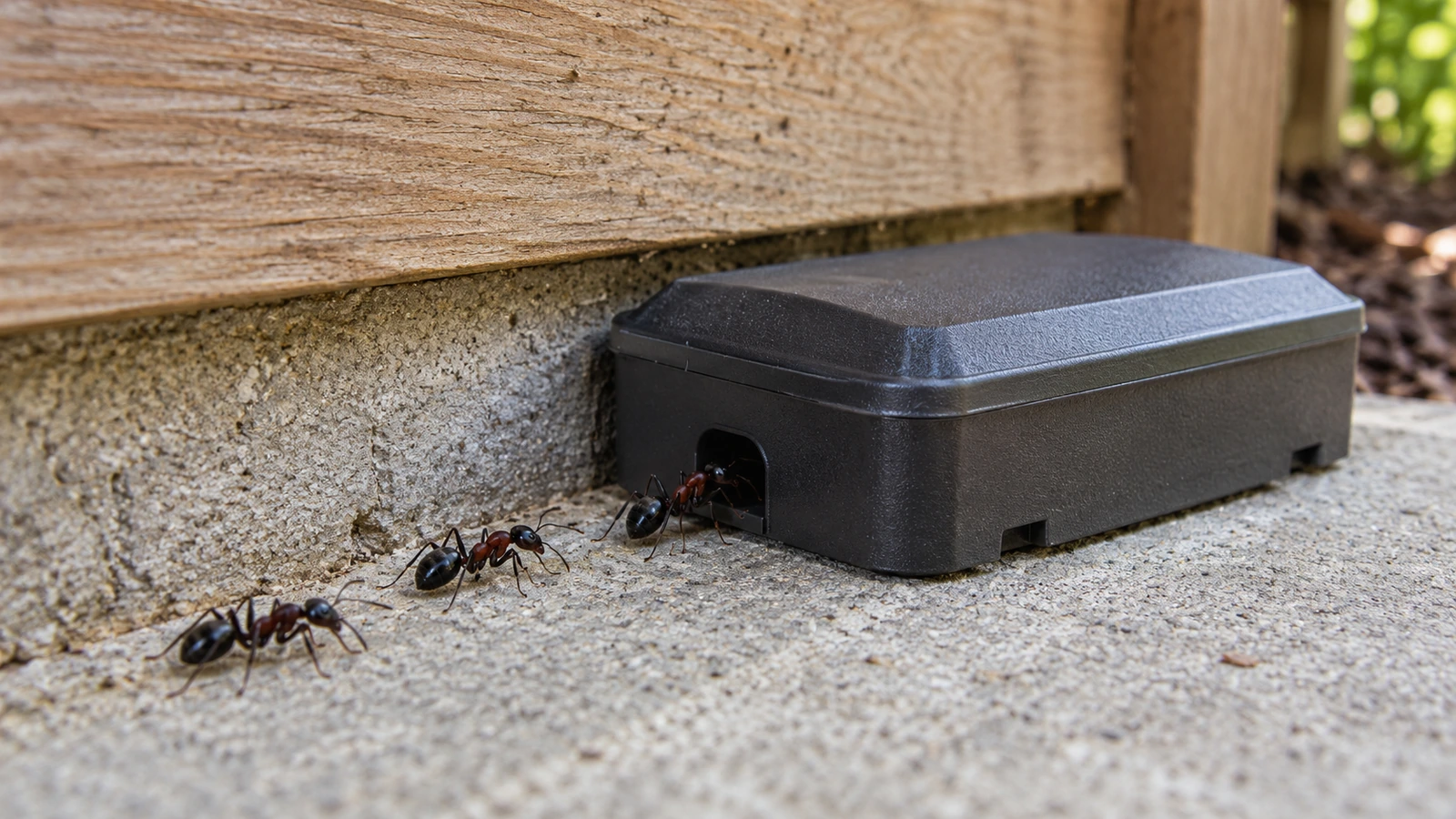
You have spotted carpenter ants moving along a foundation, under a window, or near a deck. Should you buy a liquid bait station, a gel, or granules? The answer depends less on which product promises the fastest kill and more on what the ants will actually eat.
Carpenter ants can be selective feeders, and a bait that works for ordinary household ants may be unsuitable for them. Comparing food attractants, permitted locations, and feeding behavior will help you make a better choice before spending money on another product.
How to Compare Baits Before You Buy
Carpenter ants feed on both sugars and protein sources, including insect prey. Their food preferences can shift with colony needs and available food. A familiar sugar bait may attract them on one occasion and receive little attention on another.
Start with the active foraging area and the food formulation, not the strength of the marketing claims. Even a well-formulated bait cannot help much when workers do not encounter it or refuse to feed.
Before choosing a product, compare these five factors:
- Target pest: Read the labeled pests and exclusions. Confirm that carpenter ants are covered by the product’s permitted uses rather than relying on a general "ant killer" description.
- Food attractant: Identify whether the bait emphasizes sugars, other carbohydrates, proteins, oils, or a mixed formulation. Actual feeding response matters more than the food category alone.
- Application site: Check whether the product permits indoor use, outdoor use, or particular protected locations. Also check state registration and whether the application is authorized for a homeowner or requires a professional.
- Access to foragers: Choose a location where ants already travel, when permitted by the label. A station placed far from a trail may remain untouched even if its contents are attractive.
- Exposure and upkeep: Consider children, pets, non-target animals, moisture, dust, and whether the bait can remain usable. A convenient format that cannot be placed safely is not the right choice.
The active ingredient and its delayed action also matter, but a stronger-sounding chemical name or higher concentration is not a substitute for a suitable, accepted, correctly labeled bait.
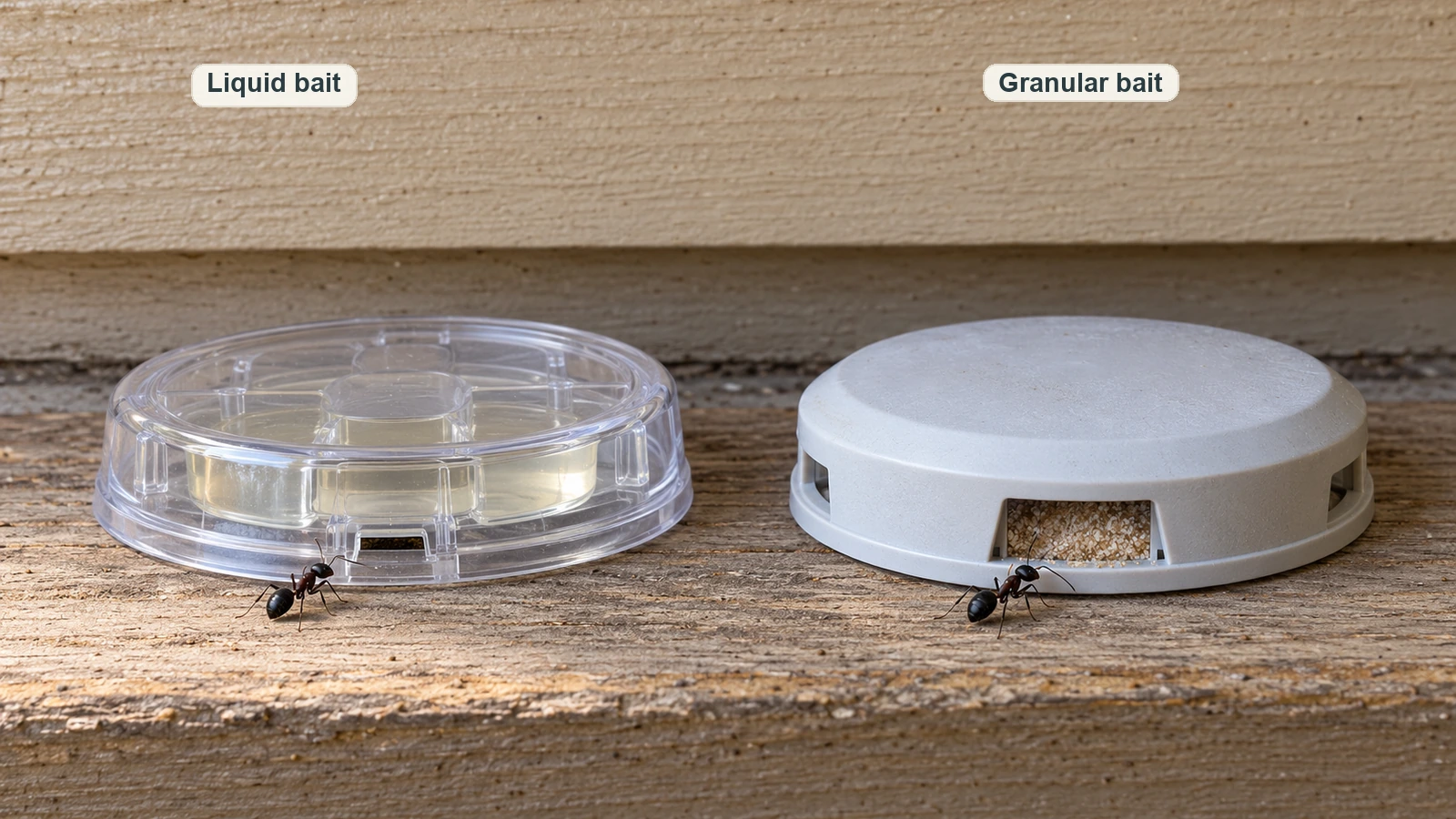
The following table compares formats rather than ranking brands. Liquid and gel baits can themselves come inside stations, so the categories overlap. Every option still requires a product that permits carpenter-ant control at the intended location.
| Bait option | Where it may fit | Main advantage | Main limitation |
|---|---|---|---|
| Sweet liquid bait | A protected location along a trail where carpenter ants are accepting sweet food | Moist, readily accessible attractant | Some widely sold liquid ant baits exclude carpenter ants; dilution or leakage can be an issue |
| Gel bait | Labeled crack-and-crevice or protected station placement near consistent activity | Precise placement and a moist food matrix | Can dry, collect debris, or expose occupants if placed improperly |
| Carpenter-ant-labeled granules | Permitted indoor or outdoor sites where workers accept the solid formulation | Alternative food matrix when liquid bait is ignored | Some carpenter ants reject dry bait; weather and non-target exposure matter |
| Enclosed bait station | Areas where the labeled bait needs a contained delivery system | Convenient positioning and reduced direct contact when properly designed | Packaging alone cannot establish carpenter-ant suitability or colony control |
The Tradeoffs That Matter After Placement

The first challenge is getting carpenter ants to feed. The second is allowing a suitable slow-acting bait to reach other members of the colony through the ants’ normal foraging and food-sharing behavior.
A station surrounded by feeding workers can indicate good attraction, but that observation alone cannot show whether the colony is being controlled. Likewise, an empty station entrance may reflect poor placement, a rejected food matrix, or simply a period without foraging activity.
What Feeding and Rejection Tell You
Look for feeding activity during an initial check, such as over the next day when the trail is active and accessible. This is an acceptance check, not a deadline for elimination.
If workers repeatedly bypass the bait, first reconsider the identification, its location, whether the formulation is still usable, and the food attractant. Another carpenter-ant-labeled formulation may be more appropriate than adding more of the same ignored bait.
If ants are taking the bait, keep it available and replenish or maintain it only as the label directs. Avoid spraying insecticides onto or around the bait: contact or repellent treatments can disrupt the foraging needed for baiting to work.
A reduction in sightings may take weeks, and its timing depends on the colony, the bait, and the situation. Observe the wider pattern of ant activity rather than interpreting a single busy or quiet day as the final result.
Indoor Baiting Versus an Outdoor Trail
An indoor station may draw additional foragers to the food source for a time, which can be unsettling even when they are feeding on bait.
If you can identify an active outdoor trail, a protected exterior location may be preferable when the product label permits it. That allows you to target foraging activity without deliberately encouraging ants to move farther into living spaces.
Indoor baiting remains an option with an appropriate labeled product when the activity or access makes it necessary. Select a protected location and follow the product’s specific instructions.
When the Nest Matters More Than the Bait
Carpenter ants excavate wood for nesting rather than eating it. A bait can help reduce a colony under suitable conditions, but it cannot repair damaged wood, stop a leak, or reveal every hidden nesting site.
Repeated activity emerging from a wall void, visible wood shavings associated with nesting, or persistent activity around moisture-damaged wood calls for a closer look at the source.
A suspected inaccessible nest, significant damage, or failure of reasonable control efforts can justify professional assessment. A few isolated outdoor foragers, on the other hand, do not automatically require professional treatment.
The Best Early Signal Is Feeding
Consistent feeding by correctly identified carpenter ants at a suitably placed, carpenter-ant-labeled bait is the clearest early indication that the food formulation and location are working together. Continue assessing ant activity because bait acceptance and colony control are different outcomes.
What to Watch For
Do not assume that every product labeled for "ants" includes carpenter ants. Follow the label on the actual container, including target pests, application sites, user restrictions, and protections for children, pets, and other animals. Never modify a commercial bait with homemade attractants or use it outside its labeled directions.

Which Carpenter Ant Bait Should You Choose?
Match Your First Choice to the Ants’ Behavior
You have a consistent outdoor trail and the ants accept sweet food. Consider a sweet liquid or gel formulation specifically labeled for carpenter ants and permitted at that outdoor site. A protected station may offer a practical way to keep the bait accessible while limiting exposure to weather and non-target animals.
Workers ignore sweet bait but appear interested in solid food. A carpenter-ant-labeled granular or other solid bait is a reasonable alternative if its permitted use matches the location. Select it for its food matrix and observed acceptance, not because granules are universally stronger than liquids.
The activity is indoors and people or pets may reach the bait. An appropriate enclosed station can make placement more manageable than exposed gel or loose granules. Confirm that its contents are actually labeled for carpenter ants. Keep it in an inaccessible, permitted location, and do not place bait on food-preparation surfaces.
You see only occasional wandering ants and cannot identify a trail. Confirm what you are dealing with before buying several types of bait. Large, dark ants are not all carpenter ants. Our carpenter ant identification guide can help you check the distinguishing features.
You suspect an established nest inside the structure. Choose bait only as part of the wider response. Accessible foragers may accept it, but locating the source, addressing moisture problems, and evaluating any wood damage can be more important than changing between bait formats.
Explore this topic further:
How to Get Rid of Carpenter Ants: A Step-by-Step Control Plan