Comparison
Wasp vs. yellow jacket: How to tell them apart
Compare yellowjackets with paper wasps by body shape, waist, legs in flight, and color. Learn why yellowjackets are wasps and which visual clues can mislead.
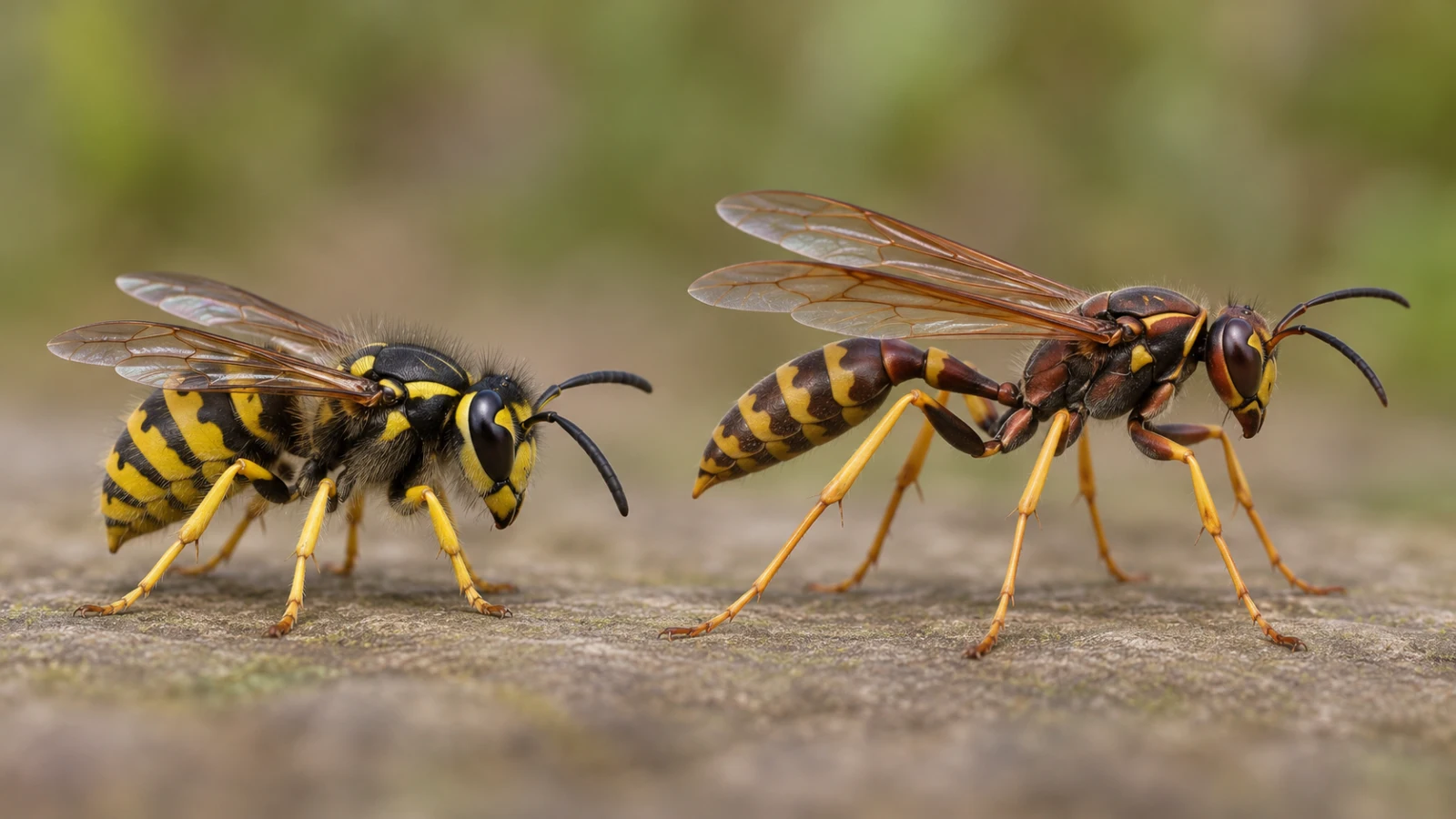
A black-and-yellow insect passes your patio, and you wonder whether it is a wasp or a yellow jacket. The names overlap: a yellowjacket is a wasp. In everyday conversation, the other insect people often mean is a paper wasp.
The useful comparison is therefore yellowjacket versus paper wasp, not wasp versus something outside the wasp family.
Compare the outline before the stripes
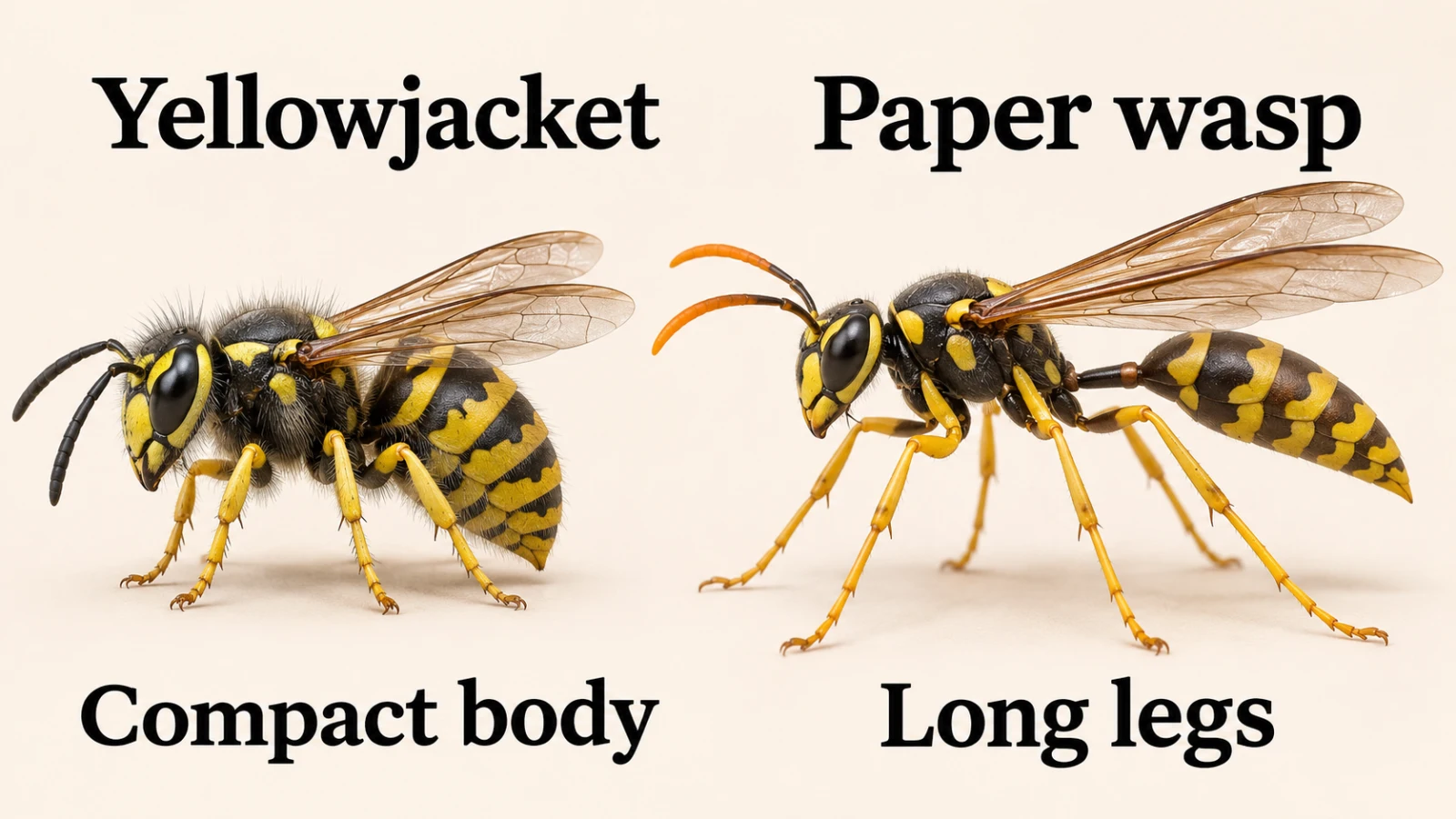
Yellowjacket workers typically look compact and stocky, with a blunt abdomen close to the thorax. Many have strong yellow-and-black markings. Paper wasps often look more elongated, with an obvious narrow waist and relatively long legs.
A paper wasp commonly lets its legs trail below its body during flight. A yellowjacket tends to hold its legs closer. A clear side view makes this easier to see than a distant glimpse of the stripes.
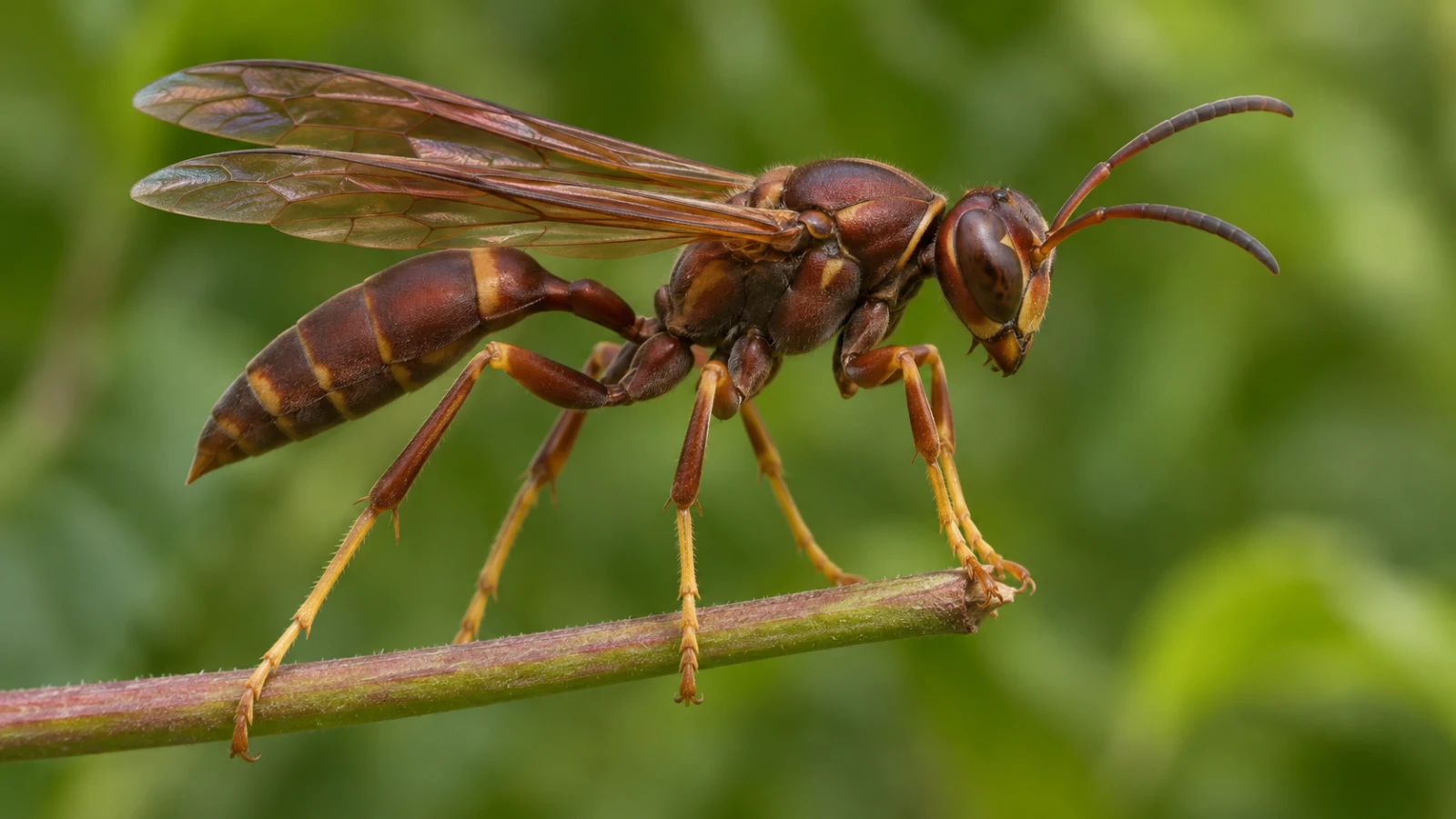
Color is a weaker shortcut. Some paper wasps are strikingly yellow and black, while others have brown or reddish tones. Yellowjackets also vary among species. Body length overlaps, particularly when you compare different species or castes.
Yellowjacket and paper wasp side by side
Use the table as a set of clues rather than a test that always identifies an insect.
| Feature | Yellowjacket | Paper wasp | Usefulness |
|---|---|---|---|
| Relationship | A type of wasp | Another type of wasp | Clarifies the names |
| Overall body | Usually compact and robust | Usually slender and elongated | Stronger clue in a clear view |
| Waist and abdomen | Blunter abdomen close to thorax | More pronounced narrow waist | Helpful from the side |
| Legs in flight | Usually held closer to the body | Often hang beneath the body | Useful when clearly observed |
| Color | Frequently bright yellow and black | Black, yellow, brown, or reddish combinations | Unreliable by itself |
| Where noticed | May investigate sweet foods or meat | Often seen near flowers or hunting insects | Context, not proof |
Why the clues can disagree
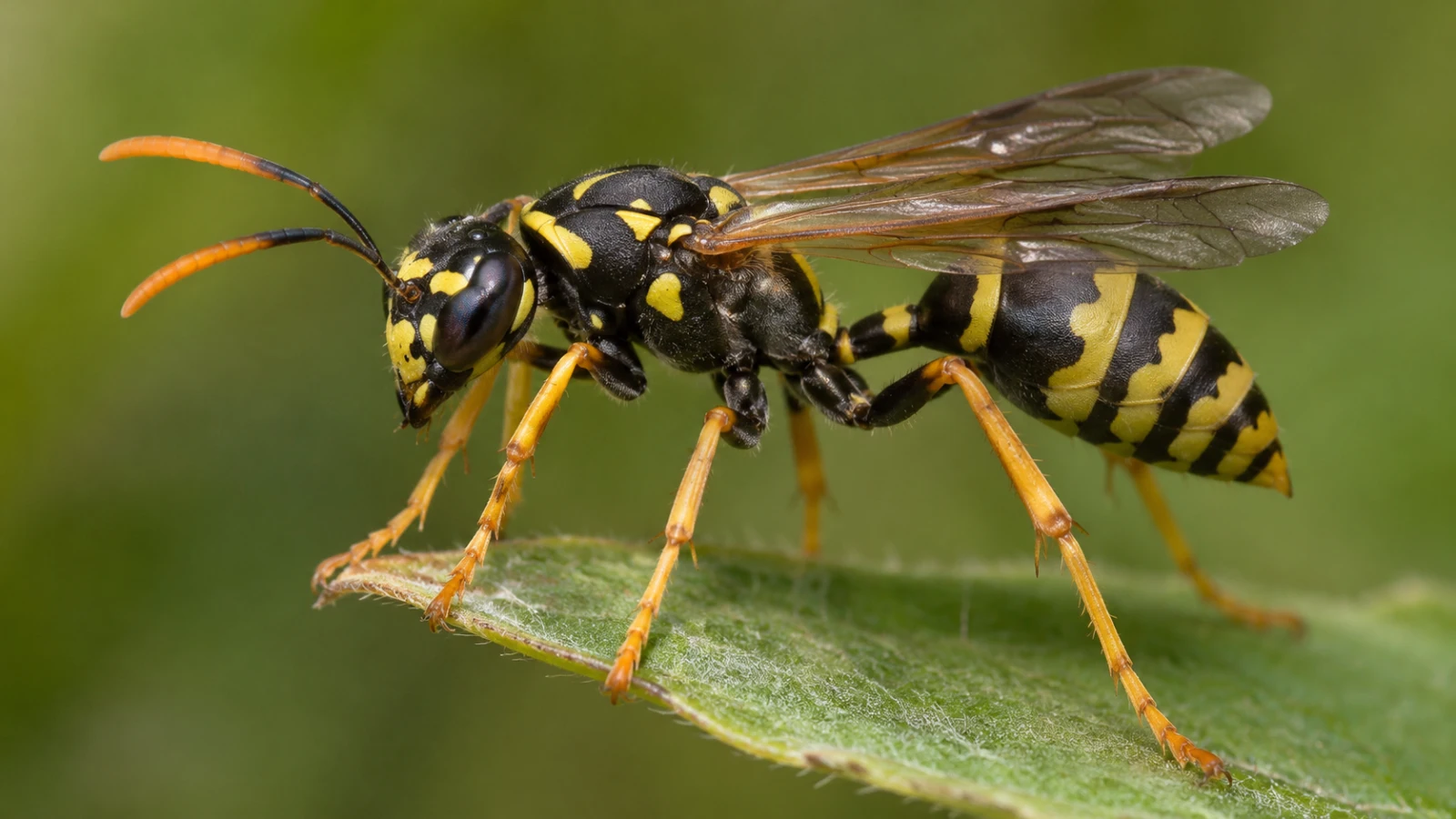
The European paper wasp often has yellow-and-black markings close enough to a yellowjacket’s to cause confusion. Look for a more slender body, longer legs, and, when visible, its often orange-toned antennae rather than deciding by color alone.
An insect moving quickly around a window may not offer a useful view of its waist or legs. A photo showing the body from the side can be more informative, but the particular local species still matters. Some relatives of familiar yellowjackets also have black-and-white rather than yellow-and-black markings.
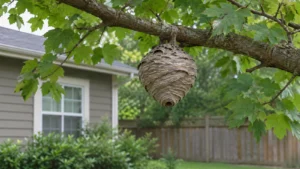
The location of a nest can offer context, but nest appearance is a separate identification question. If that is what you can see, consult our guide to wasp nest types without approaching or disturbing the nest.
Best visual clue
A long, slim outline with legs hanging in flight points toward a paper wasp. A shorter, compact outline with the legs held closer points toward a yellowjacket. Compare more than one feature when possible.
What to Watch For
Yellow stripes alone cannot separate the groups. A black-and-yellow paper wasp can look much like a yellowjacket, so a color-only guess should stay provisional.
Which identification fits?
A compact insect with short-looking legs
Yellowjacket is a reasonable working identification when the insect looks sturdy, has a relatively blunt abdomen, and does not trail long legs in flight. Check a safely obtained, clear image against species documented in your region before settling on the name.
A slender insect with dangling legs
Paper wasp is the stronger possibility when you can see an elongated body, pinched waist, and long trailing legs. Even then, the markings alone do not establish the species.
If neither pattern is visible, calling the insect a wasp is sufficient for now. Do not approach, shake, plug, or otherwise disturb an occupied nest to improve the identification. Both groups can sting when threatened, and nest defense is especially important when assessing safety. Keep people away from a busy nest entrance near a doorway or play area while deciding whether professional assessment is warranted.