
Comparison
Webbing moth traps compared: Which setup should you choose?
Compare pre-baited and refillable clothes moth pheromone traps, understand label-specific coverage, and learn what catches can tell you about vulnerable fabrics.
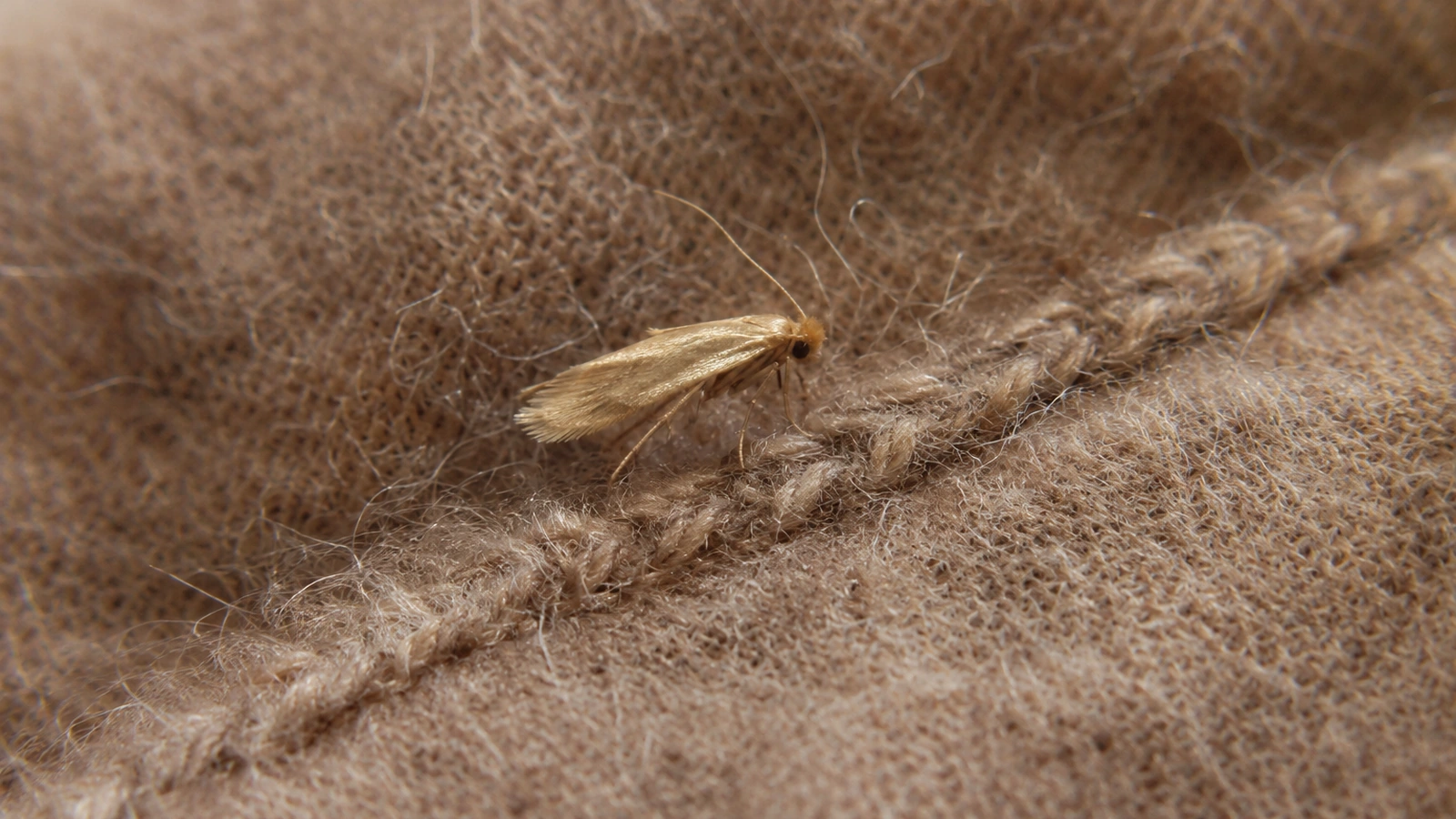
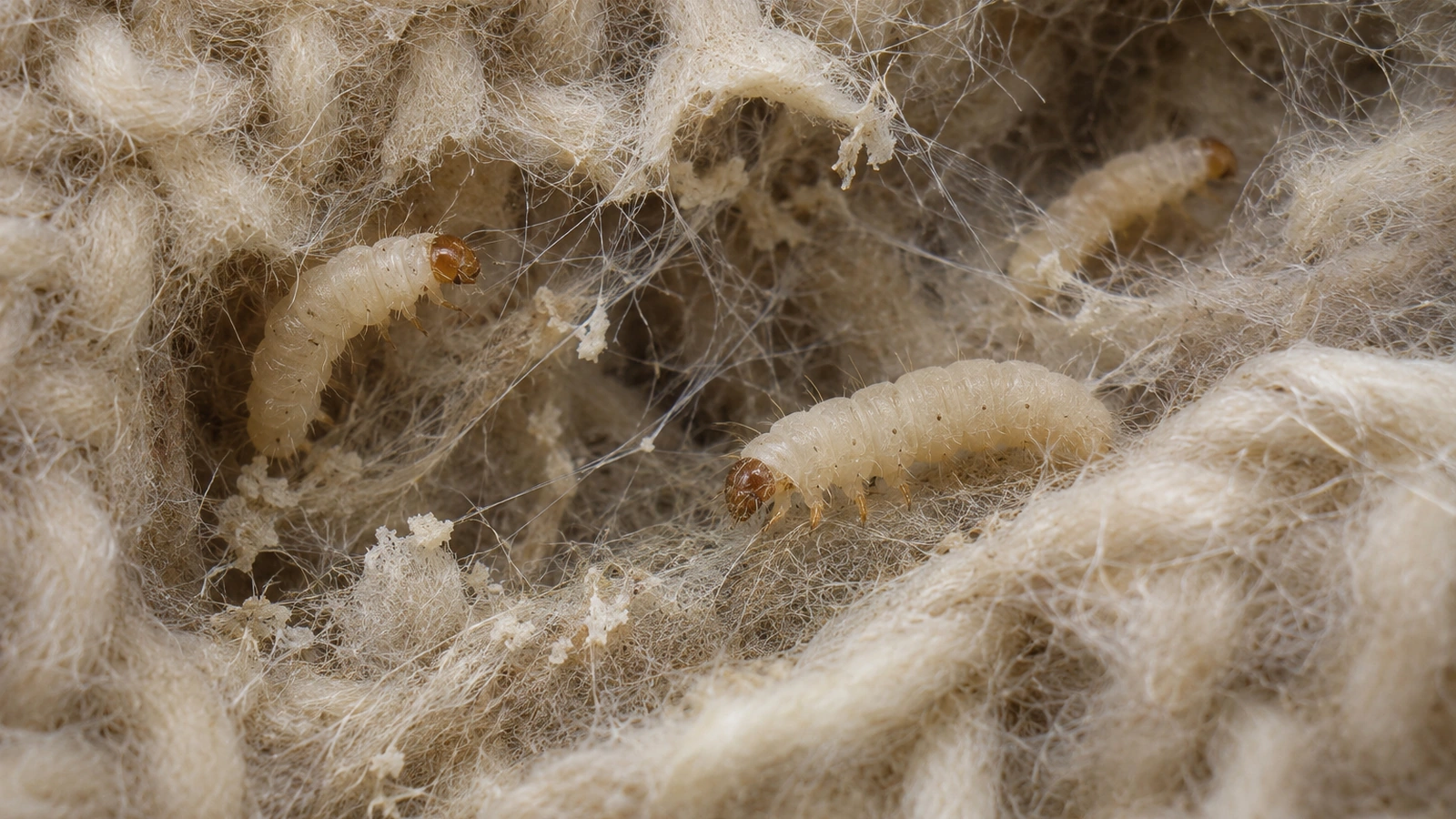
Finding a small tan moth in a closet can make every sweater feel at risk. A trap may help you learn whether adult clothes moths are active there, but it is not a shield around your garments. The larvae feeding in wool, rugs, or other animal-based materials are the stage responsible for fabric damage.
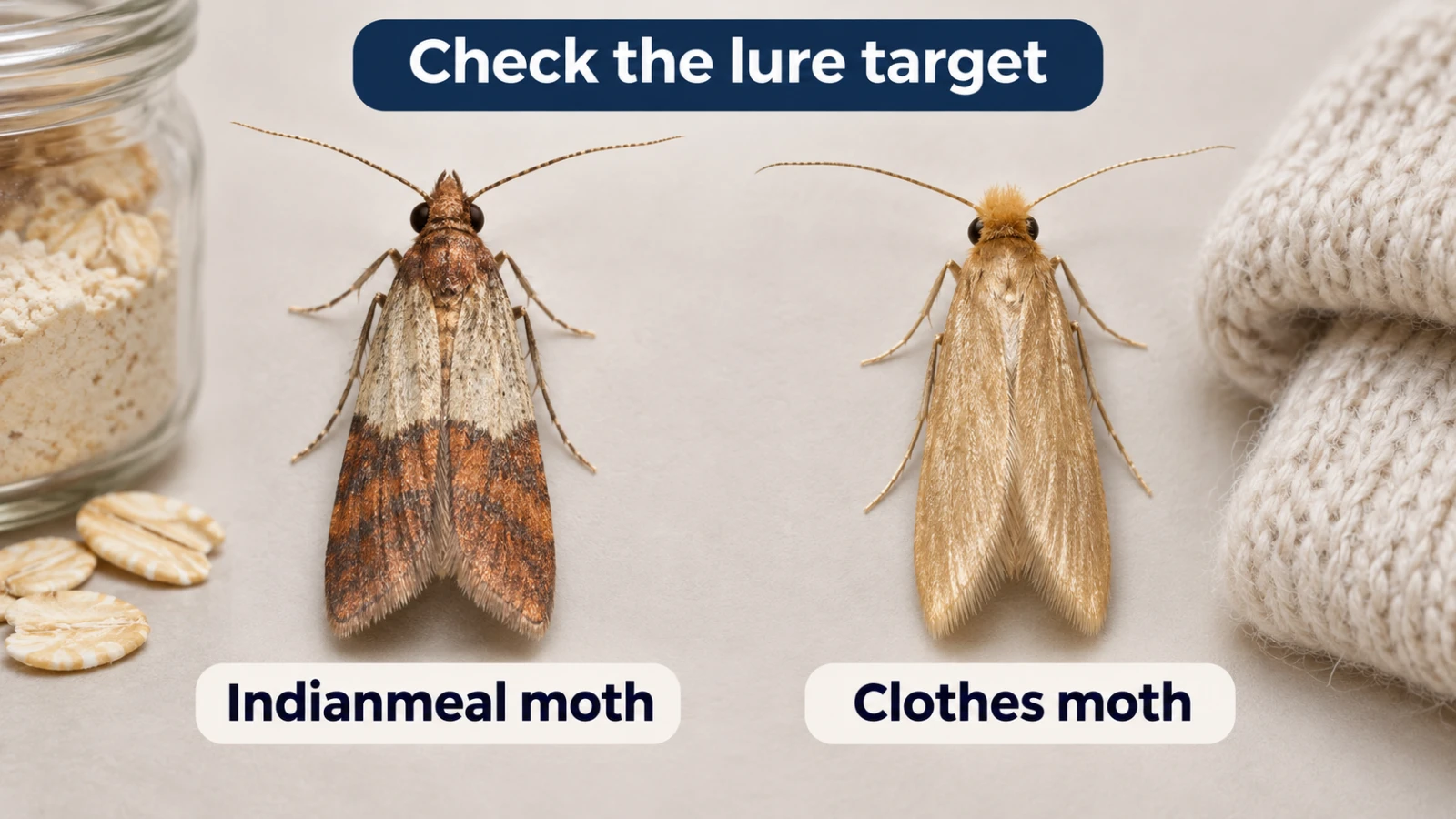
Before choosing a trap, check that the suspected moth is associated with textiles. A lure made for a pantry pest is not an interchangeable substitute for a clothes moth lure, and even a full clothes moth trap cannot tell you exactly where larvae are feeding.
What actually matters when choosing a lure and trap
First check the target species printed on the lure or trap instructions. Common webbing clothes moths and casemaking clothes moths are different insects. Some formulations may attract more than one clothes moth species, while others are designed for a narrower target. Check the actual label rather than relying on a generic claim that a product catches “all moths.”
The second criterion is placement. Put a clothes moth monitoring trap in a suitable location near vulnerable fabrics or observed activity, such as a closet shelf, an accessible wardrobe floor, or another textile-storage area permitted by the instructions. A hanging station and a low-profile flat trap can be useful in different spaces; the shape alone does not establish that one catches more moths.

Coverage is not one universal square-foot number. Air movement, doors, storage layout, placement height, and the target moth all influence where captures occur. A label’s stated coverage or placement directions apply to that particular lure and setup. A trap in a hallway should not be taken as reliable monitoring for every shut closet in the home.
For a useful comparison over time, keep the placement and lure type consistent, note the date, and record catches by location. Read the product instructions for when to replace the lure or whole trap. Dusty or crowded adhesive can also need replacement. There is no justified universal service interval for every brand or formulation.
The practical differences are easiest to see side by side.
| Setup | What it monitors | Best reason to choose it | Main limitation |
|---|---|---|---|
| Pre-baited clothes moth pheromone sticky trap | Male moths attracted by the species listed for that lure | Simple, ready-to-use check near vulnerable garments | Entire unit may need replacement on its stated schedule |
| Separate pheromone lure with a refillable sticky station | Male moths responsive to the particular replacement lure | Ongoing monitoring where separate components are convenient | Lure compatibility, adhesive condition, and replacement dates need attention |
| Unbaited sticky card | Insects that happen to contact its surface | Supplemental observation at a specific spot | A quiet card is a weak test for clothes moth activity |
What trap catches can and cannot tell you
A compatible pheromone lure imitates a female moth’s sexual attractant and primarily brings responding adult males to the sticky surface. A capture is useful evidence of adult activity near that monitoring point. If catches cluster around one closet rather than another, inspect the textiles and hidden edges near the active location.
A catch does not identify the feeding site by itself. Males can move between spaces, and the trap is not sampling larvae inside a folded wool sweater, beneath a rug, or along upholstered seams. The species listed for the lure, the trapped insect’s identity, and the surrounding evidence all matter before you decide where the source is.
Equally, an empty trap cannot rule out damage to a garment. The lure may not match the species, the device may be poorly placed or overdue for replacement, or no responsive males may be moving through that location during the observation period. If you find larvae, silk webbing, cases, or new feeding damage, inspect the affected material even when nearby traps stay empty.
Match the lure to the moth
A verified clothes moth pheromone lure in a sensible textile-storage location offers more meaningful monitoring than an attractive trap design or an unsupported claim about room coverage.
What to Watch For
Trap counts show captures, not the number of eggs or larvae in the home. Catching a few males is a reason to inspect vulnerable textiles, not proof that the trap is controlling the damaging life stages.
Which clothes moth trap should you choose?
You need a simple check in one wardrobe
Choose a pre-baited clothes moth pheromone trap whose labeled species and placement directions fit your situation. Put it where you can check it without rubbing adhesive against garments. Start by confirming the insect and looking for signs in vulnerable fabrics; the clothes moth identification and fabric damage guide covers that diagnostic step.
You are comparing activity across several storage areas
A compatible replaceable-lure setup may make repeated monitoring practical, provided you follow its individual lure and adhesive replacement instructions. Keep a separate record for each site rather than pooling captures from different closets. If one location repeatedly catches adults, examine nearby wool, felt, fur, rugs, upholstery, and accumulated natural-fiber lint for larvae or damage.
The moths are coming from stored food
Do not select a webbing clothes moth trap merely because the insect is called a moth. Larvae in cereal, grains, dried food, or pantry packaging point to a different investigation. Start with pantry moth signs and food sources and use the separate pantry moth traps comparison for suitable food-pest monitoring.
You already have holes or visible larvae
Inspect the textile source before buying more traps. The damaged item may need cleaning or other appropriate care according to its fabric label, and clean susceptible garments can then be stored in well-sealed containers. A trap can help monitor for adult activity afterward; it cannot remove larvae from the fibers or guarantee that the problem has ended. Large or hard-to-access affected textile collections may warrant professional help.
Explore this topic further:


