Comparison
Bed bug steamers: which type should you choose?
Compare steam cleaner types for bed bugs, learn which equipment features matter on mattresses and furniture, and understand when steam needs to be combined with other control methods.
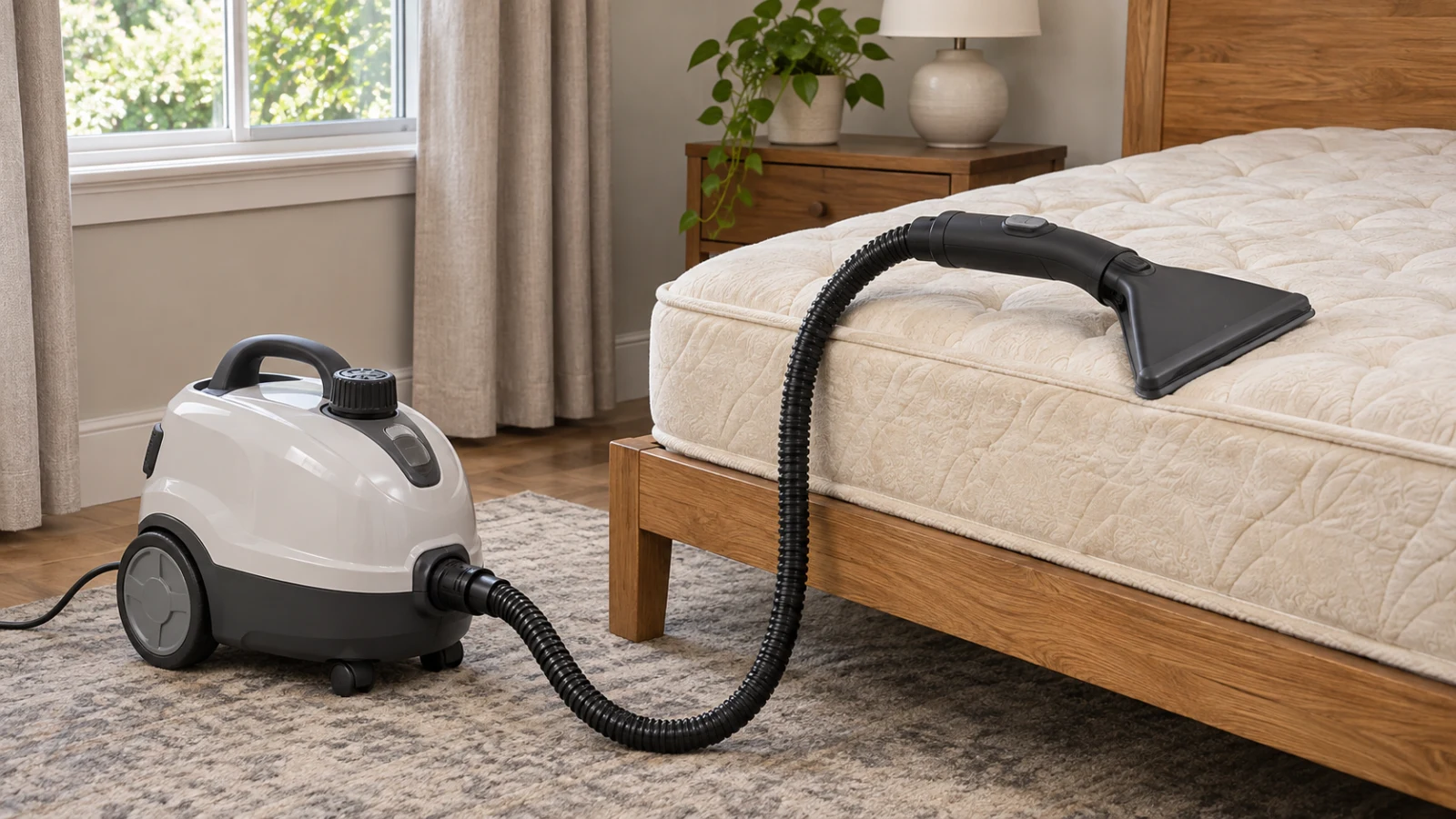
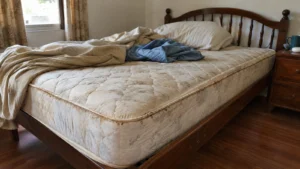
Finding bed bugs along a mattress seam can make a steamer seem like the simplest solution. But a machine that removes wrinkles from a shirt may struggle to deliver enough heat through the folds of a mattress or into a bed frame joint.
Steam can kill adult bed bugs, nymphs and eggs when sufficient heat reaches them. The challenge is choosing a machine that can deliver that heat safely and consistently to the places you need to treat.
What matters when choosing a bed bug steamer
The temperature advertised on the box usually describes the machine’s output or boiler, not the temperature reached by a mattress seam. Look for equipment that can deliver enough heat at the treatment surface without a powerful jet that dislodges insects.
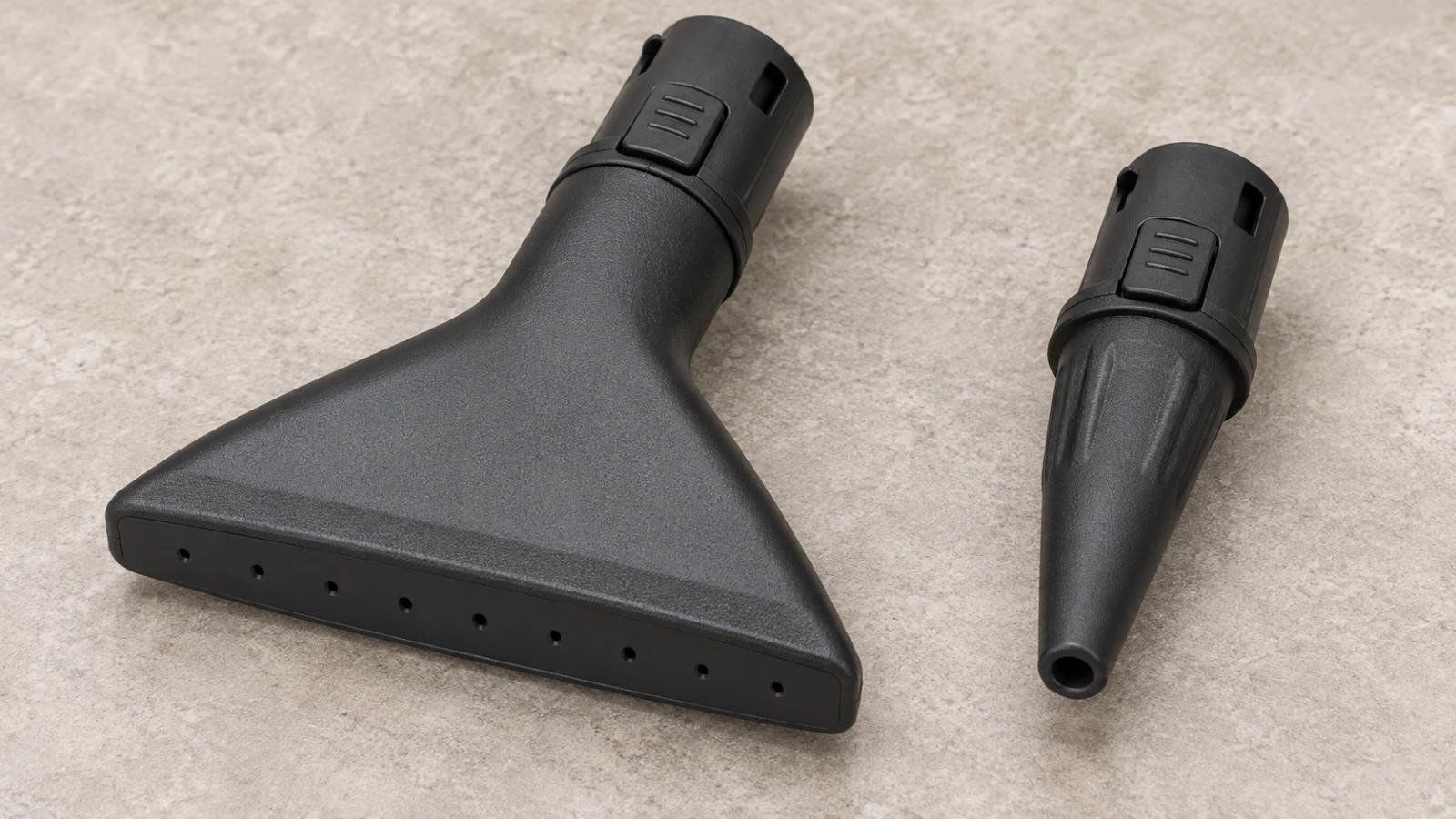
A broad upholstery head or compatible diffuser helps distribute the steam. A pinpoint nozzle that works well for cleaning grout can blow bed bugs out of a crack before they receive sufficient heat.
Temperature at the surface
For localized bed bug treatment, aim for a surface temperature of 160–180°F immediately after the steam head passes. Check it with an infrared thermometer on a suitable test surface. This is a practical treatment target, not a guarantee that every hidden insect has reached the same temperature.
If the surface remains below that range, a slower pass may improve heat delivery, provided the material and appliance instructions permit it. If you cannot achieve the target without overheating or soaking the material, choose another method for that item.
Features worth paying for
- Adjustable steam output and a compatible broad attachment.
- Enough usable steaming time to cover the intended area without frequent stops.
- A hose and attachments that reach the surfaces you need to treat.
- Clear instructions for safe operating positions, water filling and pressure release.
Check the appliance manual before purchasing. A high wattage or pressure rating alone tells you little about how effectively you can treat upholstery.
How the options compare
Choose based on the actual areas you need to reach rather than the highest advertised temperature or the largest number of accessories.
| Type | Suitable use | Main advantage | Main limitation |
|---|---|---|---|
| Canister steam cleaner | Mattress seams, compatible upholstery and accessible joints | Versatile attachments and longer sessions | Requires adequate output, controlled steam and surface testing |
| Handheld cleaning steamer | A small number of accessible spots | Easy to maneuver in limited areas | Frequent refills and potentially forceful jets |
| Garment steamer | Selected exposed fabrics if the model permits the use | Portable and easy to direct at fabric | Restricted operating positions, limited access and uncertain heat delivery |
| Floor-only steam mop | Compatible exposed flooring | Covers broad flat surfaces | Poor access to furniture seams and crevices |
| Commercial low-moisture steamer | Repeated treatment of multiple compatible surfaces | Greater working capacity and moisture control on suitable models | Higher equipment cost and careful technique still required |
The compromises you need to understand
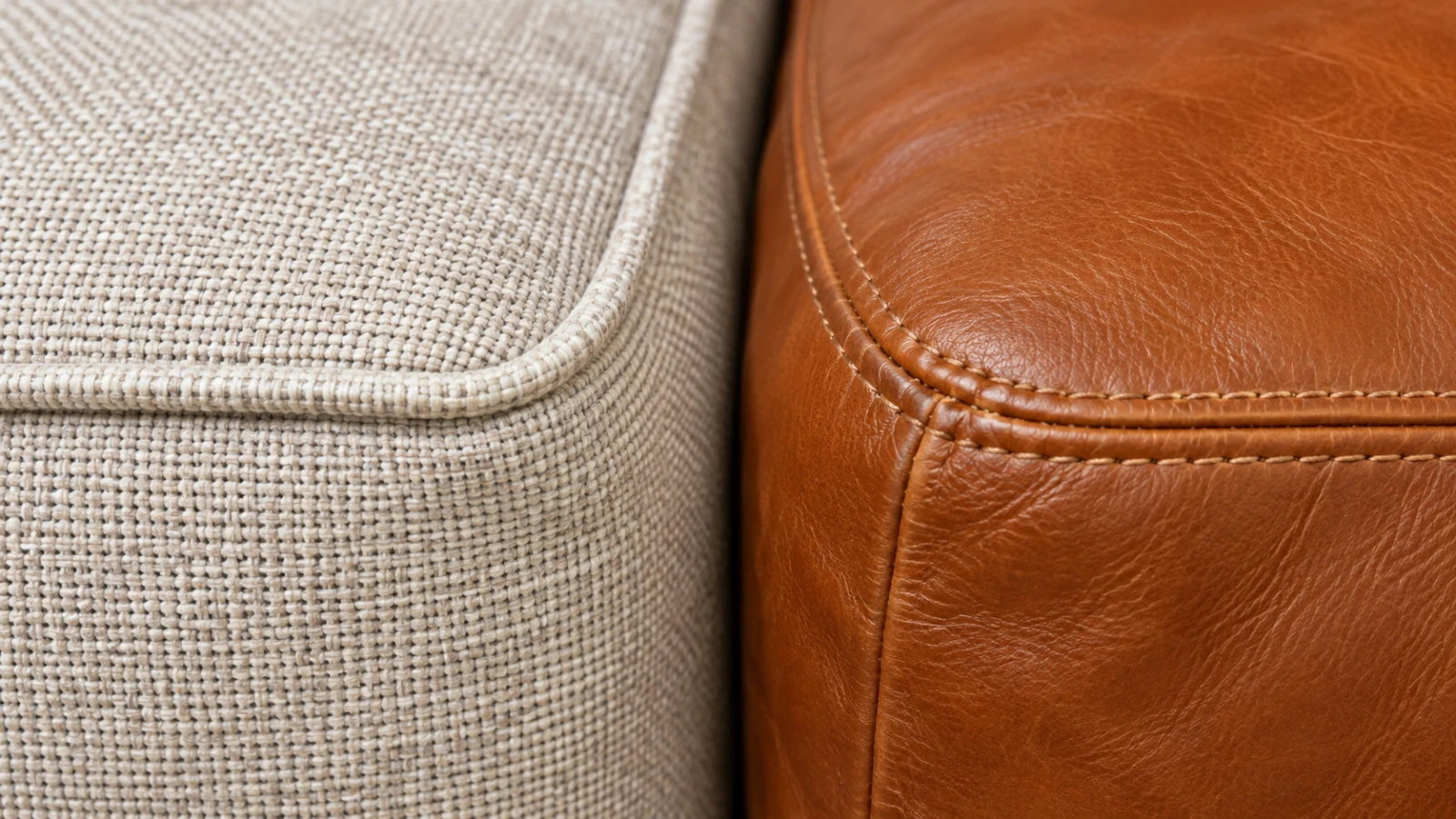
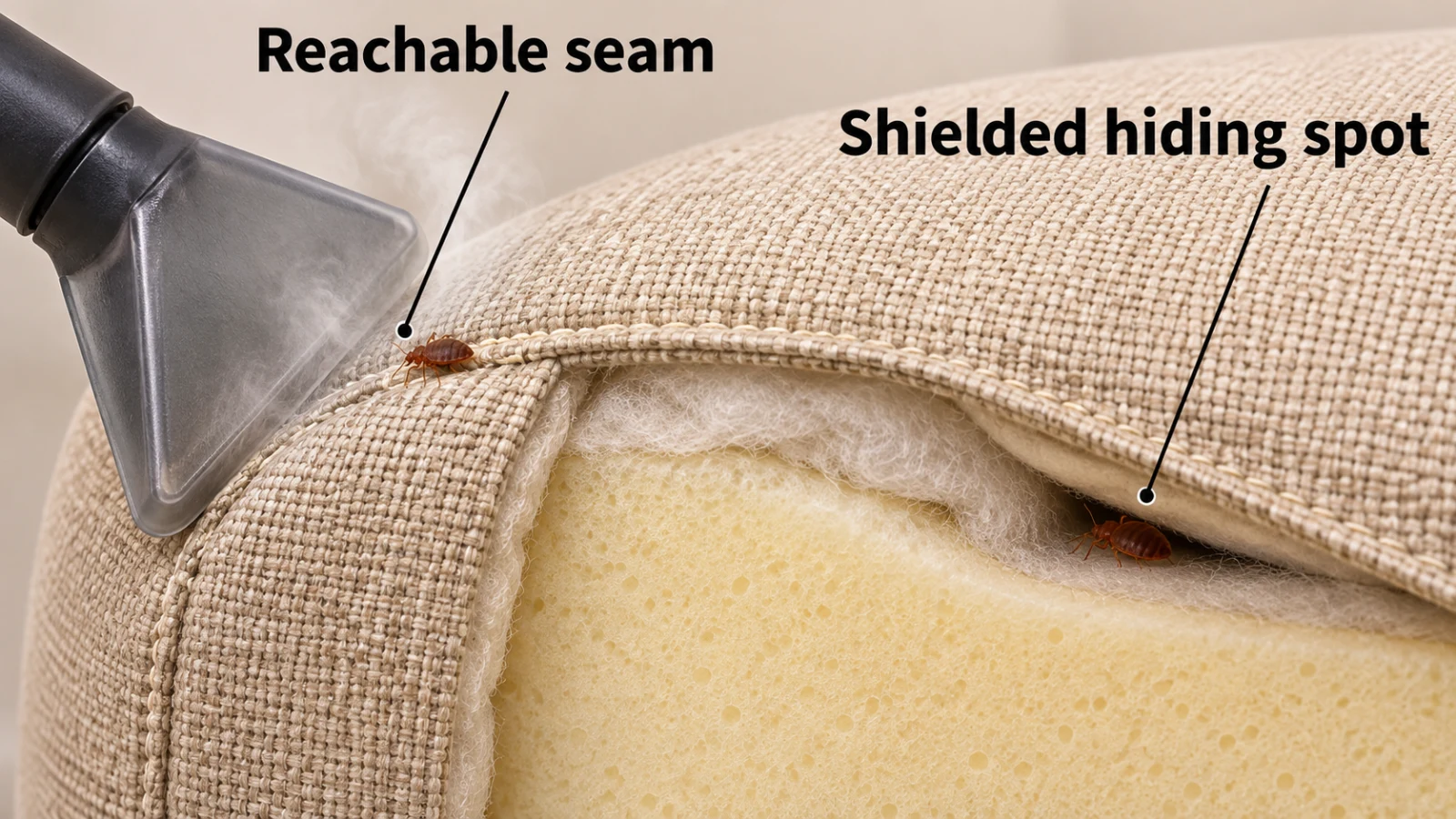
Steam works particularly well where bed bugs are exposed or shelter in reachable seams. It becomes less reliable when insects or eggs are protected behind impermeable coverings or buried in thick padding.
A fabric-covered cushion and a leather-covered cushion may look equally easy to steam, but they present very different barriers to heat and moisture. Even a powerful steamer is not a reason to assume that the interior of either cushion has been treated.
Heat without excessive moisture
Mattresses and upholstered furniture can retain moisture long after their outer surface looks dry. Check the care instructions and test a concealed spot before steaming. Leather, some synthetic coverings, foam and glued or finished surfaces may be damaged by heat or moisture.
The surface should be slightly damp at most, not saturated. Allow treated materials to dry thoroughly before replacing bedding or covers.
Safe handling and access
Steam and hot water can cause serious burns. Keep the nozzle away from skin, children and pets, and never direct steam into outlets, electrical equipment or wiring. Use only manufacturer-approved accessories and follow the model’s cooling and depressurizing instructions before refilling a pressurized tank.
Do not tilt an upright-only garment steamer to reach a horizontal mattress. Hot water can escape from some models when used at the wrong angle.
Control at the treatment surface
A machine you can move steadily along a seam while maintaining the necessary surface temperature is more useful than a more powerful unit you cannot control.
What to Watch For
Steam has no lasting insecticidal effect. Bed bugs that survive elsewhere can return to a treated surface after it cools.
Which steamer makes sense for your situation?
Match the machine to the job
For several mattress seams, a box spring and accessible bed frame joints, start by looking at a canister cleaner with adjustable output and a broad upholstery head. It offers a practical balance of reach and operating time without requiring commercial equipment.
For a few accessible spots, a handheld cleaning steamer may be enough if it passes the heat and airflow checks. If you already own a garment steamer, check its instructions and test its performance before considering another purchase. Do not rely on a clothes steamer that cannot safely reach the necessary surfaces.
If you need to treat upholstered furniture, including a sofa, consider the time required to cover its seams, folds and joints. A larger tank may save considerable effort, but access to the hiding areas is just as important. For more complex furniture, see how to inspect and treat bed bugs in your couch.
When bed bugs are established in inaccessible areas, spread across rooms or continue appearing after reasonable control efforts, arrange professional assessment. A larger steam cleaner cannot compensate for a source you cannot reach. Professional heat treatment for bed bugs is a separate technique that uses specialized equipment to heat the affected space under controlled conditions.
Combine steam with methods that address what it misses
Steam is useful for reachable, heat-tolerant surfaces. For clothing and bedding that can withstand a hot dryer, use high heat for at least 30 minutes rather than trying to steam each fold individually. Transport potentially infested laundry in sealed bags and keep treated items separate from untreated items.
Continue inspecting the sleeping area and use bed bug interceptors where suitable. They help reveal continuing activity but do not replace treatment. Check for new evidence every few days and reassess any areas where live bed bugs continue appearing. The objective is to eliminate the infestation, not just to kill the insects visible during a steaming session.
Explore this topic further: