Identification
Drywood termites: how to identify them and recognize the signs
Learn which clues point to drywood termites, how their habitat and appearance differ from other termite groups, and when the evidence warrants a closer inspection.

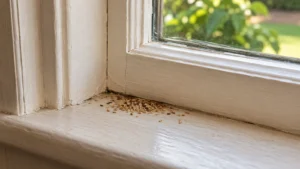
A small pile of gritty particles beneath a doorframe can be the first visible sign of termites living inside the wood. With drywood termites, even a piece of wood that looks perfectly sound from the outside can conceal a colony.
Unlike most subterranean termites, drywood termites can establish a colony without a connection to the soil. That changes where you need to look and which signs matter most.
What do drywood termites look like, and where do they live?
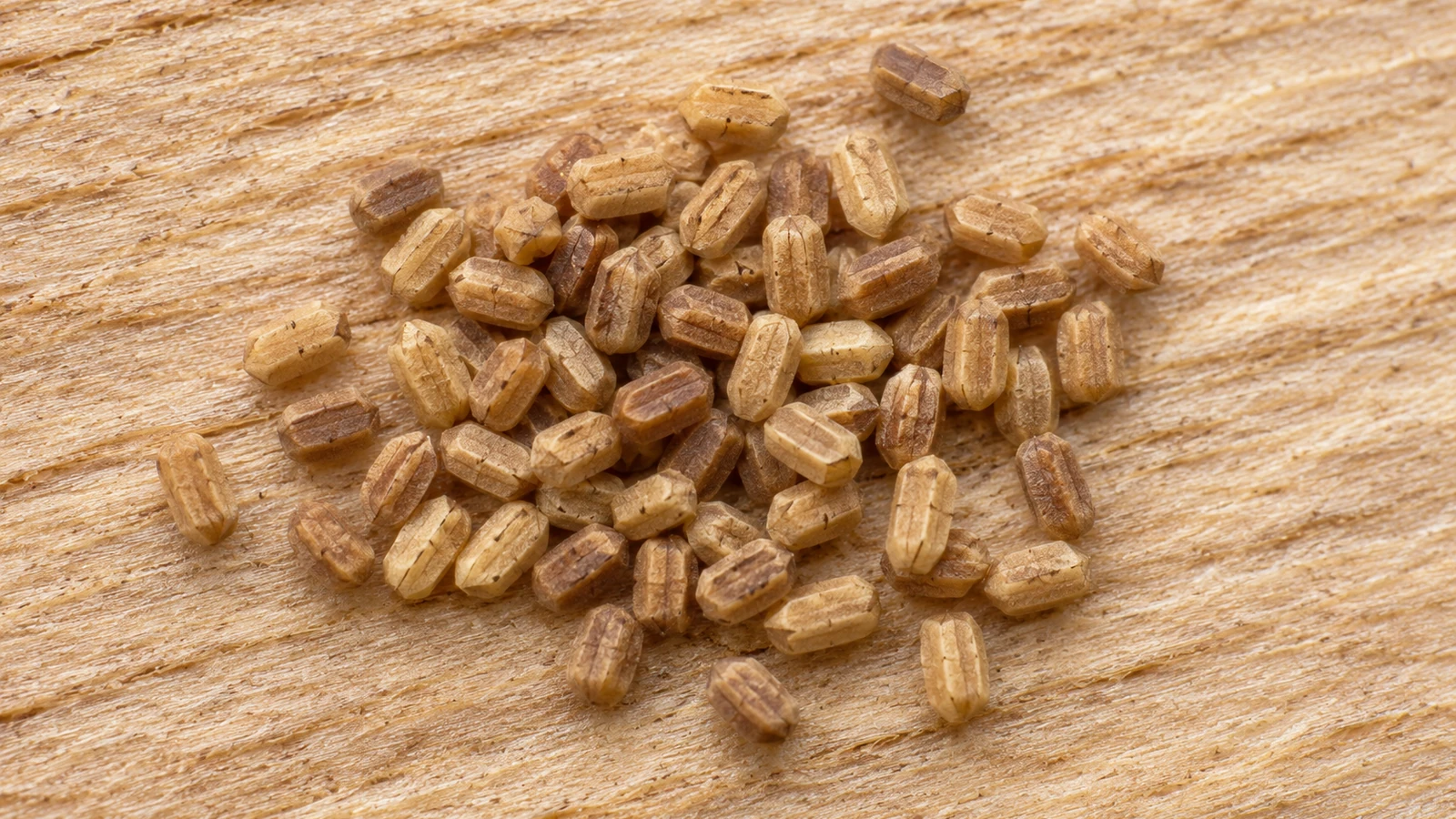
Drywood termites are a group of species that can live inside relatively dry, sound wood. Their colonies may occupy doorframes, window trim, structural lumber or furniture. One of their most distinctive clues is a pile of hard fecal pellets, commonly called frass, expelled through tiny openings in the wood.
The pellets are typically about 1/25 inch (1 mm) long, with rounded ends and six flattened or slightly indented lengthwise surfaces. They can range from pale tan to dark brown. A magnifier helps reveal their shape.
Identification in 30 Seconds
- Dry wood with no apparent connection to the ground.
- Small, fairly uniform, six-sided pellets beneath the wood.
- Tiny openings through which pellets may be expelled.
- Winged termites or shed wings indoors, especially near affected wood.
The insects themselves can be harder to identify. Drywood termite soldiers have enlarged, hardened heads, and the plate immediately behind the head is generally at least as wide as the head itself. In subterranean termite soldiers, that plate is narrower. The pale, wingless individuals that excavate the wood are much less useful for distinguishing the groups.
Winged drywood termites, called swarmers, often have prominent veins and small cross veins near the leading edge of their wings. These details are easier to examine under magnification than in a typical phone photo. Body color and wing length vary among species.
In the United States, drywood termites are particularly relevant in warmer southern and coastal regions, including Florida, parts of the Gulf Coast, Arizona and California. The western drywood termite and the West Indian drywood termite are different species with different distributions. Infested furniture and other wooden objects can also carry termites to areas where they are normally uncommon.
Check the wood around the clues

If you find a pile of suspected pellets, examine the wooden surfaces immediately above and around it. The material may have fallen from the underside of a cabinet, a joint in a window frame or trim higher up the wall, rather than from the surface on which it collected.
Use a flashlight to look for a small opening in the wood. A drywood termite kick-out hole may be only about 1 to 2 mm wide, and the termites sometimes plug it between uses. Finding the opening can help locate the affected piece of wood.
Photograph the debris before cleaning it up and save a small sample in a sealed container. If you can safely reach the area, clean away the loose material and check for another accumulation over the next few days. Photograph any new pile in the same location.
If all you have is debris, our guide to identifying termite droppings explains how to examine the particles more closely. Avoid drilling into the wood or breaking open trim just to find an insect.
Identification Mistakes
- Mistaking fine wood dust for intact termite pellets.
- Identifying a drywood termite solely by the color of its wings.
Key Clue
Uniform, six-sided pellets collected directly beneath a tiny hole in dry wood are a strong indication of drywood termite activity in that piece of wood, past or present.
What to Watch For
Pellets left by an old infestation can be dislodged by vibration or movement. A new pile of old pellets is not, by itself, proof that termites are still alive.
Distinguish drywood termites from other wood-infesting termites
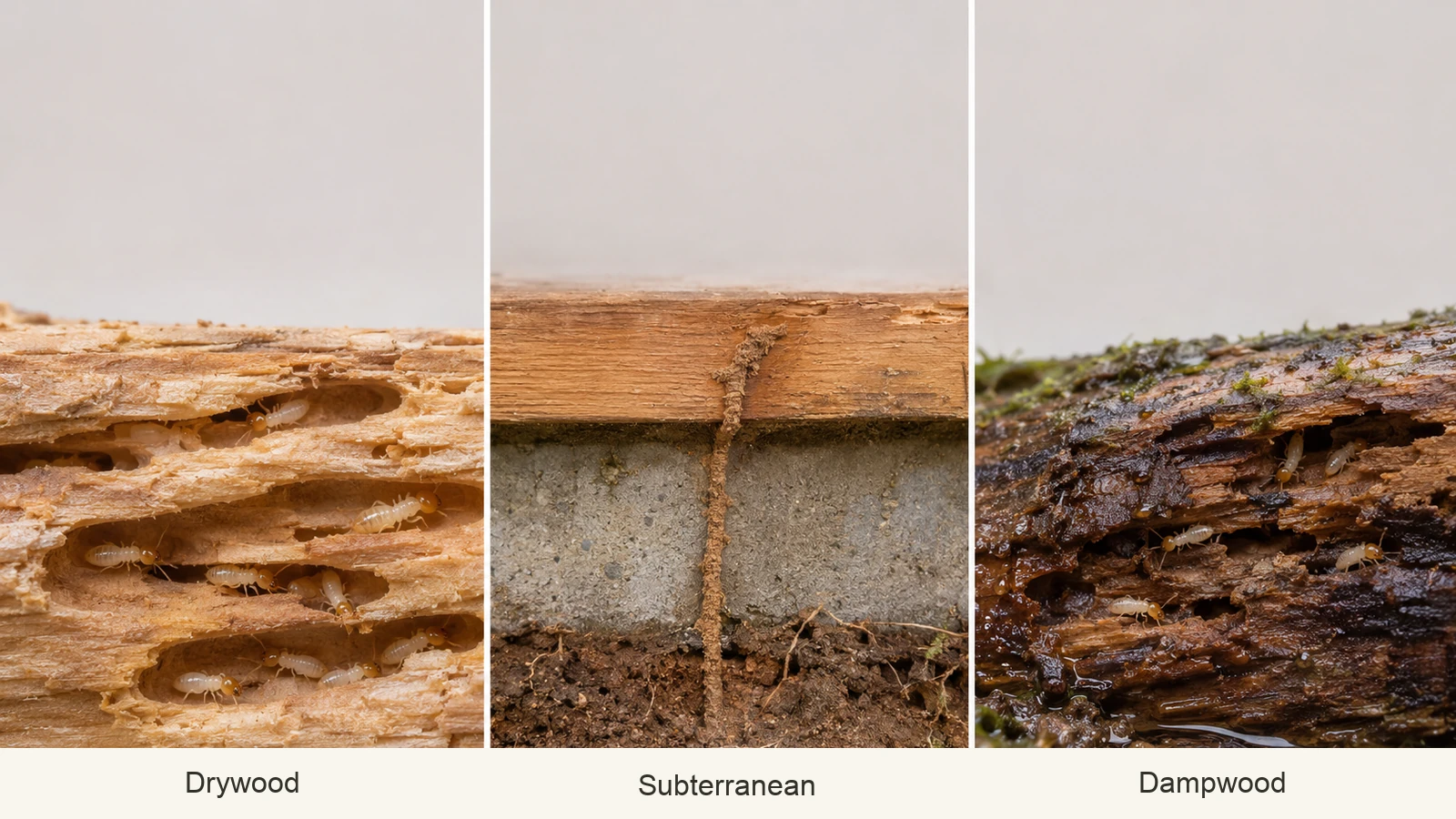
The type of wood and the way the termites reach it help narrow down the identification. Drywood termites live inside the wood they feed on. When their galleries are already exposed, they tend to be smooth, can extend across the grain and may contain loose fecal pellets.
Subterranean termites generally depend on moist conditions and often leave earthen shelter tubes along foundations or other surfaces leading to wood. Some can form colonies above ground when a persistent moisture source is available. Dampwood termites, by contrast, favor wood with a high moisture content, such as timber affected by a leak or decay.
A dry window frame with characteristic pellets is therefore a very different situation from a damp beam with mud-filled galleries. When the insect itself is uncertain, start with general termite identification before assigning it to a particular group.
Use the following combinations of observations to decide which possibility deserves closer attention.
| What you observe | Most likely explanation | What to check next |
|---|---|---|
| Gritty, uniform pellets below dry wood and a tiny opening | Drywood termites | Trace the pellets to their source |
| Earthen tubes along a foundation or wall | Subterranean termites | Look for connected tubes and accessible affected wood |
| Termite galleries in persistently wet or decaying wood | Dampwood termites are possible | Check for a moisture source and obtain identification |
How serious might the situation be?
Discarded wings on an indoor windowsill may be easier to spot than the insects themselves. Finding several swarmers inside a closed room raises more concern than finding a single insect near an open door. If you actually see termites emerging from a wooden frame or cabinet, record the exact location.
Swarmers are attracted to light, so a pile of wings at a window may be some distance from the wood where they emerged. Our guide to recognizing termite swarmers explains the features worth photographing.

A single pile of pellets beneath a wooden chair might be associated with that item alone. Several locations involving fixed trim, cabinets or other parts of the building warrant a wider investigation. However, different piles can originate from the same affected piece of wood, and concealed colonies may leave no visible piles at all. Counting pellets or piles cannot tell you how much wood has been damaged.
The more important distinction is whether the evidence involves a movable item, fixed interior wood or structural members. If a beam or floor appears weakened, leave it undisturbed and have its condition assessed.