Guide
Termites: How to identify what you found and what to check next
A practical U.S. introduction to termite types, visible clues, safe first checks and when an inspection makes sense, without mistaking one sign for a confirmed infestation.
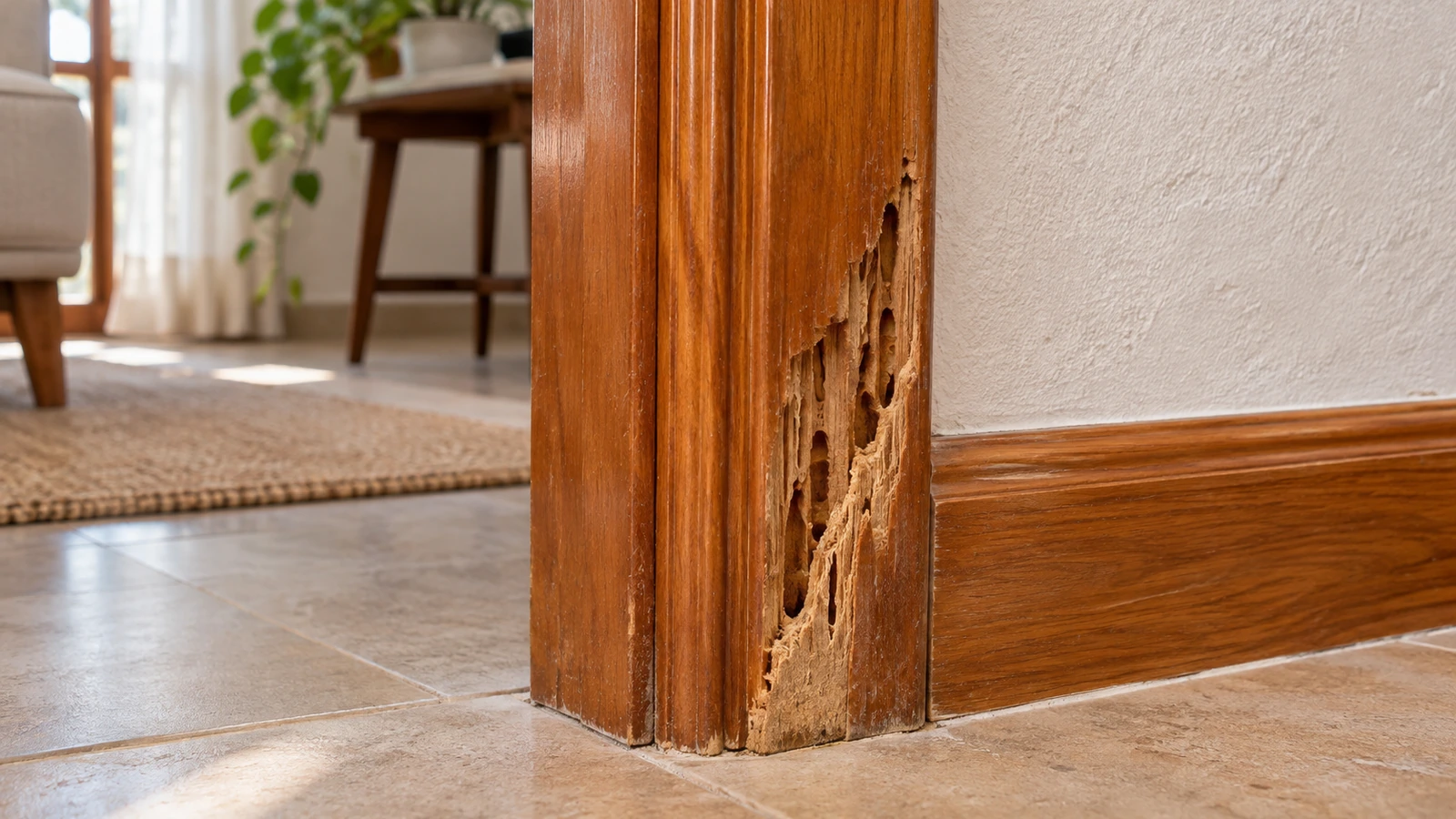
A thin line of dried mud has appeared on a foundation wall. Or perhaps you found a cluster of delicate wings beside a window, or gritty grains under a wooden frame. These clues can mean different things, and the first useful step is to work out which kind of termite activity, if any, they point toward.
Termites often stay concealed in soil or inside wood. You can make a much better decision by combining the insect’s appearance, the material it leaves behind and the exact place you found it. This guide gives you that starting point, then directs you to a more specific inspection when the evidence warrants one.
What termites are and why their type matters
Termites are social insects that live in colonies and use cellulose-rich material, including wood, as food. The insects visible in a home may be pale workers or worker-like juveniles, defensive soldiers, or winged reproductives called swarmers. Each looks different, so there is no single color or body shape that identifies every termite.
The distinction that matters most to a homeowner is often where the colony lives. Some termites normally travel between soil and a structure, others can establish themselves inside relatively dry wood, and still others favor very moist wood. Their habits affect the clues you can find and the kind of professional assessment or control that may be appropriate.
Key Takeaways
- A pale insect, discarded wings or damaged wood is a starting clue; combine it with location and other evidence before naming the pest.
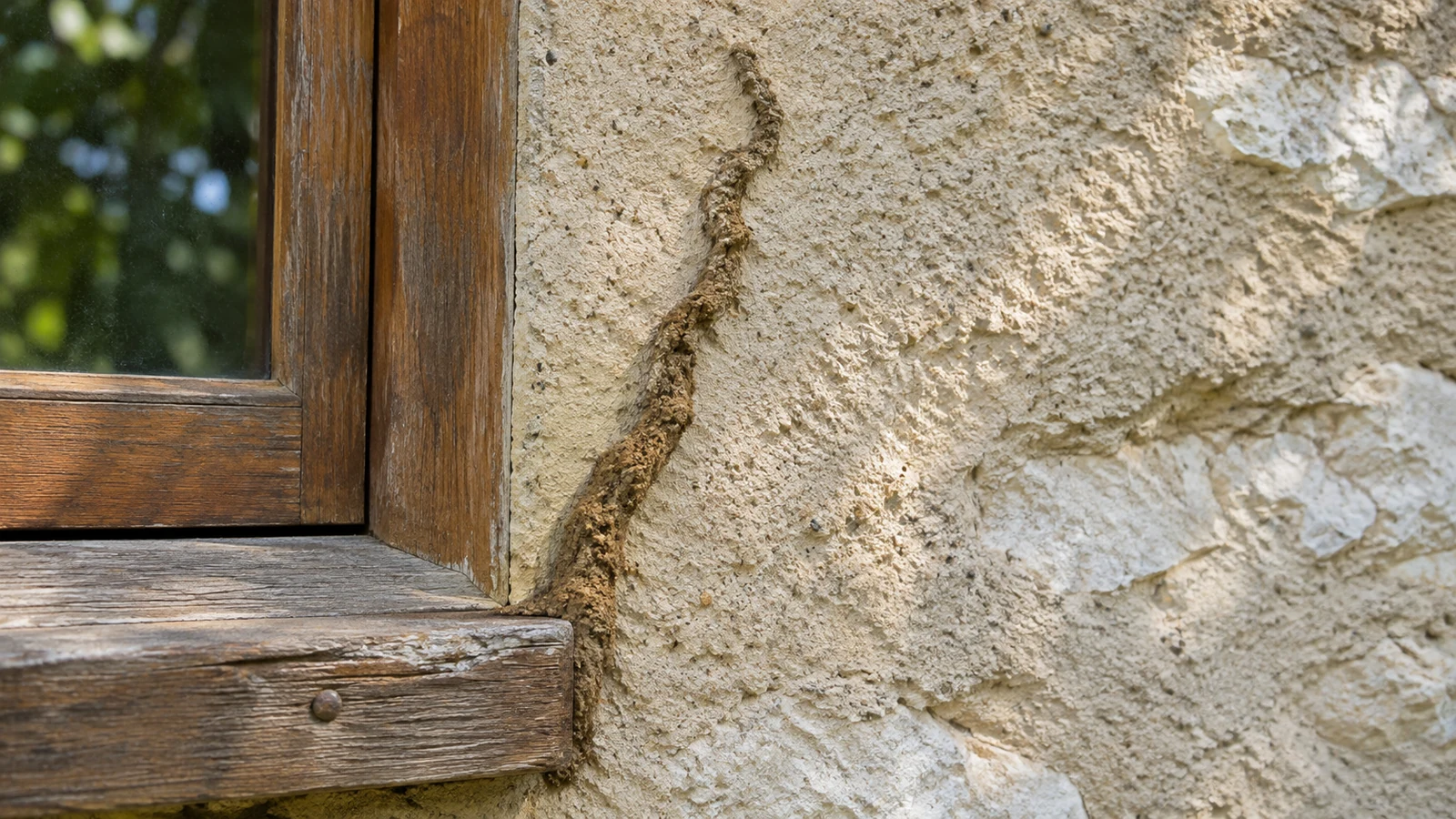
- Mud tubes on a foundation are associated with soil-linked termite travel; hard pellets below wood point toward a different termite group.
- Flying ants can resemble termite swarmers, but their antennae, waist and wings offer useful differences.
- Record evidence before disturbing it, and match the next inspection or control decision to the likely source.
What termites look like in a home
Wingless termite workers, or worker-like immature termites in some groups, are usually soft-bodied and light-colored. They have six legs, relatively straight, beadlike antennae and no sharply pinched waist. Soldiers often have a more prominent head and jaws. A specimen’s size or shade alone is a weak basis for identifying the species.
Swarmers are the winged reproductive stage. They may be dark brown or black and typically have two pairs of wings of similar length that extend beyond the body. Winged ants instead have a narrow waist, bent antennae and front wings longer than the hind wings. If those features are difficult to see, use the more detailed flying ants versus termites comparison.
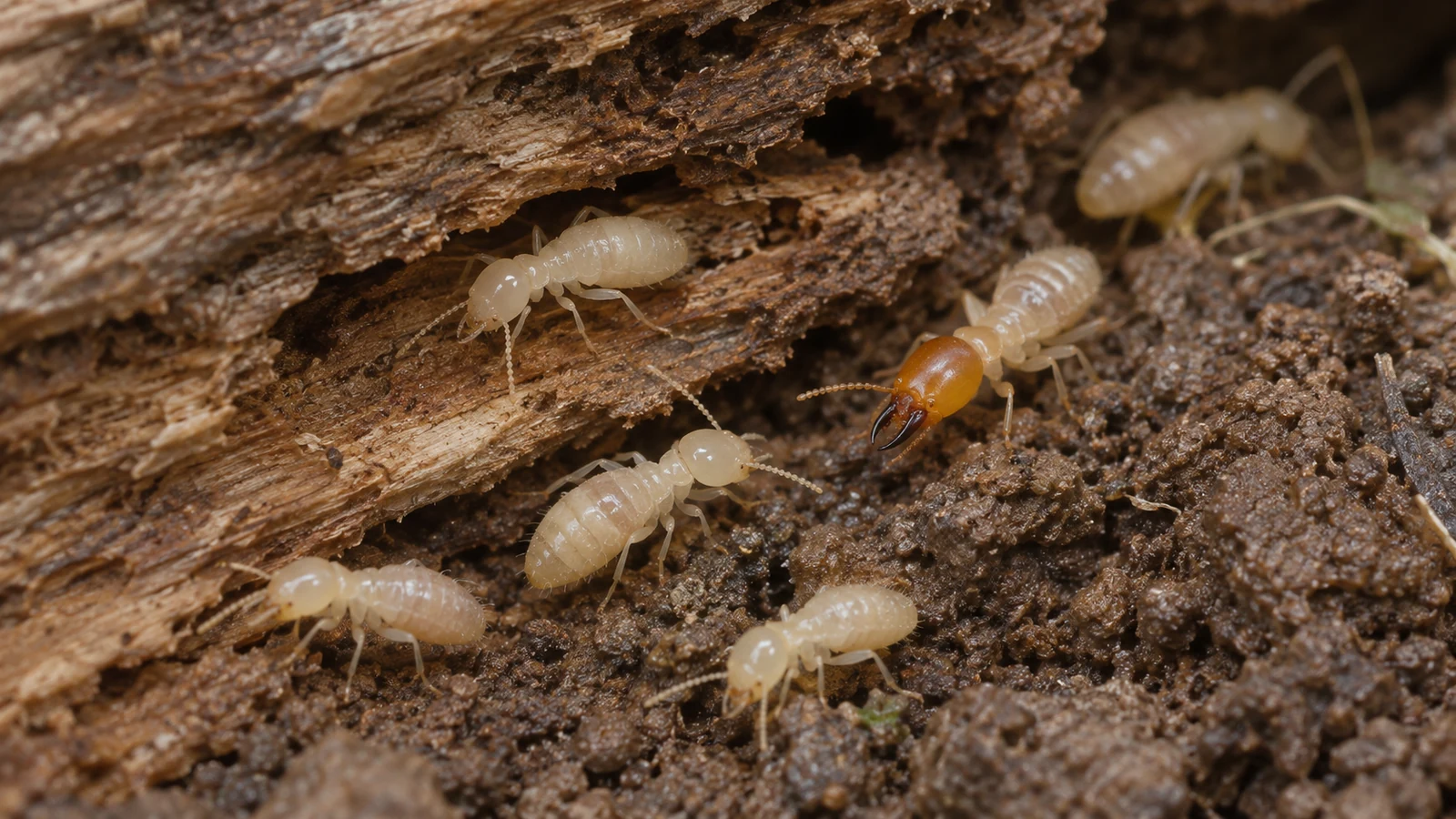
Where the insects appeared helps interpret them. Workers found within a sheltered earthen tube tell a different story from winged insects arriving at an outside light. If you are seeing termite swarmers indoors, note where they emerged and save a specimen if practical. Avoid deciding that an entire building is infested from loose wings alone.
Subterranean, drywood and dampwood termites leave different clues
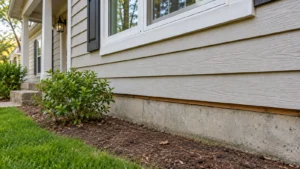
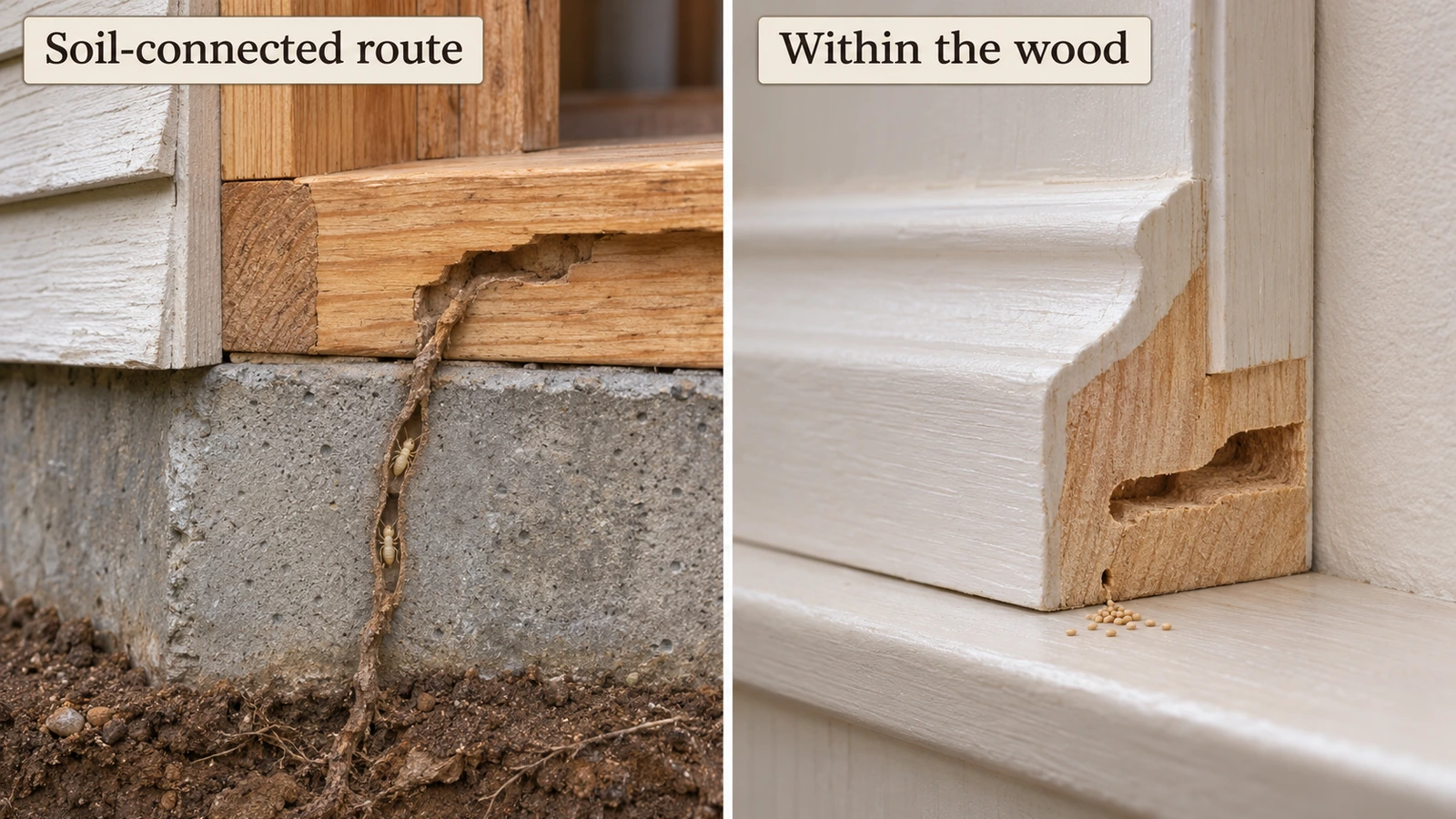
Subterranean termites are widespread across much of the United States. They typically maintain a connection with soil and may build narrow, soil-colored shelter tubes over exposed foundation surfaces to reach wood. Moisture, concealed access and wood close to the ground can make a building more accessible to them. Certain subterranean termites can also maintain aboveground colonies where conditions supply enough moisture, so a visible ground connection is not universal.
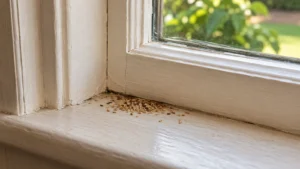
Drywood termites live within wood without needing a soil connection. Some leave tiny, hard fecal pellets that collect below openings in wooden trim, furniture or structural members. Under magnification, characteristic pellets have ridges and a roughly six-sided form. For the evidence and its limits, use the dedicated termite droppings guide, rather than treating every pile of sawdust as frass.
Dampwood termites are associated with wood holding substantial moisture, such as rain-soaked or decaying material. Their presence often points to a water problem worth addressing, but wet or damaged wood is also affected by fungi and other insects. Water damage itself is not termite identification.
The mix of termite groups differs across U.S. regions. Subterranean termites are the broad national concern, while many drywood and dampwood species are more geographically restricted. Formosan subterranean termites are important in some warmer areas, not a default identification everywhere. The three groups above are useful categories, not a way to name an exact species from one photograph.
How to check a suspicious finding safely
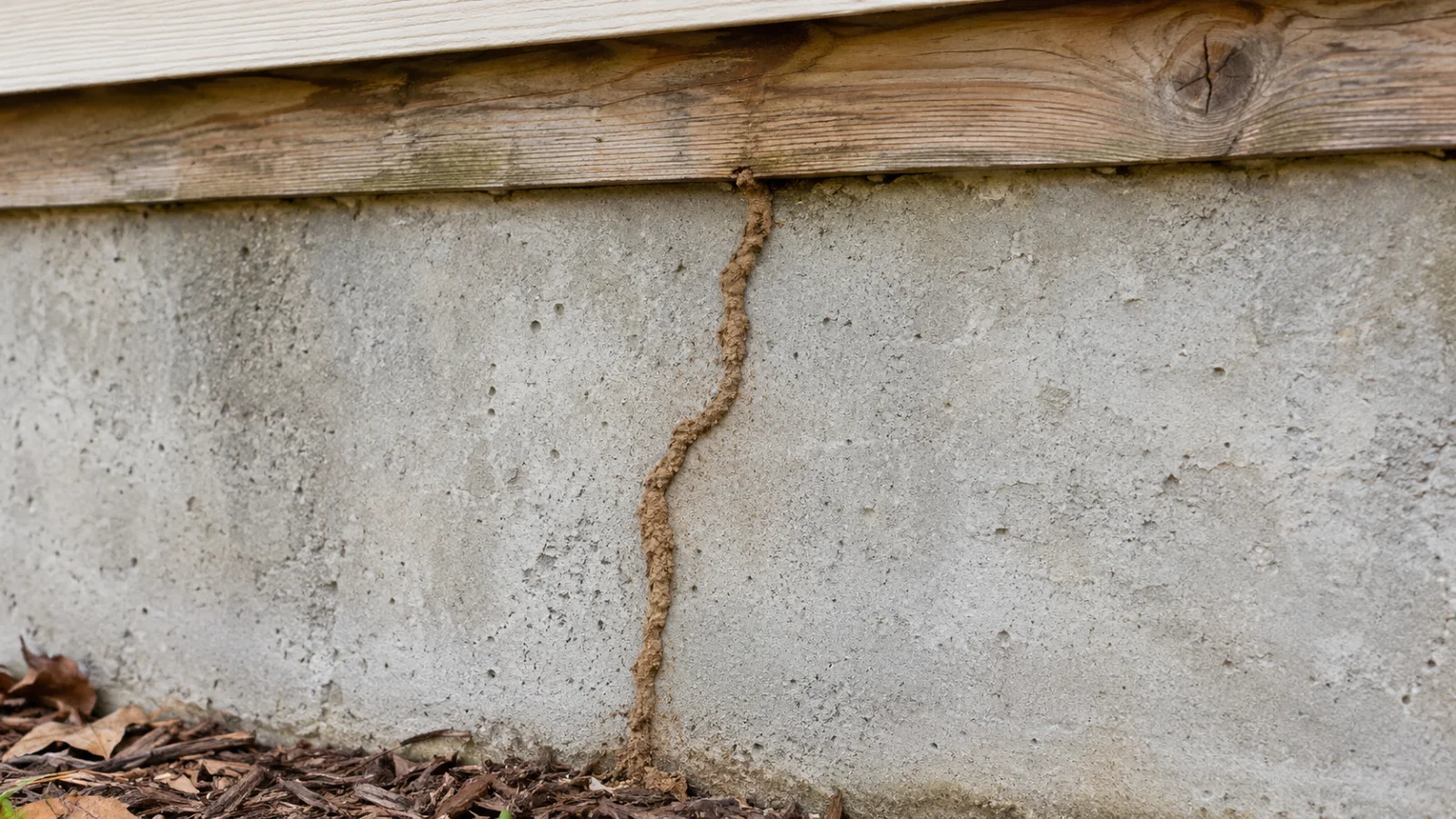
Start at the exact spot where you noticed the clue. A soil-like tube that rises from the ground along masonry deserves different attention than grains collected below a wooden window frame. Wing piles can be useful evidence, but loose wings may have moved from another point before you noticed them.
Focus on surfaces you can reach and see without opening walls or pulling apart structural wood. Look for a relationship between the clue, nearby wood and potential moisture or soil contact. A hollow-sounding board, peeling finish or soft wood can have causes other than termites. For more specific building clues, continue with the signs of termites in your house.
Keep the first check short and evidence-led:
- Photograph the insect, tube, pellets or damaged area in place, then include the surrounding wall or wood in a wider image.
- Note the room, the surface, nearby moisture and whether similar material appears in a second location.
- If an insect or a few pellets can be collected without disturbing the structure, seal a small sample for identification.
- Leave suspect tubes and structural wood intact. Do not drill, pry, spray into gaps or dismantle trim to hunt for a colony.
Practical Tip
Take one close photo and one wider photo showing exactly where the clue sits. A preserved tube, specimen or pellet sample can make the next identification more useful.
Watch For
A swarm outdoors does not automatically mean a colony is inside your house. Indoor emergence, repeated evidence or suspected structural damage is a stronger reason to arrange a qualified assessment.
What to do when termite activity seems likely
A convincing shelter tube on the home, identifiable termite specimens within structural wood, or characteristic pellets associated with a wooden member justify a closer assessment. In those situations, a qualified termite inspection can clarify the insect group, likely source, extent of accessible evidence and whether treatment is needed. One unidentified insect outdoors calls for identification first, not an automatic treatment contract.
Control choices depend on the group and the structure. Soil-connected subterranean activity is addressed differently from an infestation contained in dry wood. Professional approaches may include appropriately labeled soil treatments or bait systems, targeted wood treatments, and other site-specific measures. The separate termite treatment options topic is where those choices belong; this guide is not a pesticide application manual.
Do not treat a household aerosol or a spray labeled only to kill insects on contact as proof of structural protection. Termiticides must be used as their current U.S. labels direct, with any additional state requirements. Before agreeing to work, ask the provider what evidence supports the diagnosis, what areas the proposed service covers and how follow-up will be assessed.
If you are comparing proposals, consult termite treatment cost and quote factors. A meaningful comparison starts with the scope and service terms, not an unsupported national price estimate.
Reduce access and moisture around the home
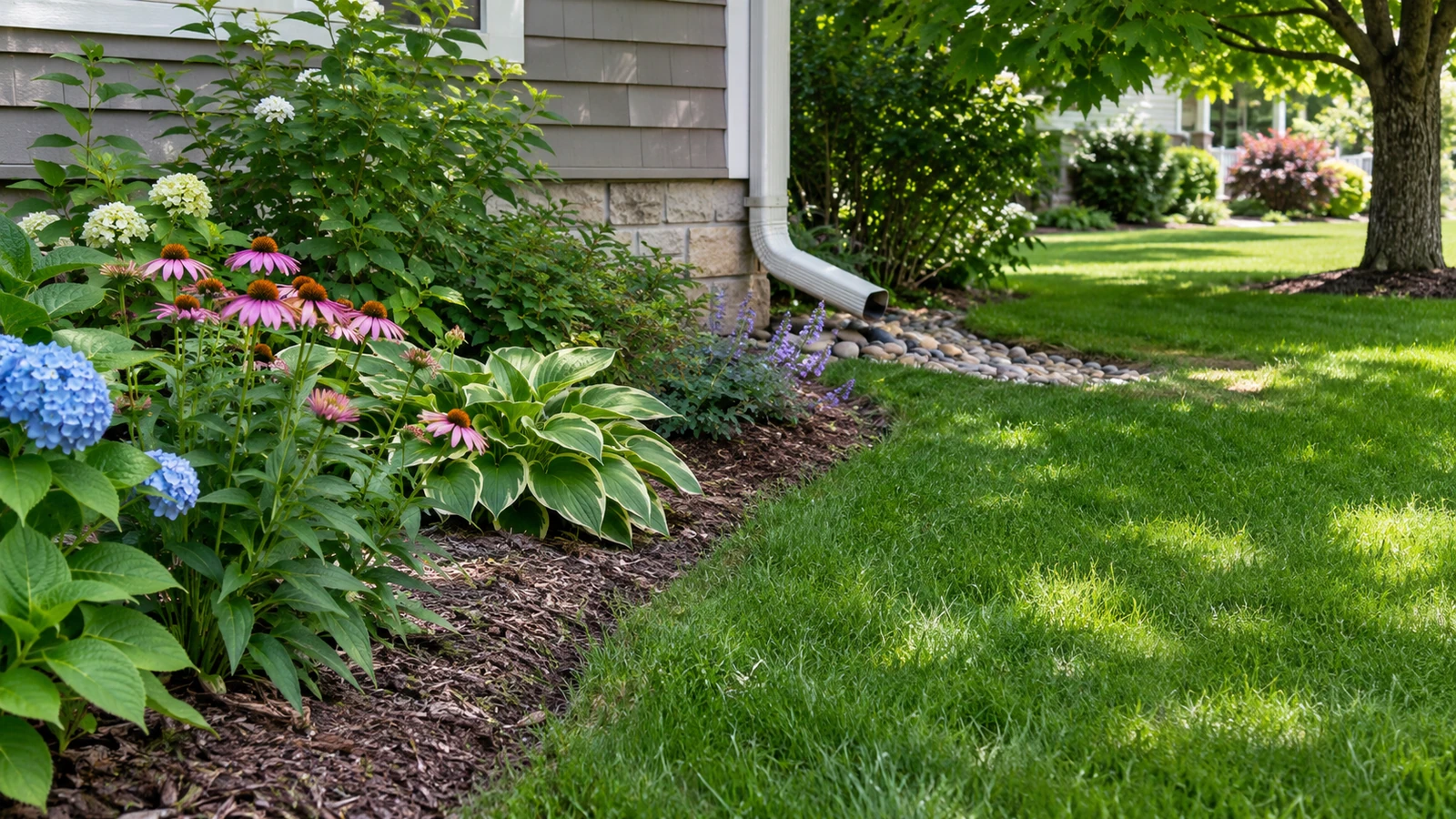
Keep roof drainage and downspouts working so water does not collect against the foundation. Repair leaking plumbing and roof or window leaks promptly. Where practical, keep exposed wooden components from resting directly on soil and maintain access to inspect foundation edges.
Move firewood, scrap lumber and other loose wood away from direct contact with the house. Trim dense vegetation that blocks access to exterior walls and avoid hiding the foundation behind stored materials. These actions make future evidence easier to see while reducing some conditions favorable to termites.
Prevention is not a guarantee that termites cannot enter a building, and repairing a leak does not remove a colony already feeding in wood. If you have an earlier termite treatment or inspection record, keep it available when new signs appear so the next assessment accounts for the building’s history.
Frequently Asked Questions
Can termites affect a house built with concrete or brick?
Yes. Termites do not eat concrete or brick, but they may travel through openings or along surfaces to reach wood framing, trim, flooring or other cellulose-based material. A masonry exterior is not evidence that the wood inside is protected.
Do termites in an outdoor log mean my house is infested?
Not by themselves. Termites help break down dead wood outdoors. Their presence in a stump or log is a reason to reduce wood-to-home contact and keep an eye on accessible foundation areas, not proof of a colony inside the structure.
Explore this topic further:
Termite inspection: What happens and when should you book one?