Guide
Turkestan cockroach: how to identify it and keep it out
Male and female Turkestan cockroaches look strikingly different. Learn how to recognize both, where this outdoor roach is established, and which practical steps limit activity near your home.
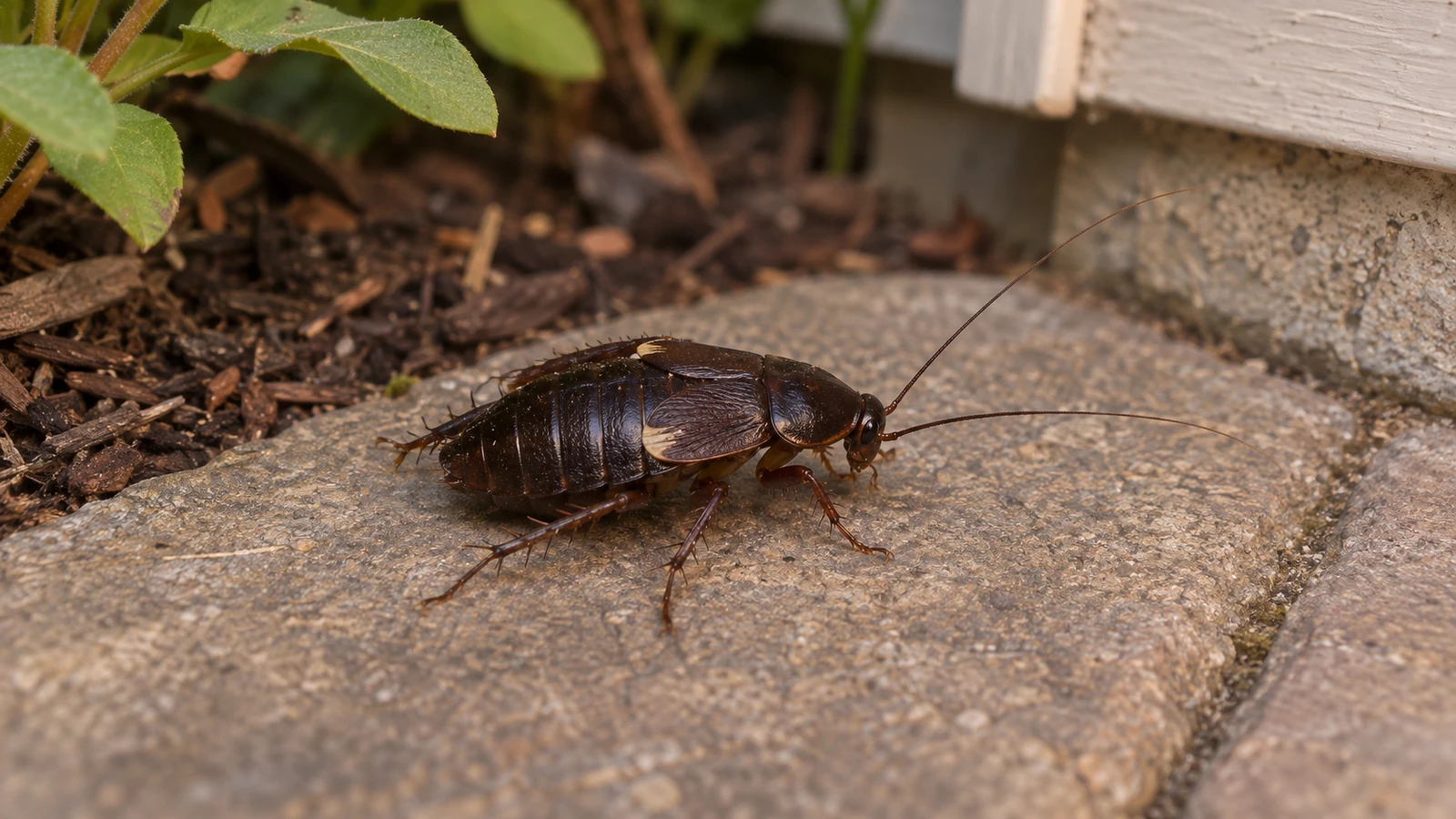
A large dark roach appears beside the patio, then a slimmer tan roach turns up by the door. They may be the same species. Before treating the kitchen, find out what kind of cockroach you are seeing and where it is actually living.
An outdoor species with a regional U.S. footprint
The Turkestan cockroach, widely identified in pest-management references as Blatta lateralis, is primarily an outdoor species. It shelters and breeds in protected spaces around buildings, often near irrigation, soil, and concrete. Adults sometimes wander into homes, garages, or apartments, but this species does not normally establish a breeding population inside a house.
It is especially well documented in the southwestern United States. It is common in parts of California and Arizona and has also become established in western Texas. Its range is expanding, but a suitable climate or an online sighting is not enough to assume the species is common in every state. In an area where it is unusual, a clear specimen or photograph is worth checking with a local Extension or identification service.
Key Takeaways
- Adult males are slender and tan with long wings; females are darker, broader, and have short wing pads with pale edges.
- Young Turkestan cockroaches often show reddish coloring on the head, upper body, and legs, but small nymphs are harder to identify.
- The usual source is outdoors, especially moist crevices, utility boxes, debris, and irrigated landscaping.
- Indoor sightings call for monitoring and exclusion first. Large outdoor populations may justify labeled outdoor baits, not widespread indoor spraying.
How to recognize a Turkestan cockroach
An adult female is about 1 inch long, dark brown to almost black, with a broad body and short, rounded wing pads. Look for cream-colored markings around the edges of those pads and behind the head. These pale markings can be subtle on a worn specimen.
An adult male is usually a little smaller and much lighter. Its yellowish-tan wings extend along or beyond the abdomen, with pale edges. Because the sexes look so different, finding both in one yard can make it seem as though two species are present.
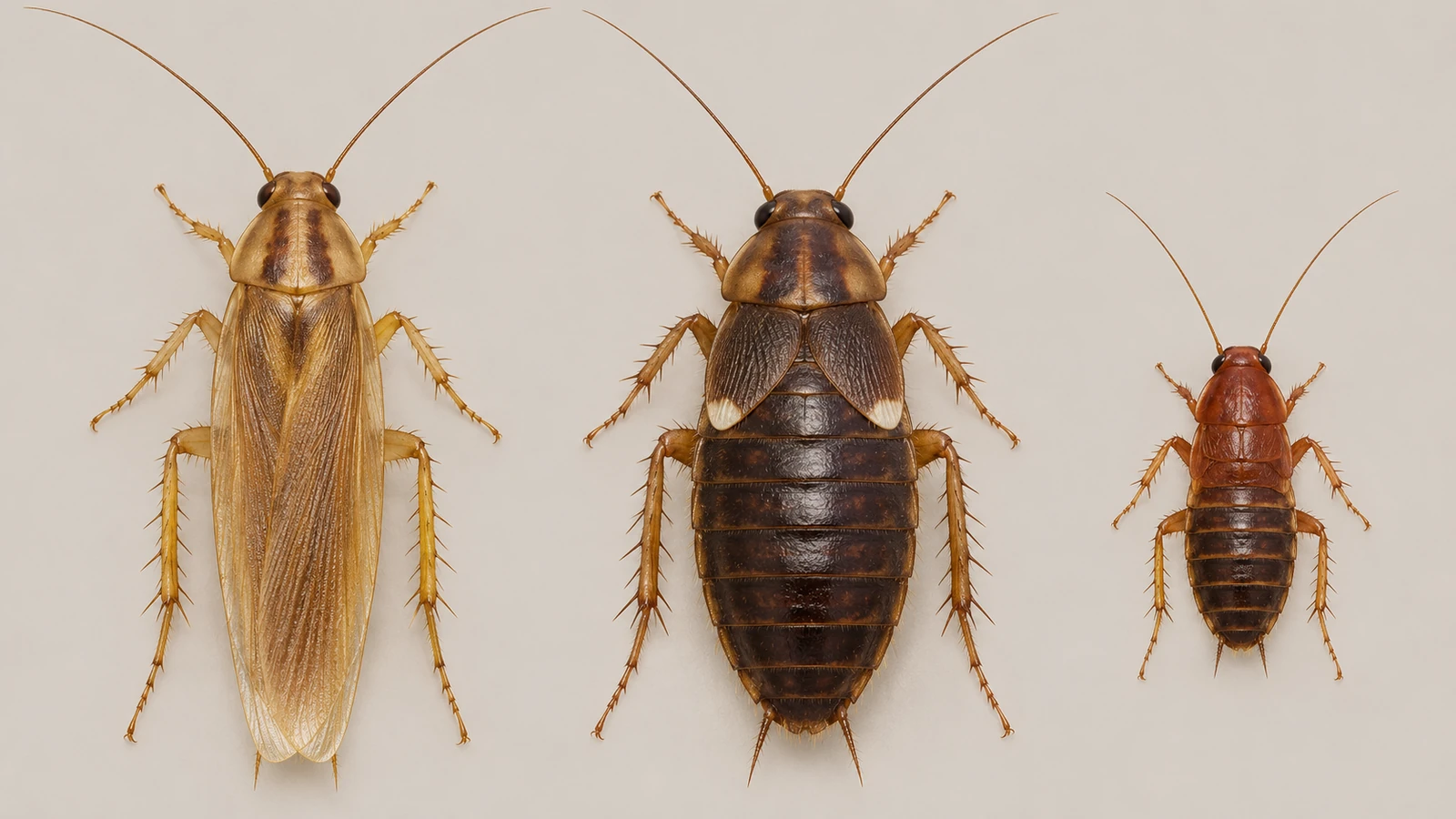
Nymphs have no fully developed wings. Many show reddish-brown coloring on the head, thorax, and legs against a darker abdomen. The youngest stages are especially easy to confuse with other outdoor roaches, so use the location and nearby adult specimens as additional clues.
Look-alikes worth checking
- Oriental cockroach: The adult female is also dark and short-winged, but usually lacks the same pale wing-edge markings. The male Oriental cockroach is dark, with wings that leave part of the abdomen exposed.
- American cockroach: The adult is generally larger, often approaching 2 inches, and reddish brown rather than the male Turkestan cockroach’s more uniform tan.
- German cockroach: A smaller, usually indoor-associated species with two dark lengthwise stripes behind the head. Repeated activity around kitchen appliances needs a different investigation; see German cockroach identification and control.
No single color patch is a perfect identification test. If the specimen does not fit these features, use the broader guide to types of cockroaches in the U.S. before choosing a treatment.
Why Turkestan cockroaches gather around homes
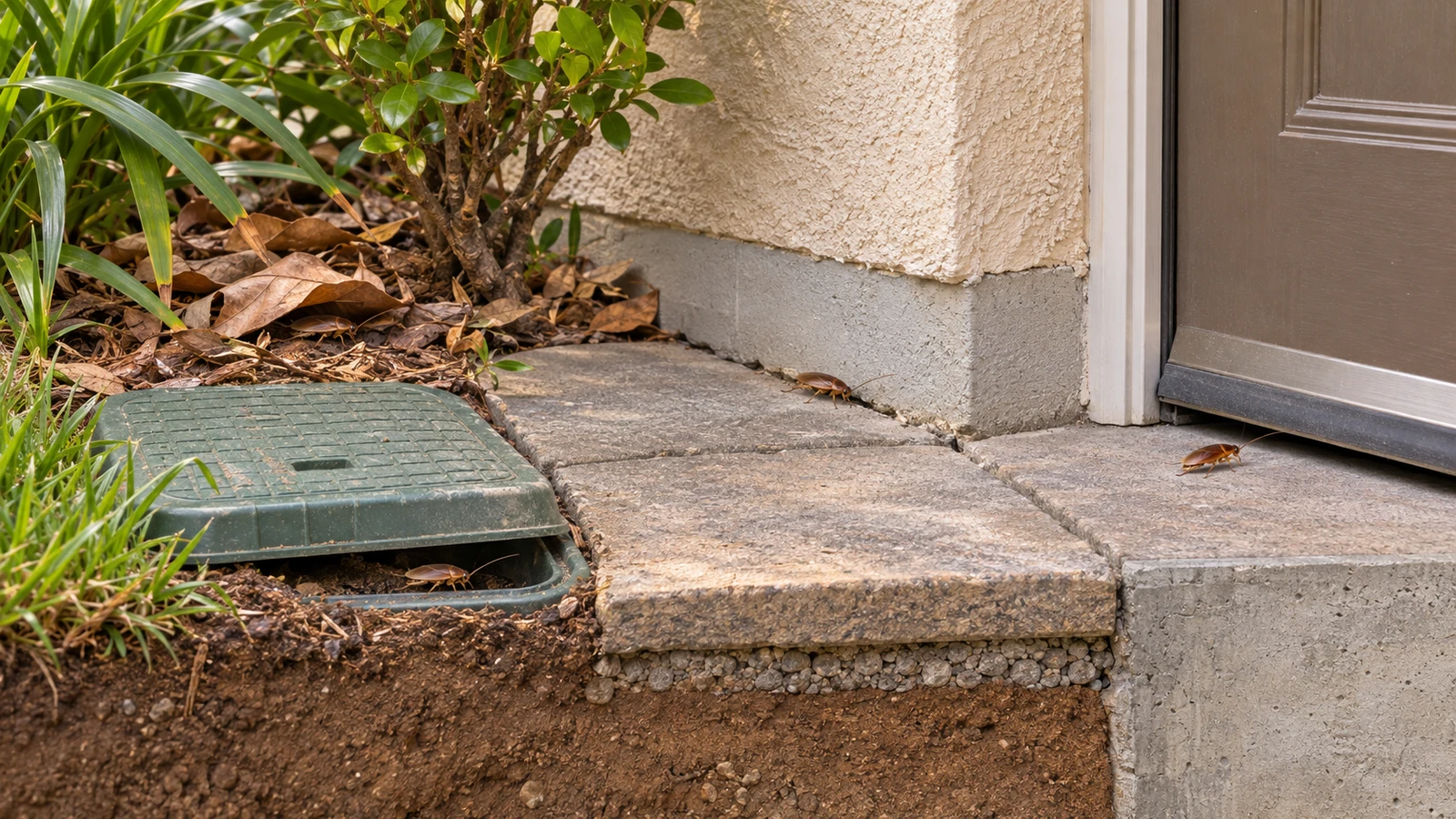
Irrigated landscaping can create exactly the cool, sheltered, moist spaces these roaches favor. They commonly hide in irrigation and water meter boxes, gaps in concrete or block walls, under planters, and among leaf litter, wood, or other debris. Outdoor drains and sewer systems can also support populations. They usually leave those shelters to forage at night.
The size of the outdoor population matters more than a single indoor sighting. When many roaches are active near a patio, garage, or shared walkway, some may find gaps beneath doors, around window frames, or where pipes enter the building. Winged males can also appear around exterior lights on warm nights.
Trash residue, outdoor pet food, leaks, frequent excess watering, and dense clutter give a local population more resources. Treating a visible roach without addressing those conditions leaves the outdoor source in place.
Find the source before choosing a treatment

Start with accessible outdoor areas close to where you see the roaches. On an active evening, look along the edges of patios, exterior walls, garden beds, and pavement cracks. Observe utility boxes from outside rather than opening electrical equipment or entering drains.
Place sticky cockroach monitors just inside the exterior doors where visitors appear. If you suspect indoor activity elsewhere, add a monitor near a likely sheltered area, such as beneath the kitchen sink. Note the locations and compare captures over time. Traps help identify a pattern; they are not, by themselves, a full treatment.
What the pattern suggests
- Mostly at doors or in the garage: Outdoor visitors and gaps at the building perimeter are the first things to investigate.
- Many roaches outside near wet landscaping: Check irrigation leaks, debris, and hiding spaces before considering insecticide.
- Repeated captures deep inside a kitchen, especially small roaches: Recheck the species. Do not assume every indoor cockroach is a Turkestan cockroach.
If possible, retain an intact specimen or a sharp image showing the back, wing length, and head area. A badly crushed insect or an unclear phone photo can hide the markings that matter most.
Practical Tip
Date a sticky monitor placed beside the problem doorway. Compare catches after you fix its seal; the trend is more useful than counting one roach on one night.
Watch For
Small roaches repeatedly appearing around appliances or food-storage cabinets deserve a fresh species check, even if Turkestan roaches are active outdoors.
Control starts outside, where the roaches live
First reduce the conditions that let outdoor populations build up. Repair leaking irrigation or plumbing, avoid excess watering against the foundation, remove leaf litter and stored clutter from the building edge, and keep outdoor trash tightly covered. Clean residues around bins and bring pet food inside overnight.
When significant activity continues in known outdoor hiding areas, cockroach bait stations or bait formulations labeled for the specific outdoor use can help. Place them only where the current product label permits, protect children and pets from access, and keep the product away from runoff routes and water systems. The right location is a documented roach hot spot, not an arbitrary line of pesticide around the entire home.

What to avoid
Indoor foggers and routine indoor aerosol spraying will not remove a population breeding outdoors. They add exposure without fixing the source. Do not apply pesticides to public storm drains, sewer lines, or municipal utility structures. If roaches appear to be coming from public infrastructure, contact the responsible local agency instead of attempting to treat it yourself.
Baits are not an overnight fix. A noticeable reduction in outdoor activity can take a week or longer; continue observing the same locations while improving sanitation and sealing entry points.
A licensed pest control professional becomes useful when outdoor numbers remain very high despite reasonable measures, the main harborage cannot be safely accessed, or the species and source remain unresolved. A single roach by a patio door usually does not warrant a full indoor treatment.
Essential Steps
- Identify the specimen and note whether sightings cluster indoors or around exterior doors.
- Look for accessible outdoor hot spots, moisture, food residue, and debris.
- Fix leaks and shelter conditions, then seal the building’s entry gaps.
- Use sticky monitors to compare activity at consistent locations.
- If outdoor numbers remain high, consider appropriately labeled bait or targeted professional help.
Keep future visitors outside
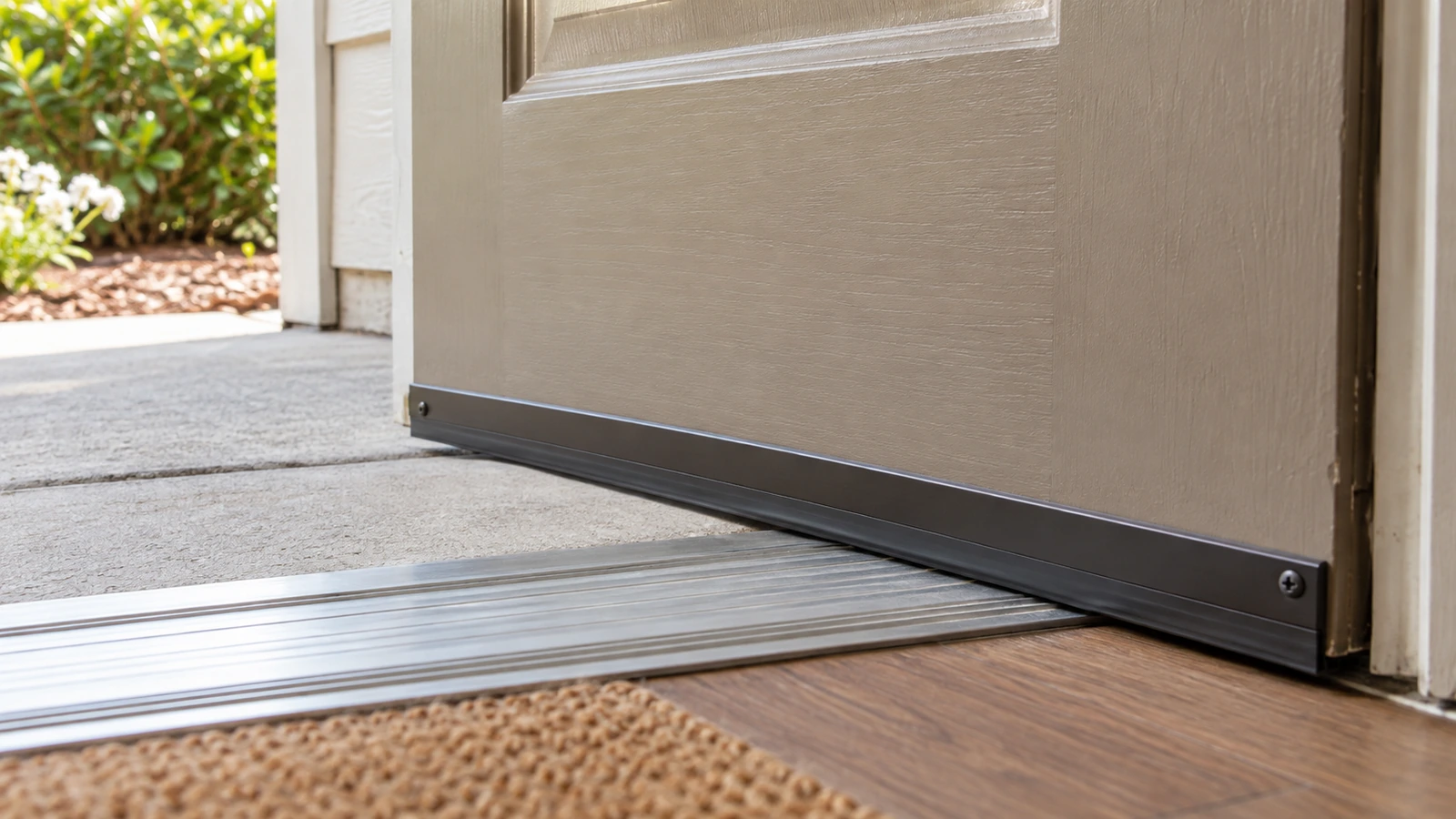
A properly fitted door sweep can close the gap beneath a patio or garage-access door. Repair weather stripping, fit window screens, and seal cracks around pipe penetrations and other exterior openings. Check that an exterior door actually closes against its seal rather than assuming the sweep works because it is installed.
Keep irrigation water from lingering against walls, reduce dense vegetation at the foundation, and avoid accumulating damp material beside entrances. Maintain water in the traps of seldom-used floor drains where applicable. These changes make both outdoor shelter and indoor access less favorable.
After making improvements, leave the same monitors in place long enough to compare the pattern. Fewer captures at entry points and less nighttime activity near the original outdoor hot spots are meaningful signs of progress.
Frequently Asked Questions
Can Turkestan cockroaches fly?
Males have full-length wings and can fly or glide; females have short wing pads and cannot fly. A winged roach near an outdoor light is not enough for identification without checking its markings and size.
Does a Turkestan cockroach in the bathroom mean it came up the drain?
Not necessarily. This species can inhabit sewer-related environments, but it can also enter through a door or an opening around plumbing. Check accessible gaps and make sure an infrequently used floor drain has water in its trap. Never pour insecticide into a drain to test the theory.
Explore this topic further: