How-To
How to get rid of wasps around your home safely
Learn what to do when wasps enter your house or gather outside, which simple changes can help, and when suspected nest activity calls for professional help.
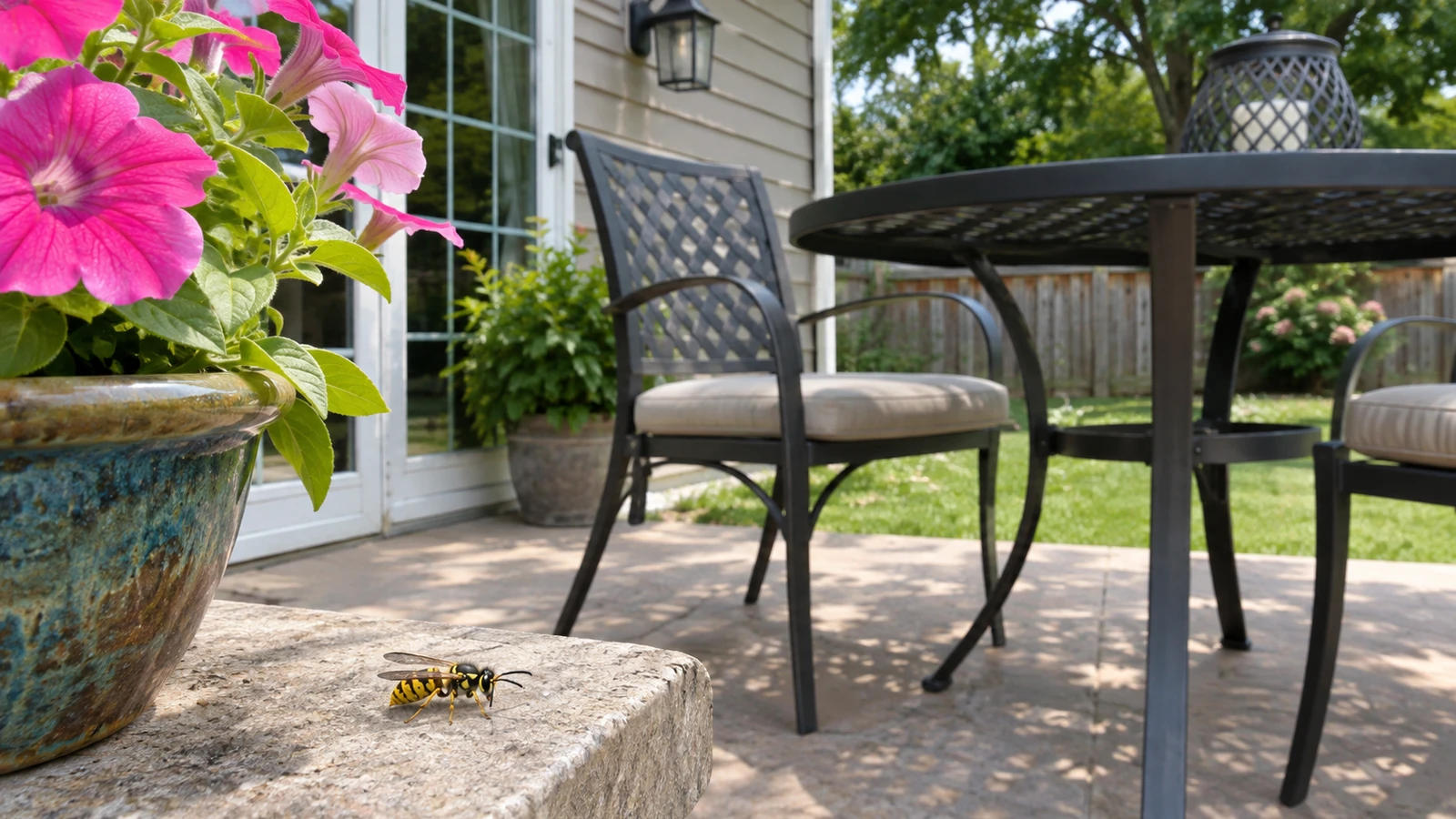
A wasp circling your patio needs a different response from several wasps disappearing into a gap in your siding. In the first case, you may only need to put away food and let the insect move on. In the second, there could be a colony inside the wall.
Start by working out whether the wasps are passing through, visiting a food source or repeatedly using the same opening. That distinction tells you which changes you can make safely and when to leave the area alone.
- Difficulty: Easy for routine food cleanup and screen maintenance in areas without suspected nest activity.
- Equipment: Covered food containers, a trash can with a tight-fitting lid, and screen repair materials if needed.
Work out why wasps are visiting before you act
Watch from a protected location, such as inside a closed window. A wasp visiting flowers or moving between different parts of the yard may simply be looking for food. Many solitary wasps hunt other insects and rarely sting unless handled. There is usually no reason to remove them from an area where they are not causing a problem.
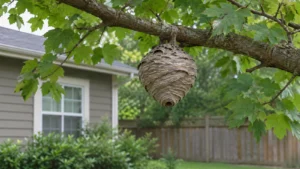
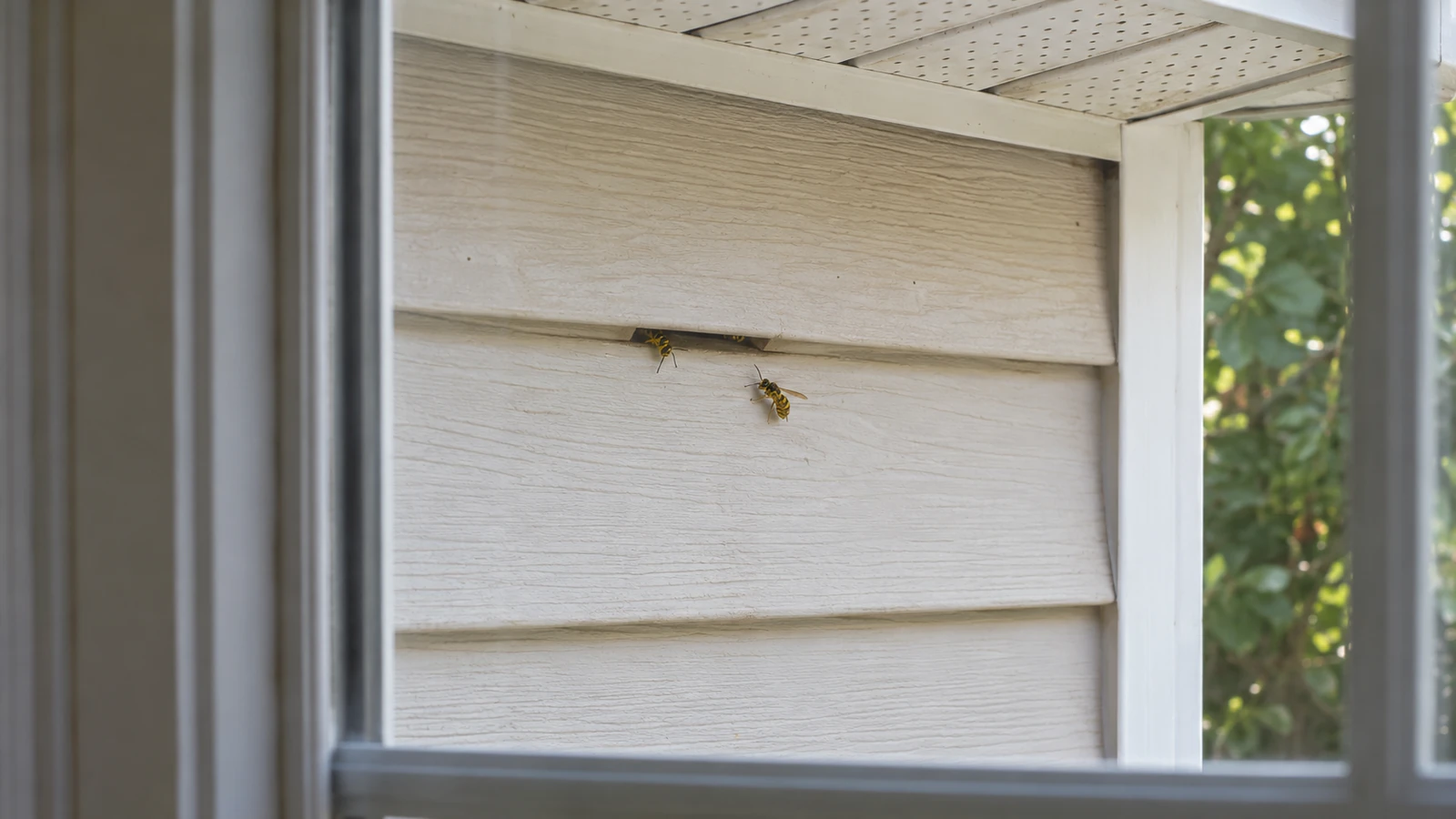
Social wasps, including yellowjackets and hornets, defend their colonies. Several insects repeatedly arriving at and leaving the same spot under an eave, in siding or in the ground suggest a nest. You may never see the nest itself. Our guide to the different types of wasps and hornets can help you understand which insects you are encountering.
Keep children and pets away from any suspected nest area. Do not follow the insects, search through shrubs or climb a ladder to get a better look.
Before You Start
If several wasps are attacking you, move quickly into a building or other enclosed shelter. After a sting, trouble breathing, swelling of the mouth or throat, or faintness requires emergency help. Call 911 and use prescribed epinephrine if available.
Take the right steps indoors and outside
For an isolated wasp, give it space rather than trying to catch or strike it. When recurring activity suggests a nest, stop the household measures described below in that area. You can still reduce unrelated attractants and prevent accidental entry elsewhere.

1. Let an isolated wasp leave the house
If a single wasp is inside, move children and pets to another room. When you can do so without getting close to the insect or suspected nest activity, close the interior door and open a window or door leading directly outdoors. Leave the room and give the insect a chance to find the exit.
A wasp that keeps flying against a closed pane may be attracted to the light rather than trying to enter through that window. If you cannot open a safe exit without approaching it, keep the room isolated and get help. Avoid swatting at the insect or spraying an aerosol around the room.
2. Remove food and waste that attract wasps outside
Yellowjackets in particular may gather around sweet drinks, ripe fruit, meat and discarded food. If the insects are feeding at an outdoor table, give them time to leave before you clear the area. Keep food covered until it is time to eat, then take leftovers inside.
Empty outdoor trash and recycling regularly, keep lids closed, and rinse sticky beverage containers before putting them in the recycling bin. Bring pet food indoors when it is not being used. Pick up fallen fruit in areas that are safe to access.
These changes are especially useful when the wasps come and go with meals or gather around a trash can. If they are using a nearby nest entrance, do not move or clean anything close to that entrance.
3. Close ordinary entry gaps
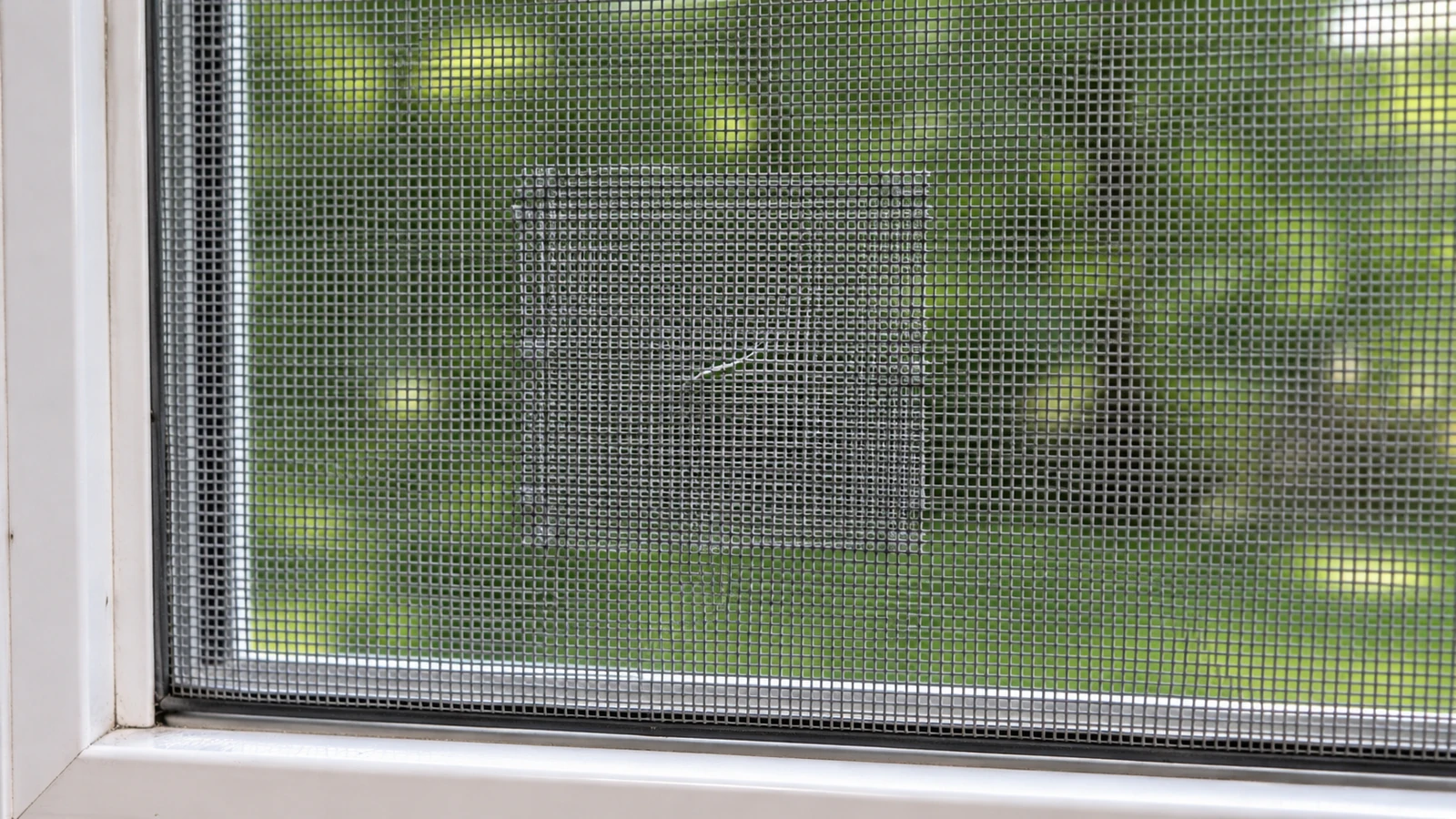
Check the condition of window screens, the screen door and the weatherstripping around exterior doors. Repair torn mesh and replace worn seals where you can work safely and there are no indications of nesting.
If wasps regularly enter the house despite closed windows, the problem may involve a concealed passage or a nest inside the structure. Do not seal an opening that wasps are using as a nest entrance. Blocking their usual route can redirect them into the living space.
What to watch for while making these changes
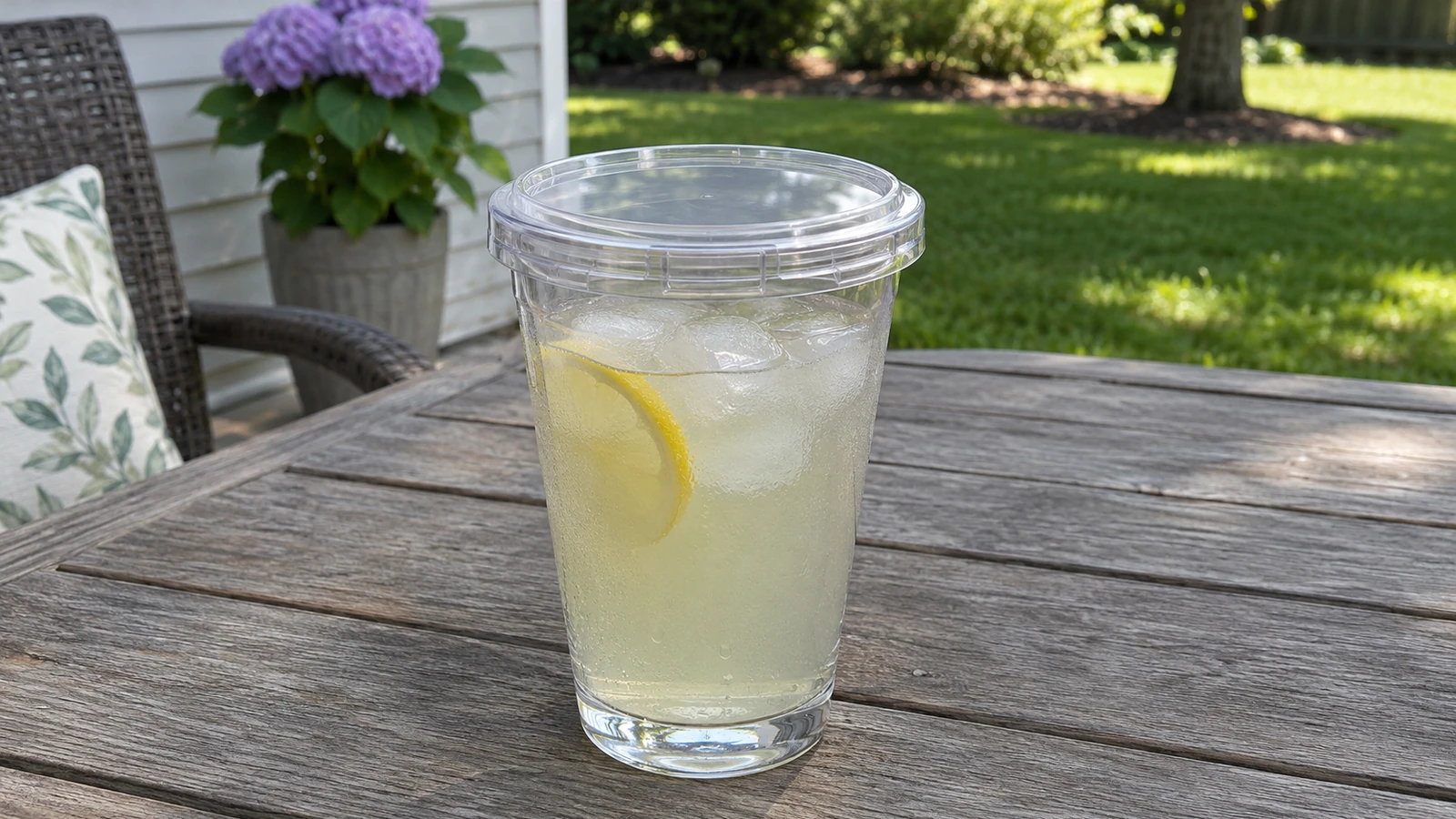
An open soda can or an opaque drinking bottle can hide a wasp that has crawled inside. Keep drinks covered when you are outside and look at the opening before taking a sip. If you see wasps gathering around drinks or food, move the meal indoors rather than trying to chase the insects away.
Be especially careful with yard work. Repeated flights near a hole in the lawn or under a shrub are a reason to keep the mower, string trimmer and other equipment away from that location. A disturbance can provoke multiple stings even if the nest is underground and out of sight.
Do not use a hose, smoke, fire or household chemicals to drive insects out of a suspected nest. The goal is to reduce exposure, not to force the colony to move.
Check whether the problem is improving
After removing food attractants or repairing an ordinary screen, observe the area from the same safe location. Are fewer wasps visiting the patio? Are isolated insects no longer appearing indoors? These are useful signs that the changes are addressing the immediate problem.
Pay attention to patterns rather than simply counting insects. Wasps repeatedly entering and leaving a particular gap in the building are a different concern from occasional visitors to flowering plants. If you can see this activity from indoors, note the location without going outside to investigate it.
Fewer wasps at a picnic table is a good result, even if some still visit the yard. A quiet period around a suspected nest does not establish that the nest is inactive.
If wasps keep coming back
If they return whenever food is served, look for less obvious attractants such as spilled drinks, sticky recycling containers or fruit beneath a tree. Address these only when the area is safe. If you are considering a trap for foraging wasps, our guide to choosing a wasp trap explains what different designs can and cannot accomplish.
If wasps keep appearing at the same indoor window, note which room they are in and whether the windows were closed. An insect can end up at the glass after entering somewhere else. Repeated indoor sightings can also result from a hidden nest or from wasps emerging from sheltered overwintering locations, depending on the species and season.
When Should You Call a Professional?
Arrange a professional assessment if wasps repeatedly enter a wall, roof opening or ground hole near a door, walkway, play area or other place you cannot safely avoid. Repeated insects indoors with no obvious accidental entry point also justify an assessment, particularly if you see signs of activity in the structure.
People with a known serious sting allergy should not attempt to deal with suspected nest activity themselves. If you rent, notify the landlord or property manager and explain where you have seen the activity. Keep the affected area out of use until it can be assessed.
Keep wasps away as part of your normal routine
Check screens and exterior door seals as part of routine home maintenance, and keep food waste and fallen fruit under control. If a professional has dealt with a nest inside a building, ask when it is safe to repair the entrance and prevent future access.
You do not need a wasp-free yard. Occasional visitors away from the places where people eat, enter the house or spend time can usually be left alone. When the location makes avoiding a nest impractical, the priority is to make that space safe again.
Explore this topic further:
Wasp nest removal: When to hire a professional and what it costs