Explanation
Termite inspection cost: what you may pay and what the fee covers
Termite inspections may be free or separately billed. Understand published U.S. cost estimates, report fees, property factors, and what to check before comparing quotes.

You might be scheduling a termite inspection because you noticed suspicious wood damage, or because you are buying a house and need a report before closing. Those two requests can sound identical over the phone but lead to different services and fees.
The price matters, but so does the result you receive. Before comparing quotes, separate a visit to assess a possible termite problem from a formal written inspection report and from any later treatment proposal.
Quick Answer
A first termite assessment may be free when a pest-control company is preparing a treatment quote. For paid residential inspections, a broad indicative price range is about $75 to $325. This is a broad planning reference, not a fixed national price. Your actual fee depends on the property’s access, the inspection purpose, and the written documentation required.
Why one termite inspection is free and another has a fee
Some termite-control companies offer an initial visit at no charge. The inspector assesses the property, looks for visible evidence, and may discuss whether further work or treatment is needed. A free visit can be useful, but the offer alone tells you little about the depth of the inspection or the paperwork provided.
A paid appointment may be an inspection-only service or a visit that includes a written wood-destroying insect report for a sale, loan, or other specific purpose. The deliverable is part of what you are paying for, not merely the time someone spends at the property.
The important distinction is what is included at the end: a conversation about findings, a general service summary, or a formal report with the required form and signatures. An inspection fee should also be kept separate from any proposed termite treatment, monitoring contract, or repair work.
If active termites are confirmed, a provider may offer a separate plan. The costs of that work depend on the treatment being proposed and belong in a different comparison. See termite treatment costs for that separate decision.
What actually changes the price

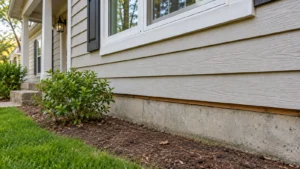
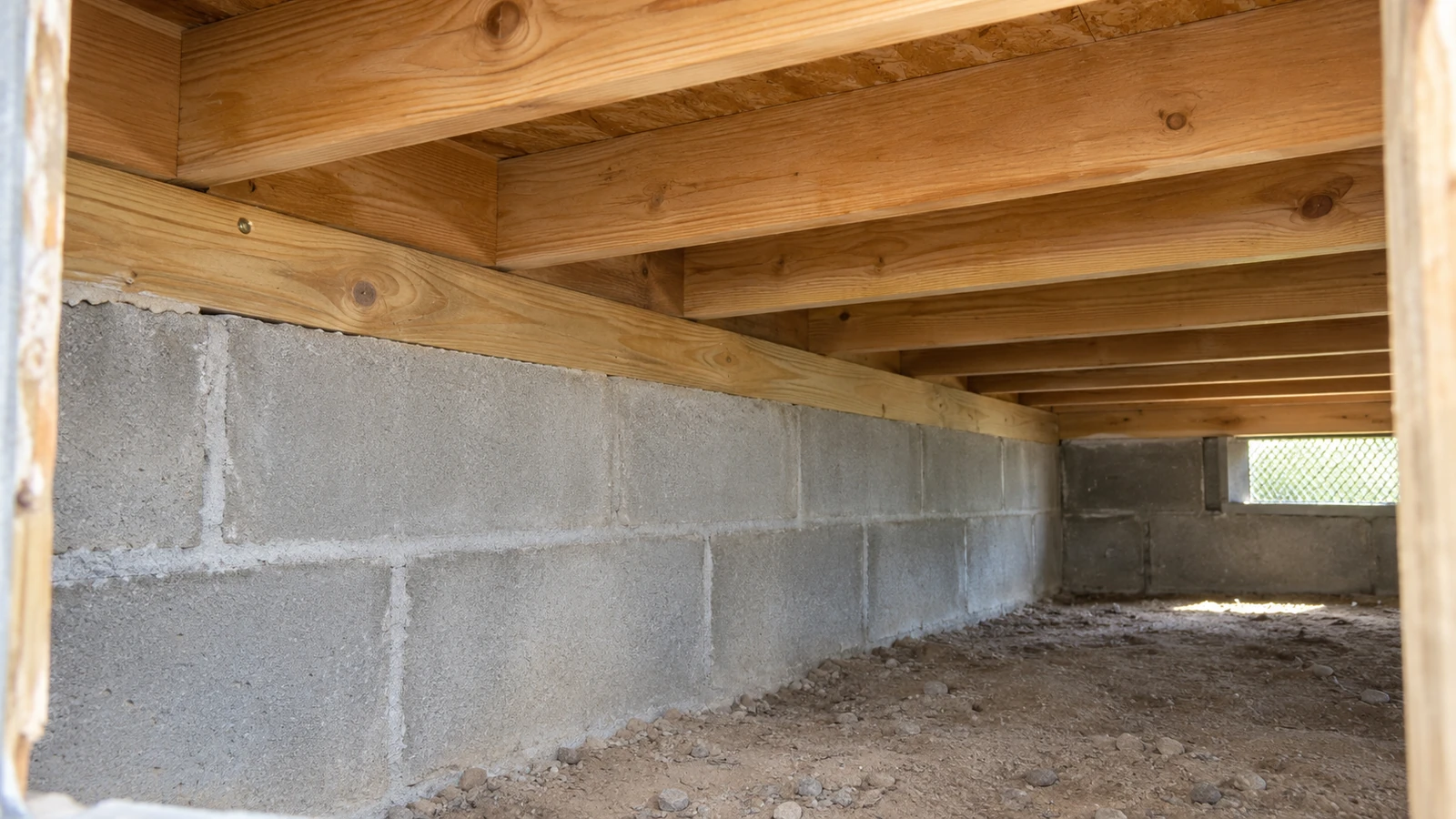
The size of the property matters, but total square footage is only part of the explanation. A home with an accessible slab perimeter is a different inspection job from one with a tight crawlspace, multiple additions, stored materials blocking access, or detached structures that the customer wants covered.
Purpose also matters. A homeowner seeking a first opinion about a suspicious spot may need a different scope from a buyer who must provide a wood-destroying insect or organism report. The report’s format, applicable state rules, qualifications required of the inspector, and any lender instructions can affect the service and its fee.
Other quote differences worth clarifying include how much of the property is covered, whether photographs and a written findings report are included, whether an additional visit would cost extra, and whether the requested turnaround time changes the price.
For a home sale, confirm the required form with the lender or other party requesting it before booking. An NPMA-33 wood-destroying insect report may be used for certain transactions, while some states require their own documentation. A report needed for a particular transaction should not be assumed to come with an ordinary free consultation.
Good to Know
A free initial termite visit does not automatically include a formal report suitable for a real-estate transaction. Ask what documentation you will receive even if no termites are found.
What makes an inspection quote worth comparing
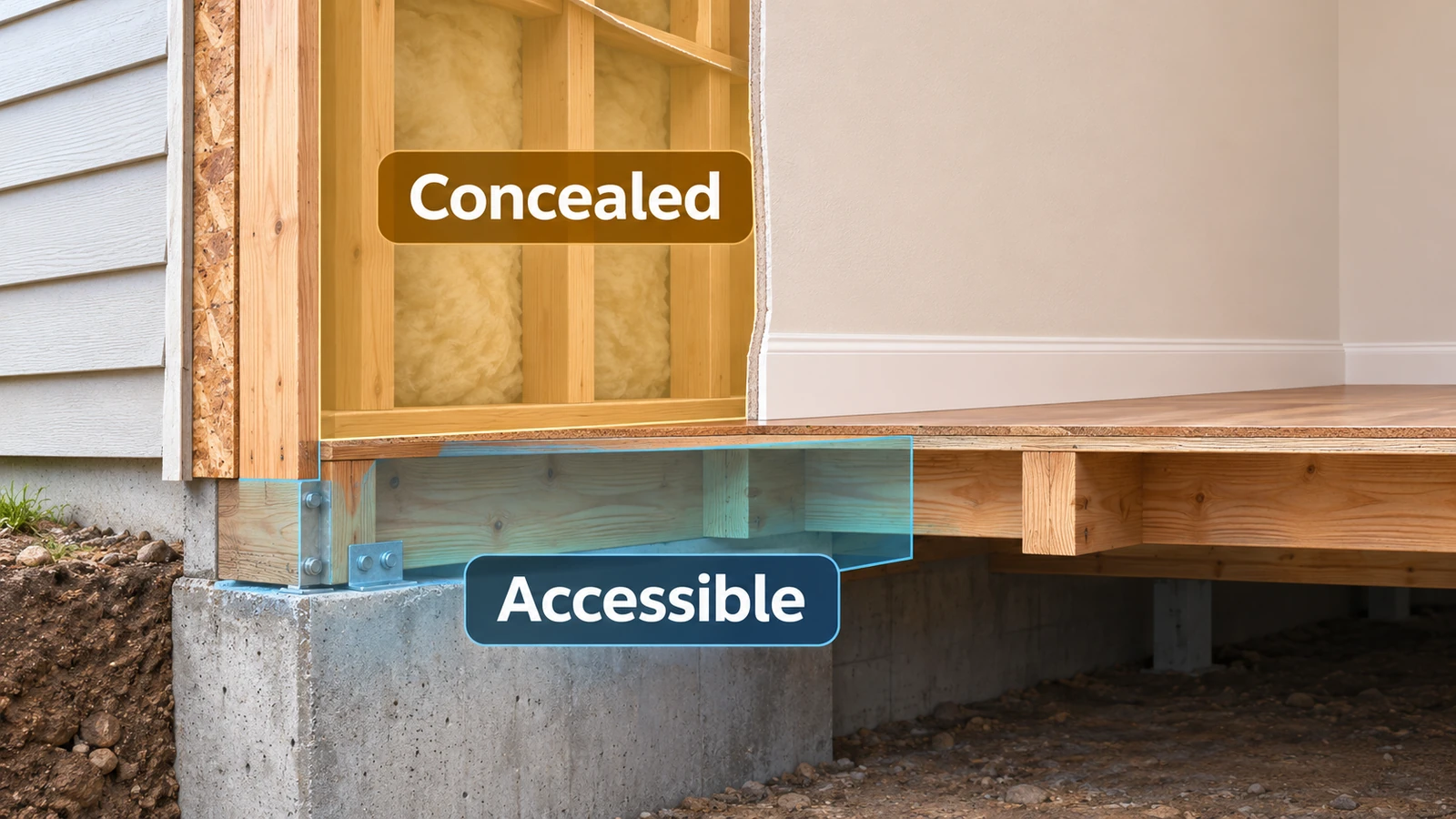
An inexpensive quote is only useful when you know which structures and areas are covered. The written terms should make it clear whether the main home is included throughout its accessible interior and exterior, and whether a garage, detached building, attic, or crawlspace falls within the stated scope.
Check the deliverable as carefully as the price. A useful inspection report identifies the structure inspected, the inspection date, visible findings, and areas that could not be accessed. Findings may describe observed evidence or visible damage; they should not be mistaken for a guarantee that nothing is hidden behind finished surfaces.
Before accepting a quote, compare these points on the same basis:
- Purpose: Is the visit a homeowner assessment, a formal real-estate inspection, or a follow-up on a previous finding?
- Coverage: Which structures and accessible spaces are included, and which are excluded?
- Documentation: Will you receive a signed written report, and is it the form the requesting party accepts?
- Total inspection fee: Are reporting, travel, any return visit, and additional documentation included or separately billed?
- Commercial terms: Is a treatment proposal separate, and does the company apply any inspection fee to later services?
If the inspector identifies a concern, first look at the finding itself and the limits of the inspection. An offer to treat the property is a separate commercial decision. You can request clarification or another qualified opinion before committing to substantial work.
What to Watch For
A termite inspection report is not a structural engineering assessment or a warranty against concealed infestation. Where visible damage is substantial, a separate qualified building or structural evaluation may be needed to understand the extent of repairs.
The fee depends on what you are actually buying
Two appointments described simply as a “termite inspection” can have different prices because their deliverables differ. This comparison helps you ask for the right quote:
| Service described | What you may receive | Question to ask before booking |
|---|---|---|
| Free initial assessment | A check for visible termite concerns and possibly a treatment estimate | Is a written findings report included even if I decline treatment? |
| Paid residential inspection | An agreed inspection of accessible areas, potentially with written findings | Which parts of the property and which report are included in the fee? |
| Real-estate WDI/WDO documentation | A specified written form for the transaction, subject to applicable requirements | Will the report satisfy the requesting lender or transaction party? |
| Treatment or protection proposal | A separate plan for control, monitoring, or follow-up service | Is this charge independent of the inspection fee, and what are the contract terms? |
↔ Scroll horizontally to see all table columns.
For a home purchase, the party who pays the inspection fee is determined by the agreement and applicable local practice, not by a universal U.S. rule. If a transaction is involved, also ask how recent the report must be for the party requiring it.
If your concern is signs of possible termite activity rather than a sale, start with the signs of termites in a house to decide which observations merit a professional look. The value of an inspection is its documented scope and findings, not just a low headline price.
Explore this topic further: