How-To
How to Get Rid of House Flies: Remove the Source and Keep Them Out
Control recurring house flies by checking waste and entry routes, removing breeding material, and monitoring new adults. Traps can help, but source removal comes first.
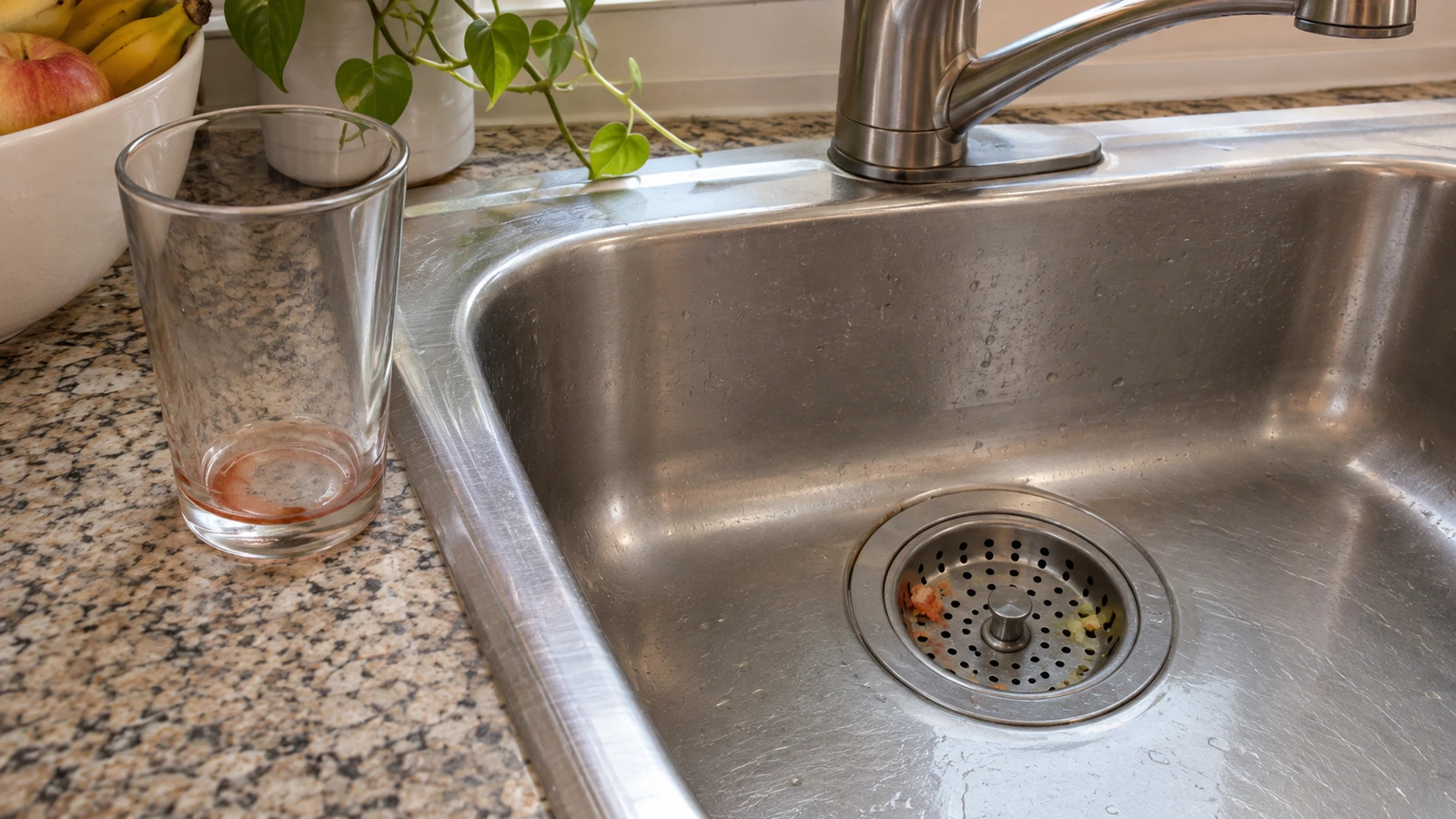
You swat two flies in the kitchen, then find several more on the window the next morning. Killing the ones you can see helps, but it does not reveal whether new flies are entering through a gap or developing in damp waste nearby.
House fly control works best as a sequence: check the insect, remove suitable breeding material, block entry points, and deal with the adults already inside. You do not need to spray every room or treat every drain.
- Difficulty: Straightforward when waste and entry points are accessible; a hidden source takes more investigation.
- Equipment: Trash bags, a lidded trash can, household soap and a brush, a flashlight, and screen repair supplies if needed. Flypaper is optional.
First, check that you are dealing with house flies
A common house fly is a sturdy gray fly, roughly 1/4 inch long, with four dark stripes along the top of its thorax. Those features are useful clues, not a species diagnosis from a quick glance. If the flies do not fit, a closer house fly identification is worth seeking before choosing a control method.
Tiny flies around fermenting produce may be fruit flies. Small, fuzzy flies concentrated near plumbing may need the drain fly control guide. Delicate dark flies emerging from potting mix call for fungus gnat identification. Their sources and treatments are different.
For likely house flies, note when they appear. A few adults after the back door is opened suggest entry from outdoors. Repeated flies around a dirty trash container or animal waste give you a reason to inspect that material. Flies collecting on a sunny window may simply be resting or trying to leave; the window is not automatically where they bred.
Before You Start
Cover exposed food and clear food preparation surfaces before dealing with flies or dirty waste. Wear gloves when handling contaminated material, wash your hands afterward, and keep traps beyond the reach of children and pets. Do not use an insecticide as a substitute for locating the source or pour a fly product into drains without an applicable label.
Remove breeding material, block entry, and catch the adults
Start where damp, decaying material could support fly larvae. House flies can develop in suitable garbage and animal waste, but many adults found indoors actually entered from outside. Check the material and the openings before assuming the kitchen itself contains a breeding site.
Work from source removal to exclusion, then tackle the remaining adults. A trap can make a room more comfortable, but it cannot clean a trash bin or repair a torn screen.
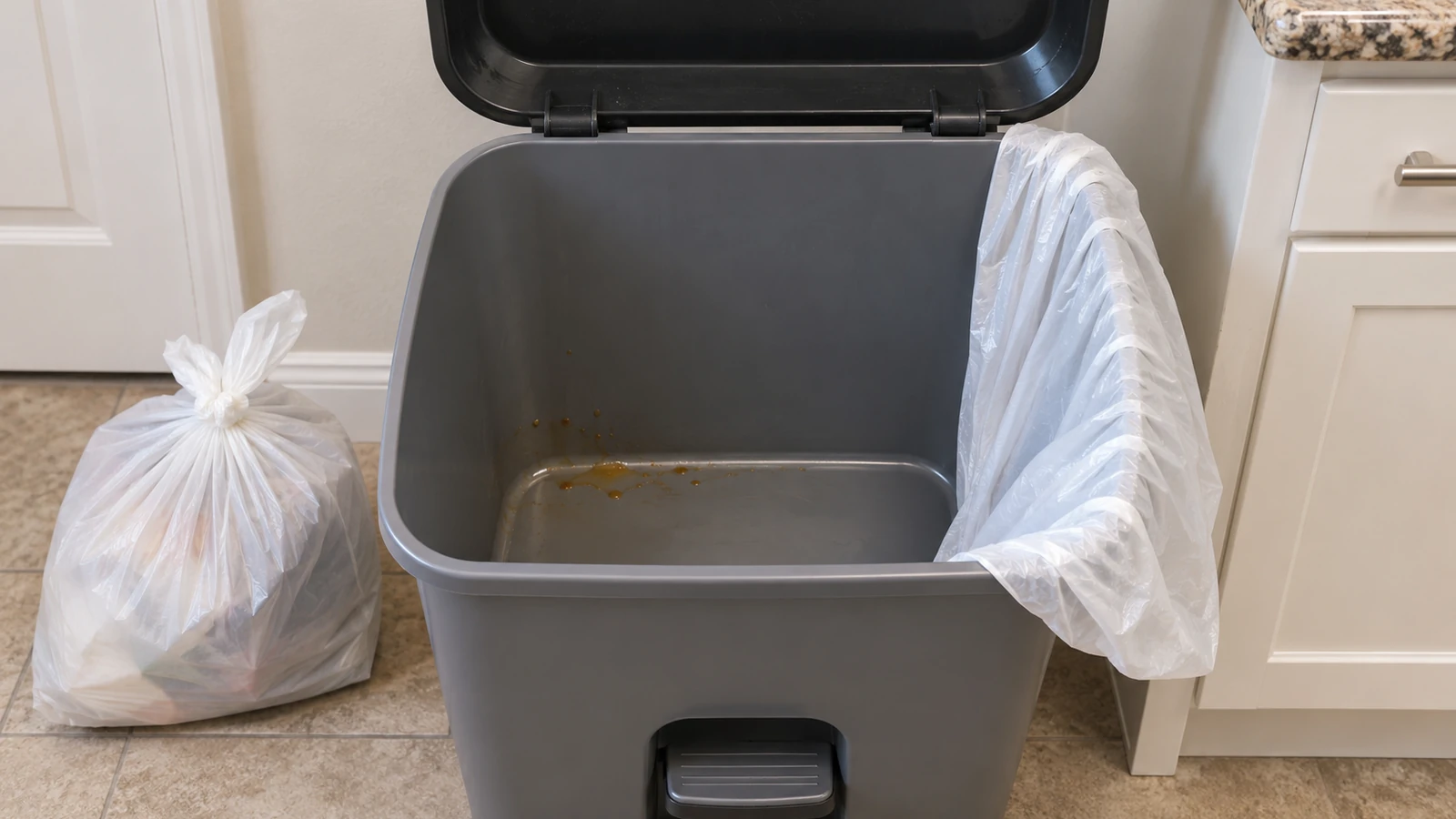
Step 1: Empty and clean the waste that could be producing flies
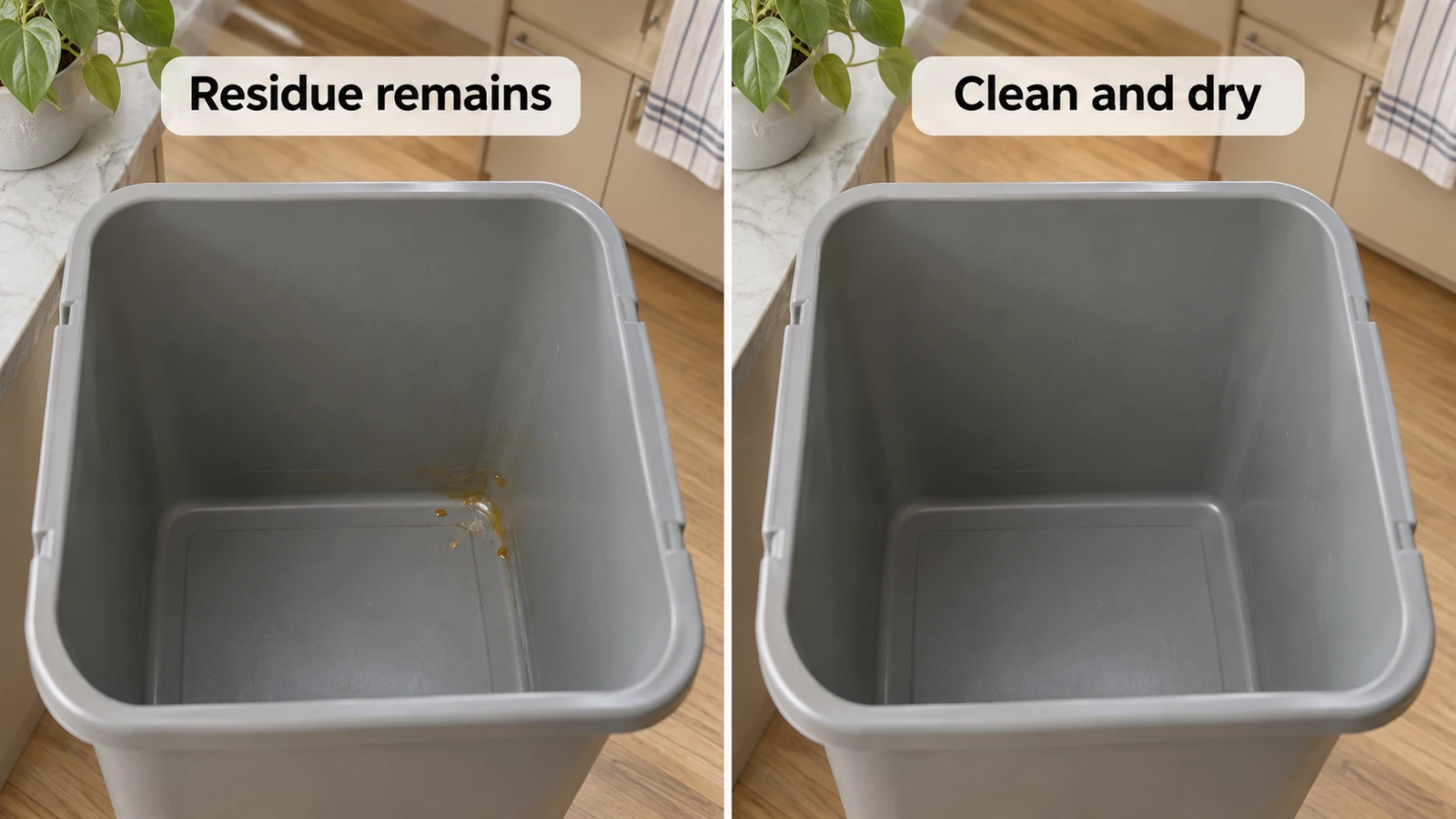
Check kitchen trash, the underside of the bin lid, residue beneath a liner, stored food scraps, and accessible outdoor garbage containers. Remove wet or decaying waste in a closed bag. Wash dirty bin interiors and rims with household soap, rinse as appropriate, and let them dry before replacing the liner.
Outside, pick up pet feces promptly and keep trash in containers with tight-fitting lids. Look for spilled organic waste or an unmanaged compost area close to an entrance. If you find larvae in a particular waste container, that is a stronger lead than adults resting on the nearest window. Do not assume every maggot belongs to a house fly without identification.
Step 2: Make it harder for new flies to enter
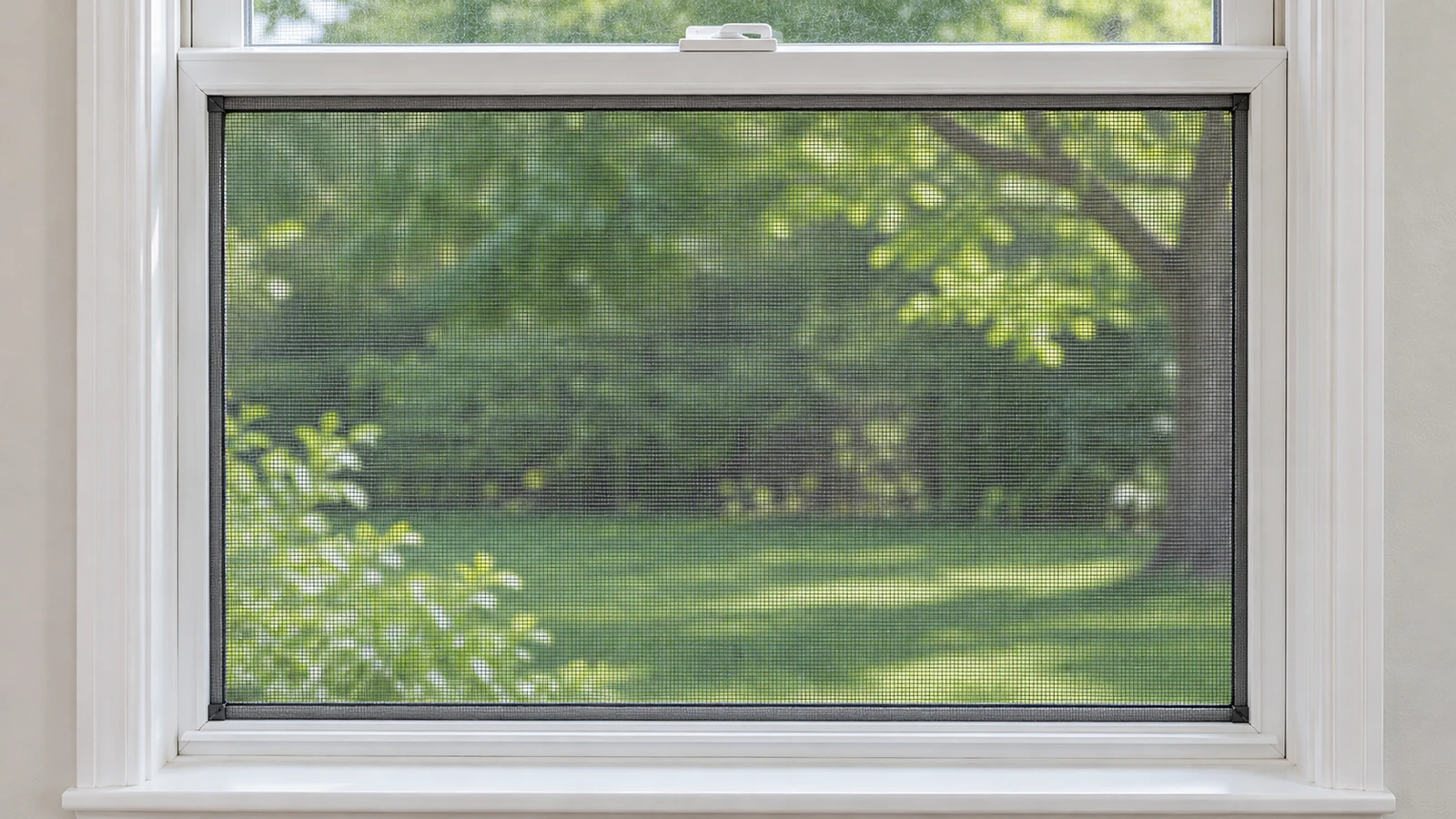
Check window screens for tears and gaps around their frames. Make sure exterior doors close properly and look at worn weatherstripping or door sweeps where flies may pass. Repair accessible openings rather than leaving a window cracked to let trapped flies out.
Where practical, place lidded outdoor waste containers away from commonly used doors and windows. Keep the garage or patio door closed when it is not in use. If flies repeatedly appear after a door has been open, test whether these changes reduce new arrivals before looking for hidden breeding material indoors.
Step 3: Remove the adult flies that remain
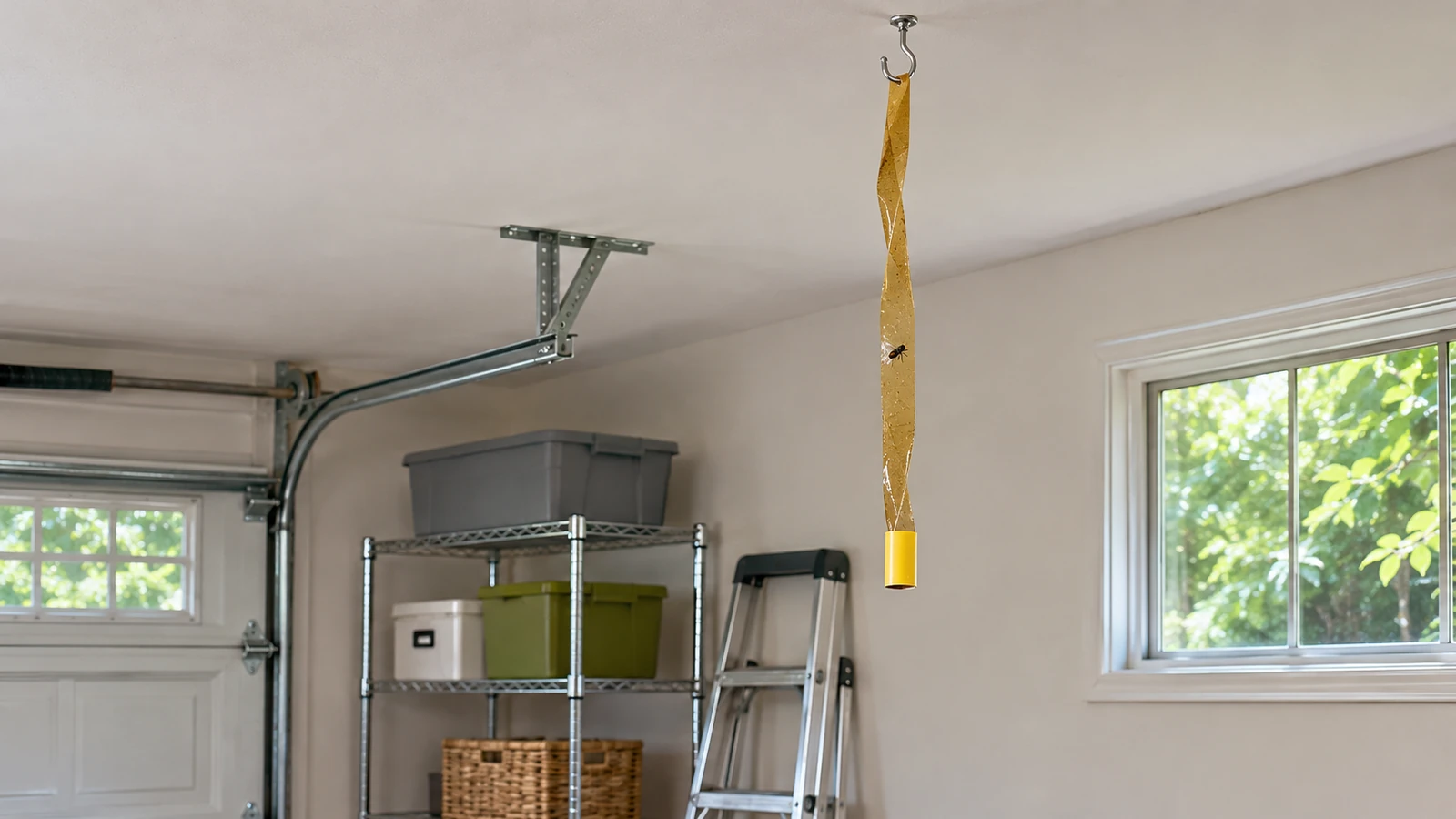
For a few adults, use a flyswatter or vacuum away from uncovered food and food preparation areas. A sticky fly ribbon can help catch and monitor adults in a suitable utility area, away from pets, children, and food-contact surfaces. Dispose of a used strip without touching its adhesive or trapped insects.
Do not expect a kitchen vinegar trap designed for tiny fruit flies to solve a house fly problem. Commercial odor-baited outdoor fly traps can attract flies and should not be placed beside doors or occupied outdoor seating; follow their placement instructions. Avoid electric bug zappers near food because they can scatter insect fragments.
Step 4: Consider pesticides only if the basic measures are not enough
Sanitation and exclusion are usually the main household controls. If a persistent problem still calls for a pesticide, use only a product registered and labeled for the fly, application site, and intended use. Follow all directions, including restrictions for food, ventilation, children, and pets, and check any applicable state requirements.
A spray may kill exposed adults without stopping new ones from emerging or coming indoors. More spraying is not a substitute for fixing a breeding source or an access gap.
Watch for the details that can undo the cleanup
The residue that matters may be under the trash liner, along the rim of a garbage can, or in a damp patch that is easy to miss. Simply tying a fresh bag over old buildup leaves material behind. If you cannot reach a suspected source safely, do not dismantle walls, wiring, or plumbing to search for it.
An adult fly at a bright window is another misleading clue. Flies may gather there after arriving through a different opening, and large flies appearing all at once may not be house flies. Keep the identification and source question open if the observations do not match.
Avoid three common shortcuts:
- Putting a strongly scented outdoor fly trap beside the door, where it may draw additional flies toward the home.
- Spraying food-contact areas or using a bug zapper near uncovered food instead of removing waste and fixing access points.
- Reading a full flypaper strip as proof that the breeding source is still indoors. A trap records captures at its location, not where the flies developed.
Check whether house fly activity is actually falling
Look in the same rooms and near the same doors where you first noticed activity. After removing the suspected waste and repairing openings, note whether fewer new adults appear and whether you still see flies around the previously affected bin or outdoor waste area.
If you use flypaper, leave it in a consistent, suitable position while comparing catches. A change in catches can be useful, but placement, weather, and fly movement also affect the numbers. One trapped adult does not prove a new generation is developing indoors.
Some adults may remain after the source is removed. If new flies continue appearing repeatedly, check for overlooked organic waste, renewed entry through a door, or an insect that was misidentified. Avoid declaring success or failure from one day or inventing a universal deadline.
If house flies keep returning, revisit the source
Clean bins and intact screens are useful evidence that you have addressed common causes, but they do not rule out a source elsewhere. Recheck shared trash storage, inaccessible outdoor refuse, pet waste, or a neighboring area you cannot control. If flies appear in a sudden burst from an attic or wall area, obtain an identification rather than assuming they are common house flies; cluster flies and blow flies can call for a different investigation.
If a persistent odor, damaged plumbing, or an inaccessible void is involved, address the underlying building or waste issue instead of repeatedly using an aerosol. A photo or intact specimen can help a Cooperative Extension office or pest professional assess the insect.
When Should You Call a Professional?
A professional is worth considering when large numbers continue appearing despite accessible cleanup and exclusion, the suspected material is hidden or unsafe to reach, or a building-wide waste problem requires coordinated action. For a few occasional flies entering through a door, source checks and simple barriers are a more proportionate starting point.
Keep waste and entry points from becoming a problem again
Remove food waste before it accumulates, clean trash containers when residue develops, and dispose of pet waste promptly. Check outdoor bins and compost storage when warm conditions or odors make them attractive to flies. These habits matter more than leaving traps up indefinitely.
Keep screens in good repair and doors closed when practical. If house flies become frequent again, return to the same source-and-entry checks rather than assuming the earlier cleaning did not work.
Explore this topic further:
If the insect or its source still does not fit, use our guide to identifying flies in the house to find the right next investigation.