Comparison
Wasp traps compared: Which types catch which wasps?
Compare species-specific lure traps, refillable food-bait designs and DIY wasp traps by target, placement and upkeep, without confusing a catch with nest control.
A wasp trap may fill up near your yard while wasps still turn up at the picnic table. That doesn’t always mean the trap is defective. It may be catching a different species, sitting in the wrong place, or removing only a small share of the insects visiting the area.
The useful question is not simply which trap catches the most wasps. It is whether the trap attracts the wasps causing the problem, can be maintained safely, and offers a benefit beyond covering food and trash.
Choose by species, placement and safe upkeep
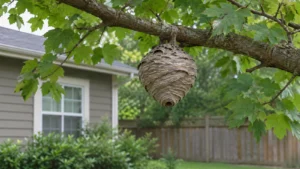
Start with the target insect. Common yellowjacket traps are designed mainly for certain scavenging yellowjackets. Paper wasps, bald-faced hornets and solitary wasps do not necessarily respond to the same lure. If you only see a wasp-shaped insect at flowers or a structure attached to a wall, identification comes before buying a trap.
Then check where the trap would go. A scented trap attracts insects toward itself. The safer choice is a suitable location away from outdoor meals, doorways, play spaces and other gathering areas, not directly beside the people you want to protect. Follow the device’s placement instructions and avoid any location requiring you to approach or disturb an active nest.

The remaining criteria determine whether a particular design is practical:
- Lure match: Look for a named target group or species and supporting product instructions. "Catches wasps" is too broad to predict results across the United States.
- Bycatch: Favor a design and attractant aimed at the nuisance wasps rather than one that needlessly captures bees or other beneficial insects.
- Maintenance: Check how the lure is renewed, how captured insects are contained, and whether servicing exposes you to live wasps. Never handle a trap while active insects make it unsafe.
- Other attractants: Exposed drinks, fallen fruit and open trash can compete with the trap. A poor catch may reflect those conditions, not just the trap’s design.
Here is the practical choice in one view. No type has a proven universal win rate for every species or yard.
| Trap option | Main target or use | What to check before choosing | Key limitation |
|---|---|---|---|
| Commercial scent-lure trap | Yellowjacket species named for that lure | Species match, outdoor placement, lure replacement | One lure may miss other yellowjackets and most other wasps |
| Refillable food-bait trap | Some food-scavenging yellowjackets | Enclosed design, bait guidance, safe cleaning | Attraction varies and requires regular upkeep |
| DIY food-bait container | Limited nuisance-forager capture when safe servicing is feasible | Insect escape, bycatch, spills and access by people or pets | Unstandardized bait and more handling of stinging insects |
The tradeoffs that matter after the first catch

A lure trap catches insects that approach it, but it cannot tell you how many foragers remain in the wider area. A full trap demonstrates capture, not that a colony has disappeared. Likewise, an empty trap could mean the target species does not respond to that lure, that other food sources are more attractive, or simply that few insects approached it.
A food-bait design may attract several scavenging wasps without being species-selective. That can be useful where confirmed yellowjackets repeatedly visit outdoor food, but it can also draw foragers to a place you would rather keep clear. Placement away from people and removing accessible food are therefore part of choosing the trap, not optional finishing touches.
DIY traps add their own tradeoff. You may be able to change the bait, but old food can smell, spill or attract other animals, and emptying a container with live stinging insects can be risky. A reusable commercial trap still needs maintenance; it simply provides a more defined container and instructions.
A species match is worth more than a busy trap
For a recurring yellowjacket nuisance, prefer a trap with a clearly documented target and a servicing routine you can follow safely. A vague promise to catch "all wasps" gives you less useful information.
What to Watch For
Do not place baited traps beside a patio or try to use them at a nest entrance. Trapping foragers is not a substitute for assessing a nest near a doorway, wall, playground or frequently used path.

Which wasp trap makes sense for your situation?
Choose for the nuisance you actually have
- Confirmed yellowjackets scavenging around outdoor food: A species-appropriate commercial lure trap may help intercept some foragers if it can be located well away from the gathering area. Cover food and secure trash at the same time.
- You want a reusable trap: A refillable, enclosed food-bait design may suit you if the target insects and bait guidance make sense and you can clean it safely.
- You are considering DIY: Treat it as a maintained food-bait trap with uncertain species selectivity, not a cheap substitute for dealing with an occupied nest.
- Paper wasps, hornets or an unidentified wasp: Do not assume a standard yellowjacket trap is the answer. If you are looking at a visible nest or an entry point, start with the wasp nest types guide instead.
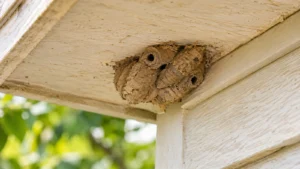
- Clay cells attached to a wall or eave: Check the mud dauber nests guide before selecting a trap intended for scavenging social wasps.
The best first response to a few wasps seeking food may be to keep drinks covered, close garbage lids and remove fallen fruit rather than install a trap at all. If insects are repeatedly entering a hole in a structure or defending a nearby nest, the question has moved beyond trap choice. Keep your distance and seek a suitable assessment; do not test a trap at the entrance.
Explore this topic further: