
Explanation
Do bed bugs live outside? What an outdoor find means
Find out when bed bugs may survive outdoors, how an object can carry them, and which clues matter before you bring a suspicious item inside.
A small brown insect on a porch chair can be unsettling, especially if you have dealt with bed bugs before. The useful question is whether the insect is actually a bed bug, how it got there, and whether an object could carry it indoors. The answers depend more on the setting and evidence than on the fact that the sighting happened outside.
Quick Answer
Yes, bed bugs can end up outdoors and may survive there for a time. But grass, soil, and garden plants are not their usual habitat. They typically shelter near places where people rest or sleep, or travel on furniture, luggage, and other belongings. An insect found outside needs identification before you decide how to respond.
Why yards are not the usual home for bed bugs
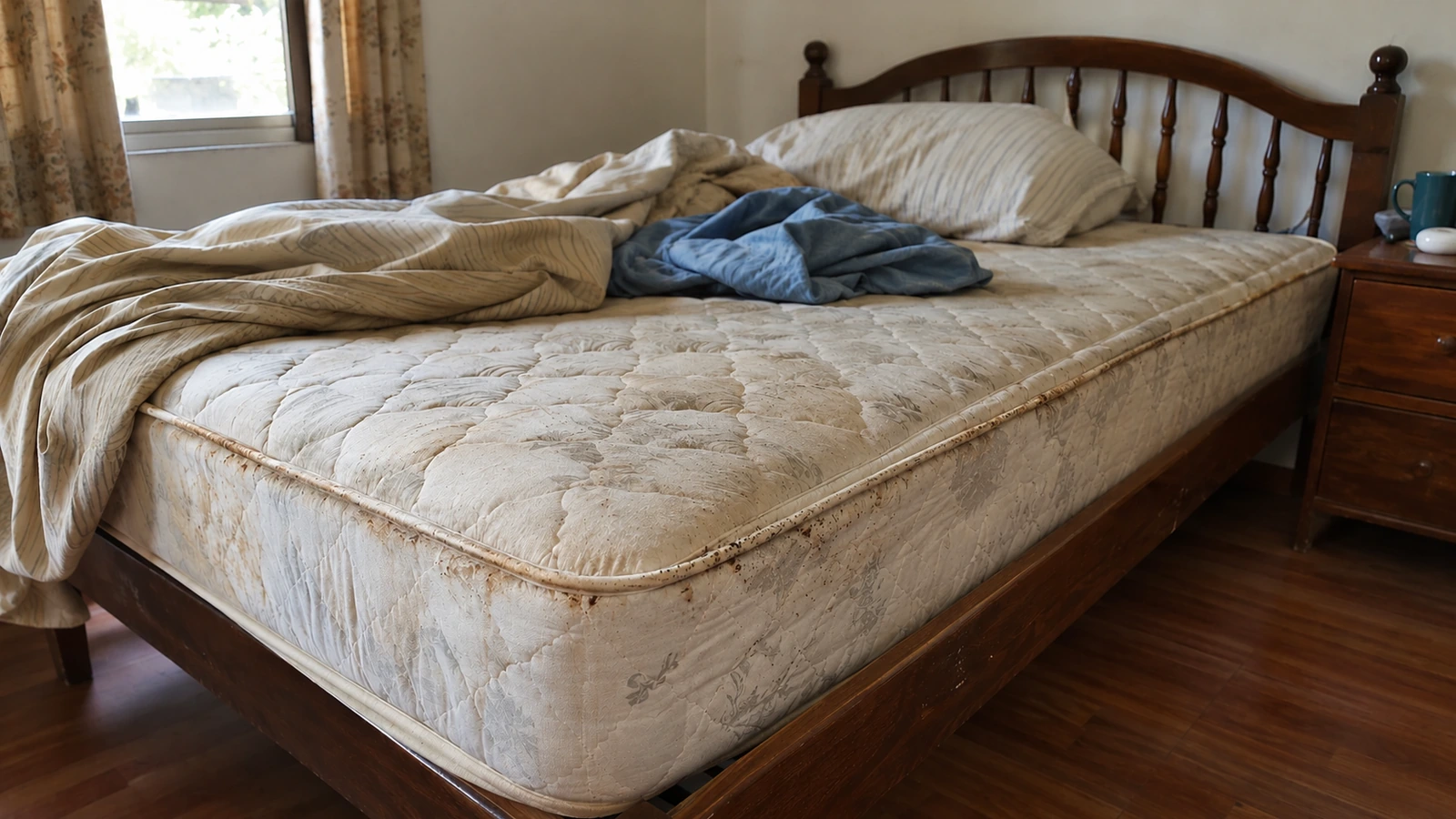
The common bed bug (Cimex lectularius) feeds on blood and hides in narrow, protected spaces between meals. In a home, it is most often associated with sleeping and resting areas, including mattress seams, bed frames, and upholstered furniture. It does not feed on grass or garden plants.
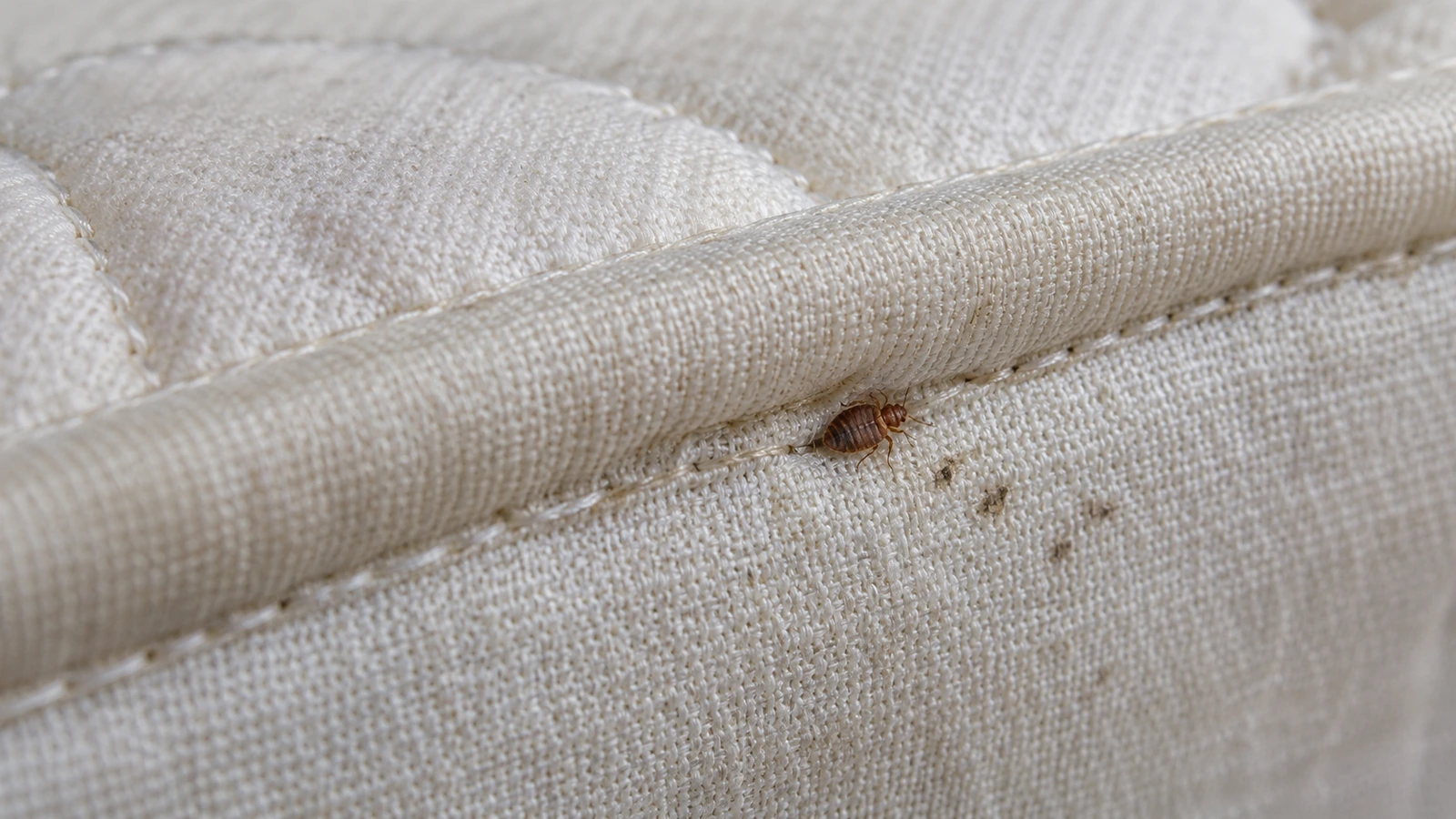
An unfed adult is flat, oval, and reddish brown, generally about 3/16 to 1/4 inch long. Young bed bugs, called nymphs, are smaller and often pale before feeding. Neither stage can fly or jump. Bed bugs move by crawling or by riding along with belongings.
How a bed bug can end up outside
A chair moved out of an infested room, luggage placed on a patio, or a discarded mattress left by the curb can all bring bed bugs into an outdoor setting. An insect may remain hidden in the item’s seams and joints after it is moved. A bed bug can also crawl from a nearby sheltered location.
That is different from a population living throughout a lawn. Bed bugs depend on blood meals, and a yard generally offers less predictable access to a host than an occupied sleeping area. Their ability to persist between meals is covered in how long bed bugs can live without food.
Can bed bugs survive outdoors?
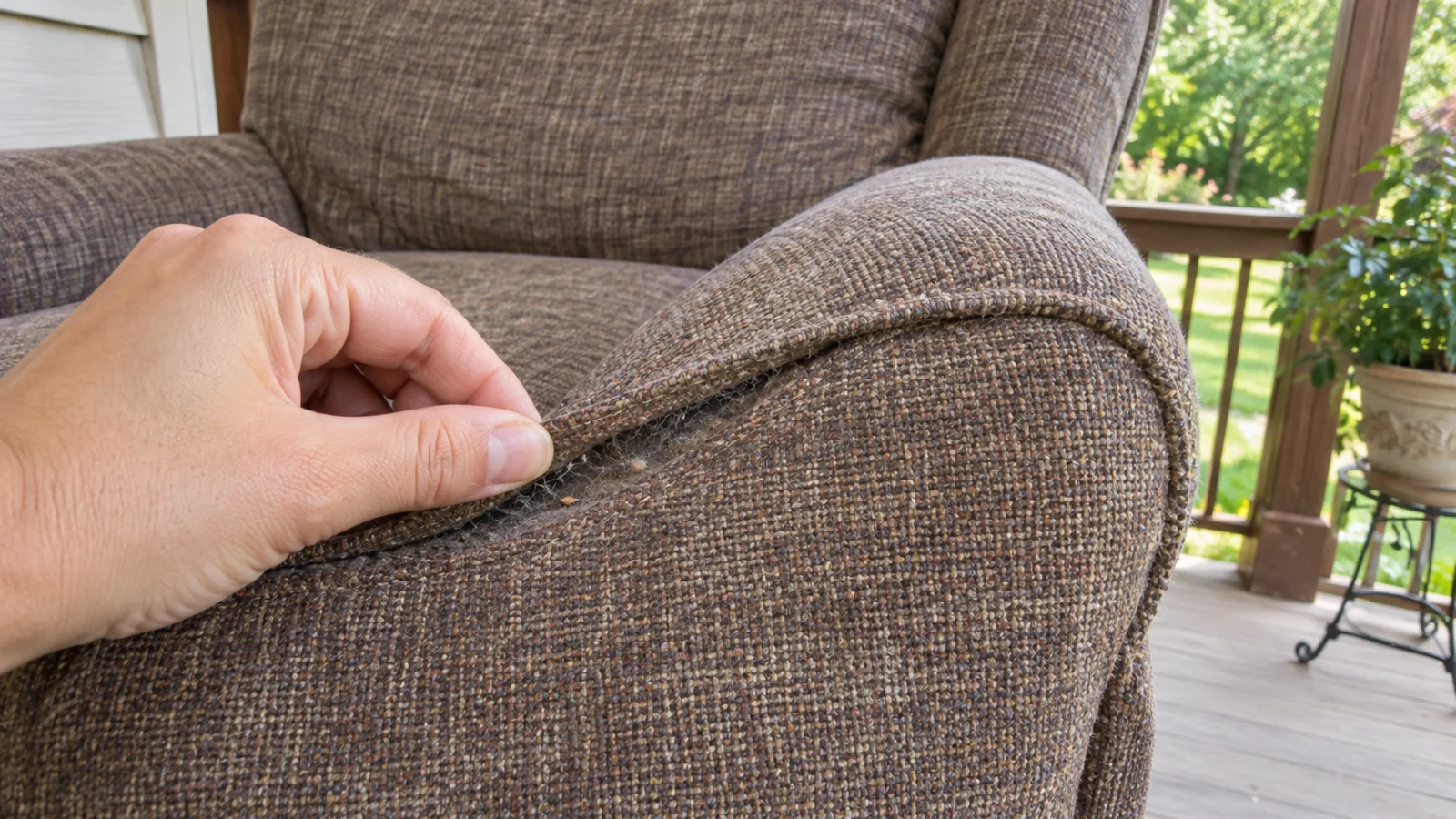
They can, depending on where they are and the conditions they actually experience. An exposed bug on a sunlit surface faces different conditions from one tucked deep inside the seam of a shaded chair. Protected crevices can buffer insects from changes in temperature and weather.
Leaving an item outside for a few days is therefore an unreliable way to clear it. Temperatures vary by region, season, time of day, and hiding place. The important question is whether the insects inside the object received a proven, sustained treatment, rather than whether the air felt hot or cold.
An outdoor look-alike may be more likely
Finding a flat brown insect on a balcony or exterior wall does not establish its identity. Small beetles and seed bugs can be mistaken for bed bugs. Bat bugs and certain bird-associated bugs look especially similar and may appear around eaves, attics, and nesting areas. Distinguishing these close relatives can require magnification.
If the insect was near a bird nest or an attic with bat activity, record that location and seek a reliable identification without disturbing the animals or their nesting areas. For the visual differences that matter, see bugs that look like bed bugs.
What should you check after finding a suspected bed bug outside?
The first useful action depends on what you found. There is a difference between one insect walking across a deck and several insects or traces inside a chair you plan to bring home.
An insect on a patio, deck, or outside wall
If practical, take a clear, close photograph or save the insect in a sealed container. Note exactly where it was found. A single unidentified bug is a reason to check the species, not to spray the yard. If similar insects repeatedly appear near an eave or nesting site, mention that pattern when requesting identification.
A used couch, suitcase, or other item left outdoors
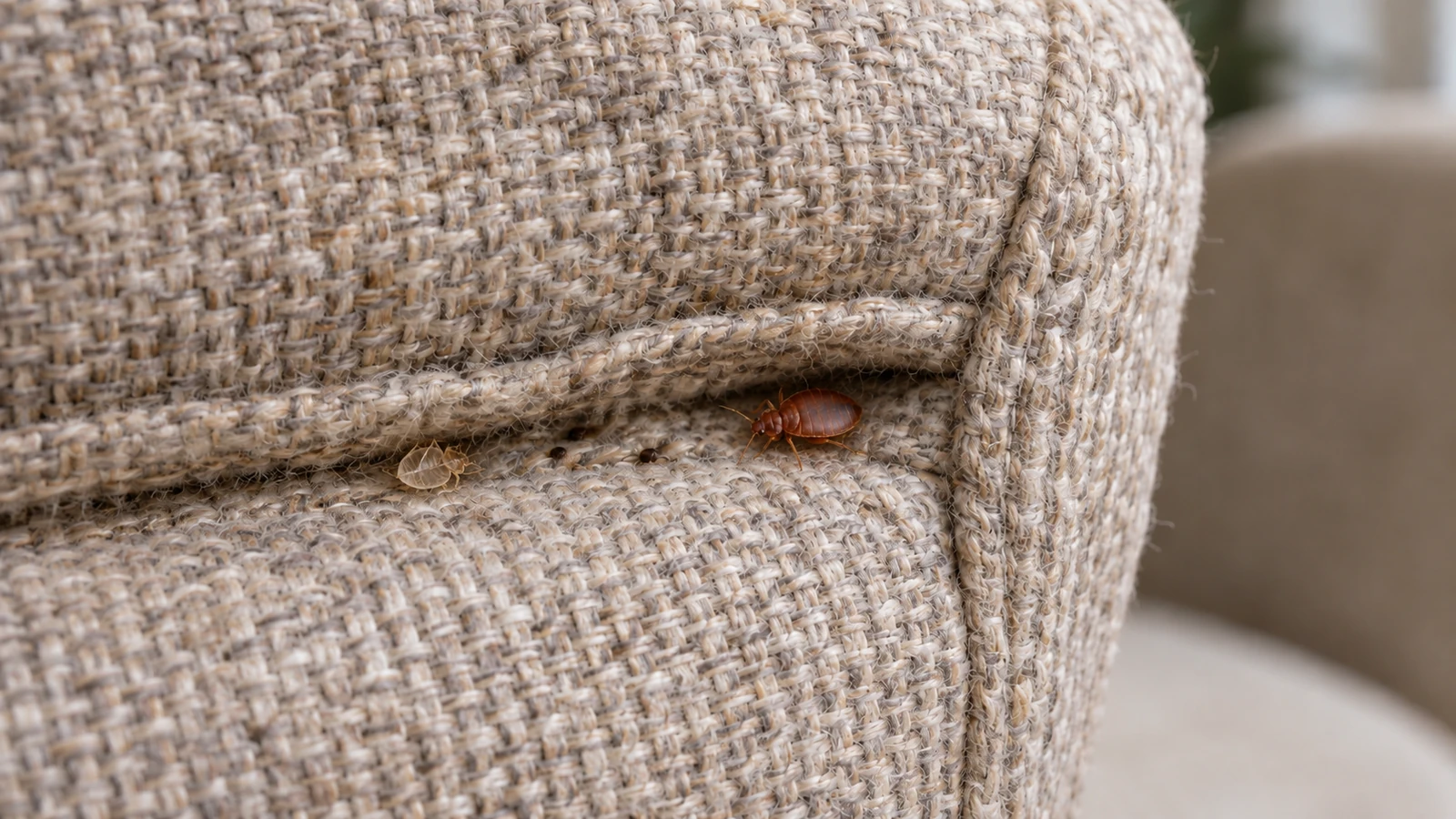
Before bringing the item inside, examine seams, piping, cushion folds, handles, undersides, and joints in good light. Check for live insects, pale shed skins, small whitish eggs attached in crevices, and dark fecal spots. Keep a suspicious item apart from beds and upholstered furniture while you determine what it carries.
The main risk is transport, not the grass beneath the item. Bed bugs can spread through luggage, furniture, and other belongings even when the object spent time outdoors.
A suspicious item has already come indoors
Check where you put it and nearby furniture where people sleep or rest. Look for live insects and the physical signs described above. Bites or itchy marks alone are too nonspecific to settle the question. If you find confirmed bed bugs or strong, repeated physical evidence, move to the bed bug identification and control overview for the next stage of the household response.
What to Watch For
Do not treat outdoor storage as a substitute for bed bug control. Sunlight or freezing weather may fail to reach insects deep in seams, and outdoor-only pesticides must never be used on indoor furniture or other belongings. Verify the pest and use only an appropriate, label-compliant method.
Explore this topic further:


